How AI fits this role
Voice Actor in the Entertainment & Media Industry
Role Overview
Voice actors are the performers behind animated characters, video game protagonists, audiobook narrations, commercial voiceovers, IVR systems, e-learning modules, and documentary narration. The role spans a wide spectrum: from union talent recording AAA game dialogue in professional studios to independent contractors recording corporate training content from home booths.
The highest-volume segment of the industry is commercial and corporate voiceover — e-learning, explainer videos, telephony, and advertising — where turnaround pressure, localization demands, and budget constraints have historically driven commoditization. It is precisely this segment where AI voice synthesis has landed hardest and fastest.
At the premium end, voice actors are cast for emotional range, character specificity, directorial collaboration, and brand identity. At the commodity end, they compete on speed, price, and availability. AI has effectively collapsed the commodity tier while simultaneously raising the floor for what "good enough" sounds like to buyers.
How AI Is Transforming This Role
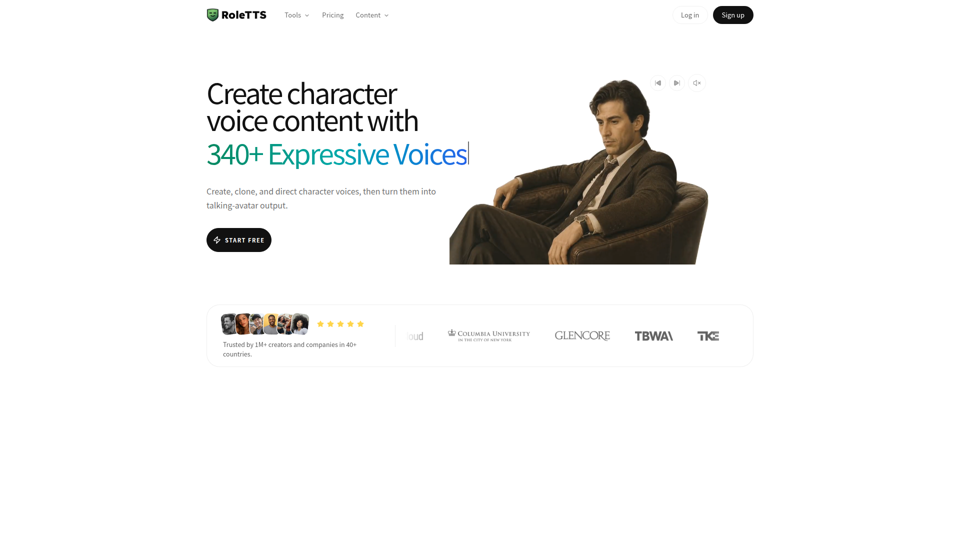
The transformation is not hypothetical — it is already restructuring the commercial voiceover market in measurable ways. Platforms like ElevenLabs, Murf, Resemble AI, and WellSaid Labs have made it possible for a marketing team to generate a passable 90-second product explainer in under five minutes without contacting a voice actor at all. This has not eliminated voice acting, but it has permanently altered the demand curve for low-complexity, short-form, non-emotive content.
The more consequential shift is in how studios and publishers are using AI as a production layer rather than a replacement. Game developers are using AI voice synthesis to generate placeholder dialogue during development, reducing the number of recording sessions needed before final casting. Audiobook publishers are experimenting with AI-narrated backlist titles to extend catalog reach without re-investing in talent fees. Localization pipelines are using voice cloning to dub content into secondary languages using a single recorded performance as the source.
For working voice actors, this creates a bifurcated reality: the volume of low-rate, high-turnaround work is shrinking, while the value of distinctive, emotionally complex, and brand-anchored performance is holding or increasing. The actors most at risk are those who built their business on commodity volume. The actors best positioned are those who have developed a recognizable voice identity, strong client relationships, and the technical fluency to work within AI-augmented production pipelines.
Tasks AI Can Automate
- Short-form informational narration — product descriptions, FAQ audio, help center content, and internal training modules where tone is neutral and emotional range is minimal
- IVR and telephony prompts — the entire IVR voiceover market has been largely absorbed by AI synthesis, with major platforms offering custom voice models trained on a few hours of recorded speech
- Localization dubbing for secondary markets — AI voice cloning from a primary-language recording is now commercially viable for markets where budget does not justify full casting and recording
- Placeholder and scratch dialogue — game studios and animation houses use AI-generated scratch tracks throughout production to test timing, pacing, and script fit before committing to talent sessions
- Audiobook narration for backlist or low-margin titles — publishers are using AI narration for titles that would not generate enough revenue to justify professional narration fees
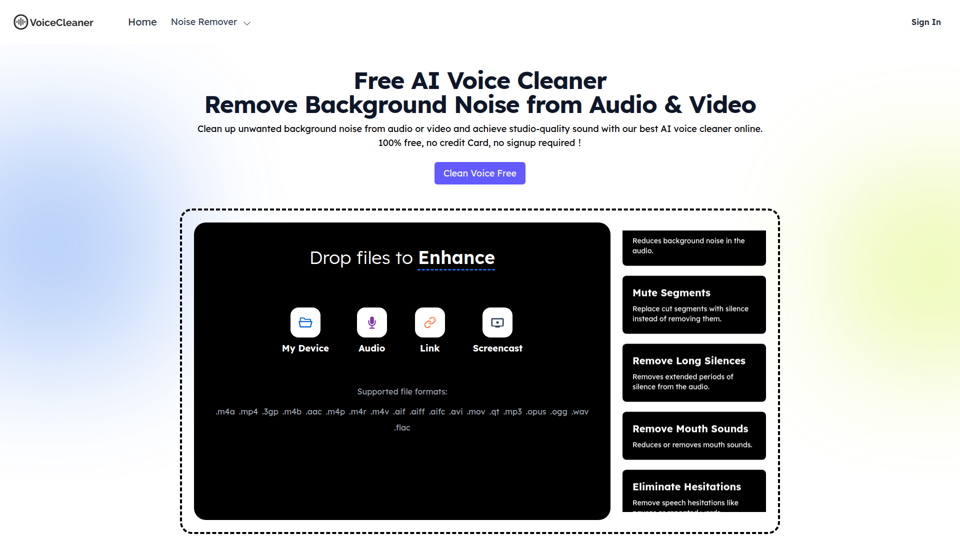
- Pronunciation and pacing normalization — post-production tools can now correct mispronunciations, adjust pacing, and remove mouth noise without requiring a re-record
- Real-time voice modulation for live applications — customer service, gaming, and virtual assistant contexts where a consistent synthetic voice is preferred over variable human performance
Skills Becoming More Valuable
Emotional specificity and subtext performance AI synthesis can replicate cadence and tone but consistently fails at the micro-variations that signal subtext — the slight hesitation before a lie, the warmth underneath sarcasm, the exhaustion in a character's bravado. Directors and casting teams are increasingly explicit about this gap.
Character distinctiveness and range Voice actors who can deliver multiple distinct characters — not just different accents, but genuinely different vocal personalities — are harder to replace because no single synthetic model covers that range convincingly.
Directorial collaboration and real-time adaptation The ability to take direction, iterate quickly in session, and interpret abstract creative notes is a human skill that AI cannot replicate in a live production context. Actors who are easy to direct and fast to adapt are disproportionately re-booked.
Voice licensing and IP negotiation A growing number of voice actors are negotiating voice cloning agreements — licensing their voice for AI synthesis in exchange for royalties or flat fees. Understanding how to structure, value, and protect these agreements is becoming a core professional competency.
Home studio technical proficiency Actors who can self-direct, self-edit, and deliver broadcast-quality audio from a home setup are more competitive in a market where remote recording is now the default. This includes understanding acoustics, signal chain, DAW editing, and file delivery standards.
Bilingual and dialect authenticity For localization work, authentic native-speaker performance in regional dialects remains a gap that AI synthesis handles poorly. Actors with genuine linguistic and cultural fluency in high-demand language pairs are increasingly valuable.
Skills Becoming Less Important
Generic neutral reads The "announcer voice" — authoritative, neutral, mid-Atlantic — was the backbone of commercial voiceover for decades. AI synthesis handles this register extremely well. Actors whose primary offering is a clean, neutral read are facing direct substitution pressure.
High-volume, low-complexity throughput The ability to record 200 short e-learning lines in a single session was a marketable skill when clients needed human narration for everything. That work is now largely automated.
Basic audio editing and cleanup While technical proficiency remains valuable, the specific skill of manually cleaning up recordings — removing breaths, normalizing levels, cutting mistakes — is increasingly handled by AI-powered post-production tools like Adobe Podcast, iZotope RX, and Descript.
Cold reading speed for commodity content Fast cold reading was a competitive advantage for high-volume commercial work. As that work migrates to AI, the speed advantage matters less than the interpretive quality of the read.
Current AI Adoption in This Industry
Adoption is uneven but accelerating, and the commercial pressure is coming from multiple directions simultaneously.
Corporate and e-learning: Adoption is high and largely complete for new content creation. Platforms like Synthesia and Articulate are integrating AI voice directly into content authoring tools, meaning the decision to use AI voice is made upstream of any casting conversation.
Video games: Adoption is in active experimentation. Major studios are using AI for NPC dialogue, ambient characters, and development scratch tracks. SAG-AFTRA's 2023 strike and subsequent AI provisions have created contractual guardrails for union productions, but non-union and indie game development has moved quickly toward AI voice for secondary characters.
Animation: More conservative adoption due to the centrality of performance to the product. AI is used in pre-production and for background characters, but principal cast recording remains human-driven.
Audiobooks: ACX (Amazon's audiobook platform) has introduced AI narration as an option for rights holders, creating a direct market alternative to human narrators. Adoption is growing for backlist and genre fiction titles.
Advertising: Mixed. Brand voice consistency and legal clearance concerns have slowed adoption for major campaigns, but digital-only and social media advertising has moved toward AI voice for speed and cost reasons.
Localization and dubbing: Rapid adoption for secondary language markets. Companies like Deepdub and Papercup are building commercial pipelines specifically for AI-driven dubbing at scale.
Future Workflow Evolution
The voice actor's workflow in 2026–2028 will look materially different from 2020, even for working professionals who are not displaced.
Voice licensing as a revenue stream: Actors will increasingly be approached to license their voice for AI synthesis — either as a general-purpose model or for specific client use cases. This will require actors to understand usage rights, exclusivity windows, and royalty structures in the same way session musicians understand sync licensing.
Hybrid production sessions: Rather than recording a full script, actors may record a smaller set of "seed" performances that are then extended, adapted, or localized using their licensed voice model. The session becomes a voice capture event as much as a performance event.
AI-assisted self-direction: Home studio actors will use AI tools to evaluate their own takes — checking pacing against script timing, flagging pronunciation inconsistencies, and comparing emotional register against reference performances — before submitting to clients.
Smaller principal casts, larger synthetic ensembles: Game and animation productions will cast a smaller number of human actors for principal roles while using AI-generated voices (potentially derived from those same actors' licensed voices) for secondary and background characters.
Real-time performance synthesis: Live applications — interactive fiction, gaming NPCs, virtual assistants — will use real-time voice synthesis that adapts to player or user input. Human actors may provide the emotional and character foundation, with AI handling the generative variation.
Common AI Use Cases
- ElevenLabs / Murf / WellSaid Labs: Generating synthetic voiceovers for e-learning, explainer videos, and internal communications without casting human talent
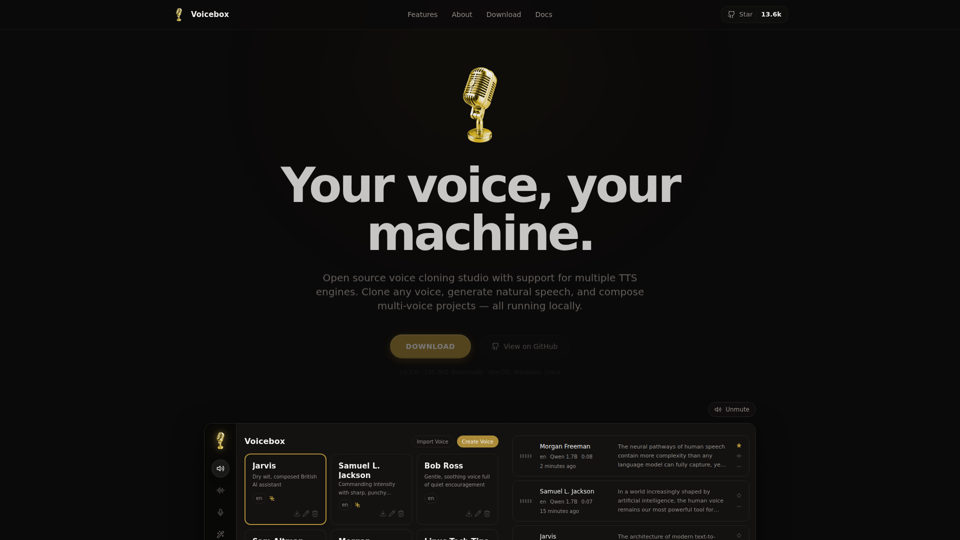
- Resemble AI / Respeecher: Cloning a voice actor's voice from recorded samples for use in localization, ADR replacement, or content extension
- Descript Overdub: Allowing content creators to edit audio by editing text, with AI regenerating the voice to match script changes
- Adobe Podcast AI: Cleaning up home studio recordings to broadcast quality, reducing the technical barrier for non-professional setups
- iZotope RX: AI-powered audio repair for removing noise, mouth clicks, and room tone inconsistencies in post-production
- Deepdub / Papercup: Automated dubbing pipelines that translate and re-voice content into secondary languages using voice cloning
- Altered Studio: Real-time voice transformation for gaming, streaming, and live performance applications
Recommended AI Stack
For voice actors navigating this environment, the relevant tools fall into two categories: defensive (protecting and extending your professional value) and offensive (building new revenue streams).
Defensive tools
- iZotope RX 10 — industry-standard audio repair; knowing this tool makes you more competitive in remote recording markets
- Adobe Podcast Enhance — fast cleanup for client-facing demos and auditions
- Descript — understanding how clients use this tool helps you anticipate how your recordings will be edited and what delivery formats matter
Offensive tools
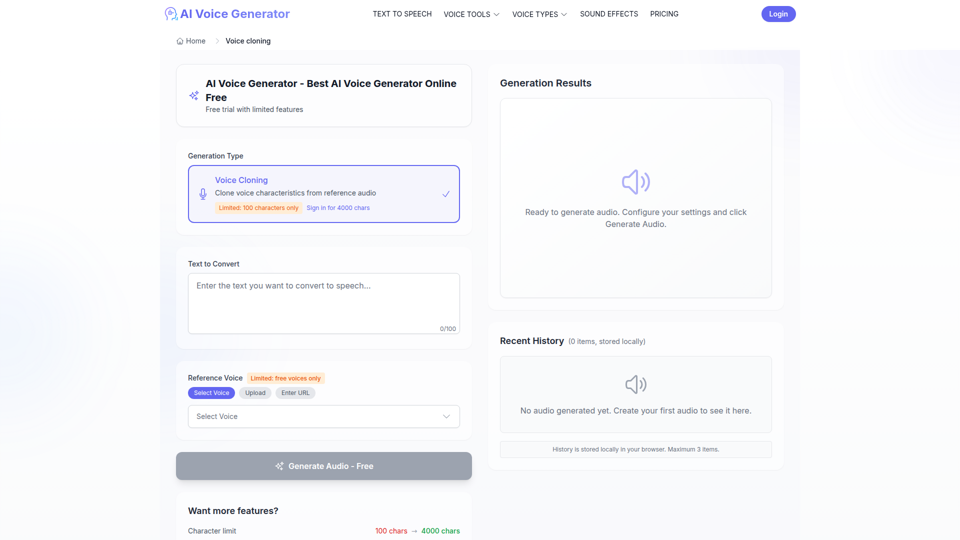
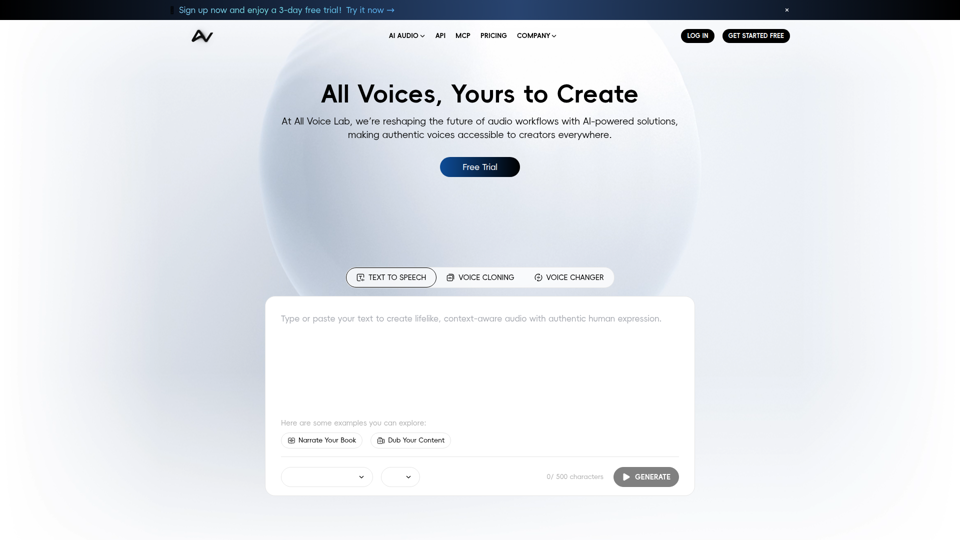
- Resemble AI or ElevenLabs (voice cloning tier) — understanding how your voice can be cloned, what the output quality looks like, and what licensing terms are reasonable requires firsthand familiarity with these platforms
- ACX AI narration tools — if you are an audiobook narrator, understanding the competitive product is essential for positioning your human performance
- Voice123 / Backstage AI matching features — casting platforms are integrating AI-assisted matching; understanding how your profile is being surfaced algorithmically affects your audition volume
Risks & Challenges
Unconsented voice cloning The most immediate legal and professional risk. Deepfake voice technology has made it trivially easy to clone a voice actor's voice from publicly available recordings. Several high-profile cases have involved actors discovering their voice being used commercially without consent or compensation. The legal framework is still developing, and enforcement is inconsistent.
Rate compression in surviving human work As AI handles commodity volume, the remaining human work faces downward rate pressure from clients who use AI pricing as a benchmark. Clients who previously paid $500 for a 5-minute e-learning module now have a $0 AI alternative and use that as leverage in negotiations.
Union jurisdiction gaps SAG-AFTRA contracts cover union productions, but a significant portion of the voiceover market — corporate, e-learning, indie games, digital advertising — operates outside union jurisdiction. AI adoption in these non-union segments faces no contractual friction.
Voice model obsolescence Actors who license their voice for AI synthesis face the risk that their model becomes outdated as synthesis technology improves, reducing the value of their licensed asset over time.
Psychological and identity impact Voice actors who have built careers around their distinctive instrument face a specific form of professional disruption — not just job loss, but the commoditization of something deeply personal. This is an underreported dimension of AI's impact on creative professionals.
Discoverability collapse As AI-generated content floods platforms, the signal-to-noise ratio for human voice talent discovery worsens. Casting directors and clients face more options, not fewer, making it harder for individual actors to stand out through traditional audition volume.
Future Outlook (3–5 Years)
The commodity voiceover market will not recover. The economics are too clear: for neutral, informational, short-form content, AI synthesis is faster, cheaper, and good enough. This is not a temporary disruption — it is a permanent structural shift in where human voice performance is valued.
The professional voice acting market will stratify more sharply than it already has. A smaller number of actors will command higher fees for work that genuinely requires human performance — principal characters, brand voice talent, emotionally complex narrative, and live-directed sessions. A larger number of actors who previously sustained careers on commodity volume will need to either move up the value chain or exit the profession.
Voice licensing will become a standard revenue model for established talent, similar to how session musicians license masters for sync. The actors who navigate this well will be those who understand their voice as an intellectual property asset, not just a performance instrument.
Localization and dubbing will be the most disrupted adjacent market. The economics of dubbing content into 20 languages using AI voice cloning versus casting 20 sets of local talent are not close. Human dubbing actors will increasingly work only on premium content for primary markets.
The union landscape will be a significant variable. SAG-AFTRA's AI provisions, and whatever follows them in subsequent contract cycles, will shape how quickly AI penetrates union productions. The outcome of these negotiations will determine whether the premium tier of the market retains meaningful human performance requirements or whether AI becomes normalized even there.
Final Insight
The voice acting profession is not disappearing — but the version of it that sustained thousands of working professionals on commodity volume is already gone. What remains, and what is growing, is the work that requires a human being: the performance that carries subtext, the character that feels inhabited rather than generated, the voice that a brand has built equity around over years.
The actors who will thrive in this environment are not necessarily the most technically gifted — they are the ones who understand the business transformation clearly enough to reposition before the market forces them to. That means moving up the value chain deliberately, building direct client relationships that are not mediated by platforms, understanding voice licensing as a business model, and developing the technical fluency to work within AI-augmented pipelines rather than against them.
The most dangerous position is the middle: good enough to get work, but not distinctive enough to be irreplaceable. AI has made the middle of the market untenable. The edges — genuine artistry at the top, and technical specialization in AI pipeline integration — are where the durable careers will be built.