How AI fits this role
Social Media Content Creator
Role Overview
A Social Media Content Creator develops, produces, and publishes content across platforms like Instagram, TikTok, LinkedIn, YouTube Shorts, and X (formerly Twitter) to build brand presence, drive engagement, and support commercial objectives. In practice, this role sits at the intersection of copywriting, visual design, trend analysis, community management, and performance marketing.
The highest-volume operational context for this role is brand-side content creation within consumer goods, retail, fashion, beauty, food and beverage, and direct-to-consumer (DTC) e-commerce — industries where social media is a primary acquisition and retention channel, not a secondary one. In these environments, creators are expected to produce high-frequency, platform-native content that converts, not just content that looks good.
The day-to-day reality involves managing editorial calendars across 4–6 platforms simultaneously, adapting brand voice to platform-specific formats, briefing or collaborating with designers and videographers, responding to real-time trends, and reporting on content performance to justify creative decisions to stakeholders. The role is operationally demanding and increasingly data-accountable.
How AI Is Transforming This Role
The transformation is not about AI replacing creativity — it is about AI compressing the production cycle so dramatically that the bottleneck has shifted from execution to judgment.
Three years ago, a social media team of four might publish 20–30 pieces of content per week across platforms. Today, the same team is expected to publish 60–100 pieces, because AI tools have eliminated the time cost of first drafts, caption variations, image resizing, and hashtag research. The output expectation has scaled faster than headcount.
This creates a specific operational pressure: creators are now spending less time writing and more time editing, approving, and quality-controlling AI-generated output. The role is evolving from producer to curator-editor, but without a reduction in accountability for results. If an AI-generated caption underperforms or a generated image looks off-brand, the creator owns that outcome.
Simultaneously, platforms themselves are deploying AI natively. Meta's Advantage+ Creative, TikTok's Symphony AI suite, and LinkedIn's AI-assisted post suggestions are changing what "publishing" means — the platform increasingly optimizes creative assets post-upload, which means creators must understand how algorithmic creative optimization interacts with their original intent.
The commercial pressure is real: brands that are not using AI in their content workflows are being outpaced on volume and A/B testing velocity by competitors who are. This is not a future concern — it is a current competitive gap in industries like beauty, fashion, and DTC retail.
Tasks AI Can Automate
- Caption and copy generation: First-draft captions, CTA variations, and post copy across tones (promotional, educational, conversational) using tools like ChatGPT, Claude, or Jasper trained on brand voice guidelines.
- Hashtag and keyword research: Identifying trending and niche hashtags by platform, audience segment, and content category — previously a manual, time-consuming task.
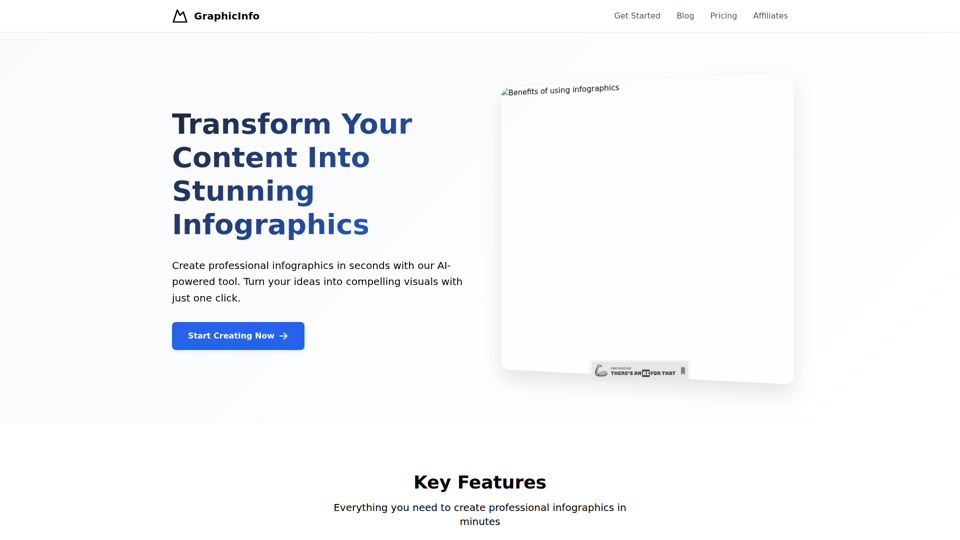
- Content repurposing: Automatically converting a long-form blog post or YouTube video into platform-specific snippets, carousels, quote graphics, and short-form scripts.
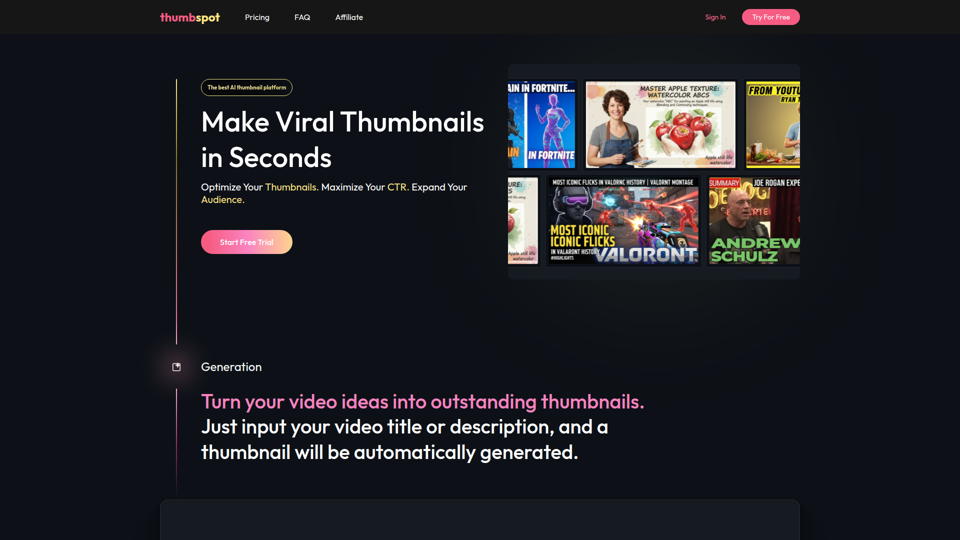
- Image and graphic generation: Producing on-brand visual assets, product mockups, and lifestyle imagery using Midjourney, Adobe Firefly, or DALL·E — particularly useful for filling content calendar gaps without a photoshoot.
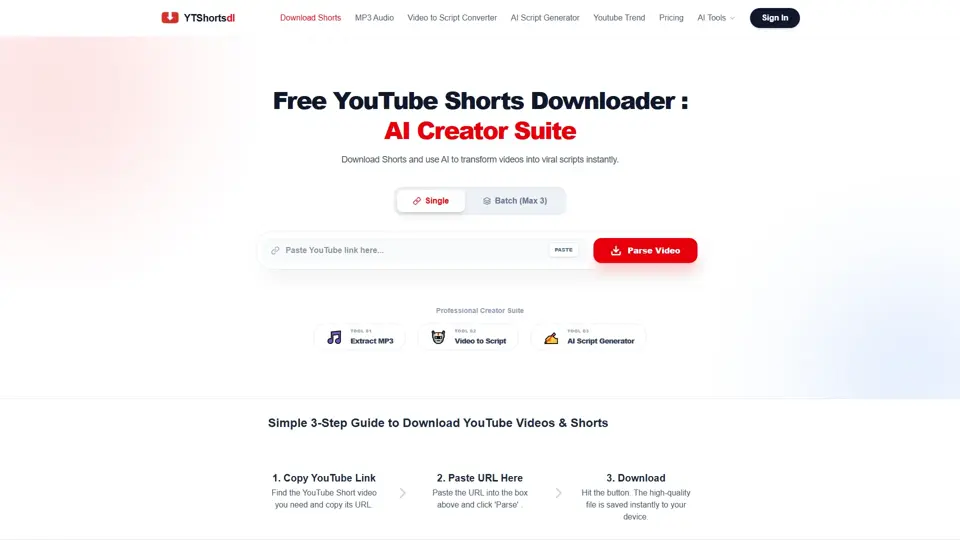
- Video editing and clipping: Tools like Opus Clip, Descript, and CapCut AI identify the highest-engagement moments in long-form video and auto-generate short clips with captions.
- Performance reporting: Automated weekly and monthly reports pulling engagement, reach, and conversion data from multiple platforms into a single dashboard (Metricool, Sprout Social, Hootsuite Insights).
- A/B test variant creation: Generating 5–10 caption or creative variations for paid social testing without manual copywriting for each variant.
- Scheduling and posting: Fully automated publishing queues with AI-recommended optimal posting times based on historical audience activity.
- Trend monitoring: Real-time alerts for trending audio, hashtags, and content formats relevant to a brand's category.
Skills Becoming More Valuable
Platform-native judgment: Understanding why a specific format works on TikTok but not Instagram Reels — not just the technical specs, but the cultural and behavioral reasons — is something AI cannot replicate. Creators who deeply understand platform psychology are increasingly valuable.
Brand voice stewardship: As AI generates more content, the ability to recognize when output is off-brand, tonally wrong, or culturally inappropriate becomes a critical editorial skill. This requires deep internalization of brand identity, not just a style guide.
Trend interpretation and cultural fluency: Identifying which trends are worth joining, which are brand-relevant, and which carry reputational risk requires cultural awareness and contextual judgment that AI consistently misjudges.
Creative direction for AI tools: Knowing how to prompt, constrain, and iterate with generative AI tools to produce usable output efficiently is now a core production skill. Poor prompting wastes time; skilled prompting multiplies output quality.
Data literacy and performance analysis: Reading content analytics beyond vanity metrics — understanding why a post underperformed, what the engagement pattern suggests about audience intent, and how to adjust strategy accordingly — is increasingly expected of creators, not just analysts.
Cross-functional communication: Briefing designers, aligning with paid media teams, and translating creative performance into business language for stakeholders requires interpersonal and strategic skills that remain entirely human.
Community and crisis instinct: Knowing when to respond to a comment, when to escalate, and when to stay silent during a brand controversy is a judgment call with real commercial consequences. AI tools can draft responses; they cannot reliably assess reputational risk in context.
Skills Becoming Less Important
- Manual caption writing from scratch: The ability to write a first draft unaided is no longer a differentiator. Editing and refining AI output is the new baseline skill.
- Graphic design execution: Basic Canva-level design work is increasingly automated. Creators who only offered template-based design work are being displaced by AI tools that do it faster.
- Manual hashtag research: Spending 30 minutes researching hashtags per post is no longer a viable use of time when AI tools do it in seconds.
- Memorizing platform best practices: Optimal image dimensions, character limits, and posting frequency guidelines are now surfaced automatically by scheduling tools. Knowing them by heart is no longer a skill signal.
- Manual content repurposing: Reformatting a single piece of content for six platforms by hand is a task that AI handles end-to-end with minimal human input.
- Basic video captioning and subtitling: Auto-captioning is now accurate enough across major languages that manual transcription for standard content is largely obsolete.
Current AI Adoption in This Industry
Adoption is uneven but accelerating sharply. In DTC e-commerce and beauty/fashion brands, AI integration into content workflows is already standard practice among teams of any sophistication. In B2B, nonprofit, and government social media contexts, adoption lags significantly — often due to procurement constraints, brand risk aversion, or lack of internal AI literacy.
The most common current adoption pattern is tool-by-tool integration rather than end-to-end AI workflows. A typical mid-market brand social team in 2024–2025 uses:
- ChatGPT or Claude for caption drafts and content ideation
- Canva Magic Studio or Adobe Firefly for visual asset generation
- Opus Clip or CapCut AI for video repurposing
- Metricool or Sprout Social for scheduling and analytics
- Notion AI or similar for editorial calendar management
Fully integrated AI content pipelines — where a single brief generates platform-specific assets, copy, and a publishing schedule automatically — exist in early-adopter agencies and large DTC brands but are not yet the norm. They will be within 18–24 months.
The agency side is under the most acute pressure. Content agencies that charged for production hours are seeing those hours collapse. The business model is shifting toward strategy, creative direction, and performance consulting — services that are harder to automate.
Future Workflow Evolution
The near-term workflow evolution (12–24 months) looks like this:
Brief → AI draft → human edit → publish is already the dominant pattern for copy-heavy content. The human role in this loop is quality control, brand alignment, and judgment — not generation.
Brief → AI visual + copy generation → human creative direction → platform optimization → publish is emerging as the standard for visual content. The creator's job is to direct the AI, not execute the production.
Real-time trend response will increasingly involve AI monitoring tools that surface opportunities and draft reactive content within minutes of a trend emerging. The creator's role becomes approving and contextualizing, not originating.
Personalization at scale is the next frontier. Brands are beginning to use AI to generate audience-segment-specific content variations — the same campaign message delivered differently to Gen Z versus Millennial audiences, or to customers in different purchase stages. This requires creators to think in content systems and audience logic, not individual posts.
Creator-as-strategist is the long-term trajectory. As execution becomes increasingly automated, the value of the role concentrates in audience understanding, brand stewardship, and content strategy — functions that require human judgment, cultural fluency, and accountability.
Common AI Use Cases
- Generating 10 caption variations for a product launch post and selecting the strongest two for A/B testing in paid social
- Using Opus Clip to extract 5 short-form clips from a 20-minute founder interview for TikTok and Reels
- Prompting Midjourney to generate lifestyle imagery for a product that has no photoshoot budget
- Using ChatGPT to adapt a single campaign brief into platform-specific content angles for Instagram, LinkedIn, and TikTok simultaneously
- Running a brand voice audit on AI-generated content using a custom GPT trained on approved brand copy
- Generating a month's worth of educational carousel content from a single whitepaper or product FAQ document
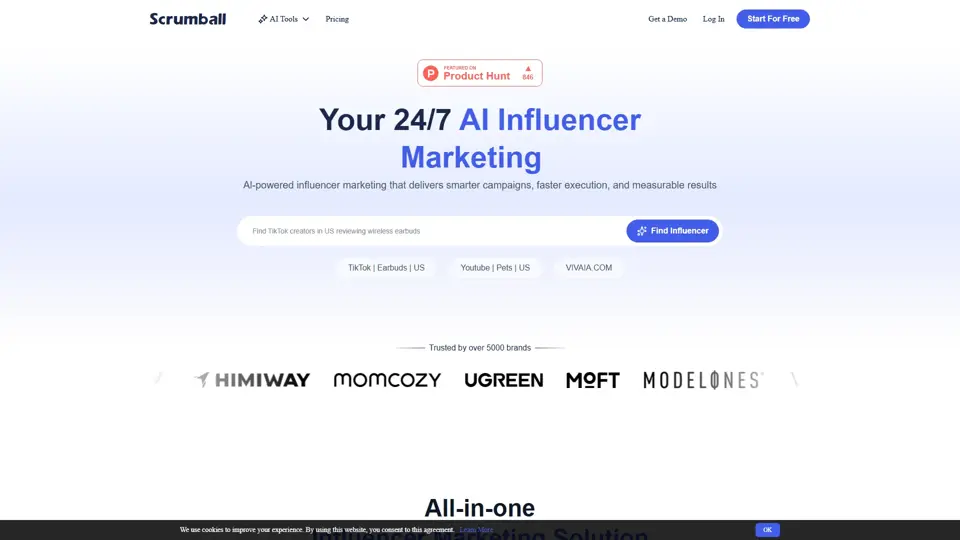
- Using AI-powered social listening tools to identify emerging conversations in a brand's category before they peak
- Auto-generating alt text and accessibility descriptions for visual content at scale
Recommended AI Stack
Content generation
- ChatGPT (GPT-4o) or Claude 3.5 Sonnet — caption writing, ideation, repurposing, brand voice drafts
- Jasper — for teams needing brand voice training and multi-user content workflows
Visual creation
- Adobe Firefly — best for brand-safe, commercially licensed image generation integrated into Creative Cloud
- Canva Magic Studio — accessible AI design for teams without dedicated designers
- Midjourney — highest quality generative imagery for campaigns with creative latitude
Video
- Opus Clip — automated short-form clip extraction with engagement scoring
- Descript — AI-powered video editing, transcription, and repurposing
- CapCut (Business) — TikTok-native editing with AI features built for social formats
Scheduling and analytics
- Metricool — strong multi-platform scheduling with AI posting time recommendations
- Sprout Social — enterprise-grade analytics with AI-assisted reporting
- Later — visual calendar with AI caption suggestions, strong for Instagram-first teams
Trend and listening
- Brandwatch or Talkwalker — AI-powered social listening and trend detection
- TrendTok Analytics — TikTok-specific trend forecasting
Workflow and planning
- Notion AI — editorial calendar management, brief generation, content planning
- Airtable with AI integrations — content pipeline management for larger teams
Risks & Challenges
Brand voice erosion: When multiple team members use AI tools without consistent prompting frameworks or brand voice guidelines, output gradually drifts from the brand's established tone. This is a slow, hard-to-detect problem that compounds over time.
Over-reliance on AI trend detection: AI tools surface trends based on historical data patterns. They consistently lag on genuinely novel cultural moments and cannot assess whether a trend is appropriate for a specific brand to engage with. Creators who defer entirely to AI trend tools will make brand-damaging missteps.
Copyright and IP exposure: AI-generated imagery trained on unlicensed data creates legal exposure that is not yet fully resolved. Brands in regulated industries or with aggressive IP protection postures need clear policies on which generative tools are approved for commercial use.
Platform algorithm unpredictability: AI-optimized content can become formulaic in ways that platforms penalize. TikTok and Instagram have both shown patterns of suppressing content that looks algorithmically engineered rather than authentic. Over-optimization is a real risk.
Skill atrophy: Creators who stop writing, designing, and editing manually lose the craft skills that make them effective editors of AI output. The ability to recognize bad AI-generated content requires the same skills as producing good human-generated content.
Measurement confusion: AI tools generate more content, which produces more data, which creates more noise in performance reporting. Teams without strong analytical frameworks will struggle to distinguish signal from volume.
Vendor lock-in and tool fragmentation: The AI tool landscape is changing rapidly. Teams that build deep workflows around a single tool face disruption when that tool pivots, raises prices, or is acquired. Maintaining tool flexibility is a real operational consideration.
Future Outlook (3–5 Years)
Within three to five years, the Social Media Content Creator role will bifurcate into two distinct profiles with different skill requirements and market value.
The first profile is the AI-augmented content operator — a role focused on managing high-volume content pipelines using AI tools, maintaining brand consistency across automated workflows, and optimizing performance through rapid testing. This profile will be in demand at scale-focused DTC brands, agencies, and platform-native businesses. It will require strong AI tool fluency, data literacy, and editorial judgment, but will not command premium compensation because the supply of people who can do it will be large.
The second profile is the creative strategist and brand voice architect — a senior role focused on audience insight, content strategy, brand narrative, and the human judgment layer that AI cannot provide. This profile will be rarer, more valuable, and increasingly expected to have both creative and analytical depth. It will own the decisions that AI tools cannot make: what the brand stands for, which cultural moments to engage with, and how to build genuine community rather than just reach.
The middle of the market — generalist creators who do a bit of everything at moderate quality — will face the most displacement pressure. AI tools already match or exceed the output quality of average generalist creators on execution tasks. The market will reward specialization and depth.
Platform dynamics will also reshape the role. As AI-generated content floods social feeds, platforms will increasingly surface signals of authentic human presence — genuine community interaction, creator credibility, and content that demonstrates real expertise or lived experience. Creators who understand this dynamic and build content strategies around authentic differentiation will outperform those optimizing purely for AI-assisted volume.
Final Insight
The Social Media Content Creator role is not being automated — it is being restructured around a different kind of scarcity. Execution was once scarce; now it is abundant. What remains scarce is judgment: knowing what to say, when to say it, to whom, and why it matters to the brand.
The creators who will thrive are those who treat AI tools as production infrastructure — necessary, useful, and table stakes — while investing their professional development in the skills that AI cannot replicate: cultural fluency, brand stewardship, audience empathy, and strategic thinking. The ones who will struggle are those who mistake AI-assisted volume for creative value, or who resist the tools entirely and fall behind on output expectations.
The role is harder now than it was five years ago, not easier. The bar for what counts as good has risen because the bar for what counts as acceptable has been automated away.