How AI fits this role
Family Doctor in the Age of AI: How Artificial Intelligence Is Reshaping Primary Care
Role Overview
A family doctor — also called a general practitioner (GP) or primary care physician — serves as the first point of contact in the healthcare system. They manage a broad spectrum of conditions across all age groups: chronic disease management, acute illness, preventive care, mental health screening, and care coordination with specialists.
In practice, a family doctor's day is a relentless sequence of 10–20 minute appointments, each requiring rapid clinical reasoning, patient communication, documentation, and follow-up coordination. The administrative burden is severe: studies consistently show that for every hour of patient contact, physicians spend nearly two hours on documentation, referrals, and inbox management. Burnout rates in primary care are among the highest in medicine, and physician shortages in rural and underserved areas are worsening.
The operational environment is shaped by fee-for-service or capitation payment models, electronic health record (EHR) systems that were designed for billing rather than clinical workflow, and increasing patient complexity as populations age. Family doctors are simultaneously expected to be clinicians, care coordinators, patient educators, and business operators — often within a small independent practice or a large health system with its own administrative demands.
How AI Is Transforming This Role
AI is entering primary care not as a single product but as a layer of capability embedded across the clinical workflow — from the moment a patient books an appointment to the point a prescription is sent to the pharmacy.
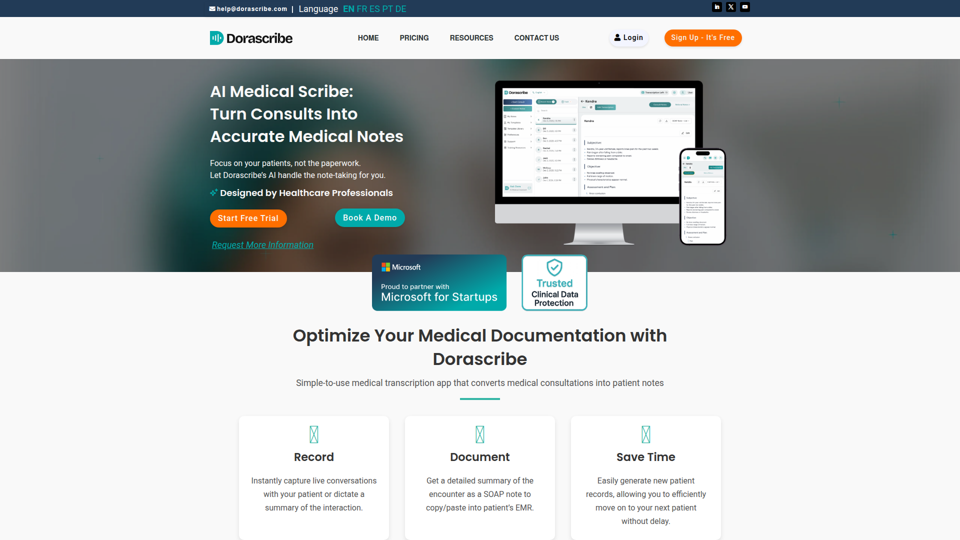
The most immediate transformation is in documentation. Ambient clinical intelligence tools like Nuance DAX, Suki, and Abridge use real-time speech recognition and large language models to listen to patient-physician conversations and generate structured clinical notes automatically. This is not dictation software. These tools understand clinical context, map conversation to SOAP note format, and populate EHR fields without the physician typing a word. Early adopters report saving 60–90 minutes per day on documentation — time that translates directly into more patient appointments or reduced after-hours charting.
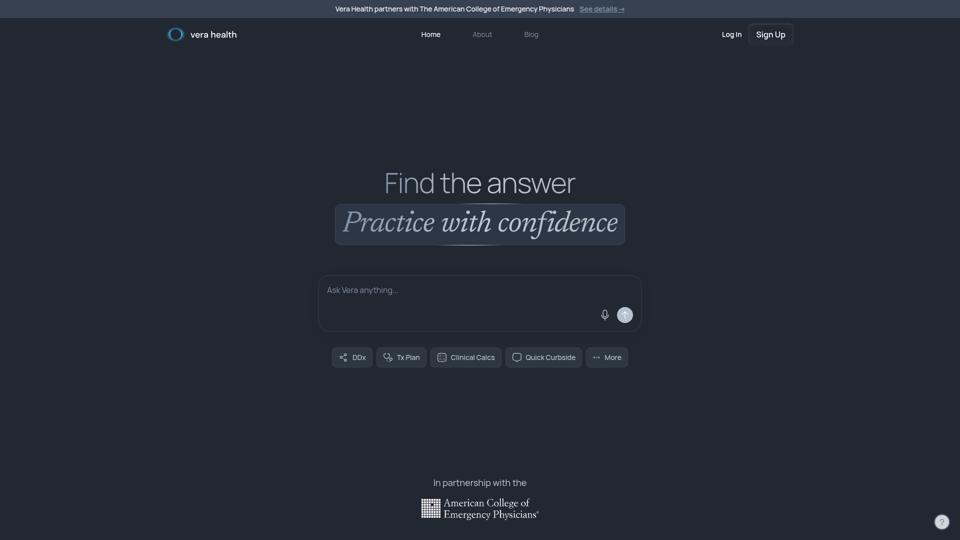
Diagnostic decision support is the second major shift. AI tools embedded in EHRs — or integrated via API — flag potential diagnoses the physician may not have considered, surface relevant clinical guidelines at the point of care, and alert to drug interactions or contraindications in real time. This is not replacing clinical judgment; it is functioning as a second-opinion layer that catches errors of omission in high-volume, time-pressured environments.
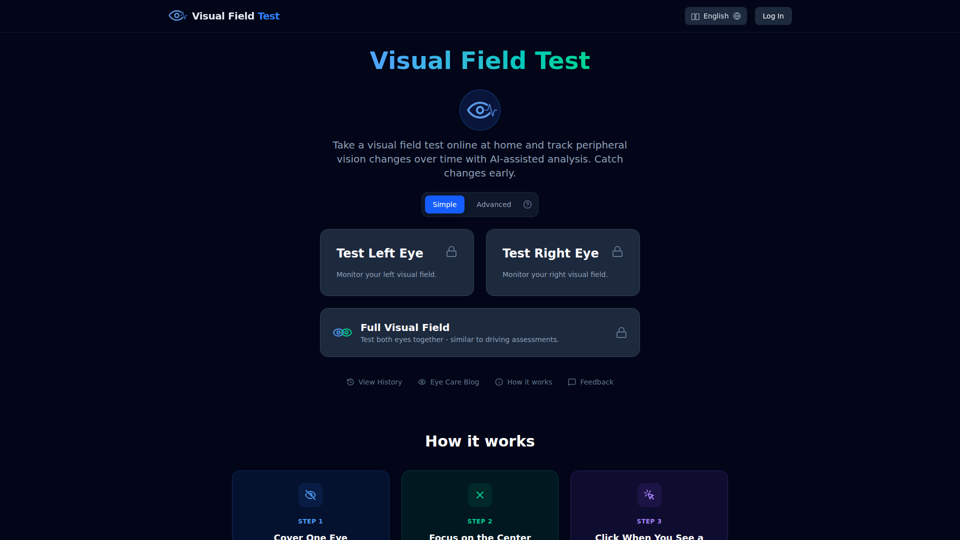
Chronic disease management is being restructured by remote patient monitoring (RPM) and AI-driven care gap analysis. Patients with diabetes, hypertension, or heart failure can now transmit biometric data continuously, with AI algorithms flagging deterioration before it becomes an emergency. The family doctor's role shifts from reactive appointment-based care to proactive population health management — reviewing AI-generated alerts and intervening before the patient even calls.
Tasks AI Can Automate
- Clinical documentation: Generating SOAP notes, visit summaries, and after-visit instructions from ambient audio capture
- Prior authorization drafting: Pulling relevant clinical data and generating insurance justification letters
- Referral letter generation: Drafting specialist referral letters from structured EHR data
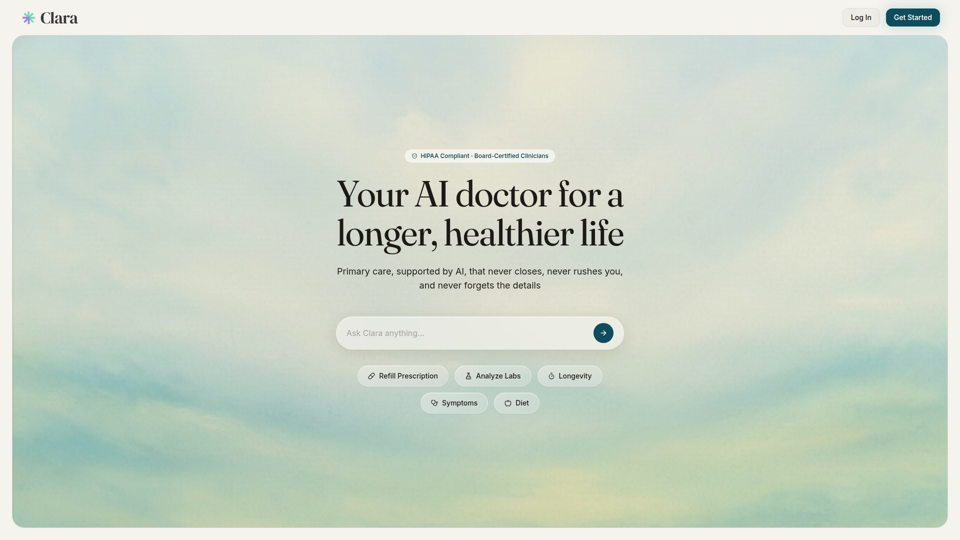
- Prescription refill triage: Identifying routine refill requests that meet protocol criteria and routing them for one-click approval
- Care gap identification: Scanning patient panels to flag overdue screenings, vaccinations, or lab work
- Inbox triage: Categorizing patient portal messages by urgency and drafting response templates for physician review
- Coding and billing suggestions: Recommending ICD-10 and CPT codes based on documented visit content
- Lab result interpretation summaries: Generating plain-language summaries of routine lab panels for patient communication
- Appointment scheduling optimization: Matching appointment type and duration to patient need based on intake data
- Population health reporting: Aggregating panel-level data for quality metrics and payer reporting
Skills Becoming More Valuable
Diagnostic reasoning under uncertainty. AI tools perform well on pattern-matched presentations. The undifferentiated patient — the one with fatigue, weight loss, and vague abdominal discomfort — still requires a physician who can hold ambiguity, sequence investigations thoughtfully, and know when to act without complete information.
Therapeutic relationship and communication. Patients are increasingly health-literate and arrive with AI-generated differential diagnoses from consumer tools. The family doctor's ability to contextualize, correct, reassure, and motivate behavior change is not replicable by any current AI system. Motivational interviewing, shared decision-making, and delivering difficult news remain deeply human competencies.
Care coordination and system navigation. As care becomes more fragmented across specialists, telehealth platforms, and remote monitoring services, the family doctor's role as an integrator — someone who understands the whole patient and can navigate a complex system on their behalf — becomes more valuable, not less.
AI output interpretation and oversight. Physicians who understand the limitations of AI-generated suggestions — who can recognize when a diagnostic alert is a false positive, when an ambient note has misrepresented clinical nuance, or when an algorithm's training data doesn't reflect their patient population — will be significantly more effective than those who treat AI output as ground truth.
Chronic disease coaching and behavioral medicine. As AI handles more of the transactional elements of care, the physician's comparative advantage shifts toward the complex behavioral and psychosocial dimensions of chronic disease that algorithms cannot address.
Skills Becoming Less Important
- Manual clinical documentation and transcription: Ambient AI makes typing notes during or after visits increasingly obsolete
- Memorizing drug dosing tables and interaction lists: Real-time clinical decision support makes exhaustive pharmacological memorization less critical than knowing how to interpret and apply the alerts
- Routine lab result review for stable patients: AI-driven monitoring and automated flagging reduces the need for physicians to manually scan every result in a large panel
- Basic triage and appointment routing: AI-powered intake tools and symptom checkers are handling initial patient stratification with increasing accuracy
- Generating referral and prior authorization paperwork from scratch: Template generation and auto-population from EHR data is largely automatable
- Manually tracking preventive care schedules: Population health dashboards make this a system function rather than a physician memory task
Current AI Adoption in This Industry
Adoption in primary care is uneven and heavily shaped by practice size and health system affiliation. Large integrated health systems — Kaiser Permanente, Mayo Clinic, Geisinger — have the infrastructure and capital to deploy AI tools at scale and are running active pilots across ambient documentation, predictive risk stratification, and chronic disease management.
Independent and small-group practices face a different reality. EHR switching costs are high, AI tool integration requires IT infrastructure many small practices lack, and the ROI calculation is harder when margins are already thin. Many family doctors in independent practice are still using EHR systems that were designed in the 2010s and have bolted-on AI features that don't integrate cleanly with their workflow.
Ambient documentation is the fastest-adopted AI application in primary care as of 2024–2025. Nuance DAX Copilot has been deployed across hundreds of health systems in the US, and competitors including Suki, Abridge, and DeepScribe are gaining ground. Physician satisfaction scores for these tools are notably high — a rare outcome in health IT — because they address the single most painful part of the job.
Diagnostic AI adoption is more cautious. Tools like Glass AI, Isabel DDx, and EHR-embedded decision support are used, but physicians remain appropriately skeptical of black-box recommendations, and liability frameworks for AI-assisted diagnosis are still being established.
Remote patient monitoring with AI-driven alerting is growing rapidly in chronic disease management, driven partly by CMS reimbursement codes (CPT 99453–99458) that make RPM financially viable for primary care practices.
Future Workflow Evolution
The family doctor's workflow in 2027–2028 will look structurally different from today's, even if the core clinical role remains intact.
The pre-visit phase will be largely AI-mediated. Patients will complete AI-driven intake that captures symptoms, updates medication lists, flags care gaps, and generates a pre-visit summary for the physician. The doctor will arrive at the appointment already briefed, with a suggested agenda and relevant clinical context surfaced automatically.
The visit itself will be shorter for transactional encounters and longer for complex ones. Ambient AI handles documentation in real time, freeing the physician to maintain eye contact, ask deeper questions, and focus on the therapeutic relationship. Routine follow-ups for stable chronic disease patients may shift to AI-assisted asynchronous care — the patient submits data, the AI generates a summary and suggested plan, and the physician reviews and approves without a synchronous visit.
Post-visit work — the inbox, the prior auths, the referral letters, the results review — will be substantially automated. The physician's role becomes one of review and exception handling rather than generation and routing.
The panel management model will shift from reactive to predictive. AI will continuously monitor the physician's entire patient panel, flagging individuals at elevated risk for hospitalization, disease progression, or care gap accumulation. The family doctor becomes a population health manager as much as an individual clinician.
Common AI Use Cases
Ambient clinical documentation (Nuance DAX, Abridge, Suki) Real-time conversation capture and structured note generation. The physician reviews and approves rather than authors the note. Reduces documentation time by 50–70% in documented deployments.
Chronic disease risk stratification AI models trained on EHR data identify patients with diabetes, hypertension, or COPD who are at elevated risk for near-term hospitalization or disease progression. Enables proactive outreach before crisis.
Remote patient monitoring with AI alerting Continuous biometric data from wearables or home devices is analyzed by AI algorithms. Alerts are generated when readings fall outside individualized thresholds, triggering physician review or nurse outreach.
AI-assisted diagnostic support Tools like Isabel DDx or Glass AI generate differential diagnosis lists from structured symptom and history data. Most useful for atypical presentations or rare conditions outside the physician's typical case mix.
Patient portal message triage and drafting AI categorizes incoming messages by urgency, routes them appropriately, and drafts response templates for physician review. Reduces inbox burden significantly in high-volume practices.
Preventive care and quality gap reporting AI scans the patient panel against payer quality metrics (HEDIS measures, for example) and generates outreach lists for overdue screenings, vaccinations, and chronic disease monitoring.
Prior authorization automation AI tools pull relevant clinical documentation and generate insurance justification letters, reducing the administrative time spent on one of primary care's most frustrating tasks.
Recommended AI Stack
Ambient documentation
- Nuance DAX Copilot (deep Epic integration, enterprise-grade)
- Abridge (strong accuracy, growing health system adoption)
- Suki (better suited for smaller practices, more flexible EHR integration)
Clinical decision support
- Isabel DDx (differential diagnosis generation)
- UpToDate with AI-assisted search (evidence-based point-of-care guidance)
- Epic's embedded AI features (for Epic-based practices)
Remote patient monitoring
- Biofourmis (AI-driven RPM for chronic disease)
- Current Health (continuous monitoring with predictive alerting)
- Withings Health Solutions (consumer-grade devices with clinical-grade data pipelines)
Population health and care gap management
- Arcadia (population health analytics)
- Health Catalyst (data platform with AI-driven insights)
- Innovaccer (care gap identification and outreach automation)
Administrative automation
- Cohere Health (prior authorization AI)
- Olive (workflow automation for administrative tasks)
- Klara (patient communication and inbox management)
Risks & Challenges
Liability and accountability gaps. When an AI-generated note contains a clinical inaccuracy, or a diagnostic support tool misses a diagnosis, the legal and ethical accountability framework is still being written. Physicians who approve AI-generated content without careful review are exposed to liability they may not fully appreciate.
Alert fatigue and automation bias. As AI tools generate more flags, alerts, and suggestions, the risk of physicians becoming desensitized to warnings increases. Automation bias — the tendency to over-trust algorithmic output — is a documented cognitive risk in high-volume, time-pressured environments.
Data quality and EHR fragmentation. AI tools are only as good as the data they train and operate on. Primary care EHR data is notoriously messy — inconsistent coding, incomplete problem lists, fragmented records from multiple systems. AI tools deployed on poor-quality data will generate poor-quality outputs, and physicians may not always recognize when this is happening.
Equity and bias in AI models. Many clinical AI models have been trained on datasets that underrepresent minority populations, rural patients, and patients with limited English proficiency. Deploying these tools without understanding their demographic limitations risks amplifying existing health disparities.
Integration complexity and switching costs. The primary care technology landscape is fragmented. AI tools that work well in Epic may not integrate with Athenahealth or eClinicalWorks. Small practices face significant implementation friction and may lack the IT support to troubleshoot integration failures.
Patient trust and the perception of depersonalization. Some patients are uncomfortable knowing that AI is listening to their conversations or generating their care plans. Managing patient expectations and maintaining trust in an AI-augmented practice requires deliberate communication strategies.
Future Outlook: 3–5 Years
By 2028, ambient documentation will be a standard feature of primary care practice rather than a differentiator — the equivalent of what EHR adoption was in the 2010s. Practices that haven't adopted it will be at a competitive disadvantage in physician recruitment, since younger physicians will expect it.
The visit structure will bifurcate more sharply. Routine, protocol-driven encounters — medication refills, stable chronic disease follow-ups, straightforward acute illness — will increasingly shift to asynchronous AI-assisted care or advanced practice providers supported by AI tools. The family doctor's synchronous time will be reserved for complex, undifferentiated, or high-stakes encounters where clinical judgment and therapeutic relationship are irreplaceable.
Physician panel sizes will likely increase as AI absorbs administrative and transactional work, creating pressure from health systems and payers to see more patients. This is a double-edged outcome: it may improve access but could also erode the quality of complex care if not managed carefully.
The regulatory environment will tighten. The FDA's framework for AI/ML-based software as a medical device (SaMD) is evolving, and physicians will need to understand which AI tools they use are regulated, what their intended use limitations are, and what post-market surveillance obligations exist.
Primary care physicians who thrive in this environment will be those who develop genuine AI literacy — not the ability to build models, but the ability to critically evaluate AI outputs, understand where algorithms fail, and integrate AI tools into a workflow that preserves the clinical judgment and human connection that define excellent primary care.
Final Insight
The family doctor is not being replaced by AI. But the family doctor who ignores AI will be replaced by one who uses it well.
The core value of primary care — a trusted clinician who knows the whole patient, can reason across complexity, and can navigate an increasingly fragmented system on the patient's behalf — is not something any current AI system can replicate. What AI can do is remove the administrative and transactional burden that has been slowly destroying the profession's sustainability and driving its practitioners toward burnout.
The strategic imperative for family doctors is not to resist this transformation but to shape it: to adopt tools that genuinely reduce burden without compromising clinical quality, to maintain the critical oversight that prevents AI errors from becoming patient harm, and to double down on the distinctly human dimensions of care that no algorithm will master in the next decade.
The physicians who will define primary care in 2030 are the ones who treat AI as a clinical tool to be understood and managed — not a threat to be feared or a solution to be trusted uncritically.