How AI fits this role
Pediatrician
Role Overview
A pediatrician is a licensed physician specializing in the physical, behavioral, and developmental health of patients from birth through adolescence, typically up to age 18. In practice, most pediatricians operate in one of three settings: outpatient primary care clinics, hospital-based inpatient units, or subspecialty practices covering areas like pediatric cardiology, endocrinology, or neurology.
The outpatient primary care pediatrician carries the highest patient volume and the broadest scope. A typical day involves well-child visits structured around AAP (American Academy of Pediatrics) periodicity schedules, acute sick visits for infections, rashes, and injuries, vaccine administration, developmental screening using tools like the M-CHAT or ASQ, and chronic disease management for conditions like asthma, ADHD, and obesity. Pediatricians also serve as the first line of detection for child abuse, mental health disorders, and rare genetic conditions — roles that require clinical judgment, family trust, and contextual sensitivity that no algorithm currently replicates.
The business pressure on pediatricians is real and intensifying. Reimbursement rates for primary care pediatrics are among the lowest in medicine. Practices face staffing shortages, rising administrative burden, and increasing demand for behavioral and mental health services that fall outside traditional training. The average pediatrician spends roughly 40% of their working hours on documentation and administrative tasks — time that does not generate revenue and does not serve patients.
How AI Is Transforming This Role
AI is entering pediatric practice through three distinct channels: clinical decision support embedded in EHR systems, ambient documentation tools that reduce charting burden, and population health analytics that surface at-risk patients before they present acutely.
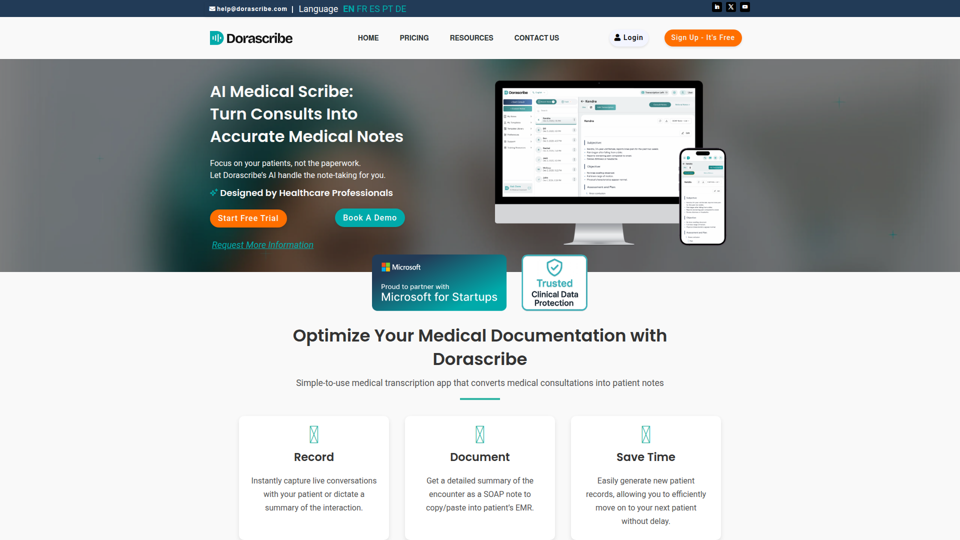
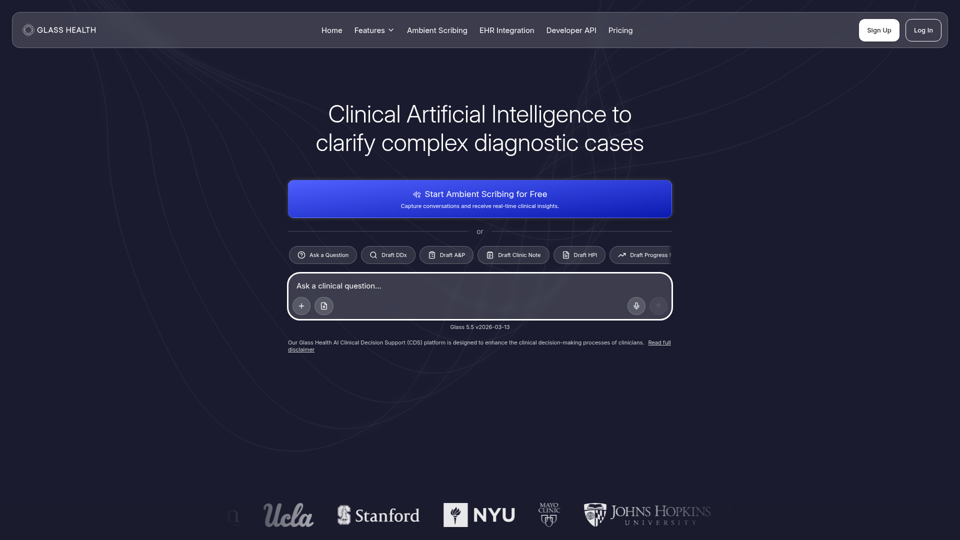
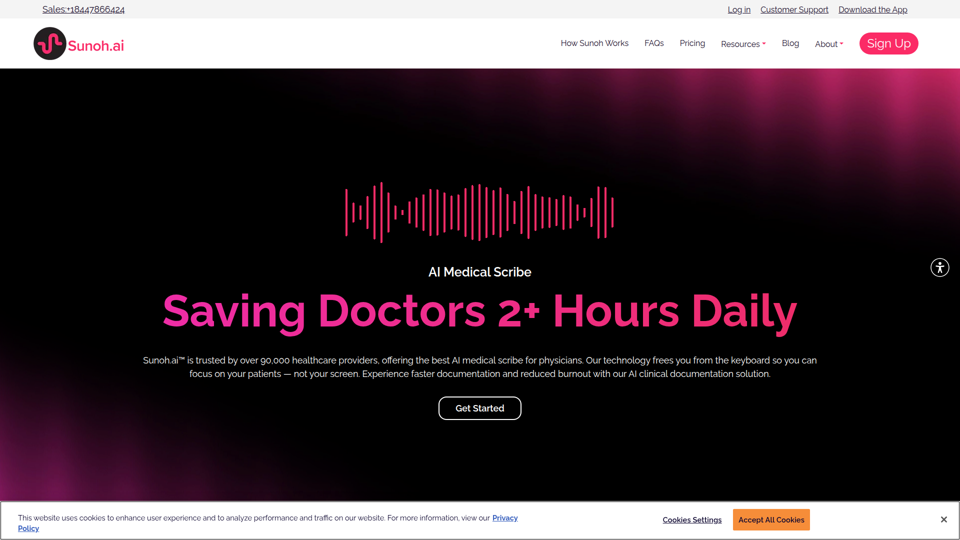
The most immediate and commercially deployed transformation is in documentation. Ambient AI scribes — tools like Nuance DAX, Abridge, and Suki — listen to the patient encounter and generate a structured clinical note in real time. For a pediatrician seeing 25–30 patients per day, this eliminates the 2–3 hours of after-hours charting that has become a primary driver of physician burnout. The note still requires physician review and attestation, but the cognitive load of translating a conversation into ICD-10-coded, payer-compliant documentation shifts substantially.
Clinical decision support is evolving beyond simple drug interaction alerts. AI-powered tools embedded in Epic and Oracle Health now flag growth chart deviations, missed developmental milestones, and vaccination gaps at the point of care — surfacing information that previously required the physician to manually cross-reference multiple data points. In practices using these tools, the physician's role shifts from data retrieval to data interpretation and family communication.
Population health AI is changing how pediatric practices manage chronic disease panels. Rather than waiting for a patient with poorly controlled asthma to present in crisis, AI-driven outreach tools identify patients overdue for follow-up, flag pharmacy refill gaps, and prioritize care management outreach. This is particularly relevant in Federally Qualified Health Centers (FQHCs) and large pediatric group practices operating under value-based care contracts.
Tasks AI Can Automate
- Clinical documentation: Generating SOAP notes, after-visit summaries, and referral letters from ambient audio capture during encounters
- Vaccine schedule management: Automatically identifying immunization gaps against CDC/ACIP schedules and generating due-date alerts
- Developmental screening scoring: Interpreting M-CHAT-R, ASQ, and MCHAT follow-up questionnaires and flagging scores requiring clinical review
- Growth chart analysis: Detecting crossing of percentile lines, BMI trajectory concerns, and head circumference anomalies against WHO/CDC norms
- Prior authorization drafting: Generating supporting documentation for medication and referral authorizations based on chart data
- Prescription refill triage: Routing refill requests for stable chronic conditions (ADHD medications, inhaled corticosteroids) through protocol-based approval workflows
- Patient message triage: Classifying incoming portal messages by urgency and routing to appropriate staff or generating draft responses for physician review
- Coding and billing suggestions: Recommending CPT and ICD-10 codes based on documented encounter content
- Care gap identification: Scanning patient panels for overdue well visits, screenings, and lab follow-ups
Skills Becoming More Valuable
Diagnostic reasoning under uncertainty. AI flags anomalies; it does not synthesize the full clinical picture. A pediatrician who can integrate a subtle behavioral change, a family history detail mentioned in passing, and an ambiguous lab result into a working diagnosis becomes more valuable as AI handles the routine signal detection.
Family communication and health literacy translation. Explaining a new ADHD diagnosis to a skeptical parent, navigating vaccine hesitancy, or delivering a serious diagnosis to a family requires emotional intelligence, cultural competency, and trust-building that AI cannot replicate. As AI handles more administrative interaction, the human encounters that remain carry higher stakes.
Behavioral and mental health integration. Pediatric mental health demand has outpaced supply for years. Pediatricians who can competently screen, initiate treatment, and co-manage anxiety, depression, and ADHD — rather than reflexively referring — are increasingly valuable in both independent and health system settings.
Complex care coordination. Children with medical complexity (CMC) — those with multiple chronic conditions, technology dependence, or rare diseases — require coordination across dozens of specialists, therapists, and community services. This coordination work is relationship-intensive and judgment-heavy in ways that resist automation.
AI output validation. As AI-generated notes and decision support become standard, the ability to critically review AI outputs for clinical accuracy, omission, and bias becomes a core competency rather than an optional skill.
Skills Becoming Less Important
Rote memorization of vaccine schedules and dosing tables. These are now reliably surfaced at the point of care by EHR-integrated tools. The cognitive overhead of maintaining this knowledge manually is declining in practical value.
Manual growth chart plotting and percentile calculation. EHR systems handle this automatically. The skill that matters now is interpreting the trend, not generating it.
Dictation and transcription. Traditional dictation workflows are being displaced by ambient AI documentation. Physicians who built speed and efficiency around dictation will need to adapt to review-and-attest workflows.
Routine triage phone calls. AI-assisted nurse triage tools and symptom checkers are handling an increasing share of after-hours and same-day triage, reducing the volume of calls that escalate to physician judgment.
Basic coding knowledge for common encounters. AI coding assistants embedded in EHRs are reducing the need for physicians to maintain detailed working knowledge of CPT and ICD-10 hierarchies for standard visit types.
Current AI Adoption in This Industry
Adoption in pediatric primary care is uneven and largely driven by practice size and EHR infrastructure. Large pediatric group practices and children's hospital-affiliated outpatient networks are furthest along, primarily because they have the IT infrastructure and contract leverage to deploy and integrate tools like Nuance DAX or Epic's AI features.
Independent pediatric practices — which still represent a significant share of the market — face higher barriers. The cost of ambient documentation tools ($100–$300/month per physician), integration complexity with legacy EHR systems, and limited IT support slow adoption. Many independent pediatricians are using AI informally: ChatGPT or similar tools for drafting patient education materials, explaining complex diagnoses in plain language, or generating prior authorization appeal letters.
Telehealth platforms serving pediatrics, including those focused on behavioral health (Brightline, Hazel Health), have integrated AI more aggressively for intake, symptom collection, and care matching. These platforms are effectively demonstrating what AI-augmented pediatric care looks like at scale, and their workflows are influencing expectations in traditional practice settings.
Payer pressure is also accelerating adoption. Value-based care contracts that reward quality metrics — well-child visit rates, developmental screening completion, asthma control — create financial incentives for the population health AI tools that surface care gaps and drive outreach.
Future Workflow Evolution
The pediatric encounter of 2027–2028 will look structurally different from today's. The physician enters the room without a laptop or tablet. Ambient AI captures the conversation, generates a structured note, suggests relevant ICD-10 codes, and flags any clinical decision points — a growth concern, a missed vaccine, a developmental screening score — for physician acknowledgment before the encounter closes. The physician's attention is fully on the patient and family.
Pre-visit, AI has already reviewed the patient's chart, surfaced relevant history, and generated a visit agenda based on the periodicity schedule and any open care gaps. Post-visit, AI drafts the after-visit summary in plain language, routes referral requests, and queues any prior authorization documentation.
For chronic disease management, AI-driven care management platforms will handle between-visit monitoring. Families of children with asthma will interact with AI-powered tools that track symptom frequency, medication adherence, and trigger exposure — escalating to the physician only when the data pattern warrants clinical intervention.
The physician's time will concentrate in three areas: complex diagnostic reasoning, high-stakes family communication, and oversight of AI-generated outputs. The administrative and data-retrieval work that currently consumes 40% of physician time will compress significantly.
Common AI Use Cases
Ambient documentation (highest current adoption): Tools like Nuance DAX Copilot, Abridge, and Suki generate clinical notes from encounter audio. Pediatricians using these tools report saving 60–90 minutes of documentation time per day.
Developmental screening interpretation: AI tools that score M-CHAT-R and ASQ questionnaires, flag borderline results, and generate structured follow-up recommendations integrated into the EHR workflow.
Asthma action plan generation: AI that pulls current controller medication, recent symptom frequency, and spirometry data to generate a personalized asthma action plan draft for physician review.
ADHD management support: Tools that aggregate Vanderbilt or Conners rating scale results from parents and teachers, track medication titration history, and surface dose adjustment recommendations based on current guidelines.
Patient portal message drafting: AI that reads incoming parent messages, classifies urgency, and generates draft responses for physician or nurse review — reducing the cognitive load of inbox management.
Predictive risk stratification: Population health tools that identify children at elevated risk for ED visits, hospitalizations, or developmental delays based on claims data, EHR data, and social determinants of health.
Prior authorization automation: AI that drafts prior auth requests for ADHD medications, specialty referrals, and durable medical equipment using structured chart data, reducing the administrative time per request from 20+ minutes to under 5.
Recommended AI Stack
Ambient documentation
- Nuance DAX Copilot — deepest Epic integration, highest accuracy for pediatric encounter types
- Abridge — strong performance in complex multi-speaker encounters, good for family-present visits
- Suki — lighter-weight option with broader EHR compatibility for independent practices
EHR-integrated clinical decision support
- Epic Cognitive Computing / Predictive Risk Models — for practices on Epic, the most seamlessly integrated option
- Innovaccer — population health analytics with strong pediatric quality measure tracking
- Arcadia — value-based care analytics with care gap identification
Behavioral health and developmental screening
- Brightline (platform) — AI-assisted behavioral health intake and care matching
- Behavioral Health Integration tools within Epic and Athenahealth for in-workflow screening
Prior authorization and administrative AI
- Cohere Health — AI-driven prior auth for specialty referrals and medications
- Infinitus — AI phone agent for insurance verification and auth status follow-up
Patient communication
- Klara — AI-assisted patient messaging with draft response generation
- Luma Health — automated outreach for care gaps, appointment reminders, and recall campaigns
Risks & Challenges
Documentation accuracy in pediatric-specific contexts. Ambient AI tools trained predominantly on adult medicine encounters can misinterpret pediatric terminology, weight-based dosing discussions, and developmental milestone language. Physician review is not optional — it is a clinical and liability necessity.
Alert fatigue amplification. Adding AI-generated flags to an already alert-heavy EHR environment risks desensitization. Practices deploying clinical decision support AI need governance processes to tune alert thresholds and retire low-value notifications.
Health equity and bias. AI models trained on data from well-resourced health systems may underperform for patients from underserved communities, non-English-speaking families, or children with atypical presentations. Pediatricians in safety-net settings need to apply additional scrutiny to AI-generated recommendations.
Parent trust and transparency. Families may be uncomfortable with AI listening to clinical encounters or generating their child's medical documentation. Practices need clear consent processes and communication strategies — and physicians need to be prepared to explain what AI is and is not doing.
Liability for AI-assisted decisions. The legal framework for physician liability when an AI tool contributes to a missed diagnosis or incorrect recommendation is still developing. Pediatricians need to understand that attestation of an AI-generated note carries the same liability as a self-authored note.
Vendor lock-in and interoperability. Many AI tools are deeply integrated with specific EHR platforms. Practices that build workflows around Epic-native AI features face switching costs if they change EHR vendors — a real consideration for independent practices evaluating acquisition or affiliation.
Future Outlook (3–5 Years)
Over the next three to five years, the pediatrician's role will bifurcate more sharply between cognitive and relational work on one side, and AI-managed workflow on the other. The physicians who adapt well will experience a genuine reduction in administrative burden and a reorientation toward the clinical and interpersonal work that drew most of them to medicine.
The practices that will struggle are those that adopt AI tools without redesigning workflows around them. Dropping an ambient documentation tool into an unchanged practice structure captures only a fraction of the available benefit. The full value requires rethinking how pre-visit preparation, in-room time, and post-visit follow-up are structured.
Subspecialty pediatrics will see AI impact concentrated in diagnostic imaging interpretation (pediatric radiology AI is already FDA-cleared for several applications), genetic variant interpretation, and rare disease identification. General pediatricians will increasingly rely on AI-assisted pre-referral workups that narrow the differential before the subspecialist encounter.
The pediatric mental health crisis will drive significant AI investment in behavioral health screening, digital therapeutics, and between-visit support tools. Pediatricians will be expected to operate as behavioral health integrators to a greater degree than today, supported by AI tools that make this clinically and operationally feasible.
Workforce dynamics will shift. AI-augmented pediatricians will be able to manage larger patient panels without proportional increases in administrative staff — a meaningful economic lever for practices operating on thin margins. This will create pressure on staffing models and may accelerate consolidation among independent practices that cannot afford the AI infrastructure investment.
Final Insight
The pediatrician's core value has never been data retrieval or documentation — it has always been the synthesis of incomplete information, the navigation of family dynamics, and the clinical judgment that comes from years of pattern recognition across thousands of patients. AI is, for the first time, beginning to absorb the administrative and data-management work that has crowded out that core value.
The risk is not that AI replaces pediatricians. The risk is that practices adopt AI tools incrementally without rethinking what the physician's time is actually for — and end up with faster documentation of the same overburdened, fragmented care model. The opportunity is to use AI as the forcing function for a genuine redesign: fewer patients seen more thoroughly, more time in the room, more capacity for the behavioral and developmental complexity that defines modern pediatric practice.
Pediatricians who engage with AI as a workflow redesign problem — not just a productivity tool — will be better physicians, not just more efficient ones.