Where adoption starts
Logistics Operations Planner teams often start with repeatable tasks, research, drafting and admin work. These 7 tools show where AI can save time first before deeper workflow changes.

See how AI tools and workflows are reshaping Logistics Operations Planner. Review the latest tools, compare opinions, and generate a practical workflow for this role.
How do you think AI will affect this role?
Ready to explore an AI-optimized workflow for your role? Click to discover or generate one.
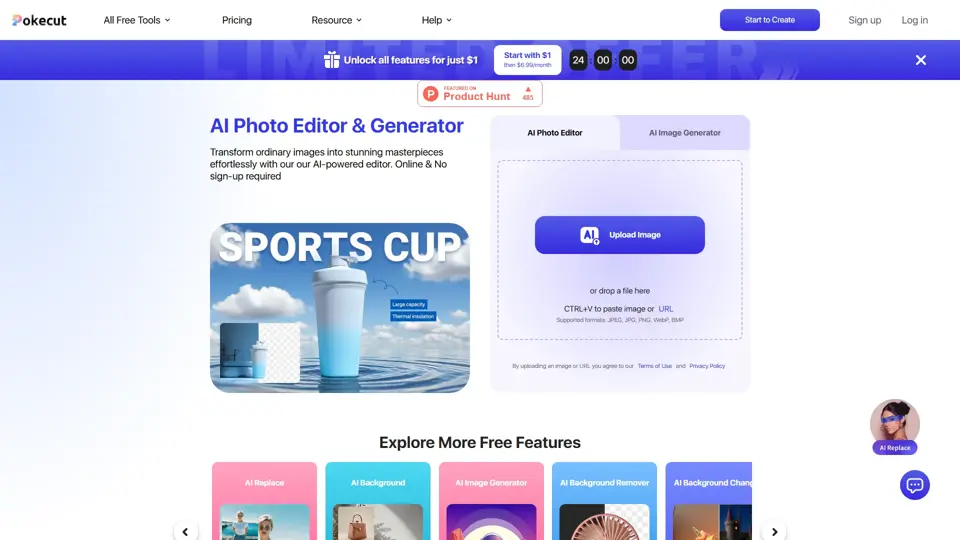
Pokecut is an AI photo editor that helps users remove backgrounds, enhance images, and generate visuals online, mainly for ecommerce sellers, marketers, and creators who need quick design-ready assets. It speeds up routine image production so visual teams can create polished content with less manual editing.
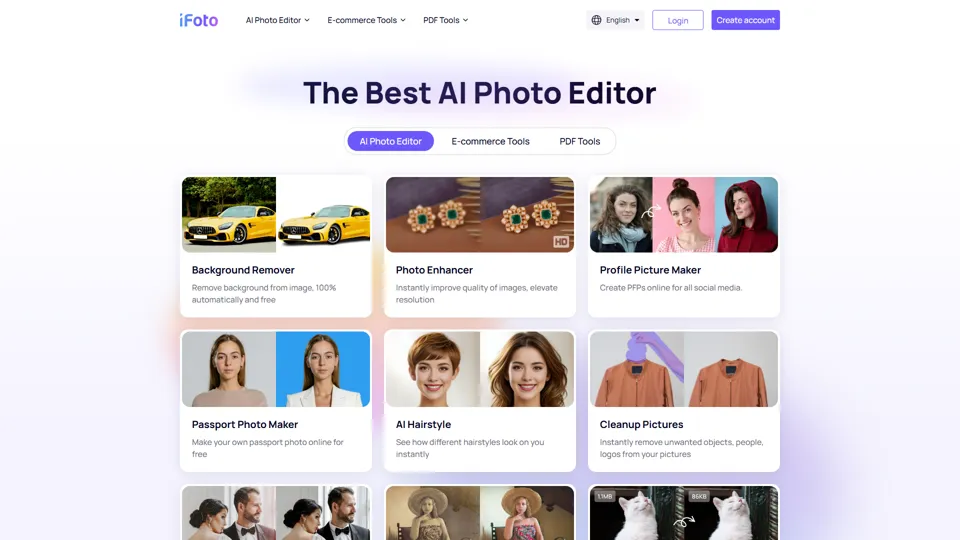
iFoto is an AI photo editing studio that helps users enhance images, change backgrounds, and create polished visuals online, mainly for eCommerce sellers, marketers, and content creators. It speeds up creative production for merchandising and marketing teams without requiring advanced design skills.
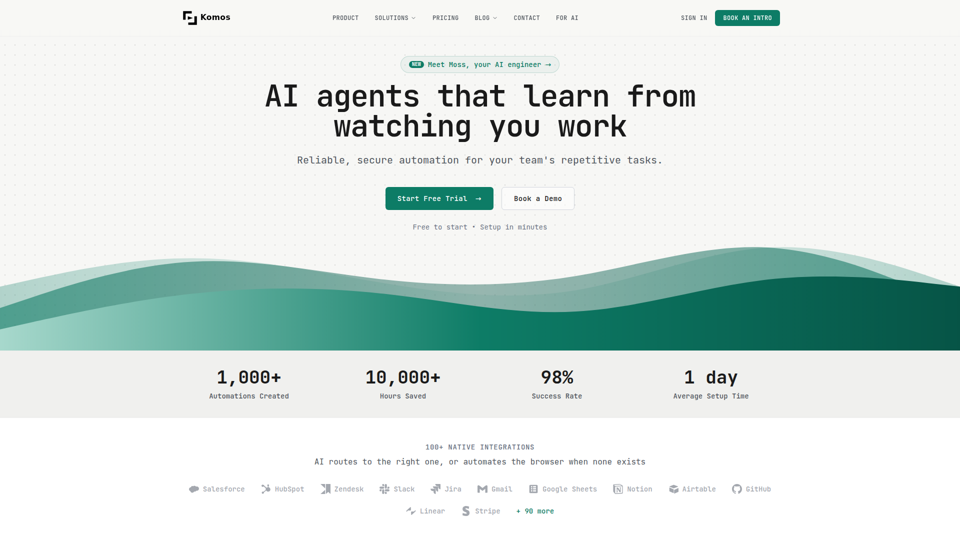
Komos is an AI automation platform that learns repetitive browser and SaaS tasks by watching users work, then builds editable workflows and APIs for teams in operations-heavy functions such as legal, finance, healthcare, HR, and supply chain. In AI-enabled operations, it can help specialists reduce manual portal work, document handling, and compliance steps while keeping workflows visible, auditable, and under team control.
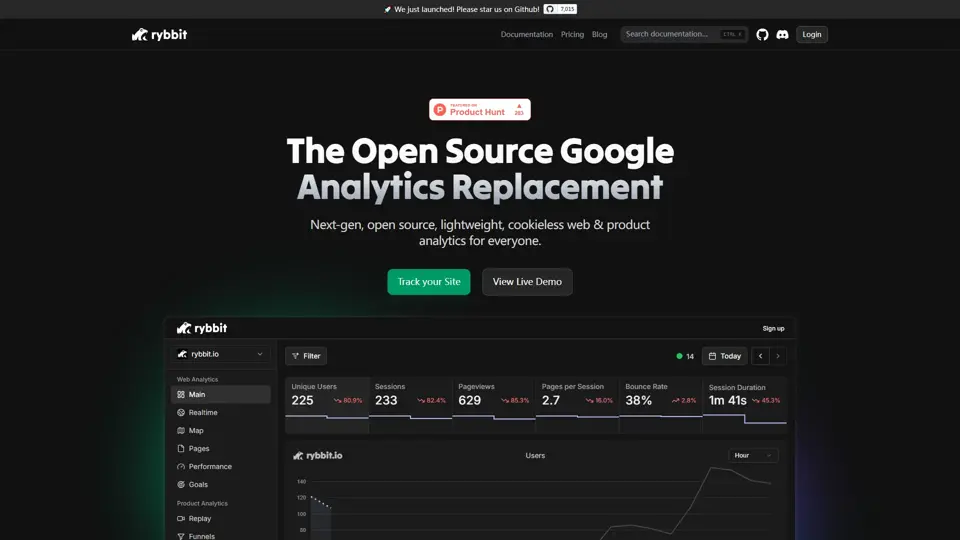
Rybbit Analytics is an open-source, lightweight, cookieless web and product analytics platform that helps teams measure user behavior while supporting privacy compliance, mainly for startups, product teams, and marketers. In the AI era, it gives growth and product roles cleaner first-party signals for faster, privacy-conscious decision-making.
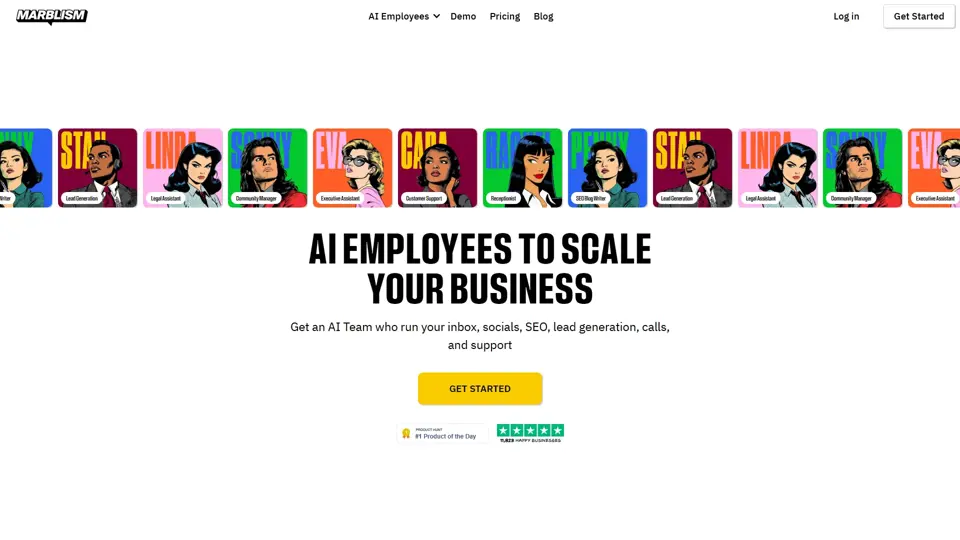
Marblism provides AI employees that help businesses manage inboxes, create social content, write SEO articles, and generate leads, mainly for small teams and growing companies. In the AI era, it allows operators and marketers to scale routine execution without hiring separate specialists for every function.
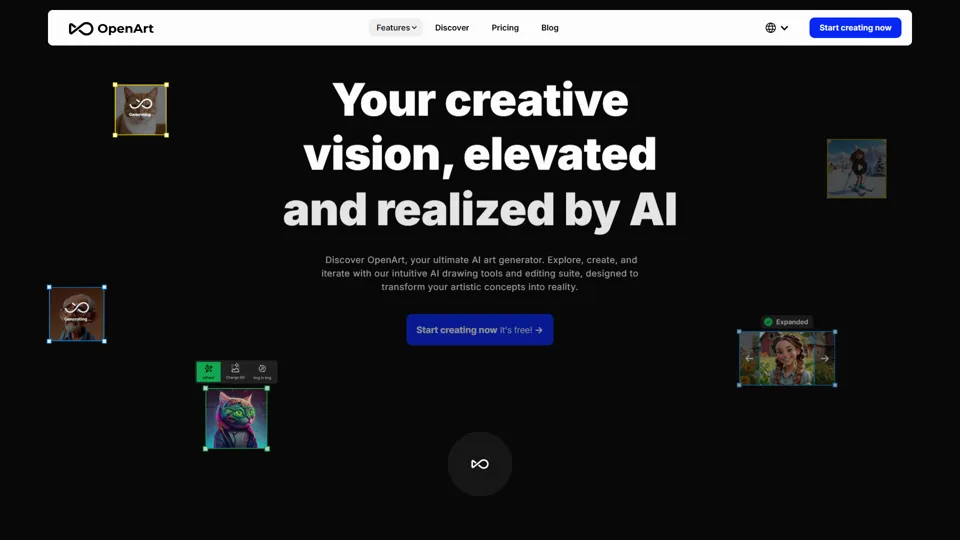
OpenArt is an AI image generation and editing platform that helps artists, designers, and content creators turn text prompts into visuals and refine them with creative tools. It enables creative teams to explore concepts, iterate faster, and produce more visual options without expanding production time.
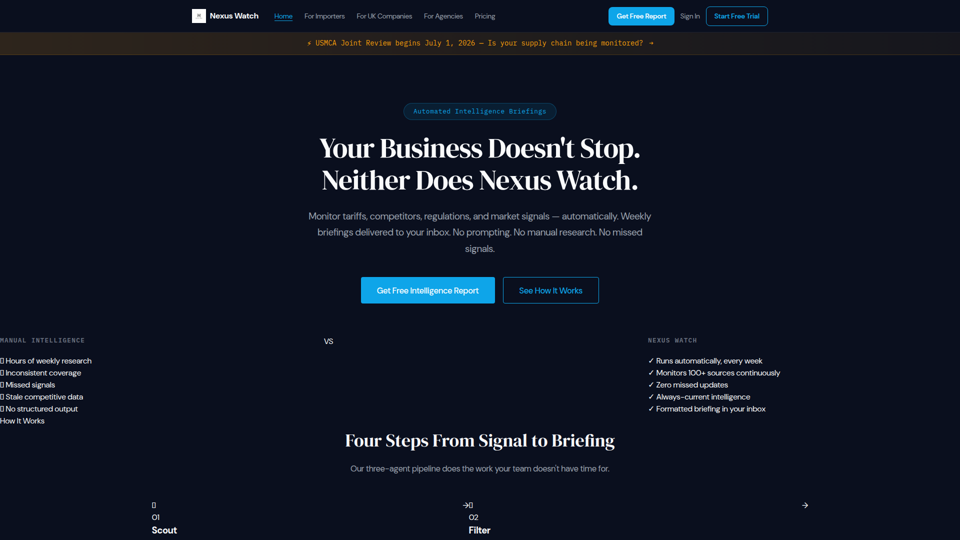
Nexus Watch is an automated trade and competitive intelligence tool that monitors tariffs, competitors, regulations, and market signals, then delivers structured briefings for US importers, manufacturers, UK growth companies, and agencies. In AI-assisted strategy and compliance work, it can help supply chain, market intelligence, and consulting teams reduce manual research and act faster on emerging risks and competitive changes.
This page helps you evaluate how Logistics Operations Planner teams can adopt AI in practice. Review 7 relevant tools, compare nearby roles and identify where automation supports real work without weakening quality.
Logistics Operations Planner teams often start with repeatable tasks, research, drafting and admin work. These 7 tools show where AI can save time first before deeper workflow changes.
When shortlisting tools for Logistics Operations Planner, compare output quality, multilingual support, collaboration features, integrations and how quickly the tool fits into the current team workflow.
AI can accelerate execution for Logistics Operations Planner, but judgment, accountability, relationship management and final approval usually remain strongest when led by humans.
Browse adjacent professions, overlapping workflows and related AI tool demand around Logistics Operations Planner. These links help you compare how nearby roles are adopting AI.