How AI fits this role
Food Enthusiast in the Age of AI: How Technology Is Reshaping Culinary Passion and Expertise
Role Overview
The food enthusiast occupies a unique space between professional expertise and passionate consumption. This role spans food bloggers, recipe developers, culinary content creators, amateur chefs, food critics, and home cooks who have built audiences, influence, or income around their relationship with food. In commercial terms, the highest-volume expression of this role is the food content creator — someone who develops recipes, produces visual content, writes reviews, and builds community across platforms like Instagram, YouTube, TikTok, Substack, and personal blogs.
Food enthusiasts operate at the intersection of culture, craft, and commerce. They translate culinary knowledge into accessible content, influence purchasing decisions for ingredients, cookware, and restaurants, and serve as trusted voices in a fragmented media landscape where traditional food journalism has largely collapsed. Many monetize through brand partnerships, affiliate revenue, cookbook deals, online courses, and Patreon-style subscriptions.
The operational reality is demanding: consistent content production, recipe testing across multiple iterations, food photography and video editing, SEO-driven writing, audience engagement, and staying current with food trends — all typically managed by one or two people.
How AI Is Transforming This Role
AI is not replacing the food enthusiast's palate or lived experience, but it is fundamentally restructuring how they work. The transformation is happening across three pressure points: content production speed, discoverability, and audience personalization.
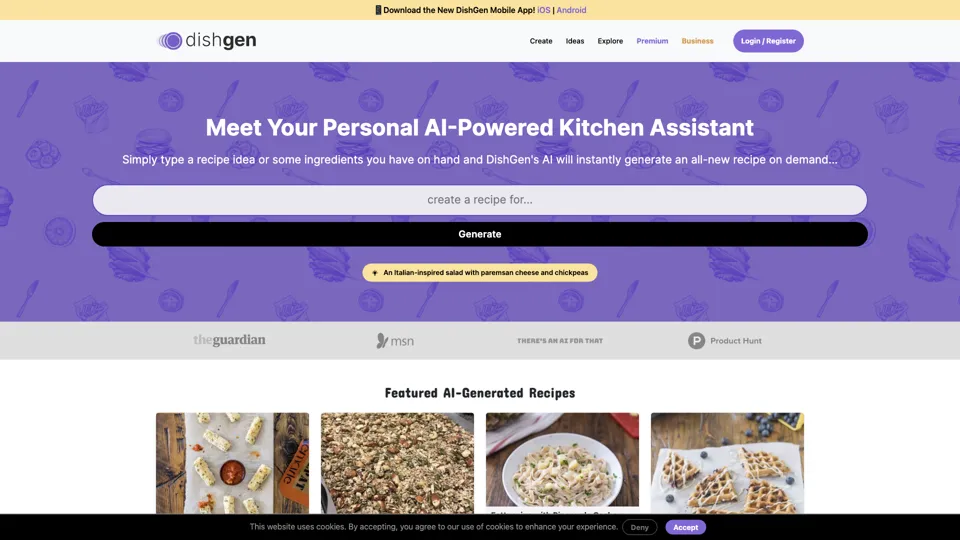
Recipe development workflows are changing. AI tools can now generate recipe drafts, suggest ingredient substitutions based on dietary restrictions or pantry constraints, and flag nutritional profiles — tasks that previously required either deep knowledge or time-consuming research. This shifts the food enthusiast's role from information gatherer to editor and taste arbiter.
On the content side, AI writing assistants are compressing the time between recipe testing and publication. A food blogger who once spent two hours writing a headnote, SEO metadata, and social captions can now produce that output in 20 minutes, redirecting energy toward the parts of the job that actually require human judgment: the cooking, the tasting, the storytelling.
Search behavior is also shifting. Google's AI Overviews now surface recipe summaries directly in search results, reducing click-through rates to food blogs. This is creating commercial pressure on food enthusiasts who depend on organic search traffic, forcing a pivot toward owned audiences, video-first platforms, and niche authority rather than broad keyword coverage.
Tasks AI Can Automate
- Recipe drafting and variation generation — AI can produce structurally sound recipe drafts from a prompt, including ingredient ratios, method steps, and timing. Human testing and refinement remain essential, but the blank-page problem is largely solved.
- Ingredient substitution lookup — Dietary restriction accommodations (gluten-free, vegan, low-FODMAP) that once required research or community knowledge are now instant AI outputs.
- SEO metadata and keyword research — Title tags, meta descriptions, focus keywords, and internal linking suggestions can be generated and optimized automatically.
- Social media caption writing — Platform-specific caption drafts, hashtag sets, and posting schedules can be generated in bulk.
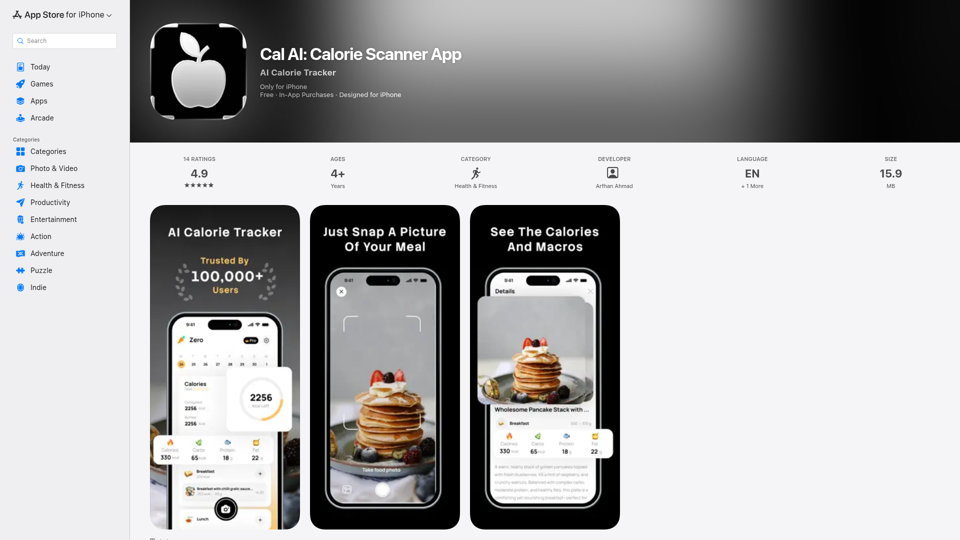
- Nutritional calculation — Macro and micronutrient breakdowns per serving, once requiring manual database lookup, are now automated.
- Email newsletter drafts — Templated newsletters summarizing recent posts, seasonal content, or product recommendations.
- Transcription and video captioning — Automatic transcription of cooking videos for accessibility and repurposing into written content.
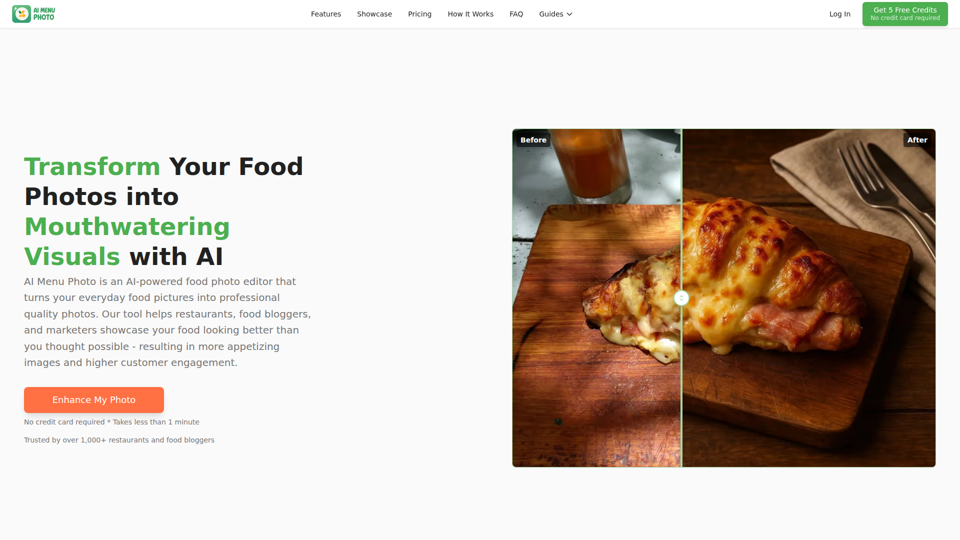
- Background removal and basic photo editing — AI-powered tools handle routine food photography cleanup, color correction, and resizing.
Skills Becoming More Valuable
Sensory authority and lived experience. No AI has tasted anything. The food enthusiast's credibility rests on genuine sensory knowledge — knowing why a sauce breaks, what properly caramelized onions smell like, how texture changes with resting time. This embodied expertise becomes the differentiator as AI-generated recipe content floods the internet.
Culinary storytelling and cultural context. Recipes exist within food cultures, family histories, regional traditions, and personal narratives. AI can describe a dish but cannot authentically situate it. Food enthusiasts who can write with cultural specificity and personal voice are increasingly valuable.
Video performance and on-camera presence. As platforms shift toward video and AI handles more written content production, the ability to teach, entertain, and connect on camera becomes a primary competitive asset.
Community building and trust. Audiences are becoming more discerning about AI-generated content. Food enthusiasts who maintain genuine engagement — responding to comments, adapting to audience feedback, building real relationships — hold an advantage that cannot be automated.
Trend identification and culinary intuition. Knowing which food trends have legs versus which are algorithmic noise requires cultural immersion and taste that AI cannot replicate. Early identification of emerging ingredients, techniques, or cuisines remains a human skill.
Brand partnership strategy. Negotiating, selecting, and authentically integrating brand partnerships requires judgment about audience fit, personal brand integrity, and long-term relationship management.
Skills Becoming Less Important
- Manual SEO research — Keyword tools and AI assistants now handle most of the tactical SEO work that once required dedicated time and expertise.
- Basic nutritional calculation — Manually computing macros or looking up USDA database entries is now fully automatable.
- Boilerplate recipe writing — The structural scaffolding of a recipe (ingredient list formatting, step sequencing, yield calculations) is increasingly AI-assisted.
- Stock photo sourcing — AI image generation is beginning to replace the need for licensed stock food photography in some editorial contexts.
- Broad keyword content farming — Writing generic "best pasta recipes" articles to capture search traffic is becoming economically unviable as AI Overviews absorb that traffic.
Current AI Adoption in This Industry
Adoption among food content creators is high but uneven. Creators with larger operations — those running food blogs as primary businesses — have integrated AI writing tools (ChatGPT, Claude, Jasper) into their editorial workflows, primarily for drafting, SEO optimization, and repurposing content across formats. Recipe plugin developers like WP Recipe Maker and Tasty Recipes are beginning to integrate AI-assisted features directly into their WordPress tools.
Food photography remains a human-dominated domain. AI image generation has not yet produced food photography that meets the quality bar for professional food content — lighting, texture, steam, and the visual cues of freshness are still better captured by skilled photographers. However, AI-assisted editing (Adobe Firefly, Luminar Neo) is widely used for post-processing.
On the platform side, TikTok and YouTube's recommendation algorithms have always been AI-driven, but creators are now using AI tools to analyze their own performance data, identify optimal posting windows, and A/B test thumbnail concepts. This represents a meaningful operational shift — data-informed content strategy is becoming standard practice even for solo creators.
Restaurant review and food criticism communities have been slower to adopt AI, partly due to the authenticity expectations of the genre and partly because the core work — eating, evaluating, writing with voice — resists automation.
Future Workflow Evolution
The food enthusiast's workflow in three years will likely look like this: AI handles the first draft of every written output — recipe headnotes, blog posts, newsletters, captions — while the human's time concentrates on cooking, tasting, filming, and editing for voice and accuracy. Recipe development will become more iterative, with AI suggesting variations based on seasonal availability, trending ingredients, or audience dietary preferences, and the food enthusiast functioning as the final arbiter of what actually works and tastes good.
Content distribution will become more automated. AI scheduling tools will handle cross-platform posting, format adaptation, and performance monitoring. The food enthusiast will review outputs and make judgment calls rather than executing each step manually.
The economics of food blogging will continue to bifurcate. Creators who built businesses on high-volume SEO content will face sustained pressure from AI-generated search results. Those who have built loyal, direct audiences — through email lists, paid communities, YouTube channels, or Substack — will be more insulated. The strategic imperative is audience ownership over platform dependency.
Video-first content will dominate. As written recipe content becomes increasingly commoditized by AI, the food enthusiast's competitive advantage will concentrate in formats that require physical presence: cooking videos, live streams, in-person events, and experiential content.
Common AI Use Cases
Recipe ideation and drafting. Using ChatGPT or Claude to generate recipe concepts based on a seasonal ingredient, cuisine style, or dietary constraint, then testing and refining in the kitchen.
SEO content optimization. Running draft blog posts through tools like Surfer SEO or NeuronWriter to identify keyword gaps, optimize heading structure, and improve search visibility.
Social content repurposing. Converting a long-form recipe blog post into Instagram captions, TikTok scripts, Pinterest descriptions, and email newsletter copy using AI writing tools.
Audience Q&A and comment management. Using AI to draft responses to common audience questions about substitutions, techniques, or equipment — reviewed and personalized before posting.
Trend research and content planning. Using AI to synthesize food trend reports, Google Trends data, and social listening outputs into a quarterly content calendar.
Food photography editing. Using Adobe Firefly or Luminar AI for background cleanup, color grading, and object removal in food photography post-processing.
Cookbook and course development. Using AI to structure chapter outlines, generate recipe variation lists, and draft instructional copy for online cooking courses.
Recommended AI Stack
| Tool | Use Case |
|---|---|
| ChatGPT / Claude | Recipe drafting, blog post writing, caption generation, Q&A drafting |
| Surfer SEO / NeuronWriter | On-page SEO optimization for recipe blog posts |
| Descript | Video transcription, editing, and repurposing cooking videos into written content |
| Adobe Firefly / Luminar Neo | AI-assisted food photography editing and retouching |
| Notion AI | Content calendar management, editorial planning, recipe database organization |
| Flodesk / Mailchimp with AI features | Email newsletter drafting and audience segmentation |
| Otter.ai | Transcribing cooking demos, interviews, or podcast content |
| Canva AI | Social media graphics, thumbnail design, and branded visual templates |
| TubeBuddy / VidIQ | YouTube SEO optimization and performance analytics |
Risks & Challenges
Audience trust erosion. As AI-generated food content proliferates, audiences are developing sensitivity to inauthenticity. Food enthusiasts who over-rely on AI-generated writing risk losing the voice and specificity that built their following. The risk is not just quality — it is credibility.
Search traffic collapse. Google's AI Overviews are already reducing click-through rates on recipe searches. Food bloggers who built businesses on organic search traffic are experiencing meaningful revenue declines. This is not a future risk — it is a present operational reality for many creators.
Recipe accuracy and safety. AI-generated recipes can contain errors in ratios, cooking temperatures, or food safety guidance. Publishing AI-drafted recipes without thorough human testing creates reputational and, in edge cases, safety risks.
Homogenization of content. When many food creators use the same AI tools with similar prompts, content begins to converge. Differentiation requires deliberate investment in original voice, unique culinary perspective, and content that cannot be easily replicated.
Platform algorithm dependency. AI-driven recommendation algorithms on TikTok, YouTube, and Instagram can amplify or suppress content unpredictably. Food enthusiasts who have not built platform-independent audiences are exposed to significant business risk.
Intellectual property ambiguity. The legal status of AI-generated recipe content, particularly when trained on existing recipes, remains unresolved. Food enthusiasts using AI tools for recipe development should be aware of evolving IP considerations.
Future Outlook: 3–5 Years
The food enthusiast role will not disappear, but it will stratify more sharply. At the top, food creators with genuine culinary expertise, distinctive voice, and loyal direct audiences will thrive — their human qualities will be more valuable precisely because AI has commoditized the baseline. In the middle, generalist food bloggers who built businesses on SEO volume will face sustained pressure and will need to specialize, pivot to video, or build paid community models to survive.
AI will become a standard production tool, not a differentiator. The question will not be whether a food enthusiast uses AI, but how skillfully they direct it — what prompts they write, what they choose to override, and where they invest their irreplaceable human attention.
Personalized AI cooking assistants will begin to compete with food content creators for the practical utility end of the market — answering "what can I make with these ingredients" questions in real time. This will further push food enthusiasts toward the experiential, cultural, and entertainment dimensions of food content, where human presence and personality remain essential.
The food enthusiasts who will be most resilient are those who treat AI as a production accelerator while doubling down on the things AI cannot do: cook with intuition, taste with expertise, tell stories with cultural depth, and build genuine human community around a shared love of food.
Final Insight
The core value of a food enthusiast has never been information delivery — it has been trust, taste, and the ability to make food feel meaningful. AI is now capable of delivering information about food at scale and at low cost. What it cannot do is eat, feel nostalgia, understand why a grandmother's recipe matters, or build the kind of relationship with an audience that makes someone actually cook something on a Tuesday night.
The food enthusiasts who understand this distinction — and who use AI to handle the mechanical work so they can invest more deeply in the human work — will find that AI makes their role more sustainable, not less relevant. The ones who treat AI as a shortcut to content volume without maintaining the sensory and cultural depth of their work will find themselves competing with machines on the machines' terms. That is a competition worth avoiding.