How AI fits this role
Home Health Aide
Role Overview
Home health aides (HHAs) provide hands-on personal care and health-related support to elderly, disabled, or chronically ill individuals in their homes or residential care settings. The role sits at the intersection of healthcare delivery and social support — a combination that makes it both deeply human and operationally complex.
In practice, HHAs assist with activities of daily living (ADLs): bathing, dressing, mobility assistance, medication reminders, meal preparation, and light housekeeping. Many also perform basic clinical monitoring — recording vital signs, observing changes in condition, and communicating with supervising nurses or care coordinators. The role operates under the oversight of a registered nurse or therapist in most licensed home health agency settings, though in private-pay or consumer-directed care arrangements, HHAs often work with far less direct supervision.
The industry context is home-based care, a sector under sustained pressure from three directions simultaneously: a rapidly aging population driving demand, a chronic workforce shortage limiting supply, and payer reimbursement structures (Medicare, Medicaid, private insurance) that constrain margins. Home health agencies, hospice providers, and private duty care companies are the primary employers. The Bureau of Labor Statistics projects this occupation will grow faster than almost any other through 2032, yet turnover rates routinely exceed 60–80% annually at many agencies.
This is not a role being replaced by AI. It is a role being restructured around AI — with documentation, scheduling, care coordination, and clinical monitoring increasingly handled by software, while the physical and relational core of the work remains irreducibly human.
How AI Is Transforming This Role
The transformation is not happening at the bedside. It is happening in the systems that surround the HHA's workday — scheduling, documentation, care plan management, and clinical escalation — and the downstream effect is a significant shift in what the aide is expected to do, track, and communicate.
Documentation is the most immediate change. Historically, HHAs completed paper visit notes or basic electronic forms after each visit. AI-assisted documentation tools, now embedded in platforms like WellSky, HHAeXchange, and Homecare Homebase, are beginning to auto-populate visit notes from structured inputs, voice-to-text capture, and pattern matching against prior visit records. This reduces the administrative burden on aides — many of whom have limited comfort with digital tools — but it also raises the accuracy bar. Errors in AI-assisted notes carry the same compliance risk as manual errors, and aides are increasingly accountable for reviewing and confirming AI-generated content rather than simply writing it.
Remote patient monitoring (RPM) is changing the observation role. Wearable devices and in-home sensors — pulse oximeters, fall detection mats, continuous glucose monitors, smart scales — now generate a stream of clinical data between visits. AI platforms aggregate this data and flag anomalies to supervising nurses. The HHA's role is shifting from primary observer to on-site responder: when an alert fires, the aide is often the first human to act on it. This requires a higher level of clinical awareness than the role traditionally demanded.
Scheduling and care matching are being optimized algorithmically. Agencies using AI-driven workforce management tools (such as those built into HHAeXchange or third-party platforms like Smartlinx) are matching aides to clients based on geography, skill set, language, and continuity-of-care metrics. For aides, this means less predictability in scheduling and more pressure to maintain broad competency profiles to remain algorithmically competitive for assignments.
Care plan generation is moving upstream. AI tools used by care coordinators and nurses are producing more detailed, condition-specific care plans faster. HHAs receive more granular instructions — specific transfer techniques, dietary restrictions tied to lab values, behavioral cues to monitor — which raises the cognitive load of each visit even as it improves care quality.
Tasks AI Can Automate
- Visit note generation from structured voice or tap-based inputs, reducing post-visit documentation time
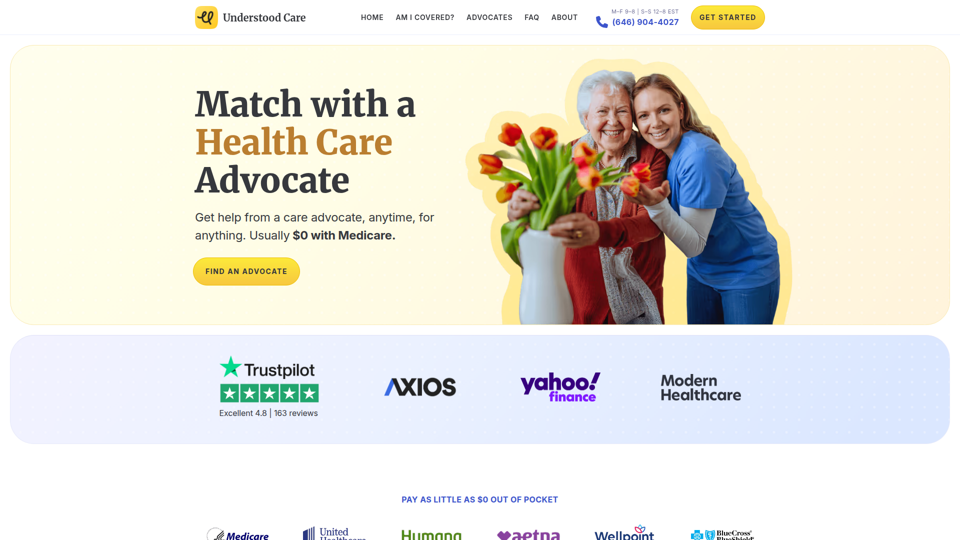
- Medication reminder scheduling and automated alerts to clients and family members between aide visits
- Anomaly detection in RPM data streams, flagging vital sign deviations before the next scheduled visit
- Route optimization for aides serving multiple clients in a shift, reducing drive time and improving on-time arrival rates
- Care plan updates triggered by changes in clinical data, automatically surfaced to supervising nurses for review
- Shift scheduling and gap-filling using predictive models that anticipate call-outs based on historical patterns
- Billing code suggestion based on documented visit activities, reducing claim errors and denials
- Training content delivery through adaptive learning platforms that push microlearning modules based on identified skill gaps
Skills Becoming More Valuable
Clinical observation and escalation judgment. As RPM generates more data, the HHA's ability to contextualize an alert — distinguishing a sensor artifact from a genuine deterioration — becomes critical. This is a skill that requires experience and cannot be delegated to software.
Digital literacy and system fluency. Aides who can navigate EVV (electronic visit verification) systems, RPM dashboards, and care coordination apps accurately and efficiently are more valuable to agencies managing compliance and reimbursement risk.
Communication with care teams. With AI surfacing more clinical flags, the HHA's role as a real-time communicator to nurses and coordinators is more consequential. Clear, specific verbal and written reporting — "she seemed more confused than usual and her grip was weaker on the left side" — is not something AI can generate from a sensor feed.
Behavioral and cognitive assessment. Identifying early signs of cognitive decline, depression, or social isolation requires sustained human attention across visits. This is increasingly recognized as a core HHA competency, not an ancillary one.
Adaptability to technology changes. Agencies are cycling through new platforms and tools at a faster rate. Aides who adopt new systems without friction are operationally valuable in ways that are difficult to quantify but easy to notice.
Relationship continuity. In a sector where client trust is a clinical variable — affecting medication adherence, fall risk disclosure, and care plan compliance — the ability to build and maintain a therapeutic relationship over time is a durable competitive advantage for individual aides.
Skills Becoming Less Important
- Manual paper documentation and handwritten visit logs, which are being phased out across licensed agencies under EVV mandates
- Memorizing static care plan details that are now surfaced digitally at the point of care
- Manual scheduling negotiation, as algorithmic matching reduces the need for aides to self-manage their own assignment logistics
- Basic vital sign logging as a standalone task, since connected devices now capture and transmit this data automatically in many settings
- Verbal-only shift handoffs, being replaced by structured digital communication threads within care coordination platforms
Current AI Adoption in This Industry
Home health is a late-stage adopter of AI relative to acute care, but adoption is accelerating sharply, driven by two forces: EVV federal mandates (which forced agencies to digitize visit verification by 2023) and the post-pandemic labor crisis, which created commercial urgency around workforce optimization.
Current adoption is concentrated at the agency operations layer rather than the point of care. Scheduling optimization, billing automation, and workforce analytics are the highest-penetration use cases. RPM integration is growing but uneven — more common in Medicare Advantage and managed care contracts than in traditional fee-for-service arrangements.
AI-assisted documentation is in early deployment at larger regional and national agencies (Amedisys, LHC Group, BrightSpring, Addus HomeCare). Smaller independent agencies, which represent a significant share of the market, are 2–4 years behind on most of these capabilities due to capital constraints and IT infrastructure gaps.
The consumer-directed care segment — where clients hire aides directly through Medicaid self-direction programs — has the lowest AI penetration, though state Fiscal Management Services (FMS) vendors are beginning to introduce digital tools for time tracking and care plan management.
Future Workflow Evolution
The HHA's workday in 2027 will look meaningfully different from today's, even though the physical tasks remain the same.
Pre-visit: The aide receives a mobile briefing generated from overnight RPM data and care coordinator notes — flagging that the client's resting heart rate was elevated, that a medication was refilled yesterday, and that the family reported increased confusion over the weekend. This replaces the static care plan review that currently happens (or doesn't happen) before a visit.
During visit: EVV check-in is automatic via geofencing. A structured digital checklist guides the visit, with AI-suggested prompts based on the client's condition profile. The aide documents observations via voice note, which is transcribed and structured in real time. Anomalies trigger an immediate soft alert to the supervising nurse.
Post-visit: The visit note is auto-drafted and presented for aide review and confirmation. Billing codes are suggested. Any flagged observations are routed to the care coordinator. The aide's next visit route is already optimized on their phone.
Across the week: Adaptive training modules are pushed based on the aide's documented visit patterns — if the system detects repeated documentation gaps around fall risk assessment, a short training module appears in the app.
The net effect is a role with less administrative friction but higher cognitive accountability. The aide is less a note-taker and more a clinical sensor and relationship anchor.
Common AI Use Cases
- Electronic Visit Verification (EVV) with geofencing and biometric confirmation, now federally mandated for Medicaid-funded personal care
- Remote patient monitoring integration — aggregating data from in-home devices and surfacing alerts to care teams
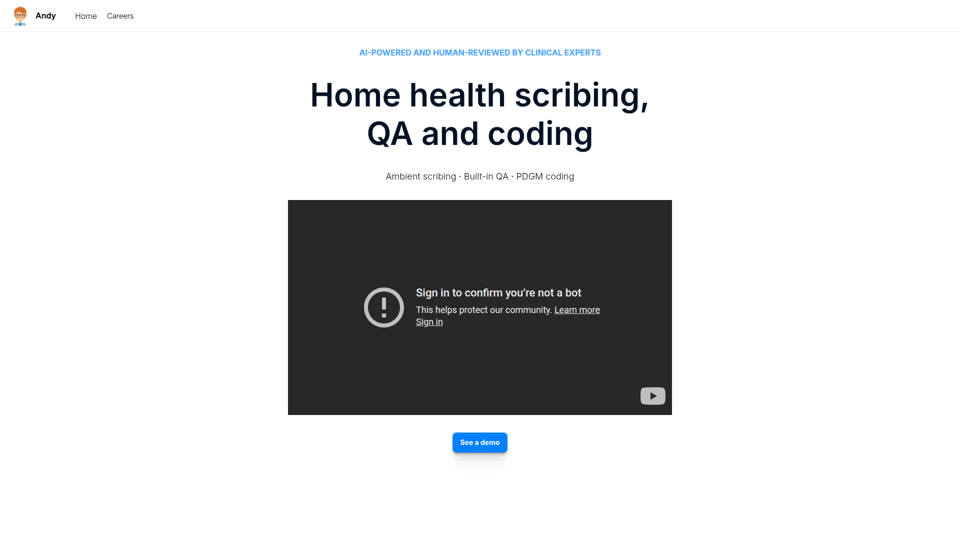
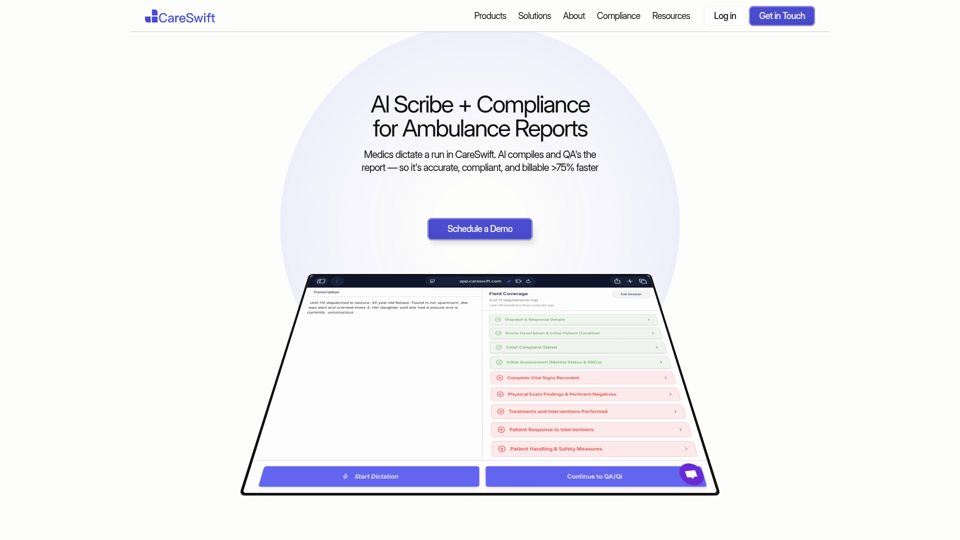
- AI-assisted visit documentation — voice-to-text and structured input tools that generate compliant visit notes
- Predictive scheduling — workforce management platforms that forecast staffing gaps and optimize aide-to-client matching
- Care plan personalization — AI tools used by nurses and coordinators to generate condition-specific care instructions delivered to aides digitally
- Fall risk and deterioration prediction — models trained on ADL performance, vital sign trends, and medication adherence data
- Training and competency tracking — adaptive learning platforms that identify skill gaps and deliver targeted microlearning
- Family communication portals — AI-summarized visit reports delivered to family members, reducing coordinator call volume
Recommended AI Stack
These tools are relevant at the agency level and increasingly shape the HHA's daily workflow:
Care Management & EVV Platforms
- HHAeXchange — dominant in Medicaid personal care; integrates EVV, scheduling, and billing with emerging AI features
- Homecare Homebase — strong in Medicare-certified home health; AI-assisted documentation and clinical alerts
- WellSky — enterprise platform with predictive analytics and care coordination tools
Remote Patient Monitoring
- Current Health (acquired by Best Buy Health) — continuous monitoring with AI-driven alert triage
- Vivify Health — RPM platform with care pathway automation used by home health agencies
- Withings Health Solutions — connected device ecosystem with clinical dashboard integration
Workforce Management
- Smartlinx — AI-driven scheduling and labor optimization for home-based care
- Shiftboard — workforce scheduling with predictive gap-filling
Training & Competency
- Relias — adaptive learning platform widely used in home health for HHA training and compliance tracking
- Nevvon — mobile-first HHA training platform with competency tracking
Documentation Assistance
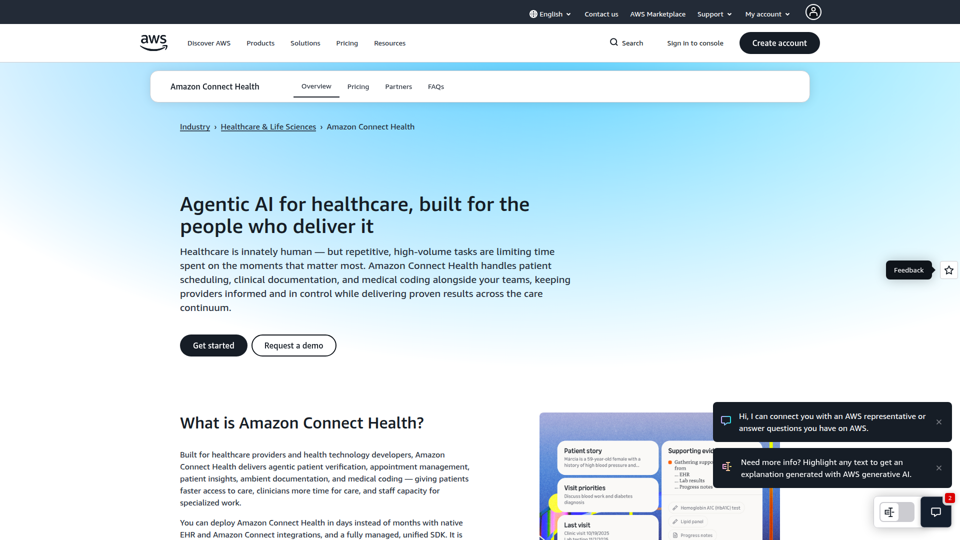
- Nuance DAX (Microsoft) — voice-driven clinical documentation, beginning to extend into home health settings
- Suki AI — ambient documentation tool with growing home health applicability
Risks & Challenges
Over-reliance on algorithmic scheduling erodes continuity of care. When AI optimizes for efficiency metrics — drive time, fill rate, cost per visit — it can systematically undervalue the clinical benefit of consistent aide-client relationships. Agencies that optimize purely on algorithmic efficiency metrics risk measurable declines in client outcomes and satisfaction.
Documentation AI introduces new compliance risk. Auto-generated visit notes that are confirmed without careful review can contain errors that create liability exposure during audits. Aides need training not just on how to use these tools but on how to critically review their output.
Digital divide among the workforce. A significant portion of the HHA workforce — disproportionately older, immigrant, and low-income — faces real barriers to digital tool adoption. Agencies that deploy AI-heavy workflows without adequate training and support will see the technology widen existing workforce inequities rather than reduce them.
RPM alert fatigue. As more in-home sensors generate more data, the volume of alerts reaching aides and care teams can exceed their capacity to respond meaningfully. Poorly calibrated alert thresholds create noise that desensitizes staff to genuine clinical signals.
Data privacy in the home setting. In-home sensors and AI monitoring tools operate in a private residential environment. Consent frameworks, data retention policies, and family access rights are inconsistently managed across the industry, creating regulatory and reputational risk.
Workforce displacement in administrative roles. While HHAs themselves are not being displaced, the care coordinators, schedulers, and billing staff who support them are facing significant role compression. This affects the broader support infrastructure that HHAs depend on.
Future Outlook (3–5 Years)
The home health aide role will not be automated. It will be stratified.
Agencies will increasingly differentiate between aides who can operate effectively within AI-augmented care environments — reading digital briefings, responding to RPM alerts, documenting accurately in structured systems — and those who cannot. This will create a de facto two-tier workforce, with higher-functioning aides commanding better pay, more consistent schedules, and more complex client assignments.
The clinical scope of the role is likely to expand modestly in states that update their scope-of-practice regulations. Aides in some markets will be authorized to perform a broader range of clinical tasks — wound care observation, glucose monitoring, medication administration under supervision — as RPM data creates a more continuous clinical record that supports expanded delegation.
Medicare Advantage plans, which now cover a significant share of the elderly population and have more flexibility in benefit design than traditional Medicare, will drive the most aggressive AI adoption. Plans that can demonstrate reduced hospitalizations and ER visits through AI-augmented home care will have a strong financial incentive to invest in the technology stack.
The labor shortage will not resolve in this window. Demand will continue to outpace supply, which means agencies will use AI primarily to extend the capacity of existing aides — more clients per aide, better-supported visits, faster escalation — rather than to reduce headcount.
By 2028, the distinction between a "home health aide" and a "remote care coordinator" will blur at the edges. Some aides will spend a portion of their time in hybrid roles — conducting virtual check-ins between in-person visits, reviewing RPM dashboards for their assigned clients, and communicating with family members through structured digital channels.
Final Insight
The home health aide is one of the most human roles in the healthcare system — and that is precisely why AI is being deployed around it rather than into it. The physical presence, the relational trust, the moment-by-moment judgment about a person's dignity and comfort: none of that is being automated. What is being automated is the scaffolding — the documentation, the scheduling, the data aggregation, the administrative overhead that currently consumes time that should be spent on care.
The risk is not that AI replaces the HHA. The risk is that poorly implemented AI systems add cognitive burden without reducing administrative friction, widen the digital divide within an already strained workforce, and optimize for measurable efficiency metrics at the expense of the relationship continuity that actually drives outcomes.
For aides, the practical implication is clear: the floor of digital competency required to remain employable in licensed agency settings is rising. For agencies, the strategic implication is equally clear: the return on AI investment depends entirely on whether the workforce can use it effectively — which means training, change management, and workforce development are not optional line items. They are the implementation.