
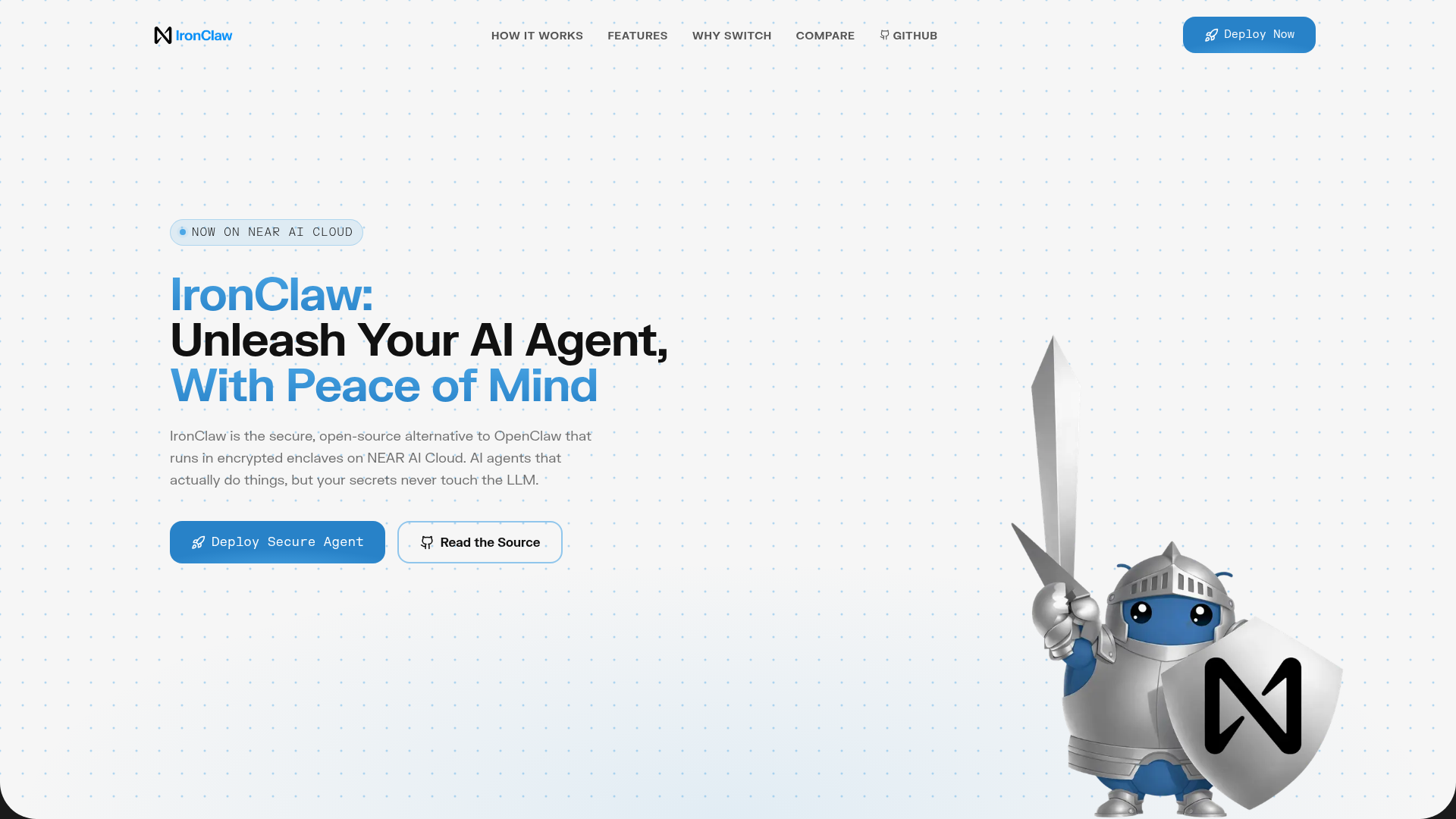
IronClaw: Unleash Your AI Agent, With Peace of Mind
Rate this Tool
Average Score
Total Votes
Select your score (1-10):
Detail Information
What
IronClaw is an open-source AI agent runtime positioned as a secure alternative to OpenClaw. It is designed for people or teams that want OpenClaw-style agent capabilities such as browsing, research, coding, and automation, but need stronger protection for API keys, tokens, and passwords.
The product’s core workflow is straightforward: deploy an instance on NEAR AI Cloud or run it locally, store credentials in an encrypted vault, and let the agent use those credentials only at approved network boundaries. Its positioning is clearly security-first, with emphasis on encrypted enclaves, Rust-based implementation, WebAssembly sandboxing, and endpoint allowlisting to reduce risks such as prompt injection and credential exfiltration.
Features
- Encrypted credential vault — API keys, tokens, and passwords are encrypted at rest and injected only into approved requests, which helps keep raw secrets away from the LLM.
- Trusted Execution Environment deployment — Instances can run inside encrypted enclaves on NEAR AI Cloud, which the page describes as protecting data in memory from boot to shutdown.
- Per-tool Wasm sandboxing — Each tool runs in its own WebAssembly container with capability-based permissions and resource limits, reducing the blast radius of a compromised skill.
- Network allowlisting — Outbound access is restricted to pre-approved endpoints, giving operators tighter control over where tools can send data.
- Real-time leak detection — Outbound traffic is scanned for content that appears to contain secrets, with suspicious exfiltration attempts blocked automatically according to the page.
- Rust-based runtime — The system is built in Rust and presented as using compile-time memory safety to avoid classes of memory-related exploits common in less restrictive runtimes.
Helpful Tips
- Validate the security model against your threat profile — IronClaw is most relevant when the main concern is protecting credentials from prompt injection, unsafe skills, or over-permissive outbound access.
- Review endpoint allowlists carefully — The practical security benefit depends heavily on how narrowly you define approved destinations for each agent and tool.
- Separate tool permissions by task — Since the product emphasizes per-tool isolation, implementation should mirror real operational boundaries rather than giving every tool broad access.
- Test secret-dependent workflows end to end — Before wider rollout, confirm which actions require vault-backed credentials and how those credentials are injected at the request boundary.
- Treat feature parity claims conservatively — The page says IronClaw supports the same capabilities as OpenClaw, but buyers should still verify any workflow-specific behavior they depend on.
OpenClaw Skills
IronClaw appears designed to preserve the OpenClaw agent experience while changing the execution and security layer around it. In the OpenClaw ecosystem, that likely makes it a strong fit for skills that need external APIs, authenticated browsing, code execution, or operational automation, especially where secret handling is the main blocker to production use. The page does not describe native OpenClaw marketplace or skill-management integrations in detail, so any broader ecosystem interoperability should be treated as a likely use case rather than a confirmed feature.
A likely OpenClaw-related workflow would pair IronClaw with task-specific agents such as research agents, developer assistants, internal ops automations, or support-side workflow bots that need controlled access to SaaS accounts and internal endpoints. In that setup, OpenClaw-style skills could be wrapped with stricter vault injection, Wasm isolation, and network policy enforcement, potentially making agent deployment more practical for security-conscious engineering, IT, and operations teams.
Embed Code
Share this AI tool on your website or blog by copying and pasting the code below. The embedded widget will automatically update with the latest information.
<iframe src="https://aimyflow.com/ai/ironclaw-com/embed" width="100%" height="400" frameborder="0"></iframe>
Explore Similar Tools
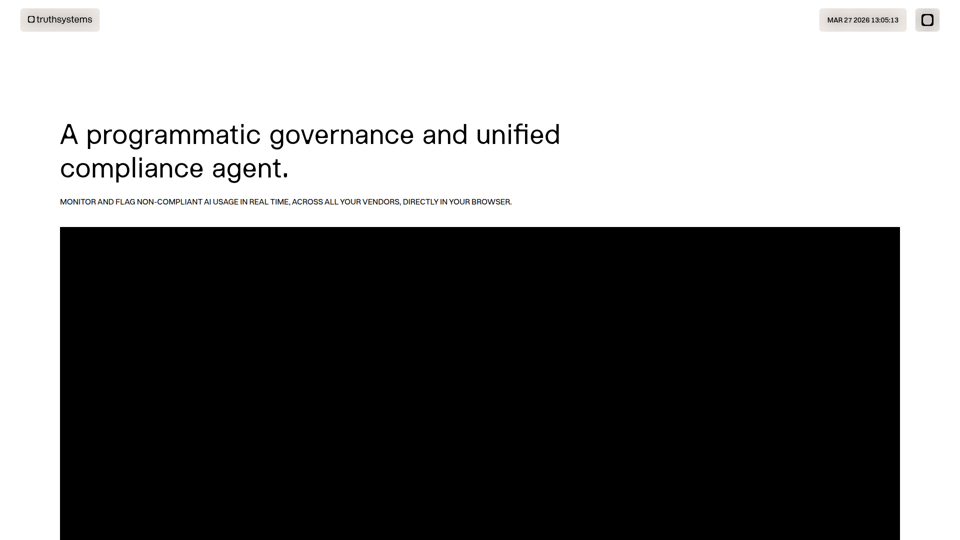
truthsystems
Truth Systems is a programmatic AI governance and unified compliance agent that helps organizations, especially legal teams and innovation leaders, monitor and block non-compliant AI use in real time across vendors through a browser extension and platform. For compliance, legal, and risk professionals, it can make AI oversight more actionable by embedding live guardrails, access controls, and audit trails directly into everyday work.
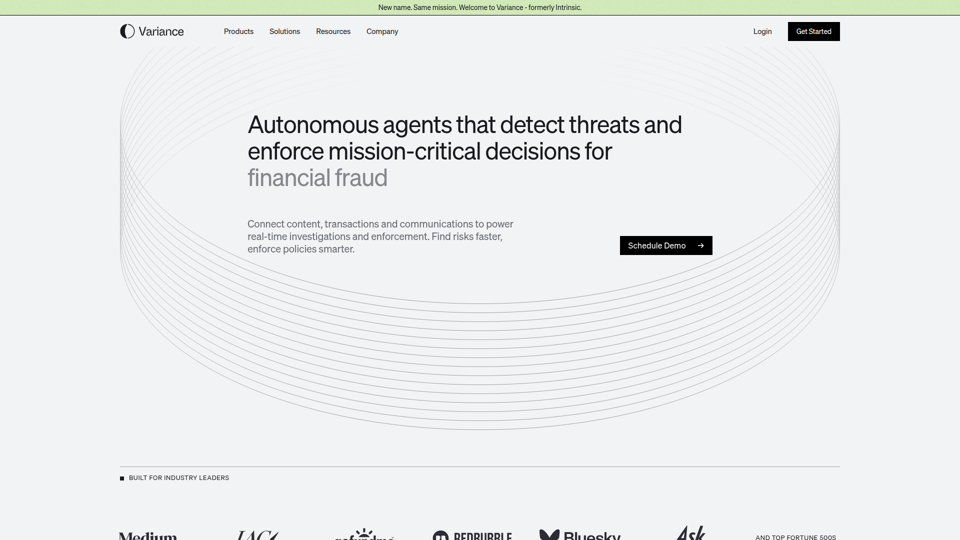
Variance
Variance is an AI risk intelligence platform that helps enterprises detect, investigate, and enforce against fraud, user-generated content violations, marketplace abuse, and other trust and safety risks, mainly for teams in content platforms, marketplaces, and financial services. For trust and safety, fraud, compliance, and security teams, it can speed real-time investigations and policy enforcement by connecting data streams and automating decisions across large volumes of activity.

Home | Veria Labs
Veria Labs is an AI-powered continuous pentesting platform that analyzes codebases and CI/CD workflows to find, validate, and suggest fixes for real application vulnerabilities, mainly for security and engineering teams in high-stakes industries. For AppSec, security engineers, and developers, it can bring offensive security testing closer to every pull request so issues are identified and remediated earlier in the software delivery process.

Premier Physical AI Security Platform & Outdoor Solutions | Alpha Vision | Free Trial
Alpha Vision is a physical AI security platform that uses AI agents and workflows to monitor outdoor sites, detect unsafe or unauthorized activity, deter trespassing, and search footage, mainly for security, safety, and operations teams in industries such as construction, education, retail, utilities, and commercial real estate. In AI-enabled security operations, it can help site managers, investigators, and safety leaders respond faster, review incidents more efficiently, and maintain broader coverage across large or distributed properties.
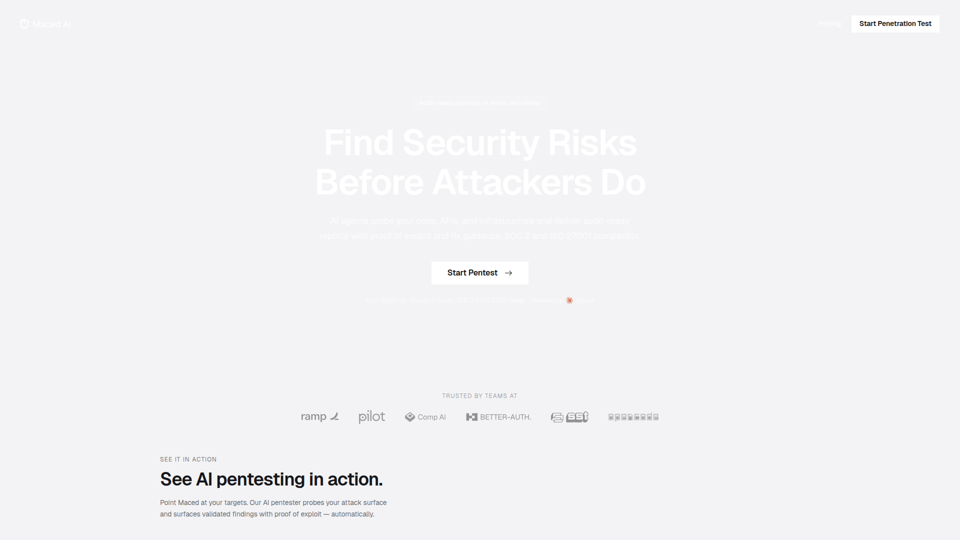
Autonomous AI Pentesting Platform | Maced AI
Maced AI is an autonomous AI penetration testing platform that helps engineering and security teams find, validate, and fix vulnerabilities across code, APIs, web apps, cloud, and infrastructure, while producing audit-ready reports for SOC 2 and ISO 27001 workflows. For security engineers, DevSecOps teams, and compliance-focused developers, it can shorten remediation cycles by turning validated findings into proof-of-exploit evidence and merge-ready fix guidance.
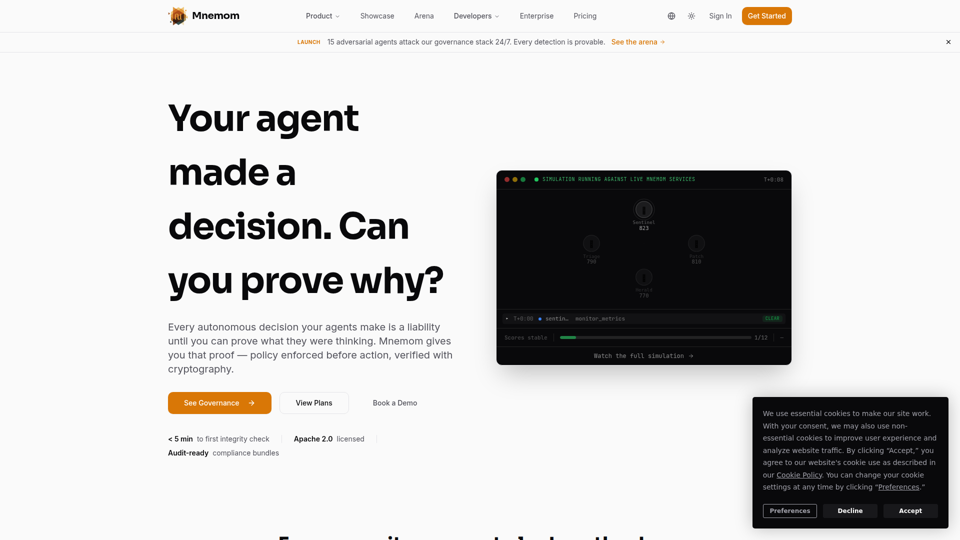
Mnemom — Prove What Your AI Agents Are Thinking
Mnemom is an AI governance and trust infrastructure platform that helps organizations prove, enforce, and audit what AI agents did and why with cryptographic verification, mainly for enterprise security, compliance, and engineering teams. For CISOs, compliance leaders, and AI platform teams, it can strengthen agent oversight by enabling pre-action policy enforcement and audit-ready evidence instead of relying only on after-the-fact logs.
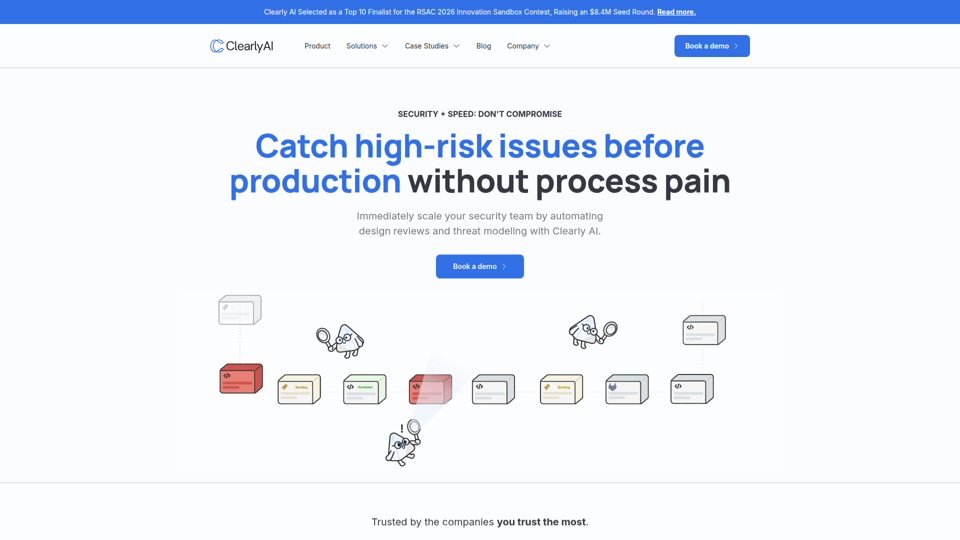
Clearly AI
Clearly AI is an AI security and privacy review platform that automates threat modeling, design reviews, and risk triage to help security, privacy, and product teams ship software faster with better review coverage. In AI-assisted software delivery, it helps application security and privacy professionals focus human judgment on prioritized findings instead of repetitive document analysis and manual questionnaires.
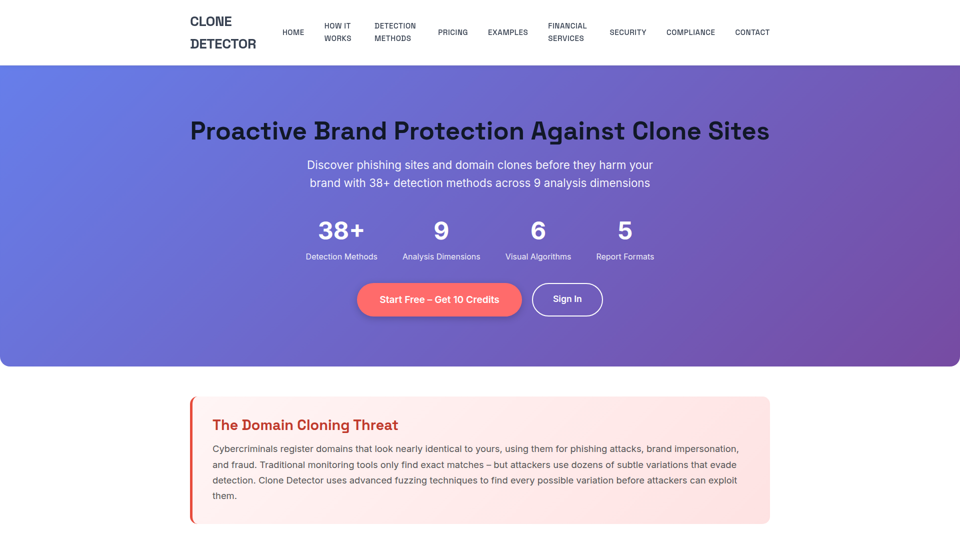
Clone Detector – Brand Protection & Phishing Site Detection Tool
Clone Detector is a brand protection and phishing site detection tool that helps businesses and security teams find fraudulent domain clones and lookalike websites using domain fuzzing, visual similarity analysis, and risk-based reporting. For cybersecurity, compliance, and brand protection roles, it can improve AI-era monitoring by surfacing subtle impersonation threats earlier and supporting faster investigation, reporting, and response.