
Autonomous AI Pentesting Platform | Maced AI
Rate this Tool
Average Score
Total Votes
Select your score (1-10):
Detail Information
What
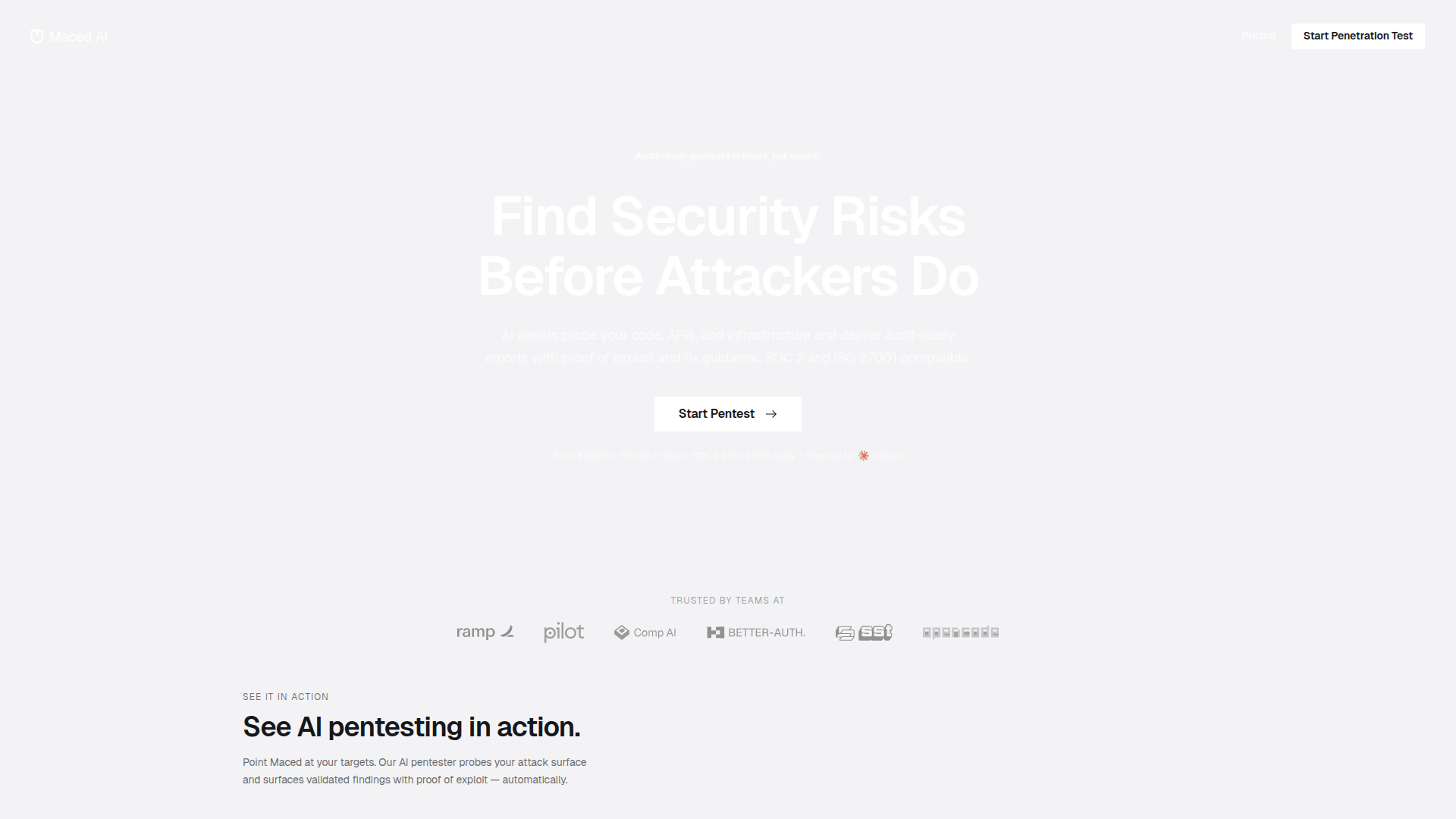
Maced AI is an autonomous AI penetration testing platform for modern engineering and security teams. It is designed to test code, APIs, web applications, cloud environments, and infrastructure, then return validated findings with proof of exploit, remediation guidance, and audit-ready reporting.
The product appears positioned as a faster, more automated alternative to traditional pentesting workflows. Its core flow is to discover issues across the attack surface, reproduce and validate exploitability, prioritize findings by real impact, and in some cases generate merge-ready fix pull requests for review.
Features
- Autonomous web and API testing: AI agents crawl, fuzz, and test web apps and APIs for issues such as OWASP Top 10 weaknesses, business logic flaws, and authentication bypasses.
- Source code security analysis: White-box testing reviews repositories for injection flaws, hardcoded secrets, insecure dependencies, and vulnerable configurations.
- Infrastructure and cloud testing: The platform enumerates cloud environments, tests network services, and validates infrastructure hardening against real-world attack techniques.
- Validated findings with proof of exploit: Each finding includes evidence, reproduction steps, and proof-of-concept details to reduce false positives and speed triage.
- Automated prioritization and deduplication: Findings are merged and ranked by severity, exploitability, context, and impact so teams can focus on the most meaningful risks.
- Audit-ready reporting and workflow support: Maced provides pentest-style reports intended for SOC 2 and ISO 27001 audit use cases, along with enterprise features such as SSO, RBAC, audit logging, deployment options, and integrations with Jira, Slack, GitHub, and CI/CD pipelines.
Helpful Tips
- Verify coverage depth by testing mode: Black-box and white-box approaches serve different goals, so teams should align the mode with whether they need external attack-surface testing or deeper internal logic analysis.
- Assess auto-fix carefully in production workflows: Merge-ready fixes can accelerate remediation, but security and engineering teams should confirm code quality, regression handling, and retesting practices before broad adoption.
- Use validated findings to refine triage processes: Proof-backed findings are most useful when mapped into existing severity, ownership, and remediation workflows rather than treated as a separate security stream.
- Confirm audit suitability with your assessor: The site states reports are compatible with SOC 2 and ISO 27001 needs, but buyers should still verify exact evidence expectations with their auditor or certification partner.
- Review deployment and data-boundary requirements early: For regulated or sensitive environments, the stated cloud, on-prem, and air-gapped deployment options may be important selection criteria.
OpenClaw Skills
Maced could likely pair well with OpenClaw as a security operations and remediation layer around autonomous pentesting. Likely use cases include skills that ingest validated findings, classify them by business system, generate executive and technical summaries, open tracked remediation tasks, and coordinate retesting workflows after fixes are deployed. Because the page mentions integrations with Jira, Slack, GitHub, and CI/CD systems, an OpenClaw agent could plausibly orchestrate these downstream actions even though native OpenClaw integration is not stated.
In a broader security engineering context, this combination could support always-on application security workflows rather than periodic testing cycles. Likely OpenClaw agents could watch for new Maced findings, correlate them with deploy events, assign issues to the right service owners, compare recurring weakness patterns across teams, and prepare audit evidence packages for compliance reviews. For DevSecOps and platform engineering teams, that would shift pentesting output from a static report into a continuous, operational workflow.
Embed Code
Share this AI tool on your website or blog by copying and pasting the code below. The embedded widget will automatically update with the latest information.
<iframe src="https://aimyflow.com/ai/maced-ai/embed" width="100%" height="400" frameborder="0"></iframe>
Explore Similar Tools
truthsystems
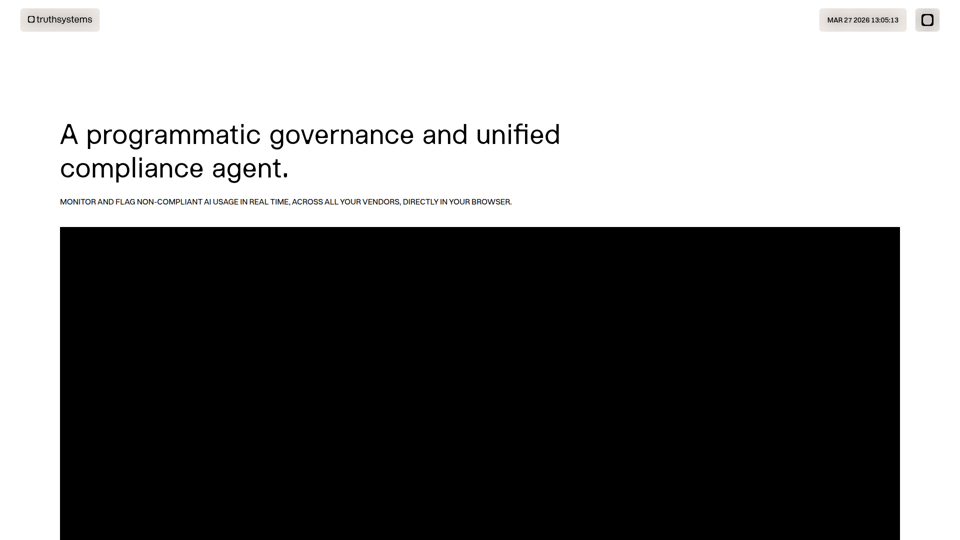
Truth Systems is a programmatic AI governance and unified compliance agent that helps organizations, especially legal teams and innovation leaders, monitor and block non-compliant AI use in real time across vendors through a browser extension and platform. For compliance, legal, and risk professionals, it can make AI oversight more actionable by embedding live guardrails, access controls, and audit trails directly into everyday work.
Variance
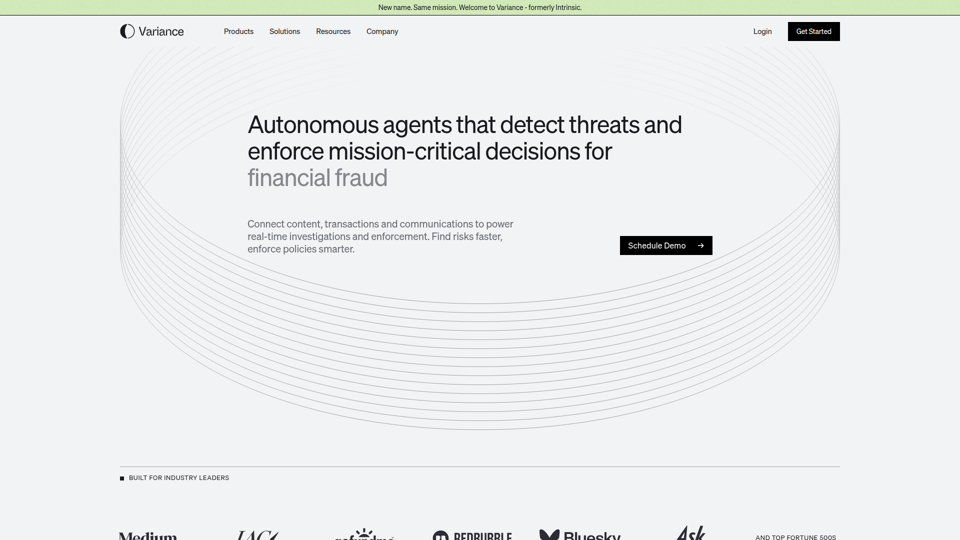
Variance is an AI risk intelligence platform that helps enterprises detect, investigate, and enforce against fraud, user-generated content violations, marketplace abuse, and other trust and safety risks, mainly for teams in content platforms, marketplaces, and financial services. For trust and safety, fraud, compliance, and security teams, it can speed real-time investigations and policy enforcement by connecting data streams and automating decisions across large volumes of activity.
Home | Veria Labs
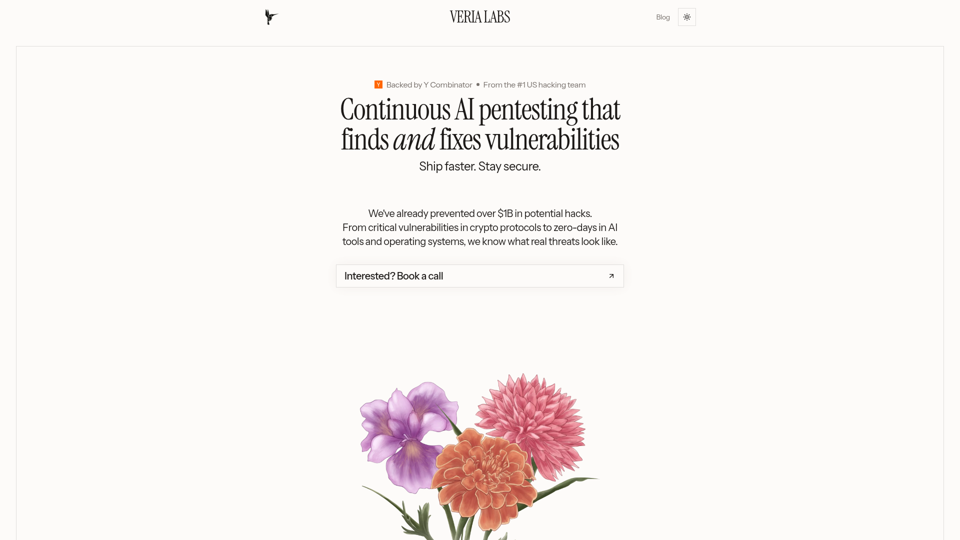
Veria Labs is an AI-powered continuous pentesting platform that analyzes codebases and CI/CD workflows to find, validate, and suggest fixes for real application vulnerabilities, mainly for security and engineering teams in high-stakes industries. For AppSec, security engineers, and developers, it can bring offensive security testing closer to every pull request so issues are identified and remediated earlier in the software delivery process.
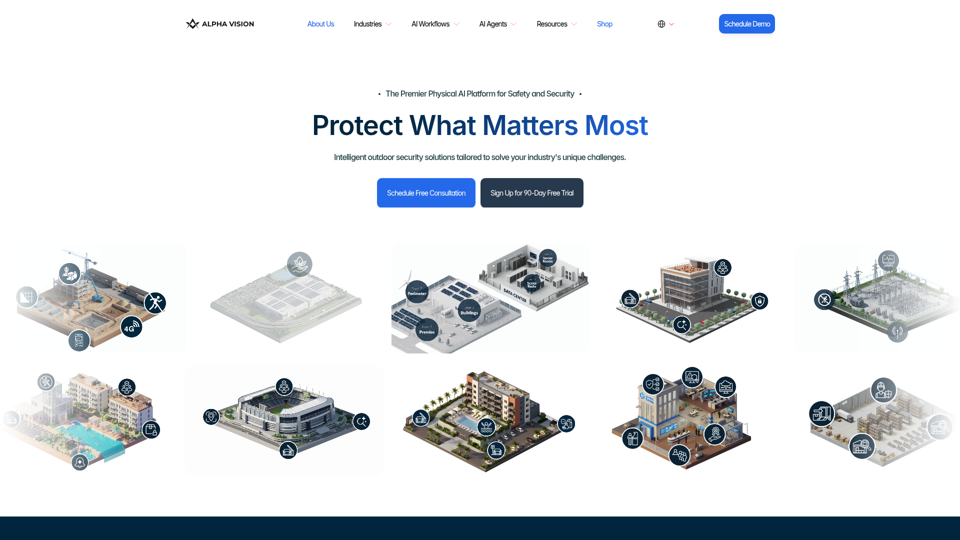
Premier Physical AI Security Platform & Outdoor Solutions | Alpha Vision | Free Trial
Alpha Vision is a physical AI security platform that uses AI agents and workflows to monitor outdoor sites, detect unsafe or unauthorized activity, deter trespassing, and search footage, mainly for security, safety, and operations teams in industries such as construction, education, retail, utilities, and commercial real estate. In AI-enabled security operations, it can help site managers, investigators, and safety leaders respond faster, review incidents more efficiently, and maintain broader coverage across large or distributed properties.
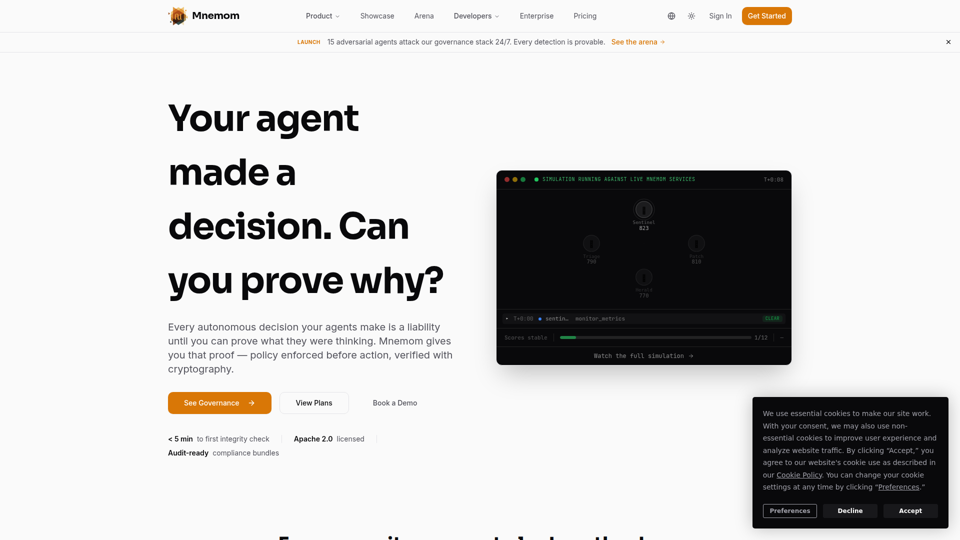
Mnemom — Prove What Your AI Agents Are Thinking
Mnemom is an AI governance and trust infrastructure platform that helps organizations prove, enforce, and audit what AI agents did and why with cryptographic verification, mainly for enterprise security, compliance, and engineering teams. For CISOs, compliance leaders, and AI platform teams, it can strengthen agent oversight by enabling pre-action policy enforcement and audit-ready evidence instead of relying only on after-the-fact logs.
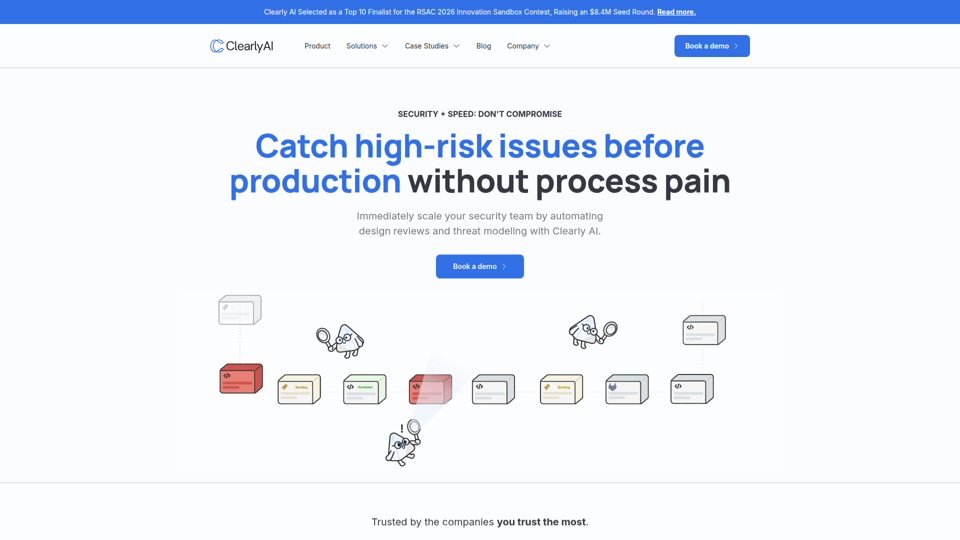
Clearly AI
Clearly AI is an AI security and privacy review platform that automates threat modeling, design reviews, and risk triage to help security, privacy, and product teams ship software faster with better review coverage. In AI-assisted software delivery, it helps application security and privacy professionals focus human judgment on prioritized findings instead of repetitive document analysis and manual questionnaires.
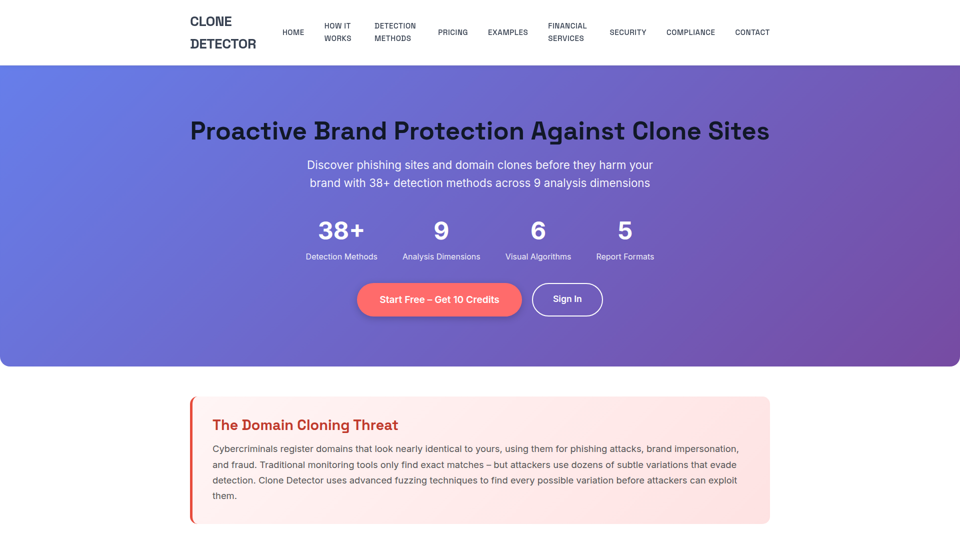
Clone Detector – Brand Protection & Phishing Site Detection Tool
Clone Detector is a brand protection and phishing site detection tool that helps businesses and security teams find fraudulent domain clones and lookalike websites using domain fuzzing, visual similarity analysis, and risk-based reporting. For cybersecurity, compliance, and brand protection roles, it can improve AI-era monitoring by surfacing subtle impersonation threats earlier and supporting faster investigation, reporting, and response.
MCPTotal
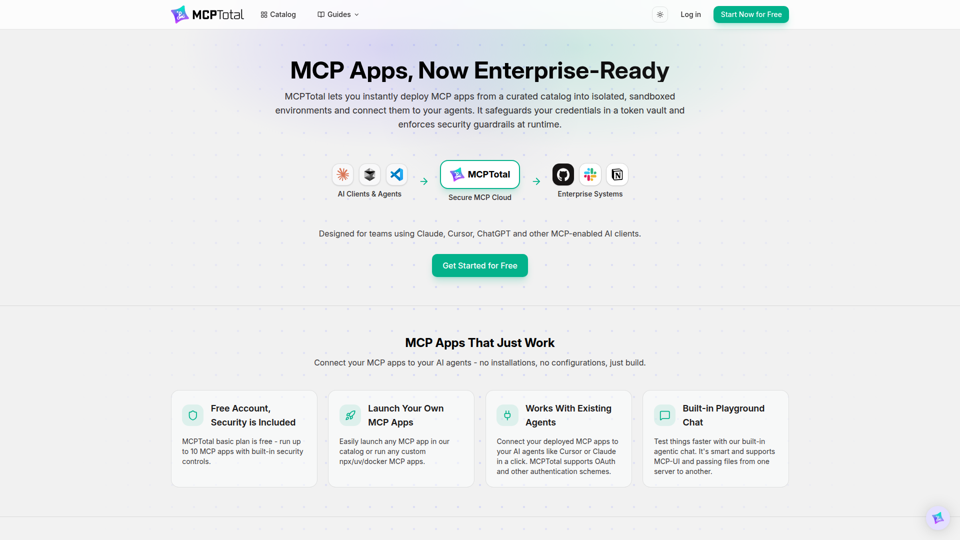
MCPTotal is a secure MCP cloud platform that helps teams deploy, manage, and connect curated or custom MCP apps to AI clients and agents such as Claude, Cursor, and ChatGPT, mainly for enterprise teams and developers using AI in existing workflows. For security, platform, and engineering teams, it can improve AI-enabled operations by adding sandboxing, credential protection, runtime monitoring, and governance controls around agent-connected tools.