
Home | Lolachats

Rate this Tool
Average Score
Total Votes
Select your score (1-10):
Detail Information
What
Lola Chats presents Lola as a private “pocket companion” designed to help people understand themselves through conversation, reflection, and journaling. The product appears aimed at individuals who want ongoing, low-friction support for processing thoughts, navigating decisions, and building self-awareness outside of scheduled sessions or formal coaching environments.
Based on the homepage, Lola’s core workflow is simple: users type naturally about what is on their mind, Lola responds with reflective questions and supportive guidance, and the product remembers prior context to make conversations feel more personal over time. Its likely positioning is an AI-based self-reflection and emotional support companion rather than a general-purpose chatbot, though the page does not provide technical detail beyond that framing.
Features
- Natural conversational support — Users can type freely in their own words, which lowers friction for expressing thoughts without needing prompts or structured formats.
- Reflective questioning — Lola asks thoughtful questions intended to help users make sense of their feelings, goals, and decisions rather than only giving direct advice.
- Context retention — The product states that it remembers what users share, which can make future conversations more personalized and continuous.
- Pattern-oriented guidance — Lola is described as being built to understand how a user talks and thinks, with the practical aim of surfacing recurring patterns behind behavior and emotions.
- Private journaling space — Users can write entries to process, vent, reflect, or brainstorm, even when they do not want an immediate response.
- Linking journal and chat history — If users share journal content, Lola may revisit it later and connect it to ongoing conversations, supporting longitudinal self-reflection.
Helpful Tips
- Evaluate safety boundaries carefully — Products in this category can be useful for reflection and light support, but buyers should verify how the app handles crisis scenarios, escalation, and limitations, since the page does not specify these details.
- Assess memory controls and privacy practices — Because the value proposition depends partly on remembering personal context, it is important to confirm what is stored, how users manage that data, and what “private” means in operational terms.
- Use it as a reflection layer, not a sole decision-maker — The strongest fit appears to be helping users clarify thoughts and patterns; for medical, legal, or urgent mental health needs, additional human support would still be appropriate.
- Pilot with clear journaling habits — Adoption is likely stronger when users combine regular free-form journaling with conversational check-ins, since the product emphasizes continuity between written reflection and chat.
- Check depth versus breadth during evaluation — The homepage highlights emotional insight and self-understanding more than task execution or coaching frameworks, so buyers should confirm whether that aligns with their intended use.
OpenClaw Skills
Within an OpenClaw ecosystem, Lola-like functionality could likely support skills focused on guided reflection, journaling analysis, emotional check-ins, and personal decision support. A likely workflow would combine a conversation agent that captures user thoughts, a memory skill that tracks themes over time, and a journaling agent that summarizes entries into recurring patterns, open questions, or follow-up prompts. The site does not mention native integrations, so this should be treated as a potential extension rather than a confirmed capability.
For professions and industries centered on coaching, wellness, employee support, or creator-led communities, OpenClaw could build structured workflows around Lola’s conversational model. Likely examples include weekly self-review agents, habit reflection assistants, burnout check-in workflows, or guided life-transition journals that surface patterns across time. In practice, that combination could shift this category from a standalone companion app toward a more modular personal growth infrastructure, where reflection, memory, and personalized prompting become reusable building blocks across programs and services.
Embed Code
Share this AI tool on your website or blog by copying and pasting the code below. The embedded widget will automatically update with the latest information.
<iframe src="https://aimyflow.com/ai/lolachats-com/embed" width="100%" height="400" frameborder="0"></iframe>
Explore Similar Tools
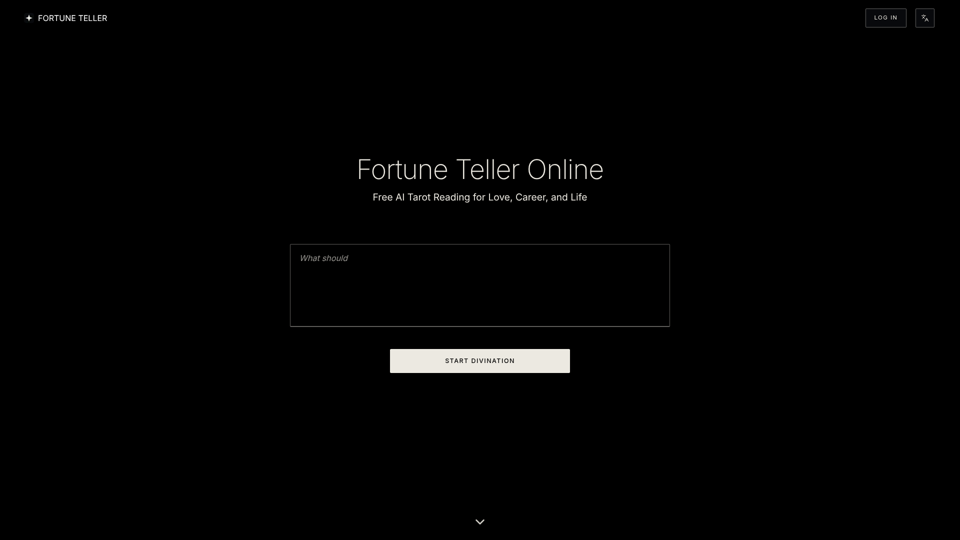
Fortune Teller Online | Free Future Reading & Guidance
Fortune Teller Online is a free AI tarot tool that provides a three‑card reading with practical next‑step advice for people needing quick clarity on love, career or life choices. Coaches can use the AI output to translate symbolism into immediate client actions.

RealRoots • Make new friends, guaranteed
RealRoots is a friendship matchmaking service that helps women ages 21 and up meet curated groups in their city through guided in-person experiences and a six-week series, mainly for women seeking new local friendships. Its AI-powered personality quizzes can help community builders and event organizers understand social styles and create more compatible, lower-friction group interactions.
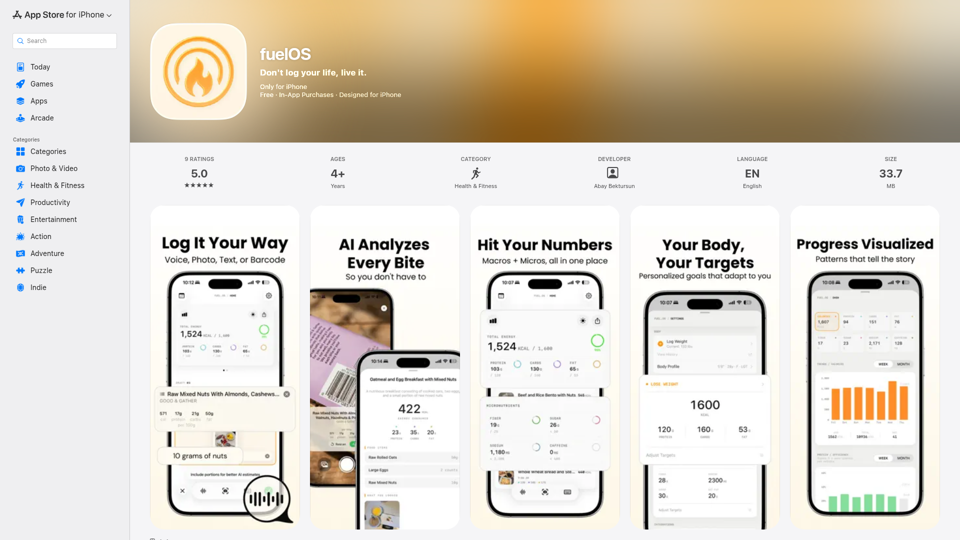
fuelOS App - App Store
fuelOS is an iPhone nutrition tracking app that uses AI to help people log meals by photo, voice, or barcode, set health goals, and monitor progress, mainly for individuals managing their diet and wellness habits. For nutrition coaches, wellness practitioners, and health-focused professionals, AI-assisted logging and meal recommendations can reduce manual tracking friction and make nutrition data easier to review in daily practice.

Your habits need a voice | TractorBeam
TractorBeam is an AI accountability partner that calls users daily, tracks goals and habits in a live dashboard, and offers text support, mainly for people trying to build consistent routines and follow through on personal goals. For coaches, managers, and knowledge workers, its voice-based check-ins and persistent memory can give AI tools more personal context, helping support better follow-up and behavior change.
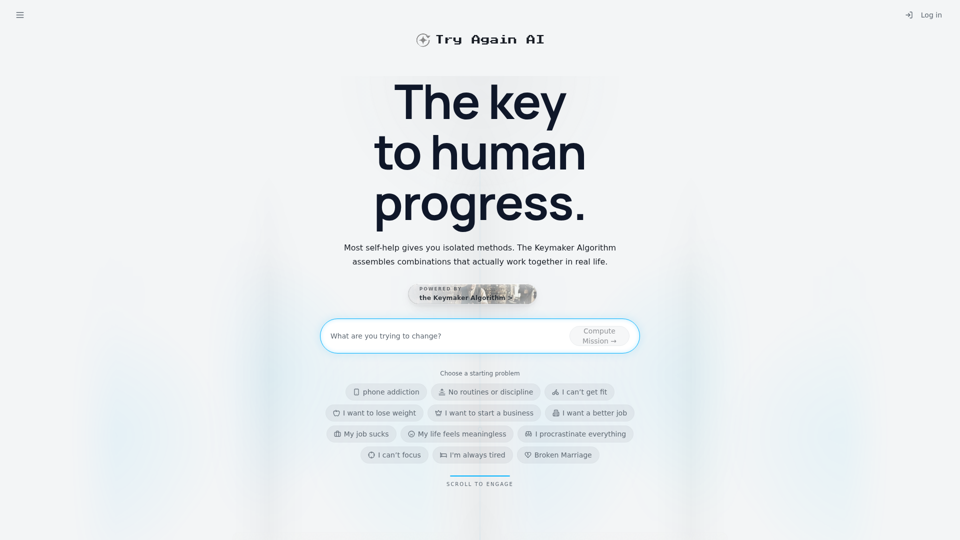
Try Again AI - The Keymaker for self-help.
Try Again AI is a self-help tool that uses its Keymaker Algorithm to assemble combinations of methods for real-life problems like procrastination, focus, routines, fitness, work, and relationships, mainly for individuals seeking structured personal improvement. In an AI-assisted coaching era, it can help coaches, counselors, and self-improvement professionals surface more coherent behavior-change approaches instead of relying on isolated tactics.
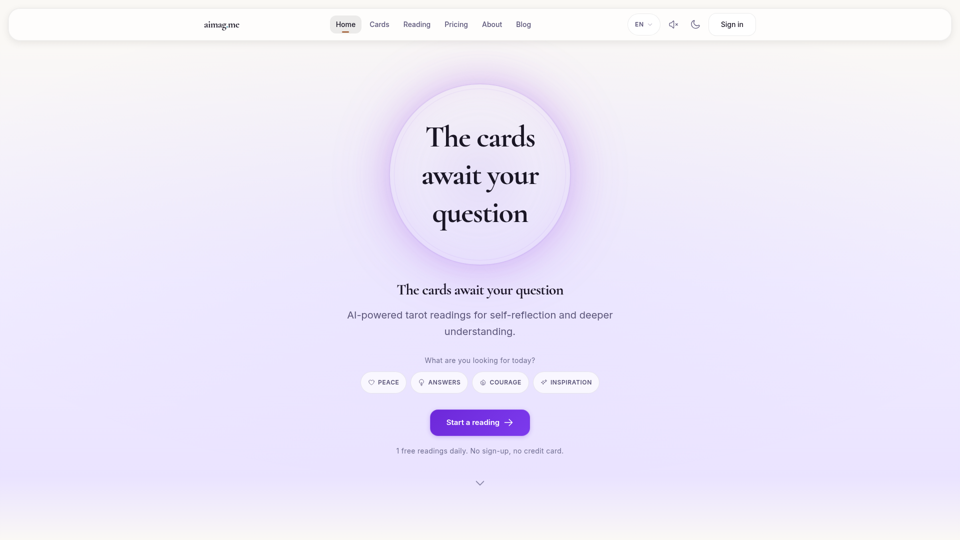
Free AI Tarot Reading — 78 Cards, 23 Spreads | aimag.me
aimag.me is an AI-powered tarot reading tool that helps people use a full 78-card deck and multiple spreads for self-reflection, question-based readings, and learning tarot without sign-up. For coaches, counselors, writers, and other reflective practitioners, it can support faster pattern recognition and more structured prompts for personal insight while leaving interpretation to the user.
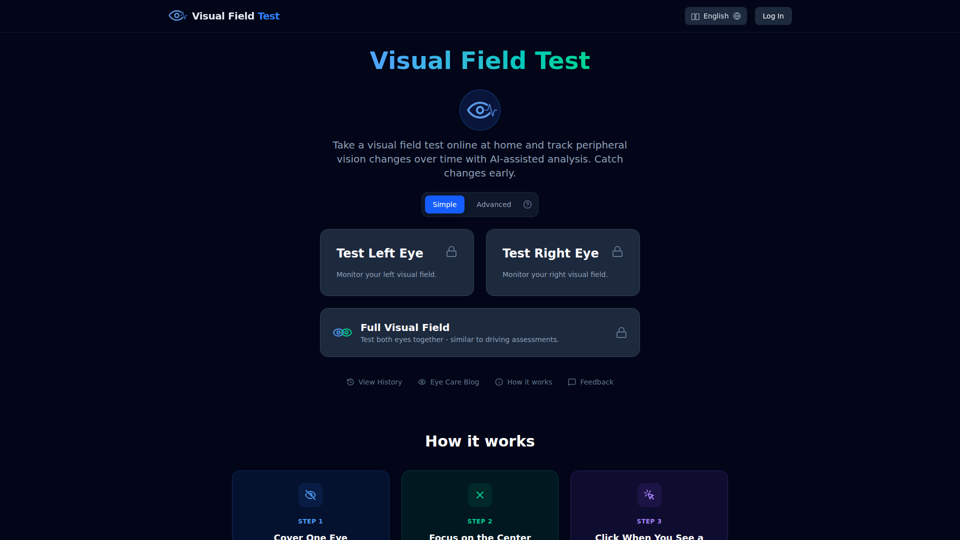
Visual Field Test - Detect Blind Spots Online
Visual Field Test is an online visual field screening and monitoring tool that helps people check for blind spots and track peripheral vision changes at home, especially those monitoring glaucoma risk or sharing results with an eye care professional. Its AI-assisted analysis and test history can help optometrists and ophthalmologists review patient-reported vision changes between visits more efficiently.
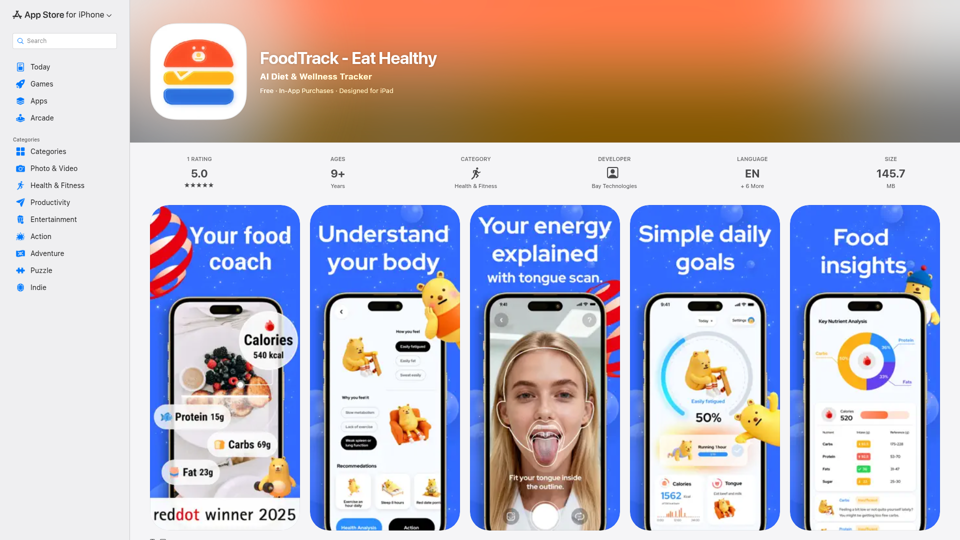
FoodTrack - Eat Healthy App - App Store
FoodTrack is an AI diet and wellness tracking app that helps users build personalized plans, log meals from photos, track exercise, and get nutritional breakdowns and TCM-based wellness insights, mainly for people managing daily health and fitness goals. For nutrition coaches, personal trainers, and wellness practitioners, it can speed up routine tracking and provide more structured client check-ins between consultations.