
Generate:Biomedicines | Home
Rate this Tool
Average Score
Total Votes
Select your score (1-10):
Detail Information
What
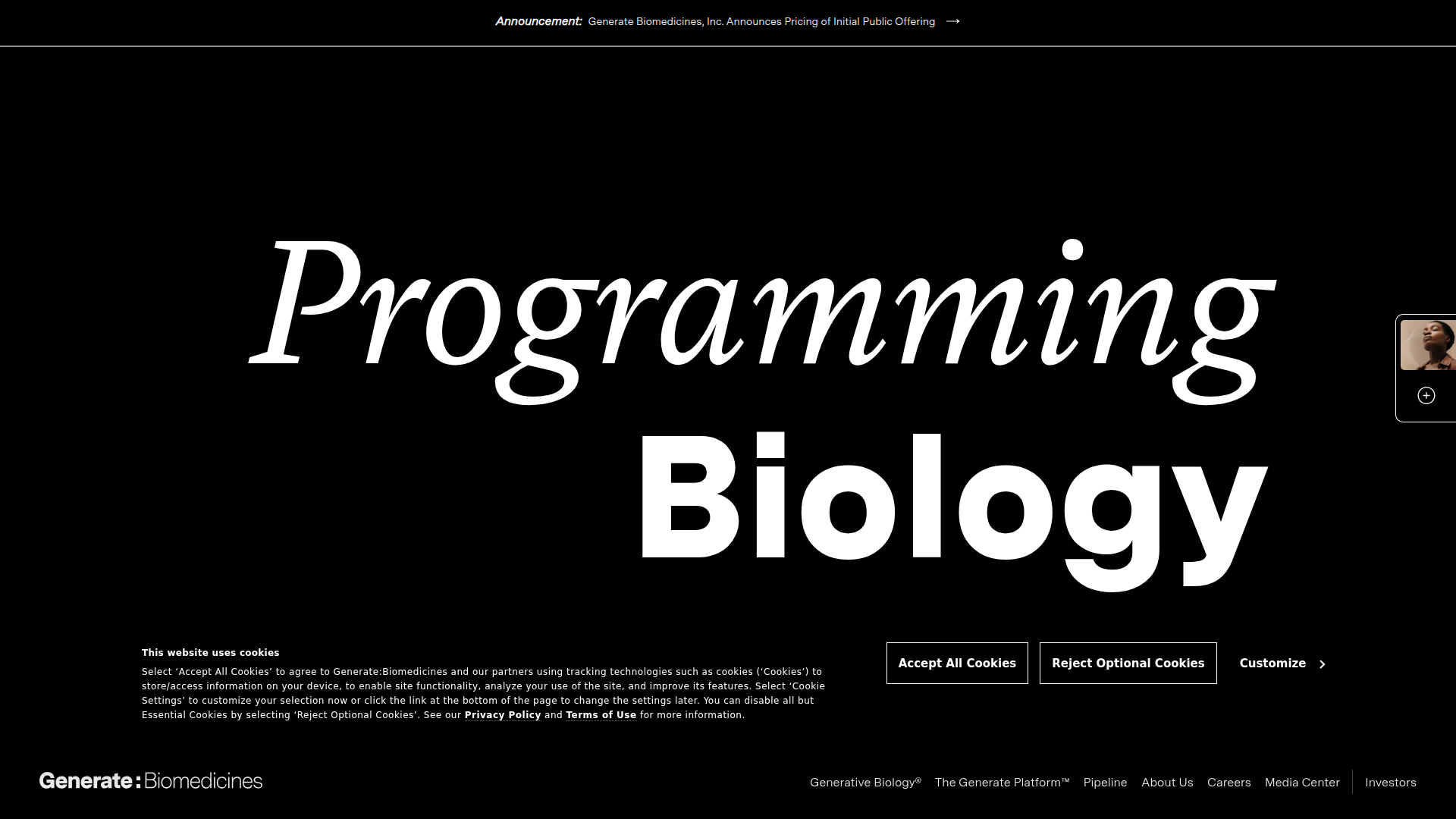
Generate:Biomedicines is a therapeutics company focused on creating protein-based medicines through what it calls Generative Biology™. The company positions itself at the intersection of machine learning, biological engineering, and medicine, using its Generate Platform™ to design novel medicines with specific therapeutic functions.
Based on the homepage, the company appears to serve the biopharmaceutical and clinical development ecosystem by accelerating how therapeutic candidates are discovered and advanced. Its core workflow combines machine learning-driven protein design with experimental testing in a continuous feedback loop, suggesting positioning as an AI-native drug discovery and development company rather than a point solution software vendor.
Features
- Generative protein design — The platform uses learned patterns from millions of proteins to generate new medicines with intended therapeutic functions.
- Integrated computation and wet-lab workflow — Machine learning and experimentation are linked in a real-time feedback loop, which helps refine models continuously rather than treating discovery as a sequential handoff.
- Multi-modality therapeutic discovery — The site states the platform can create medicines on demand across multiple therapeutic modalities, indicating broad applicability, though the homepage does not specify all modality types.
- Pipeline advancement into Phase 3 — The company highlights GB-0895, a long-acting anti-TSLP antibody for severe asthma, showing that its approach is being applied beyond early discovery.
- Protein generation and testing infrastructure — Generate reports having generated, built, and tested 42,000 proteins, supported by substantial lab and operating space, which suggests in-house capability for iterative design-validation cycles.
- Platform-led drug development model — The Generate Platform™ is presented as a foundational system intended to change how medicines are made, not only to identify targets or narrow candidates.
Helpful Tips
- Assess platform evidence by development stage — For companies in this category, assets that have progressed into clinical phases are more meaningful than broad AI claims alone.
- Separate platform claims from validated outcomes — The homepage describes speed and success-rate advantages, but it does not provide comparative data here, so those claims should be validated through technical publications or regulatory milestones.
- Review modality and disease-area fit carefully — The platform is described as multi-modality, but buyers, partners, or evaluators should confirm which molecule classes and therapeutic areas are operationally proven.
- Examine the experimentation loop, not just the models — In AI-enabled therapeutics, value often depends on how tightly model outputs connect to lab validation and iterative retraining.
- Use clinical pipeline maturity as a proxy for execution quality — A platform company with late-stage programs may offer stronger evidence of translational capability than one limited to preclinical discovery.
OpenClaw Skills
Within the OpenClaw ecosystem, this company would likely be best paired with skills for scientific intelligence, pipeline monitoring, trial tracking, and competitive landscape analysis. An OpenClaw agent could help research teams summarize Generate:Biomedicines pipeline updates, monitor programs like GB-0895, map target classes such as anti-TSLP therapies, and organize public evidence around platform claims versus demonstrated clinical progress.
A likely use case, rather than a confirmed native integration, would be building domain-specific agents for biotech BD teams, investors, translational scientists, or medical strategy groups. These workflows could combine public disclosures, clinical study updates, scientific literature, and company news into structured decision support. In practice, that could make it easier for life sciences professionals to evaluate AI-native therapeutics platforms with more rigor, faster comparison cycles, and clearer links between computational innovation and real-world development execution.
Embed Code
Share this AI tool on your website or blog by copying and pasting the code below. The embedded widget will automatically update with the latest information.
<iframe src="https://aimyflow.com/ai/generatebiomedicines-com/embed" width="100%" height="400" frameborder="0"></iframe>
Explore Similar Tools
10x Science: AI-Native Software for Scientists
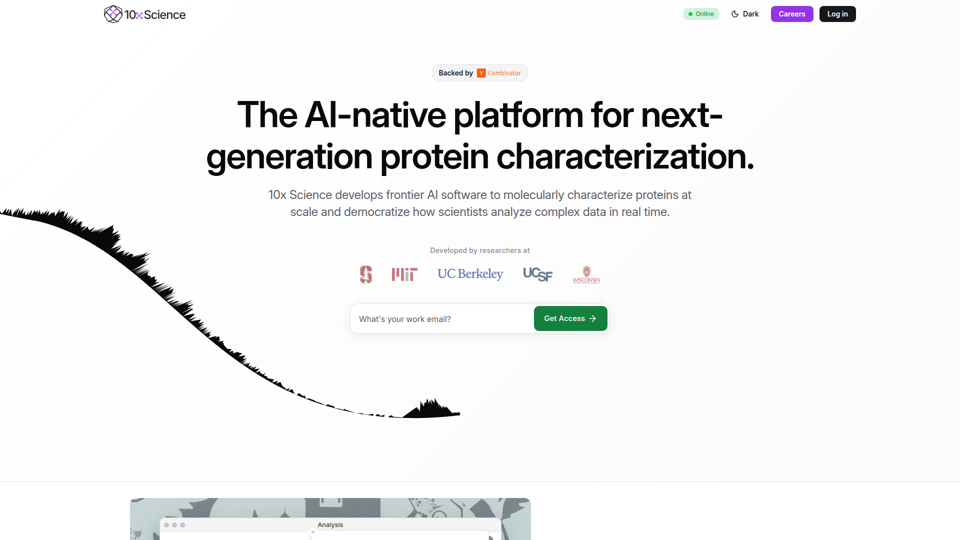
10x Science is AI-native software for scientists that helps characterize proteins and analyze omics data at scale, with features for peptide mapping, de novo sequencing, PTM detection, and proteoform analysis, especially for protein therapeutics workflows. For protein scientists and analytical teams, this can speed interpretation of complex mass spectrometry data and help reveal sequence variants or modifications that conventional tools may miss.
HELIOPOLIS BIOTECH - Protein Design, Antibody Design
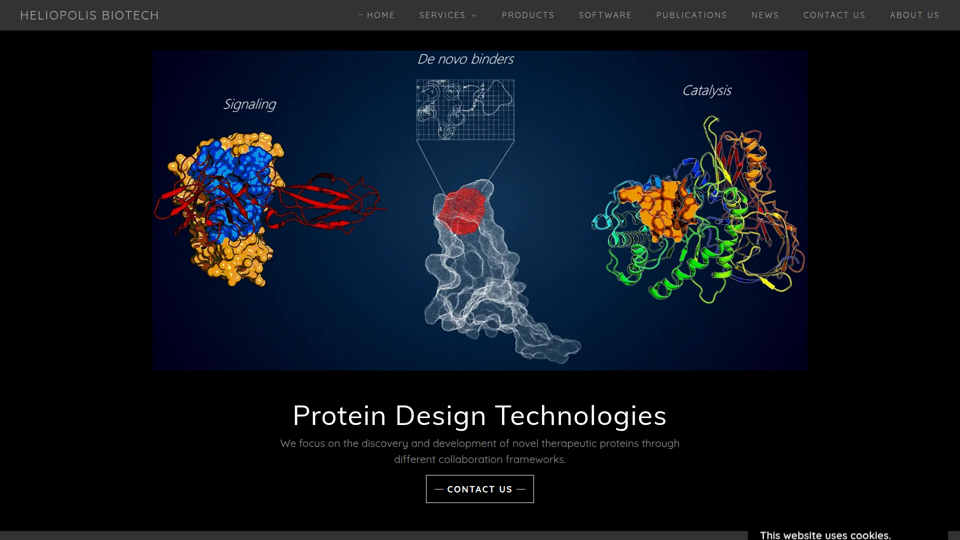
Heliopolis Biotech is a protein and antibody design company that uses computational algorithms and experimental characterization to help biotechnology and drug discovery teams develop novel therapeutic proteins, binders, and redesigned proteins. In AI-driven therapeutic R&D, this kind of platform can help protein engineers and discovery scientists move faster from molecular design to preclinical candidate evaluation.
Undermind - Radically better research and discovery
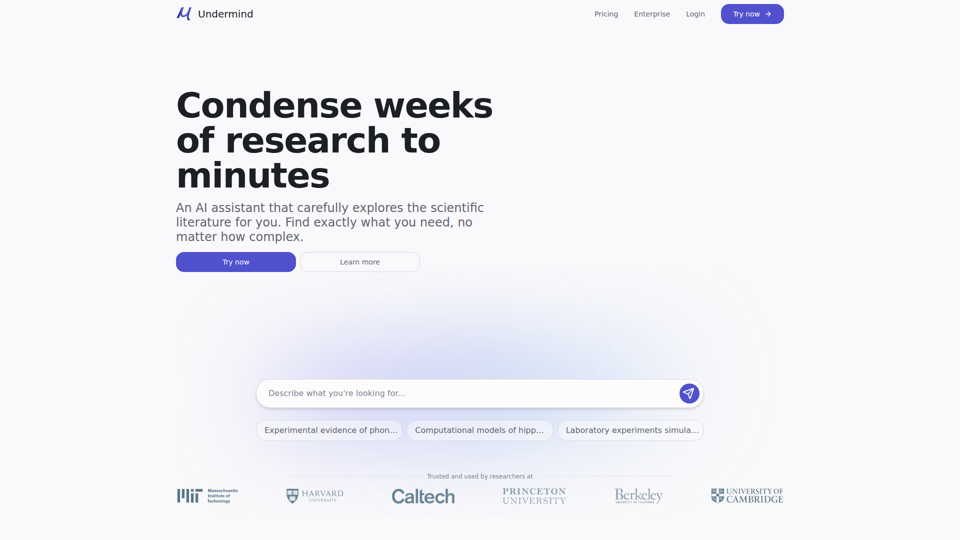
Undermind is an AI-powered scientific literature research assistant that explores papers and citation networks to help researchers and R&D teams quickly find relevant evidence, assess novelty, and understand complex topics. In AI-enabled research workflows, it can help scientists, research leads, and technical teams reduce time spent on manual literature review while improving traceability through source-linked answers and relevance filtering.
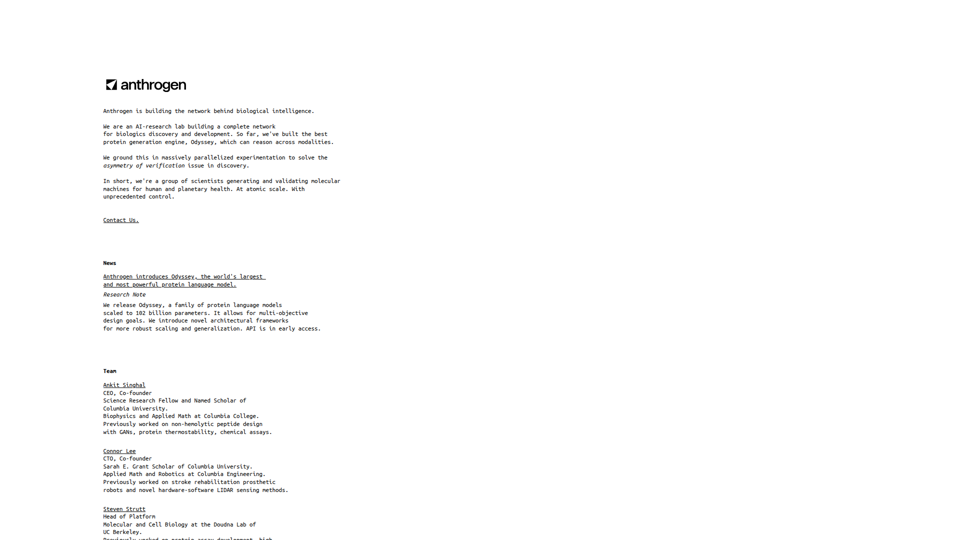
Anthrogen
Anthrogen is an AI research lab that builds protein language models and experimental validation systems to generate and develop biologics and molecular machines, mainly for scientists working in drug discovery, biotechnology, and related research. By combining multimodal protein design with massively parallelized experimentation, it can help research and platform teams evaluate candidates faster and support more efficient biologics development workflows.
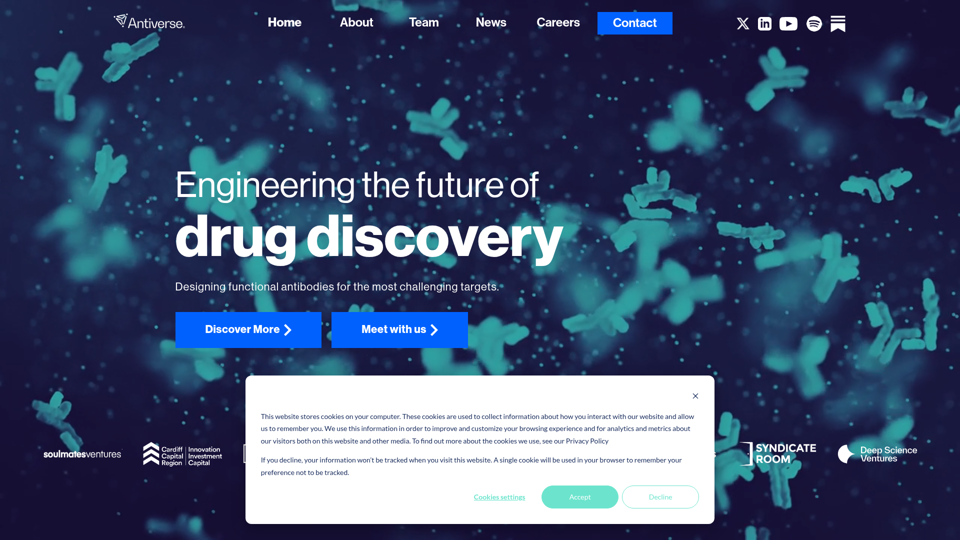
Antiverse: Designing Antibodies For Challenging Targets
Antiverse is a machine learning-driven antibody design platform focused on helping drug discovery teams design antibodies for challenging targets in therapeutic development. In AI-enabled biologics R&D, this can help antibody discovery scientists and computational biology teams prioritize candidates more efficiently when tackling hard-to-address targets.
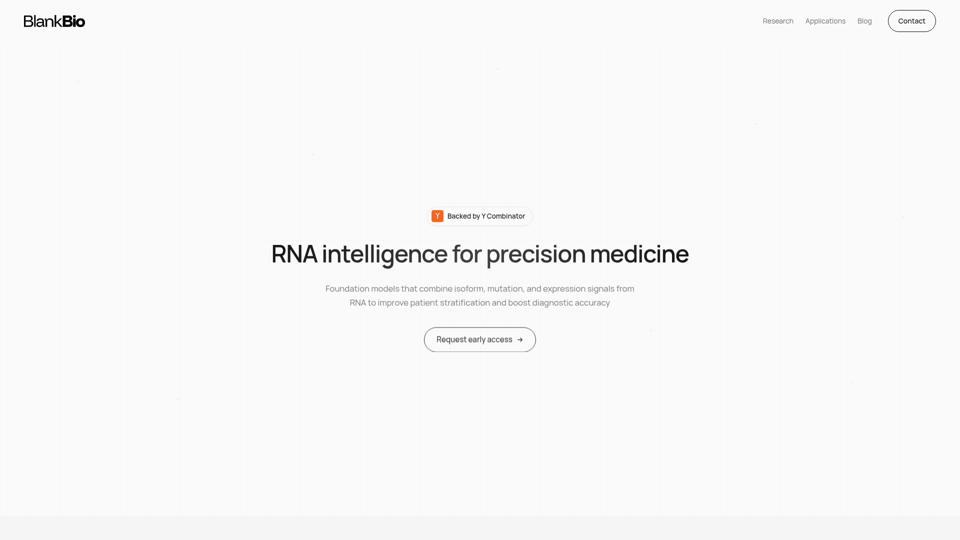
Blank Bio | RNA Intelligence for Precision Medicine
Blank Bio is an RNA intelligence platform that uses foundation models combining isoform, mutation, and expression signals to improve patient stratification, diagnostics, target discovery, and therapeutic design for precision medicine teams and researchers. For clinical researchers and biomarker teams, this AI approach can uncover transcript-level patterns that gene-level RNA analysis may miss, helping refine subgroup identification and disease classification from routine RNA-seq data.
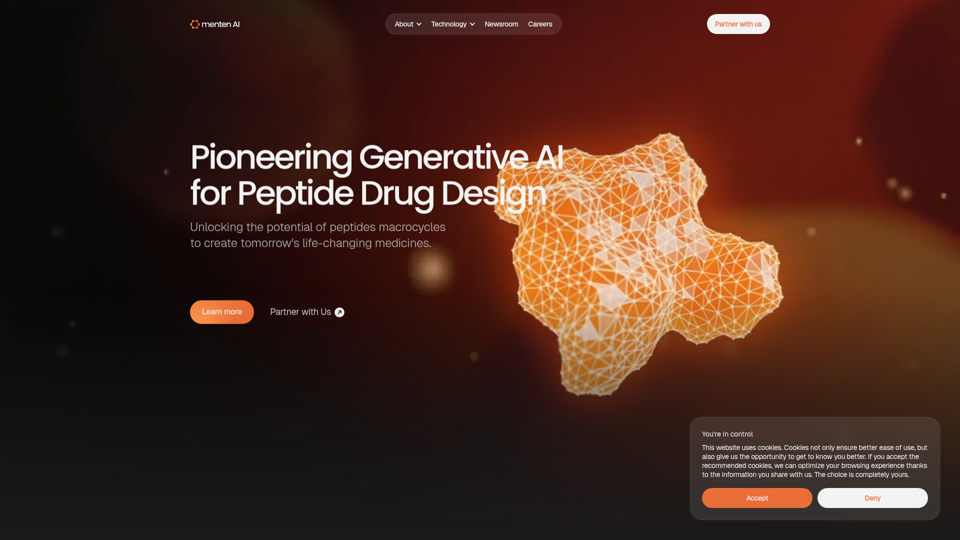
Menten AI
Menten AI is a generative AI platform for peptide macrocycle drug design that helps teams design and optimize peptides for complex targets, mainly for pharmaceutical and drug discovery researchers. For medicinal chemists and computational biology teams, it can speed preclinical candidate discovery by combining generative models with physics-based and quantum simulations.
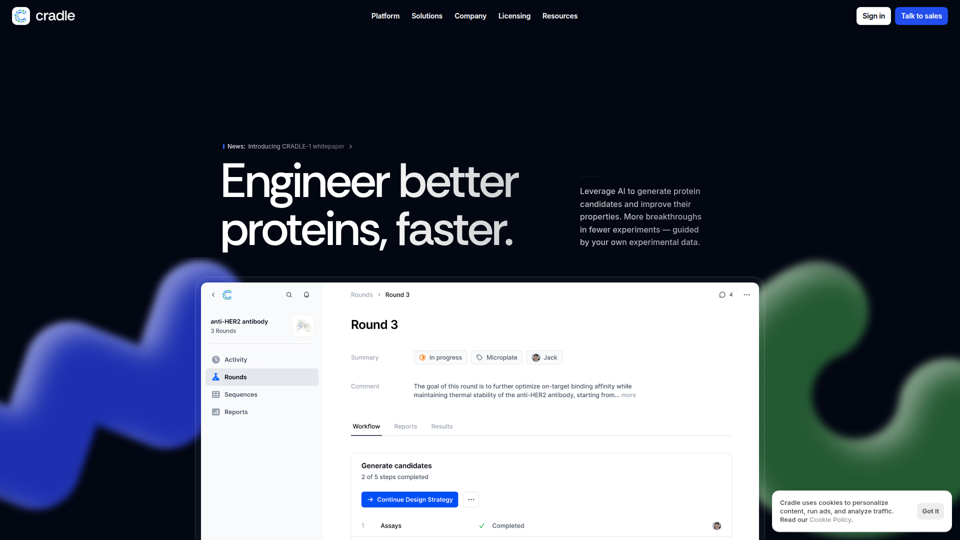
Cradle
Cradle is an AI platform for protein engineering that helps biopharma and industrial bio R&D teams generate and optimize protein candidates using their own experimental data. For protein engineers and R&D scientists, it can shorten design-build-test cycles by learning from each assay round to support faster multi-property optimization with fewer experiments.