How AI fits this role
Other Admin Roles: How AI Is Reshaping Administrative Support Across Industries
Role Overview
"Other Admin Roles" is a catch-all category that captures the wide band of administrative professionals who don't fit neatly into titles like Executive Assistant, Office Manager, or Data Entry Clerk. In practice, this includes roles such as Administrative Coordinator, Operations Support Specialist, Facilities Administrator, Records Manager, Compliance Administrator, Scheduling Coordinator, and Department Administrator — positions that exist in virtually every industry but are most densely concentrated in healthcare, legal services, financial services, government, higher education, and mid-to-large corporate environments.
These roles share a common operational DNA: they sit at the intersection of information flow, process coordination, and organizational memory. They are the people who know where the forms live, who approves what, how the calendar actually works, and why the vendor contract has that unusual clause. Their value has historically been embedded in institutional knowledge, relationship management, and the ability to navigate ambiguous, multi-stakeholder situations without a playbook.
What makes this category particularly interesting from an AI transformation standpoint is precisely its breadth. Because these roles span so many functions — document handling, scheduling, compliance tracking, vendor coordination, internal communications, budget monitoring — they are exposed to AI disruption from multiple directions simultaneously, not just one workflow at a time.
How AI Is Transforming This Role
The transformation of admin roles is not happening through a single dramatic shift. It is happening through the gradual automation of the tasks that once justified headcount — and the simultaneous elevation of the tasks that remain.
The most immediate pressure point is document and information management. Administrative professionals in legal, healthcare, and financial services have historically spent significant time routing documents, chasing approvals, formatting reports, and maintaining filing systems. AI-powered document management platforms (Microsoft Copilot integrated into SharePoint, Clio for legal, Epic's ambient documentation tools in healthcare) are now handling routing logic, version control, and retrieval with minimal human input.
Scheduling and calendar coordination — once a core time sink for administrative coordinators — is being absorbed by AI scheduling assistants that can negotiate across multiple calendars, time zones, and priority rules without human mediation. Tools like Reclaim.ai, Motion, and Microsoft Copilot's scheduling features are reducing the back-and-forth that previously required human judgment.
The more consequential shift is in compliance and records management. In regulated industries, administrative staff have long served as the human layer between policy requirements and operational reality — tracking deadlines, maintaining audit trails, flagging exceptions. AI systems are now performing continuous compliance monitoring, automated deadline tracking, and exception flagging at a scale and consistency that human administrators cannot match. This is compressing the headcount needed for pure compliance administration while raising the bar for the humans who remain.
What AI is not replacing is the contextual judgment layer: knowing when a process exception is legitimate versus a red flag, managing the political dynamics of a difficult stakeholder, or deciding how to handle a situation that falls outside any documented procedure. These remain human responsibilities — and they are becoming the defining value of the role.
Tasks AI Can Automate
- Document routing and approval workflows — AI can apply routing rules, track approval status, send reminders, and escalate overdue items without human intervention.
- Meeting scheduling and calendar management — AI scheduling tools handle availability matching, time zone conversion, and meeting prep reminders across complex multi-party calendars.
- Data entry and form processing — Intelligent document processing (IDP) tools extract structured data from forms, invoices, and contracts and populate downstream systems with high accuracy.
- Standard correspondence drafting — AI can generate first drafts of routine emails, meeting summaries, status updates, and internal announcements based on context and templates.
- Expense report processing — AI tools in platforms like Concur and Expensify now auto-categorize expenses, flag policy violations, and route for approval without manual review.
- Records classification and retention scheduling — AI can tag, classify, and apply retention policies to documents at ingestion, reducing the manual records management burden significantly.
- FAQ and internal knowledge base queries — AI chatbots integrated with internal knowledge bases can answer routine employee questions about policies, procedures, and benefits without admin involvement.
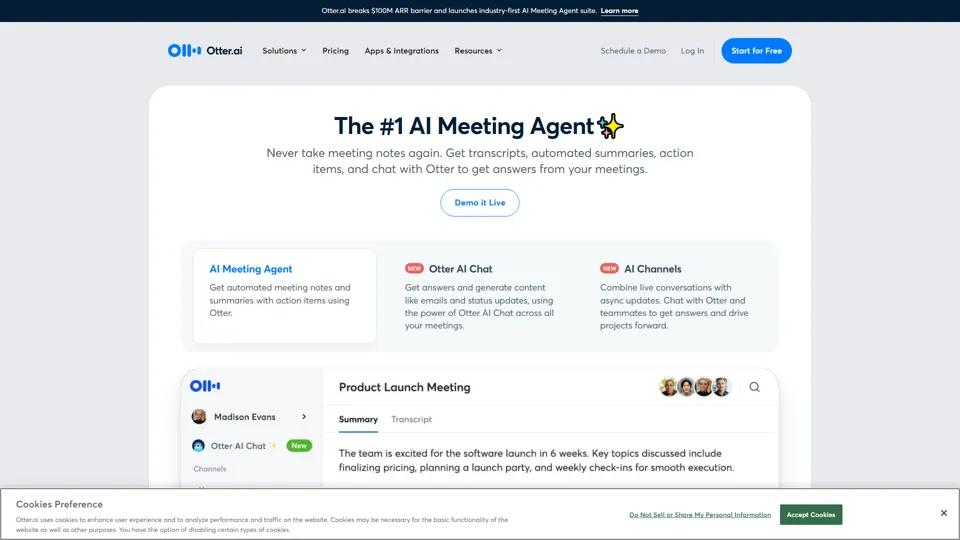
- Meeting notes and action item extraction — Tools like Otter.ai, Fireflies, and Microsoft Copilot in Teams automatically transcribe meetings, summarize key points, and extract action items.
Skills Becoming More Valuable
Process design and workflow architecture. As AI handles execution, the humans who understand how to design the processes AI will run become significantly more valuable. Admins who can map a workflow, identify failure points, and configure automation tools are moving from support roles into operational design roles.
AI tool configuration and prompt engineering. The ability to set up, customize, and maintain AI tools — writing effective prompts, configuring routing rules, training document classifiers — is becoming a core administrative competency, not an IT function.
Cross-functional coordination and stakeholder management. When routine tasks are automated, the remaining human work is disproportionately relational and political. Managing competing priorities across departments, navigating difficult personalities, and building the trust that makes organizations actually function — these skills are appreciating in value.
Judgment in ambiguous or exception-heavy situations. AI systems handle the standard case well. The human administrator's value increasingly lies in recognizing when a situation is non-standard and knowing what to do about it.
Data literacy and reporting interpretation. Administrative professionals who can read a dashboard, interpret operational metrics, and translate data into actionable recommendations for leadership are far more valuable than those who can only produce the report.
Vendor and contract management. As procurement processes become more complex and AI surfaces more options, the ability to evaluate vendors, negotiate terms, and manage ongoing relationships remains a distinctly human skill.
Skills Becoming Less Important
- Manual data entry and transcription — IDP and AI transcription tools have made this largely redundant in organizations that have adopted them.
- Physical filing and document retrieval — Cloud-based document management with AI search has eliminated most of the value in knowing where physical or digital files are stored.
- Rote scheduling and calendar management — The back-and-forth of scheduling coordination is increasingly handled by AI without human involvement.
- Formatting and template-based document production — AI can produce well-formatted, template-compliant documents from minimal input, reducing the value of formatting expertise.
- Memorizing internal procedures and policies — When AI can retrieve and summarize policy documents on demand, the institutional memory value of knowing procedures by heart diminishes.
- Basic correspondence drafting — Routine email drafting, acknowledgment letters, and standard communications are increasingly AI-generated with human review rather than human-authored.
Current AI Adoption in This Industry
Adoption is uneven but accelerating, with the sharpest uptake in industries where administrative volume is high and compliance requirements create strong ROI for automation.
In legal services, AI-powered document management (iManage, NetDocuments with AI layers, Clio) is now standard in mid-to-large firms. Administrative staff are spending less time on document handling and more time on client coordination and matter management support.
In healthcare, ambient AI documentation tools (Nuance DAX, Suki) are reducing the administrative burden on clinical support staff, while AI scheduling systems are handling patient appointment coordination at scale. The administrative coordinator role in healthcare is shifting toward exception management and patient experience support.
In financial services and insurance, intelligent document processing for applications, claims, and compliance filings is compressing the headcount needed for processing roles. Administrative staff who remain are increasingly focused on relationship management and complex case handling.
In corporate environments, Microsoft 365 Copilot is the most significant near-term adoption vector. Organizations that have deployed it are reporting measurable reductions in time spent on email management, meeting preparation, and document drafting — directly affecting administrative workloads.
In government and higher education, adoption is slower due to procurement cycles, data governance concerns, and union considerations, but the pressure is building. Pilot programs are underway in most large public sector organizations.
Future Workflow Evolution
The administrative workflow of 2027 will look structurally different from today's in three specific ways.
First, the human-AI handoff point will move upstream. Today, AI handles execution and humans handle exceptions. In three to five years, AI will handle both execution and first-pass exception triage, with humans intervening only on escalated or high-stakes exceptions. This means administrative professionals will spend less time on volume work and more time on judgment calls — but there will be fewer of them needed for the same organizational footprint.
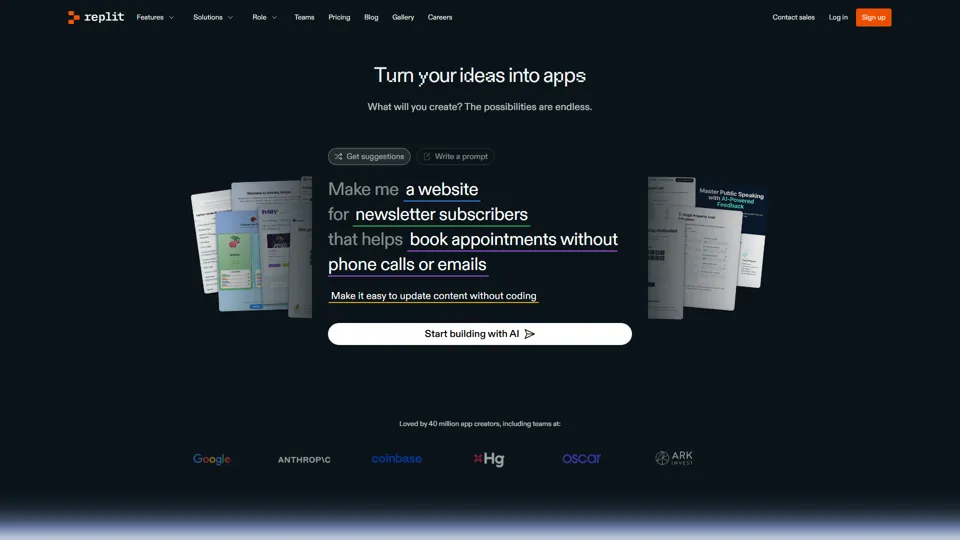
Second, administrative roles will increasingly own AI tool configuration. Rather than submitting IT tickets to change a workflow, administrative coordinators will directly configure the automation rules, approval chains, and notification logic in their platforms. This is already happening in organizations using tools like Monday.com, Notion, and Microsoft Power Automate — and it will become a baseline expectation.
Third, the role boundary between administrative and operational will blur. As AI handles the transactional layer, the remaining human work in admin roles looks increasingly like operational analysis, process improvement, and stakeholder management — work that was previously the domain of operations managers or business analysts. The most successful administrative professionals will reposition themselves as operational support specialists rather than task executors.
Common AI Use Cases
- Automated meeting preparation packages — AI aggregates relevant documents, prior meeting notes, and action item status into a briefing document before each meeting.
- Contract and document review assistance — AI flags non-standard clauses, missing fields, and compliance gaps in contracts before human review.
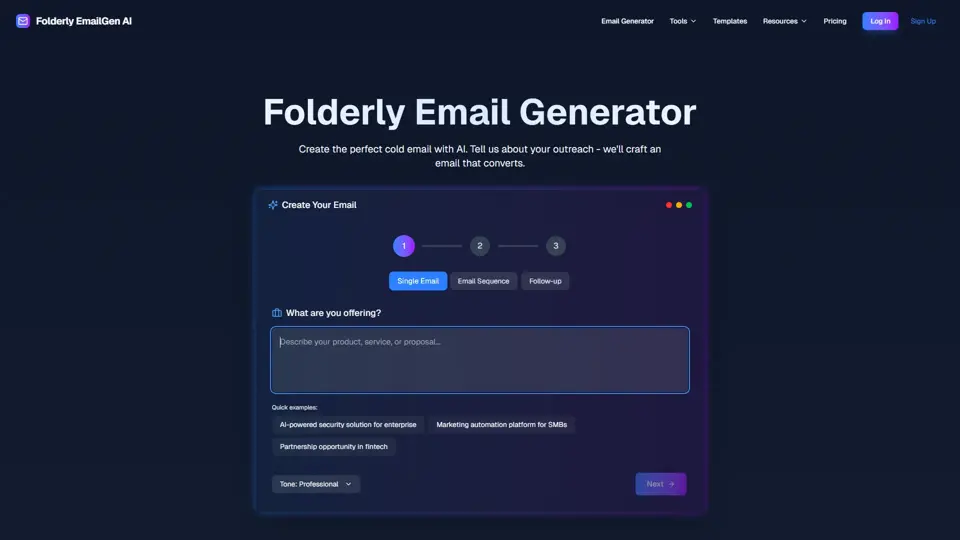
- Intelligent inbox triage — AI categorizes, prioritizes, and drafts responses to incoming email, reducing the time spent on email management by 40–60% in documented deployments.
- Compliance deadline monitoring — AI tracks regulatory filing deadlines, license renewals, and audit schedules, sending alerts and escalating overdue items automatically.
- Vendor invoice processing — AI extracts invoice data, matches against purchase orders, flags discrepancies, and routes for approval without manual data entry.
- Internal knowledge base management — AI keeps internal wikis and policy documents current by flagging outdated content and suggesting updates based on recent changes.
- Travel and logistics coordination — AI tools handle travel booking within policy parameters, generate itineraries, and manage changes without human coordination.
- Onboarding workflow automation — AI orchestrates the multi-step onboarding process — equipment requests, system access, orientation scheduling, document collection — reducing the administrative burden of new hire processing.
Recommended AI Stack
For document and records management:
- Microsoft SharePoint with Copilot (enterprise standard)
- iManage or NetDocuments (legal-specific)
- DocuWare or Laserfiche (regulated industries)
For scheduling and calendar coordination:
- Reclaim.ai or Motion (AI-native scheduling)
- Microsoft Copilot in Outlook (integrated scheduling assistance)
- Calendly with routing logic (external scheduling)
For communication and correspondence:
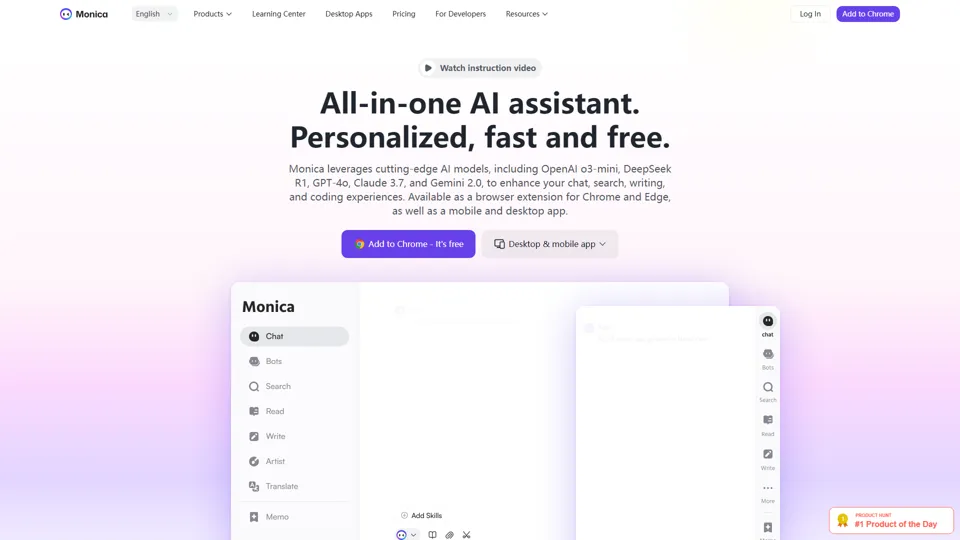
- Microsoft 365 Copilot (email drafting, meeting summaries)
- Otter.ai or Fireflies.ai (meeting transcription and action items)
- Grammarly Business (communication quality)
For workflow automation:
- Microsoft Power Automate (enterprise workflow automation)
- Monday.com or Asana with AI features (project and task coordination)
- Zapier or Make (cross-platform automation for smaller organizations)
For expense and procurement:
- Concur with AI expense processing
- Coupa or Zip (procurement workflow automation)
For compliance and records:
- Relativity or Exterro (legal and compliance)
- Workiva (financial and regulatory reporting)
Risks & Challenges
Over-automation of judgment-dependent tasks. The risk is not that AI will replace administrative professionals — it is that organizations will automate too aggressively and remove the human judgment layer from processes that genuinely need it. Compliance exceptions, sensitive HR situations, and vendor disputes handled entirely by AI create liability exposure that most organizations have not fully priced.
Institutional knowledge loss. As experienced administrative professionals retire or are displaced, the contextual knowledge they carry — why a process works the way it does, which vendor relationships are fragile, where the undocumented exceptions live — is not being systematically captured. AI tools can retrieve documented knowledge but cannot replace undocumented institutional memory.
Tool fragmentation and integration debt. Many organizations are deploying AI tools at the departmental level without enterprise-wide integration. Administrative staff are managing five to eight AI tools that don't talk to each other, creating new coordination overhead that partially offsets the efficiency gains.
Skill gap and change resistance. The administrative workforce skews toward professionals who built their careers on execution skills that AI is now automating. Retraining for process design, AI configuration, and data literacy is not happening fast enough in most organizations, creating a growing gap between what the role requires and what current incumbents can deliver.
Data privacy and access control. AI tools that process administrative data — contracts, HR records, financial documents — create new data governance risks. Administrative professionals are often not equipped to evaluate the data handling practices of the AI tools they are being asked to use.
Future Outlook (3–5 Years)
The administrative support function will not disappear, but it will contract in headcount and expand in scope per remaining role. The most credible projection, based on current adoption trajectories, is a 20–35% reduction in administrative headcount in large organizations over the next five years — concentrated in roles focused on high-volume, low-judgment tasks — alongside a meaningful increase in compensation and seniority for the administrative professionals who remain.
The roles that survive will look more like Operations Coordinators or Administrative Business Partners than traditional admin support. They will own AI tool configuration, manage exception workflows, serve as the human interface for complex stakeholder situations, and provide the organizational continuity that AI systems cannot.
In regulated industries — healthcare, legal, financial services, government — the reduction will be slower due to compliance requirements and change management complexity, but the direction is the same. The administrative professional who is still valuable in 2029 is the one who has already started building the skills that AI cannot replicate: process design, stakeholder judgment, and the ability to configure and manage the AI systems that handle everything else.
The organizations that navigate this transition well will be those that invest in reskilling their administrative workforce rather than simply reducing it — treating the transition as a capability upgrade rather than a cost-cutting exercise.
Final Insight
The administrative professional's core value proposition is shifting from "I handle the tasks" to "I design and govern the systems that handle the tasks." That is not a marginal change — it is a fundamental repositioning of what the role is for.
The professionals who recognize this early and invest in process design, AI literacy, and stakeholder management skills will find that AI has not diminished their value — it has amplified it, by removing the low-value work that obscured their judgment and coordination capabilities. The ones who wait for the role to stabilize before adapting will find that the stable version of the role has significantly fewer seats.
The window for proactive repositioning is open now. In three years, the organizations that have completed their AI integration will have already decided which administrative roles they need and what those roles look like. The time to influence that decision is before it is made.