How AI fits this role
Health Practitioners in the Age of AI: A Role-by-Role Transformation Analysis
Role Overview
Health practitioners — a category spanning general practitioners, nurses, allied health professionals, specialists, and community health workers — form the operational backbone of healthcare delivery. In high-volume primary care settings, a GP may see 30 to 40 patients per day. In hospital environments, nurses manage complex care coordination across multiple patients simultaneously. Allied health professionals such as physiotherapists, occupational therapists, and dietitians operate in both clinical and community settings, often with limited administrative support.
The defining characteristic of this role is clinical judgment under uncertainty: synthesizing incomplete information, managing patient anxiety, navigating comorbidities, and making decisions that carry direct consequences for human health. Unlike many knowledge-worker roles, health practitioners operate in environments where errors are not easily reversible and where the human relationship itself is part of the therapeutic intervention.
Commercial pressures are intensifying. Healthcare systems globally face workforce shortages, rising chronic disease burdens, aging populations, and constrained funding. In Australia, the UK's NHS, and the US primary care sector, practitioner burnout is at record levels — driven not by clinical complexity alone, but by administrative load. Studies consistently show that clinicians spend 35 to 50 percent of their working hours on documentation, coding, referrals, and compliance tasks rather than direct patient care.
This is the operational context into which AI is now being deployed.
How AI Is Transforming This Role
AI is entering health practitioner workflows through three distinct vectors: ambient documentation, clinical decision support, and population-level risk stratification.
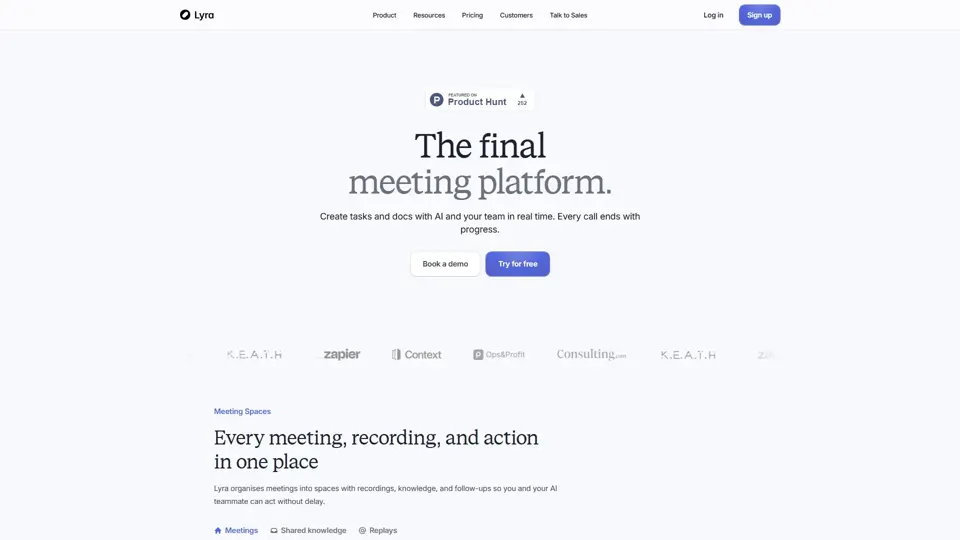
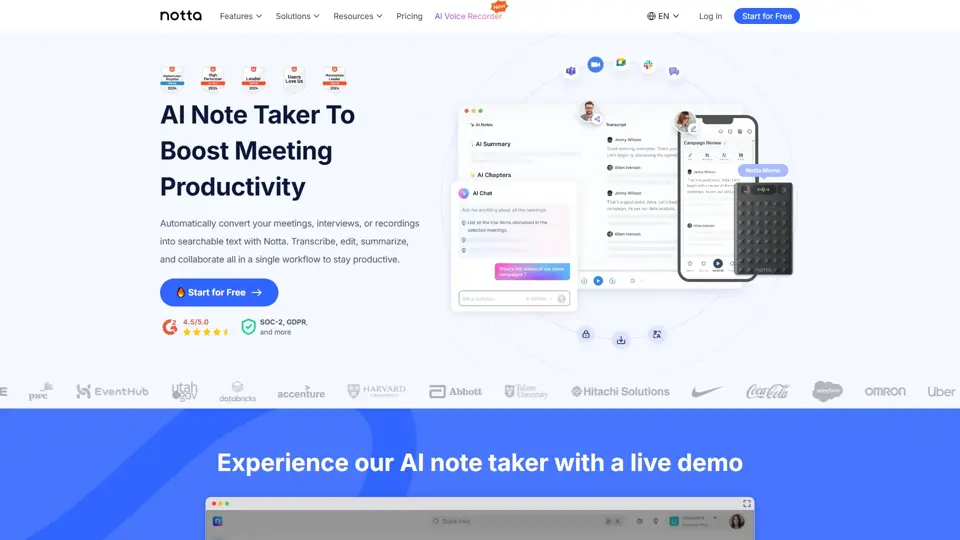
Ambient documentation is the most immediately disruptive. Tools like Nuance DAX Copilot, Nabla, and Heidi Health use ambient voice AI to listen to clinical consultations and generate structured clinical notes in real time. A GP who previously spent 90 minutes per day on post-consultation documentation can reduce that to under 20 minutes. This is not a marginal efficiency gain — it fundamentally changes the economics of a clinical session and the practitioner's cognitive load by end of day.
Clinical decision support is maturing beyond simple drug interaction alerts. Systems like Epic's Cognitive Computing layer, Google's MedPaLM 2, and Microsoft's Nuance integration with Azure OpenAI are beginning to surface differential diagnoses, flag abnormal patterns in longitudinal patient data, and prompt practitioners to consider investigations they might not have ordered. The shift here is from reactive alerting to proactive pattern recognition across patient histories.
Risk stratification at population scale is changing how practices and health systems allocate practitioner time. AI models trained on EHR data can identify patients at elevated risk of hospitalization, deterioration, or medication non-adherence — enabling proactive outreach before acute episodes occur. This moves health practitioners from reactive responders to proactive care managers, but only if the workflow infrastructure supports it.
The net effect is not replacement but reorientation: practitioners are being asked to supervise AI outputs, act on AI-generated insights, and spend more of their time on the relational and complex-judgment dimensions of care that AI cannot replicate.
Tasks AI Can Automate
- Clinical documentation: Generating SOAP notes, discharge summaries, referral letters, and after-visit summaries from ambient audio or structured prompts
- Coding and billing: Automated ICD-10 and CPT code suggestion from clinical notes, reducing coder dependency and claim rejection rates
- Prescription renewals: Routing repeat prescription requests through AI triage that checks for contraindications, recent pathology, and clinical guidelines before flagging for practitioner sign-off
- Appointment triage: AI-powered symptom checkers and triage tools (e.g., Infermedica, Babylon) routing patients to appropriate care levels before they reach a practitioner
- Radiology and pathology pre-reads: AI flagging of abnormal chest X-rays, ECG anomalies, and out-of-range lab values for prioritized practitioner review
- Chronic disease monitoring: Automated analysis of continuous glucose monitor data, remote blood pressure readings, and wearable outputs with structured summaries for clinical review
- Prior authorization drafting: AI generating supporting documentation for insurance pre-approvals based on clinical notes and guidelines
- Patient communication: Drafting post-visit instructions, follow-up reminders, and care plan summaries in plain language
Skills Becoming More Valuable
Clinical reasoning under ambiguity — AI surfaces probabilities and patterns, but the practitioner must integrate contextual factors AI cannot access: the patient's living situation, their health literacy, their willingness to engage with treatment, and the unspoken concerns behind their presenting complaint.
Therapeutic communication and trust-building — As administrative friction decreases, the quality of the practitioner-patient relationship becomes the primary differentiator in care outcomes. Motivational interviewing, shared decision-making, and the ability to deliver difficult news with clarity and compassion are not automatable.
AI output supervision and critical appraisal — Practitioners must develop the capacity to identify when AI-generated notes are inaccurate, when decision support recommendations are contextually inappropriate, and when risk scores are misleading. This is a new clinical competency, not a technical one.
Complex care coordination — Managing patients with multiple chronic conditions, social determinants of health challenges, and fragmented care histories requires integrative thinking that AI tools currently assist but cannot lead.
Procedural and hands-on clinical skills — Physical examination, procedural competency, and the tactile dimensions of clinical assessment remain entirely human domains.
Population health literacy — Understanding how to act on AI-generated population risk data, design proactive outreach programs, and interpret cohort-level insights is becoming a core practitioner skill in value-based care models.
Skills Becoming Less Important
- Manual clinical documentation speed — Typing speed and shorthand documentation skills matter less when ambient AI handles note generation
- Memorization of drug dosing tables and interaction lists — Real-time AI-assisted prescribing support reduces the premium on rote pharmacological recall
- Manual coding knowledge — Deep familiarity with ICD and CPT coding hierarchies is increasingly handled by AI-assisted coding tools
- Routine data retrieval and chart review — Manually scanning through years of patient records to find relevant history is being replaced by AI-generated patient summaries
- Basic triage decision-making — Straightforward triage decisions (e.g., whether a symptom warrants urgent vs. routine care) are increasingly handled upstream by AI triage tools before the patient reaches the practitioner
Current AI Adoption in This Industry
Adoption is uneven and heavily stratified by setting, system size, and geography.
Large integrated health systems — Kaiser Permanente, Mayo Clinic, NHS trusts with digital transformation programs — are running structured pilots of ambient documentation, predictive risk scoring, and AI-assisted radiology. Epic and Oracle Health have embedded AI features directly into their EHR platforms, meaning adoption is partly passive: practitioners using these systems encounter AI suggestions whether or not they sought them out.
In primary care, particularly in independent practices and community health settings, adoption is slower. The barrier is not skepticism but integration complexity. Most small practices lack the IT infrastructure, change management capacity, and vendor support to deploy AI tools that connect meaningfully with their existing workflows.
Nursing and allied health have seen less AI investment than medicine, despite representing the majority of the health workforce. This is beginning to shift: AI tools for nursing documentation, care plan generation, and patient education content are entering the market, but clinical validation and workflow integration remain early-stage.
Regulatory frameworks are also shaping adoption pace. The FDA's AI/ML-based Software as a Medical Device (SaMD) framework, the EU AI Act's classification of high-risk AI in healthcare, and the TGA's evolving guidance in Australia are creating compliance requirements that slow deployment but also establish the accountability structures that clinical adoption requires.
Future Workflow Evolution
The 2027 to 2030 clinical workflow for a health practitioner in a well-resourced setting will look structurally different from today's.
Pre-consultation, an AI system will have reviewed the patient's longitudinal record, flagged outstanding preventive care gaps, summarized recent pathology and imaging, and generated a structured agenda based on the patient's stated reason for visit and their chronic condition status. The practitioner arrives at the consultation already oriented.
During the consultation, ambient AI captures the conversation. The practitioner focuses entirely on the patient. Post-consultation, a draft note is available within seconds for review and sign-off. Referral letters, care plans, and patient instructions are auto-generated and require only light editing.
Between consultations, AI-generated population dashboards surface patients who have not engaged with care plans, whose remote monitoring data suggests deterioration, or who are overdue for review. Practitioners make proactive outreach decisions based on risk-ranked lists rather than waiting for patients to present.
The practitioner's role shifts from information processor to clinical decision-maker and relationship manager. The volume of patients a single practitioner can manage effectively increases — but so does the complexity of the cases that reach them, as AI handles more of the routine upstream.
This evolution assumes adequate AI governance, practitioner training, and EHR integration. In under-resourced settings, the gap between AI-enabled and non-AI-enabled care delivery will widen significantly.
Common AI Use Cases
| Use Case | Representative Tools | Maturity Level |
|---|---|---|
| Ambient clinical documentation | Nuance DAX, Nabla, Heidi Health | Production-ready |
| AI-assisted diagnosis support | Isabel DDx, Epic Cognitive Computing | Early clinical adoption |
| Radiology AI pre-reads | Aidoc, Annalise.ai, Viz.ai | Production in radiology |
| Chronic disease remote monitoring | Biofourmis, Current Health | Growing deployment |
| Patient triage and symptom checking | Infermedica, Babylon, Ada Health | Widely deployed |
| Predictive risk stratification | Health Catalyst, Arcadia, Innovaccer | Health system adoption |
| AI-assisted coding and billing | Optum360, Fathom, Codify | Active commercial deployment |
| Medication management and reconciliation | DrFirst, Surescripts AI | Integrated in pharmacy workflows |
Recommended AI Stack
For a primary care practice or small specialist group looking to deploy AI meaningfully:
Documentation layer Heidi Health or Nabla for ambient note generation — both offer EHR-agnostic integration and are designed for clinical workflow rather than general transcription. Nuance DAX is the enterprise option for larger systems already on Microsoft infrastructure.
Clinical decision support Leverage what is already embedded in your EHR before adding point solutions. Epic's AI features, Oracle Health's clinical intelligence tools, and Best Practice Advisory (BPA) customization cover a significant portion of decision support needs without additional vendor complexity.
Patient communication and engagement Klara or Luma Health for AI-assisted patient messaging, appointment reminders, and post-visit follow-up. These reduce front-desk load and improve care plan adherence without requiring clinical oversight for every interaction.
Population health and risk stratification For practices operating in value-based care contracts, Arcadia or Innovaccer provide the population-level analytics needed to act on risk data. For smaller practices, the analytics built into your EHR's population health module is the practical starting point.
Avoid: Deploying multiple point solutions that do not integrate with your EHR. The value of AI in clinical settings is proportional to its integration with the longitudinal patient record. Standalone tools that require manual data entry or separate logins will not achieve adoption.
Risks & Challenges
Automation bias is the most clinically significant risk. When AI surfaces a differential diagnosis or flags a risk score, practitioners may anchor on that output rather than conducting independent reasoning. Studies in radiology have already documented cases where AI-assisted reads led to missed findings that were present but not flagged by the algorithm. Training practitioners to treat AI outputs as one input among many — not as authoritative conclusions — is a governance challenge, not a technical one.
Documentation accuracy and liability — Ambient AI notes are not always accurate. Mishearing clinical terms, misattributing statements to the wrong party, or omitting clinically significant details are documented failure modes. The practitioner who signs off on an AI-generated note bears full clinical and legal responsibility for its contents. Current practitioner training rarely addresses this adequately.
Health equity and algorithmic bias — AI models trained predominantly on data from well-resourced health systems may perform poorly for patients from underrepresented populations, non-English speakers, or those with atypical presentations. Deploying these tools without bias auditing risks systematically disadvantaging already-vulnerable patient groups.
Workforce displacement in administrative roles — AI-driven documentation and coding automation will reduce demand for medical transcriptionists, coding specialists, and some administrative functions. This is a real workforce transition challenge that health systems are not yet managing proactively.
Data privacy and consent — Ambient recording of clinical consultations raises consent and data sovereignty questions that vary by jurisdiction. Practitioners must understand what data their AI tools capture, where it is stored, and how it is used for model training.
Integration fragmentation — The health AI vendor landscape is fragmented. Tools that work well in isolation often create workflow friction when deployed alongside existing EHR systems, creating practitioner frustration and reducing adoption.
Future Outlook (3–5 Years)
By 2028, ambient documentation will be standard in most well-resourced clinical settings — not a differentiator but a baseline expectation. The competitive question will shift from whether to use AI documentation to which AI documentation system integrates most effectively with clinical workflows and produces the most accurate notes across specialties.
Multimodal AI — systems that can analyze clinical images, audio, structured EHR data, and patient-reported outcomes simultaneously — will begin entering clinical practice beyond radiology. Dermatology, ophthalmology, and wound care are the near-term frontiers. General practice will follow as smartphone-based diagnostic tools mature.
The regulatory environment will tighten. Post-market surveillance requirements for AI/ML medical devices will increase, and health systems will face greater accountability for demonstrating that AI tools perform equitably across patient populations. This will raise the compliance burden but also create clearer standards for responsible deployment.
The practitioner workforce will bifurcate. Practitioners in well-resourced, digitally mature settings will operate with AI augmentation that meaningfully expands their capacity and reduces burnout. Practitioners in under-resourced settings — rural, community health, low-income country contexts — will face the same workforce pressures without the AI infrastructure to address them. Addressing this gap is the defining health equity challenge of the next decade.
Medical education is beginning to respond. Schools in the US, UK, and Australia are introducing AI literacy into curricula, but the pace is slow relative to the rate of clinical deployment. The current generation of mid-career practitioners will need continuing professional development pathways that address AI supervision, output appraisal, and governance — skills that did not exist in their original training.
Final Insight
The most important thing to understand about AI in health practitioner roles is that the technology is not the constraint. The constraint is the clinical, organizational, and regulatory infrastructure needed to deploy AI in ways that are safe, equitable, and genuinely integrated into how care is delivered.
Health practitioners who will thrive in this environment are not those who become AI experts. They are those who develop a clear-eyed understanding of what AI can and cannot do in clinical contexts, who maintain the relational and reasoning skills that no algorithm replicates, and who engage actively in shaping how AI tools are governed and evaluated in their practice settings.
The practitioners most at risk are not those who resist AI — they are those who adopt it uncritically, delegating judgment to systems that are probabilistic tools, not clinical authorities. The human in the loop is not a regulatory formality. In healthcare, it remains the essential safeguard.