
ZenMux
Rate this Tool
Average Score
Total Votes
Select your score (1-10):
Detail Information
What
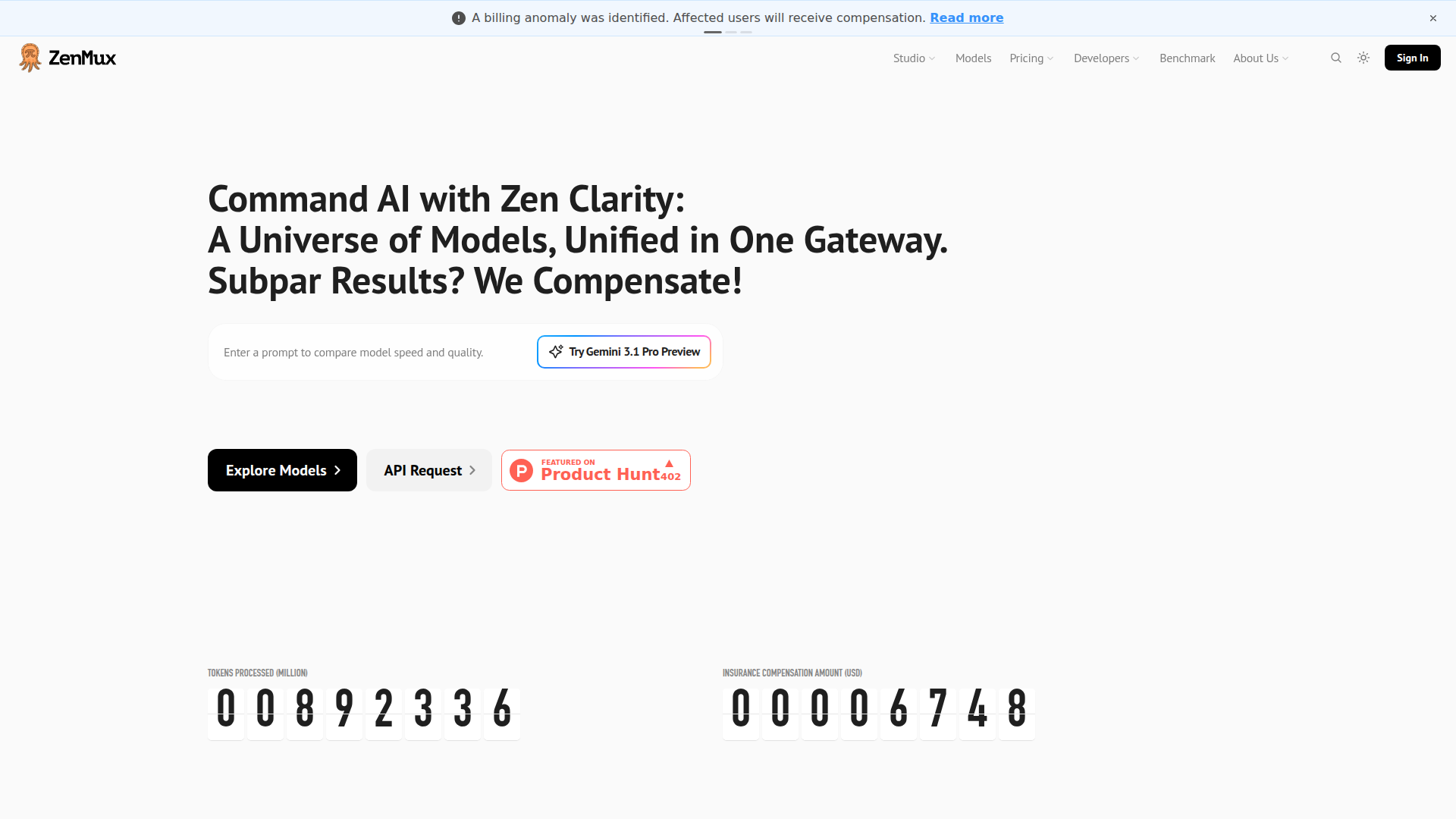
ZenMux is an AI model gateway that gives developers and AI product teams one account and one API to access multiple leading models through a unified interface. The site positions it as a developer-first platform for calling models by API or using a GUI for chat, image, and video generation, with support for OpenAI-, Anthropic-, and Google Vertex AI-style protocols.
The core workflow is consolidating model access, routing, monitoring, and reliability management into one layer so teams do not have to manage separate accounts, keys, and provider channels. ZenMux appears positioned as an infrastructure and operations layer for teams that need multi-model access, visibility into usage and costs, and resilience features such as failover and edge delivery.
Features
- Unified multi-model access: One account and one API provide access to multiple AI models, reducing operational overhead from managing separate vendors and credentials.
- Protocol compatibility: The API is described as compatible with OpenAI, Anthropic, and Google Vertex AI protocols, which can simplify migration or multi-provider application design.
- Built-in compensation workflow: ZenMux states that it automatically compensates users for issues such as hallucinated outputs, excessive latency, or low throughput, adding a service assurance layer beyond standard logging.
- Quality verification and HLE testing: The platform says it runs regular Human Last Exam benchmarks and publishes results in real time, giving teams a way to compare model channel quality and monitor degradation trends.
- Detailed usage and cost dashboards: Request, token, and cost tracking are presented as traceable and multi-dimensional, which can help teams control spend and analyze model performance.
- Auto routing and failover: ZenMux Auto selects models based on prompt quality-cost tradeoffs, while multi-provider failover and Cloudflare edge delivery aim to improve availability and latency.
Helpful Tips
- Validate protocol compatibility in your own stack: Even with stated compatibility, test SDK behavior, streaming, error handling, and model-specific parameters before broad rollout.
- Treat auto-routing as a policy layer: For production use, define when automatic model selection is acceptable and when fixed-model usage is required for consistency or evaluation reasons.
- Use compensation claims as a support feature, not your main control system: Internal observability, prompt evaluation, and output QA are still necessary because compensation does not replace application-level safeguards.
- Review benchmark methodology carefully: Published quality tests can be useful, but buyers should confirm how often tests run, which channels are covered, and how closely the benchmark reflects their own workloads.
- Check governance for bad-case feedback loops: If the platform returns anonymized failure cases, establish internal review processes for data handling, evaluation, and model improvement workflows.
OpenClaw Skills
ZenMux could fit well inside the OpenClaw ecosystem as a model access and orchestration layer for AI agents that need flexible model selection, fallback behavior, and cost-aware execution. Likely OpenClaw skills could include prompt-to-model routing agents, cost monitors that shift workloads by task type, benchmark watchers that flag degraded channels, and incident handlers that reroute traffic when latency or throughput drops. The source does not confirm a native OpenClaw integration, so this should be viewed as a likely implementation pattern rather than a built-in connector.
In practice, this combination could be useful for engineering teams, AI product operators, and agent builders running multi-step workflows across coding, research, support, or content tasks. An OpenClaw setup layered on ZenMux could automate model governance, dynamic workload placement, and post-run evaluation while preserving a single API surface underneath. For organizations adopting many models at once, that could shift the operating model from manual provider management toward policy-driven AI operations.
Embed Code
Share this AI tool on your website or blog by copying and pasting the code below. The embedded widget will automatically update with the latest information.
<iframe src="https://aimyflow.com/ai/zenmux-ai/embed" width="100%" height="400" frameborder="0"></iframe>
Explore Similar Tools
Free AI Photo Editor: Edit & Generate Image Online | Pokecut
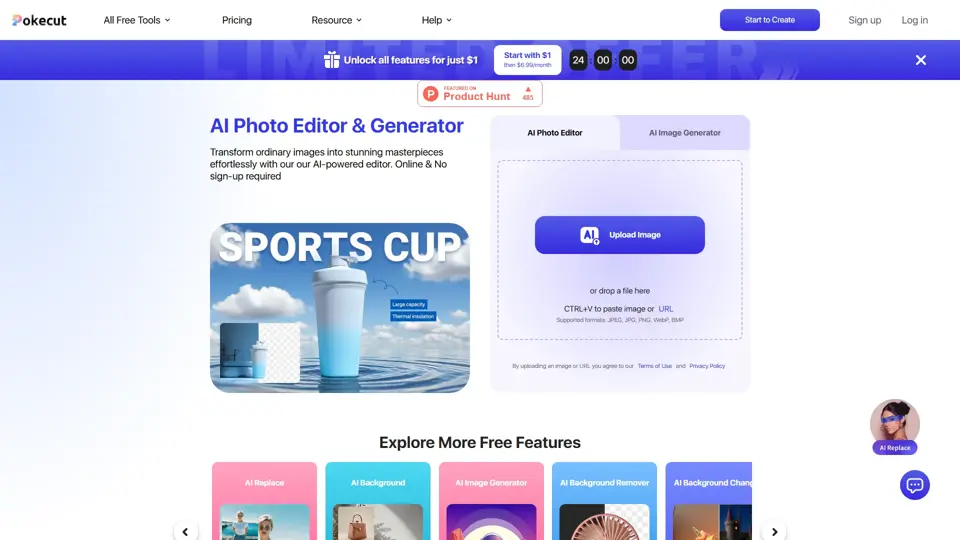
Pokecut is an AI photo editor that helps users remove backgrounds, enhance images, and generate visuals online, mainly for ecommerce sellers, marketers, and creators who need quick design-ready assets. It speeds up routine image production so visual teams can create polished content with less manual editing.
Roboflow: Computer vision tools for developers and enterprises
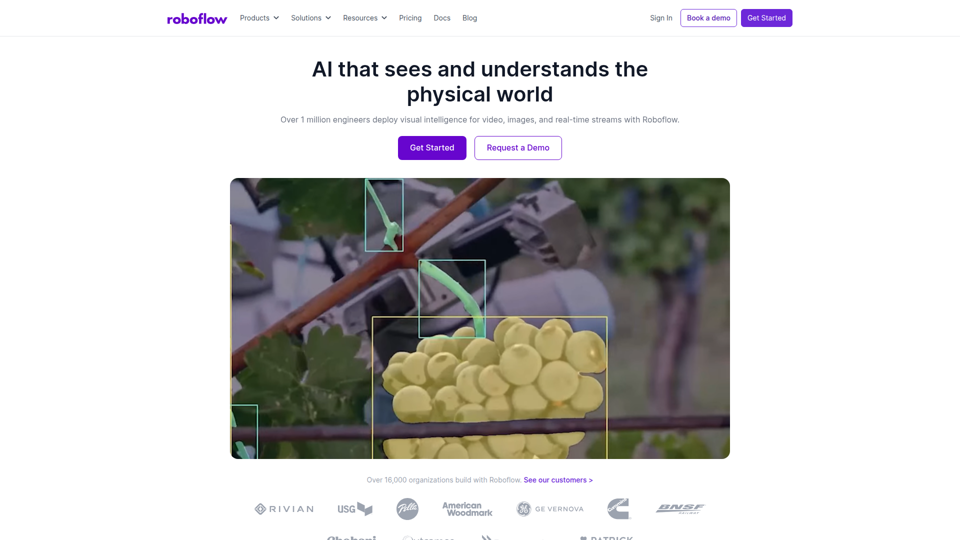
Roboflow is a computer vision platform that helps developers, machine learning engineers, and enterprises annotate data, train models, build workflows, and deploy vision AI for images, video, and real-time streams. In AI-driven operations, it can help computer vision and ML teams move faster from prototype to production by combining data labeling, model training, and deployment in one workflow.

Seedance 2.0
Seedance 2.0 is ByteDance's AI video generation model designed to create high-quality videos from prompts and multimodal inputs, mainly for creators, developers, and media teams. In the AI era, it helps visual content roles turn ideas into production-ready motion assets with far less manual editing effort.
Struct | Automate your on-call runbook
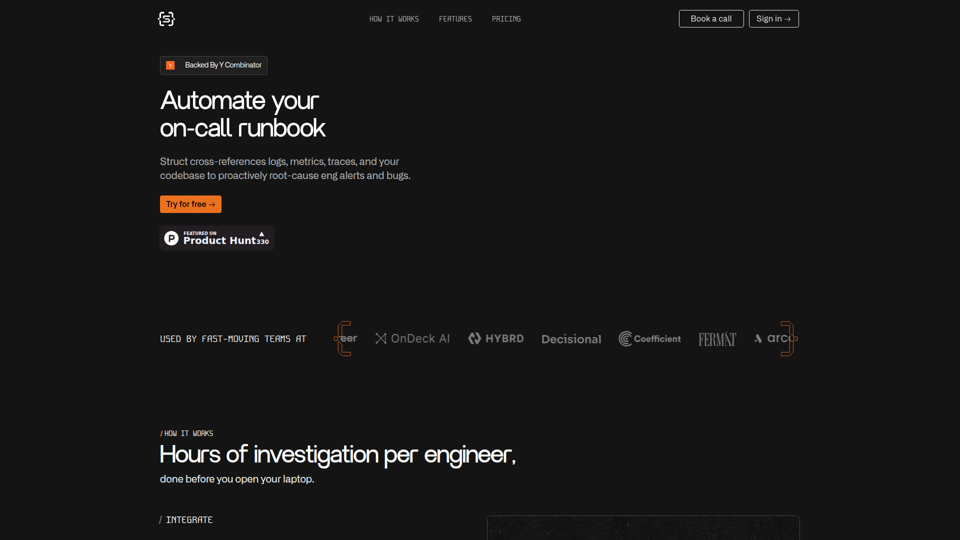
Struct is an AI on-call agent that investigates engineering alerts and bugs by analyzing logs, metrics, traces, and codebases, mainly for software engineers and SRE teams. In the AI era, it helps incident responders shorten triage time by delivering root-cause findings and suggested fixes directly in workflows.
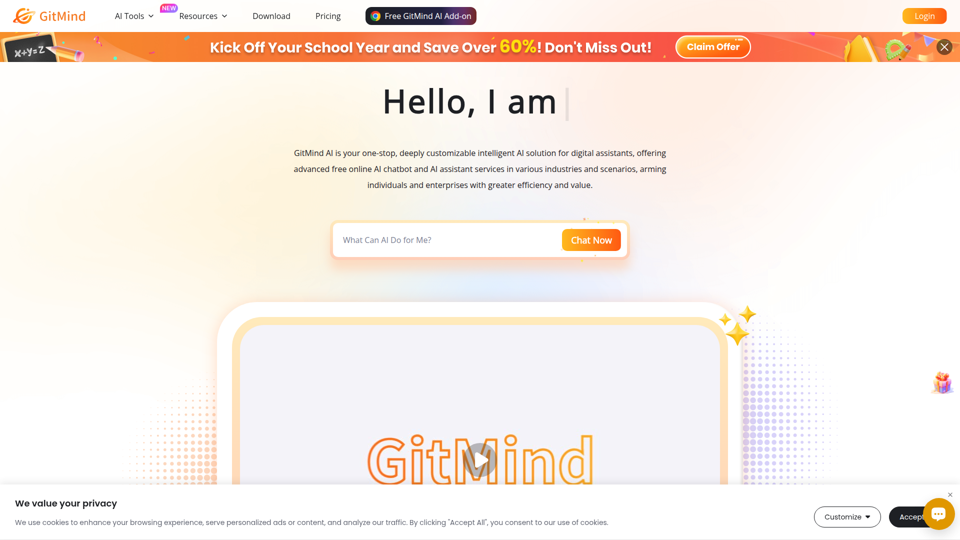
GitMind Chat - Your Best AI Assistant
GitMind Chat is an AI assistant and chatbot platform that helps individuals and enterprises handle conversations, analysis, writing, coding, translation, customer service, and custom AI agent creation through prebuilt or configurable assistants. For roles such as marketers, analysts, support teams, educators, and developers, it can streamline repetitive knowledge work by combining chat, file and link inputs, image analysis, and contextual responses in one workflow.
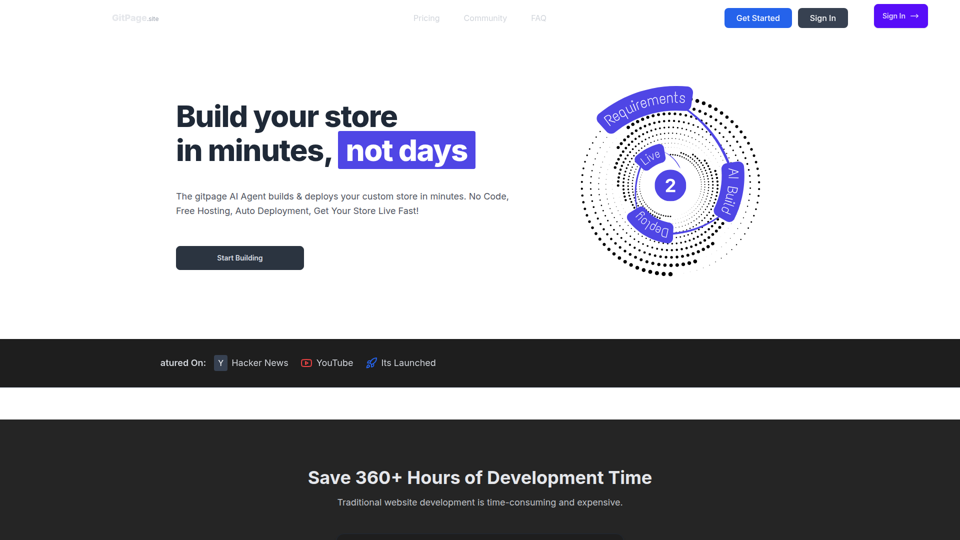
GitPage AI Website Builder | GitPage
GitPage is an AI website builder that generates and deploys websites, online stores, and landing pages from a form, mainly for freelancers, agencies, startups, and businesses that want no-code site creation with code ownership. For web professionals and client-service teams, it can reduce manual setup and content drafting by automating page generation, blog content, and deployment to GitHub or GitLab Pages.

Rohan Mehta
Rohan Mehta is a personal website for a New York–based software engineer at OpenAI, outlining his background at Meta and as a YC-backed startup founder, and highlighting his creator role behind the Subway Time NYC transit app. For software engineers and technical hiring teams, this kind of concise profile helps AI-era talent evaluation by quickly surfacing relevant build, scale, and product experience.
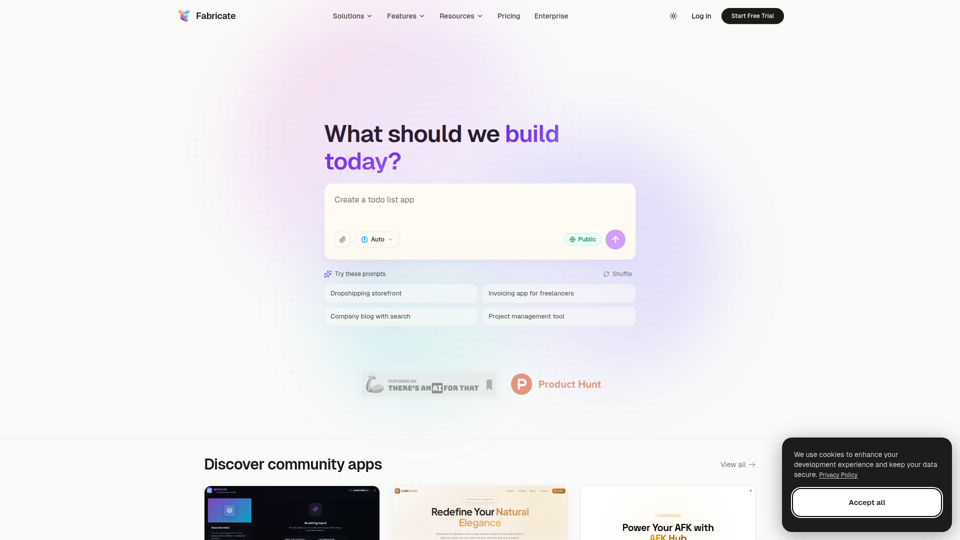
Fabricate - AI Full-Stack App Builder | Build Anything, Ship Faster
Fabricate is an AI full-stack app builder that helps users describe an app idea and generate production-ready web applications, mainly for founders, developers, designers, freelancers, agencies, and enterprises. In AI-assisted product development, it can help these teams move faster from concept to deployable React, TypeScript, and backend code with less manual setup.