
Watashi Colorizer — Manga, Manhwa & Webtoon Colorization Tool
Rate this Tool
Average Score
Total Votes
Select your score (1-10):
Detail Information
What
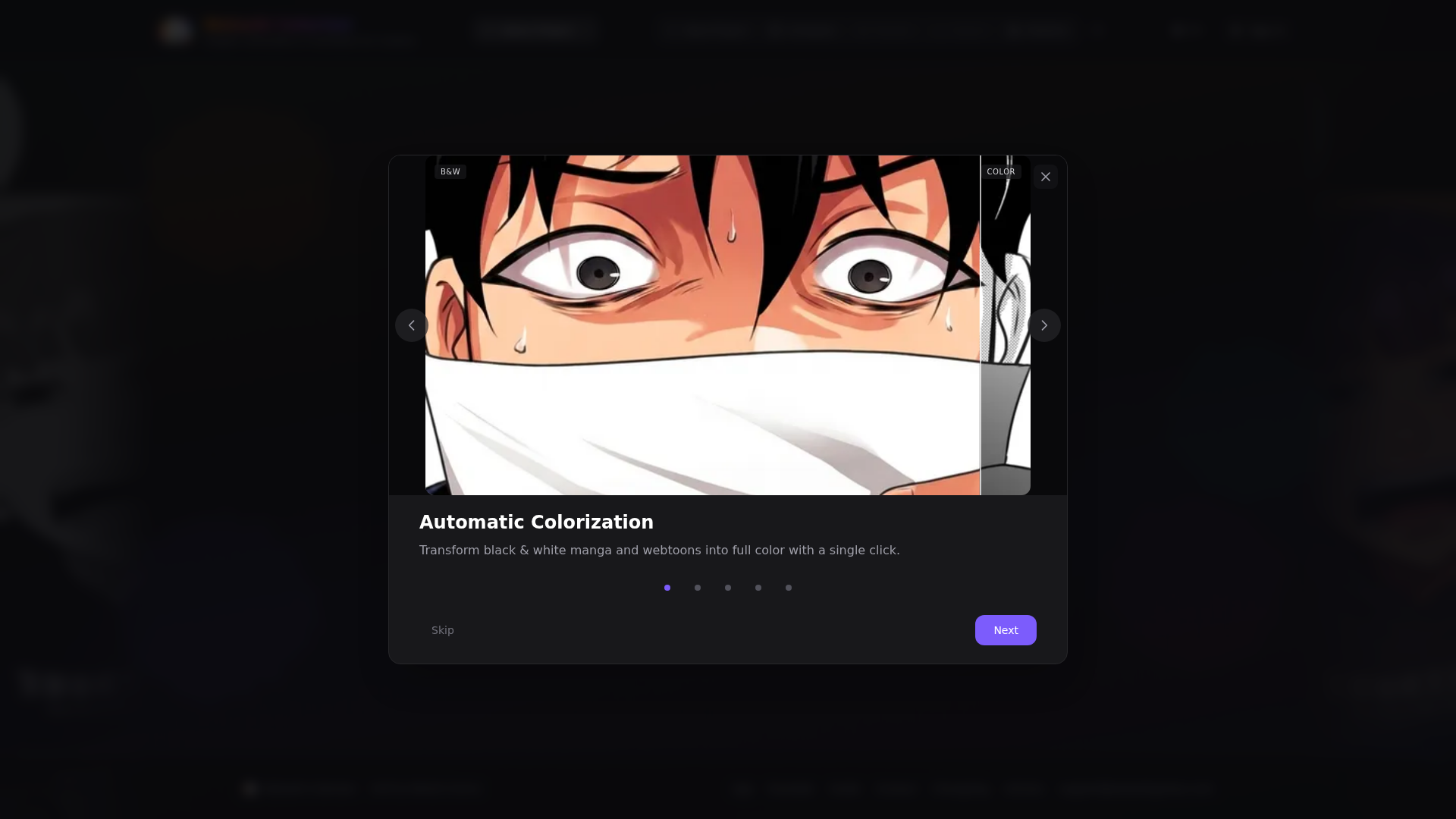
Watashi Colorizer is a colorization tool for manga, manhwa, and webtoons. Based on the page content, it is designed for creators who want to turn black-and-white chapters or pages into full color with an automated workflow.
The product appears positioned as a creator-focused application from Watashi Games, centered on chapter colorization and translation. The visible workflow suggests project-based use, with functions such as creating a project, comparing results, reader view, export, and palette-related controls, though the page provides limited detail on how each step works.
Features
- Automatic colorization: Converts black-and-white manga and webtoon content into full color with a single click, reducing manual coloring effort.
- Project-based workflow: Includes options such as selecting or creating a project, which likely helps organize work by chapter or series.
- Chapter colorization and translation: The interface explicitly references both colorization and translation, indicating support for creators managing visual localization workflows.
- Compare view: A comparison function is shown in the navigation, which likely helps review before-and-after output.
- Reader mode: A reader option is listed, suggesting a way to preview colored content in a reading format.
- Export and palettes controls: Export and palettes are visible in the product navigation, implying users can output finished work and manage color styling, though the page does not explain the depth of these capabilities.
Helpful Tips
- Validate output consistency early: For automated colorization tools, review a few representative pages first to check whether characters, backgrounds, and scene tone stay visually consistent across a chapter.
- Clarify translation scope before adoption: Since the page mentions translation but does not describe the workflow, confirm whether it covers text extraction, replacement, editing, or only a narrower step.
- Assess export fit for your publishing pipeline: The presence of export is useful, but teams should verify supported formats, image quality, and whether outputs match webtoon, manga, or print requirements.
- Use palette controls to maintain series identity: If palette management is central to the tool, define recurring color rules for characters and environments to reduce manual corrections.
- Check project structure for collaboration needs: If multiple editors, artists, or localization staff will use the tool, confirm how projects are organized and whether review steps are supported.
OpenClaw Skills
Watashi Colorizer could likely fit into OpenClaw as part of a comic production and localization workflow. A practical OpenClaw skill might ingest chapter assets, route them into a colorization step, trigger translation-related tasks, and then send outputs to review, reader-preview, and export stages. Since the page does not state any native integration, this should be treated as a likely workflow design rather than a confirmed capability.
In a broader publishing context, OpenClaw agents could be built around chapter intake, style enforcement, QA review, glossary management, and release packaging for manga, manhwa, and webtoon teams. That combination could help creators and small studios move from raw black-and-white chapters to review-ready localized editions with less manual coordination, especially where repetitive production steps currently slow down release schedules.
Embed Code
Share this AI tool on your website or blog by copying and pasting the code below. The embedded widget will automatically update with the latest information.
<iframe src="https://aimyflow.com/ai/watashicolorizer-com/embed" width="100%" height="400" frameborder="0"></iframe>
Explore Similar Tools
Versive
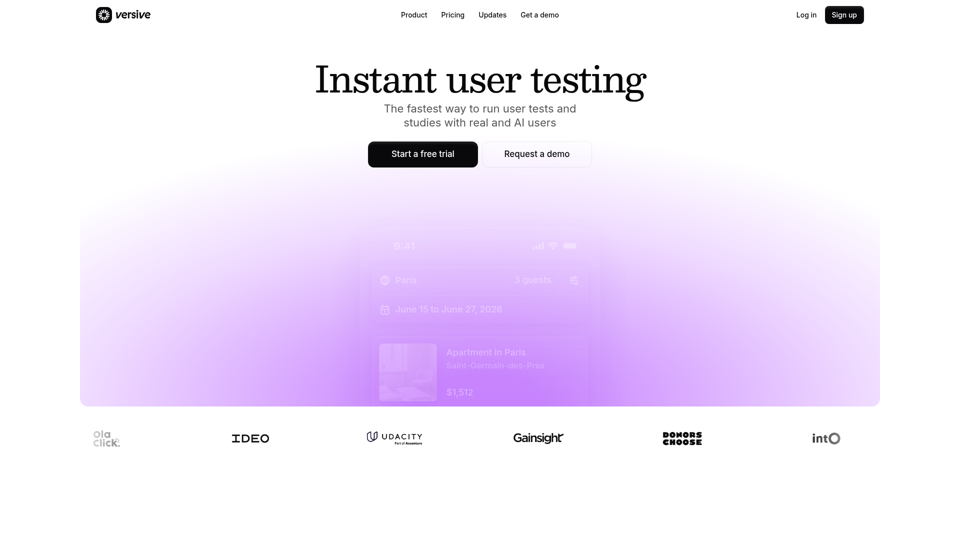
Versive is an AI-powered user research and testing platform that helps product teams design, run, and synthesize usability studies with real and simulated users, especially for product managers, UX researchers, and designers. In AI-assisted product development, it can help these teams validate interface decisions faster by generating transcripts, screenshots, summaries, and actionable recommendations in minutes.
Challenges | Test Your AI Prompting Skills
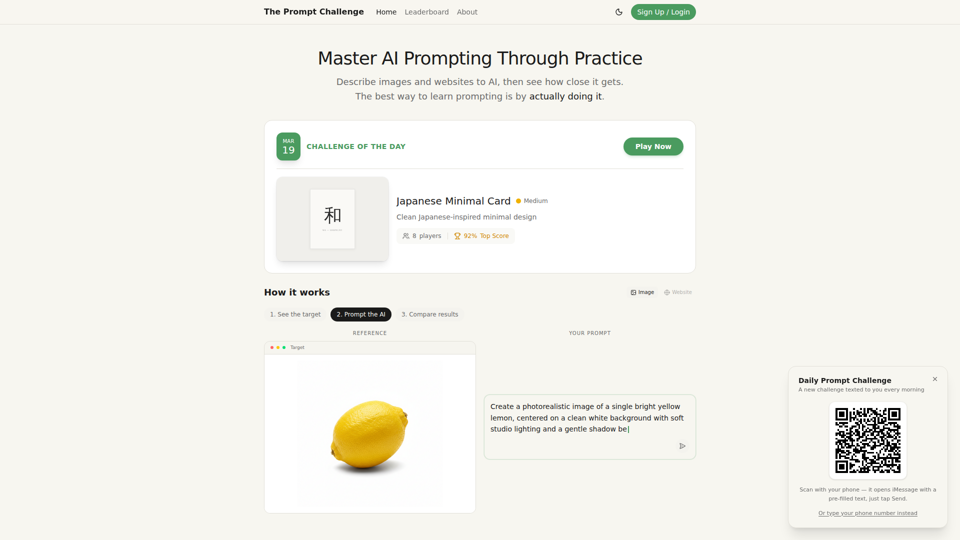
The Prompt Challenge is a practice platform that helps users improve AI prompting by describing images and websites, comparing AI-generated results to references, and competing on scores, mainly for people learning prompt engineering and hands-on AI creation. For designers, developers, and AI practitioners, this kind of repeatable prompt testing can sharpen instruction-writing skills and improve consistency when using generative tools for visual and interface work.
AI Infographic Generator
GraphicInfo is an AI infographic generator that helps users turn ideas and content into professional, customizable infographics quickly, mainly for creators and people producing website or social media content. In AI-driven content workflows, it can help marketers, content teams, and designers speed up visual asset creation while still refining text and images for specific brand needs.
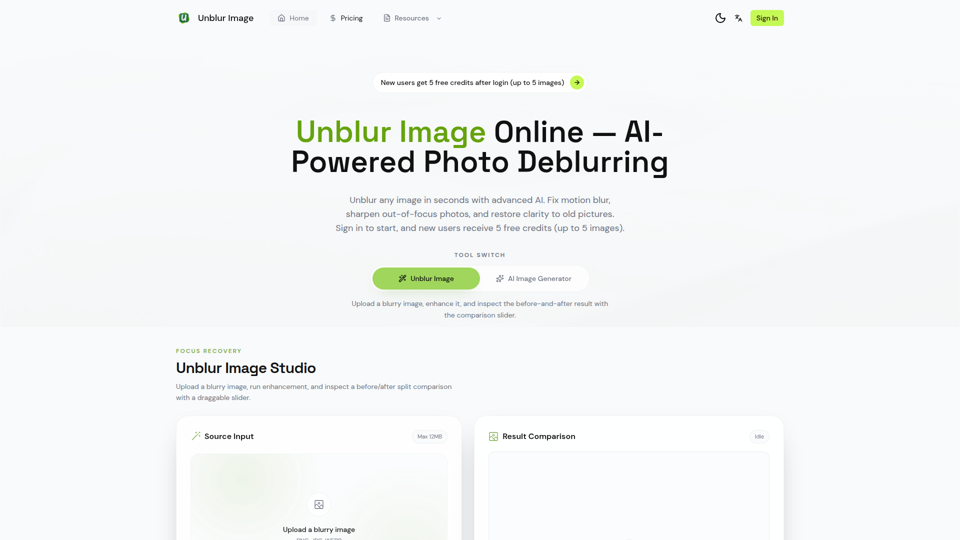
Unblur Image — Make Blurry Photos Clear with AI
Unblur Image is an AI-powered online photo deblurring tool that helps users fix motion blur, sharpen out-of-focus images, restore old photos, and improve text clarity, mainly for people who need quick image enhancement without manual editing skills. In AI-era workflows, it can help photographers, content teams, and document-heavy professionals recover usable visuals and readable assets faster from imperfect source images.
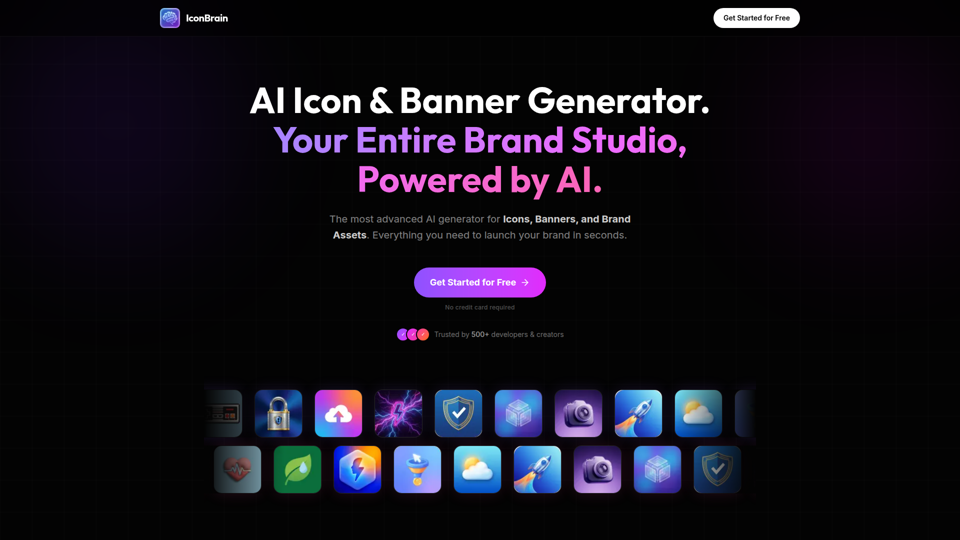
IconBrain | AI Icon Generator for Apps & Brands
IconBrain is an AI icon, banner, and brand asset generator that helps users create and edit production-ready visuals from text prompts or brand context, mainly for developers and creators launching apps or brands. For product, marketing, and design work, it can speed up early brand asset creation while helping teams keep visual styles more consistent across platforms.
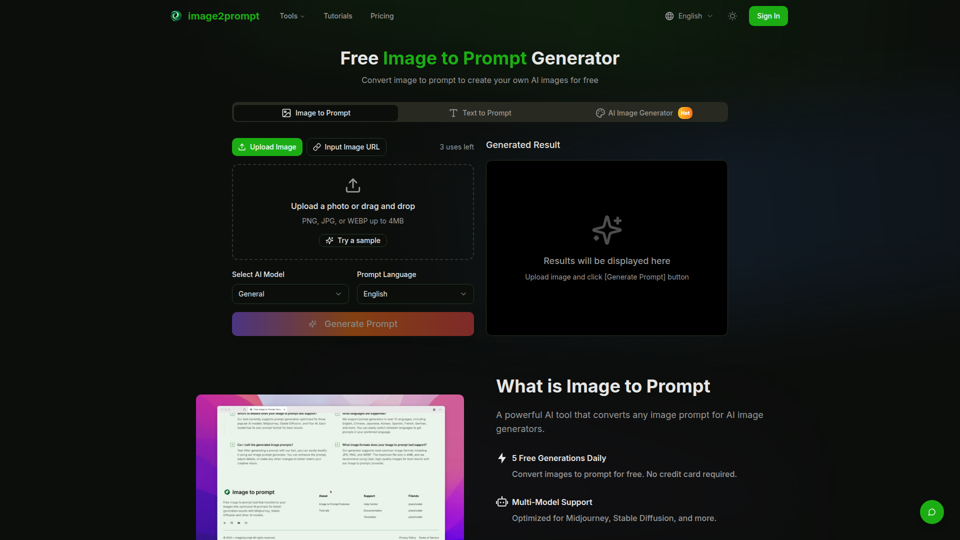
Free Image to Prompt Generator - image2prompt.net
image2prompt.net is a free AI image-to-prompt generator that analyzes uploaded images or image URLs and turns them into editable prompts for Midjourney, Stable Diffusion, Flux, and similar models, mainly for AI artists, designers, and creators. For creative professionals, it can speed prompt drafting, support style consistency, and reduce manual prompt rewriting across different image generation workflows.

UXCanvas.ai | AI UI/UX Design Agent — Describe It, Design It
UXCanvas.ai is an AI UI/UX design agent that helps users turn text prompts into production-ready interface designs, iterate through chat, and export to Figma or React code, mainly for designers and developers. For UI/UX and product teams, it can shorten the path from concept to handoff by turning rough ideas into structured specs, reusable components, and code-ready assets.
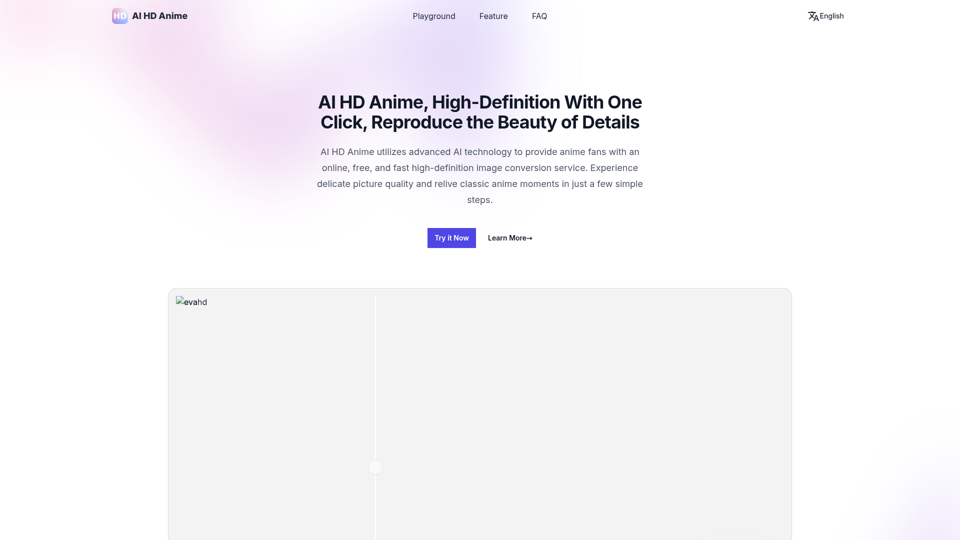
AI HD Anime: Your Ultimate Choice for Upscaling Anime Images
AI HD Anime is a free online AI image upscaling tool that enhances anime and manga images with higher clarity and restored detail, mainly for anime fans. In AI-assisted creative and archival workflows, it can help illustrators, editors, and community curators quickly improve low-resolution anime visuals for review, sharing, or preservation.