
google-research/frame-interpolation | Run with an API on Replicate
Rate this Tool
Average Score
Total Votes
Select your score (1-10):
Detail Information
What
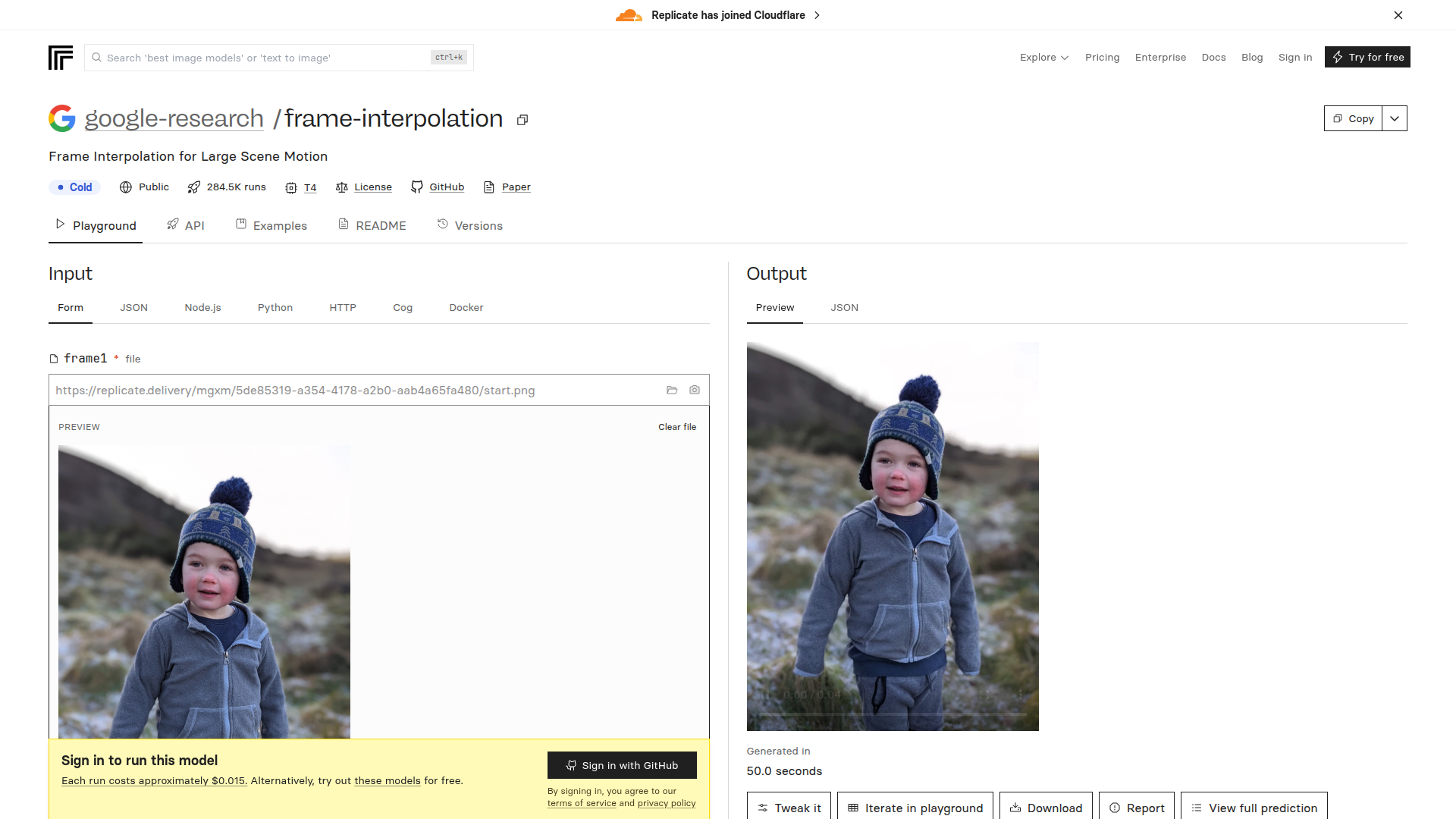
google-research/frame-interpolation is a machine learning model, available through Replicate, that generates intermediate frames between two input images. It is based on FILM, a TensorFlow 2 implementation from Google Research for frame interpolation with large scene motion.
It serves developers, researchers, and media workflow builders who need to create smoother motion transitions or short interpolation videos from two endpoint frames. On Replicate, the core workflow is simple: provide frame1, frame2, and a times_to_interpolate value, then receive either a midpoint frame or an output video with additional interpolated frames. It appears positioned as a research-grade open model that can be used via hosted API or run locally with Cog or Docker.
Features
- Two-frame interpolation input: Accepts a first frame and second frame as required inputs, enabling generation of motion between two still images.
- Adjustable interpolation depth: The
times_to_interpolateparameter controls how many times interpolation is applied, which changes output density and practical smoothness. - Mid-frame or video output behavior: When set to
1, the model returns the sub-frame att=0.5; when set above1, it returns an interpolation video with(2^times_to_interpolate + 1)frames at 30 fps. - API access across common stacks: Replicate provides ready-to-use examples for Node.js, Python, and raw HTTP, which reduces implementation effort for engineering teams.
- Local deployment options: The model can also be run with Cog or Docker, which is useful for teams that want more control over runtime environment and execution location.
- Research-backed model design: The README describes a single-network approach trained from frame triplets and designed for large motion, without requiring separate optical flow or depth networks.
Helpful Tips
- Validate output type early: The page shows both midpoint-frame behavior and video output behavior depending on
times_to_interpolate, so downstream systems should be designed to handle the expected file format carefully. - Benchmark with your own footage: The source describes strong research performance, but production quality will still depend on scene content, motion complexity, and image consistency between the two frames.
- Plan around latency variability: Replicate states that predict time varies significantly based on inputs, so this model may fit better in asynchronous or batch workflows than strict real-time experiences.
- Use local deployment for controlled environments: If data handling, environment control, or repeatable packaging matters, Cog or Docker may be more suitable than only using the hosted API.
- Test interpolation depth conservatively: Higher
times_to_interpolatevalues create more frames, but teams should evaluate whether the extra smoothness justifies longer processing and larger outputs.
OpenClaw Skills
Within an OpenClaw ecosystem, this model could likely support media automation skills that transform sparse visual inputs into smoother motion assets. Likely use cases include an agent that takes two storyboard frames and generates an in-between clip, a content pipeline skill that prepares transition shots for video assembly, or a creative operations workflow that tests multiple interpolation depths and routes outputs for review.
If combined with OpenClaw orchestration, teams in marketing, design, animation, or synthetic media operations could build multi-step workflows around this model, even though the page does not state any native OpenClaw integration. A likely setup would chain frame selection, interpolation, quality checks, asset storage, and metadata tagging into one agentic process, helping professionals turn static visual states into usable motion segments with less manual editing.
Embed Code
Share this AI tool on your website or blog by copying and pasting the code below. The embedded widget will automatically update with the latest information.
<iframe src="https://aimyflow.com/ai/replicate-com-google-research-frame-interpolation/embed" width="100%" height="400" frameborder="0"></iframe>
Explore Similar Tools
Free AI Photo Editor: Edit & Generate Image Online | Pokecut
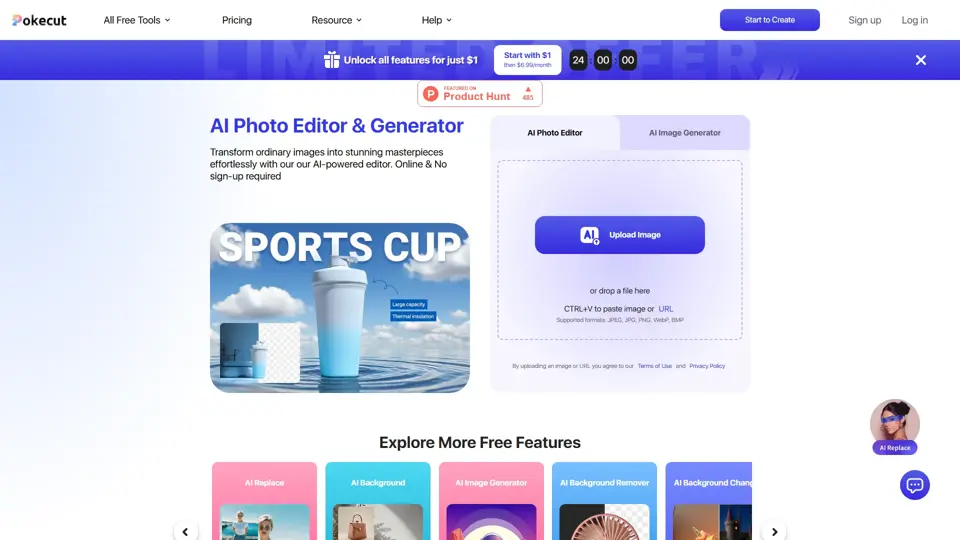
Pokecut is an AI photo editor that helps users remove backgrounds, enhance images, and generate visuals online, mainly for ecommerce sellers, marketers, and creators who need quick design-ready assets. It speeds up routine image production so visual teams can create polished content with less manual editing.
Roboflow: Computer vision tools for developers and enterprises
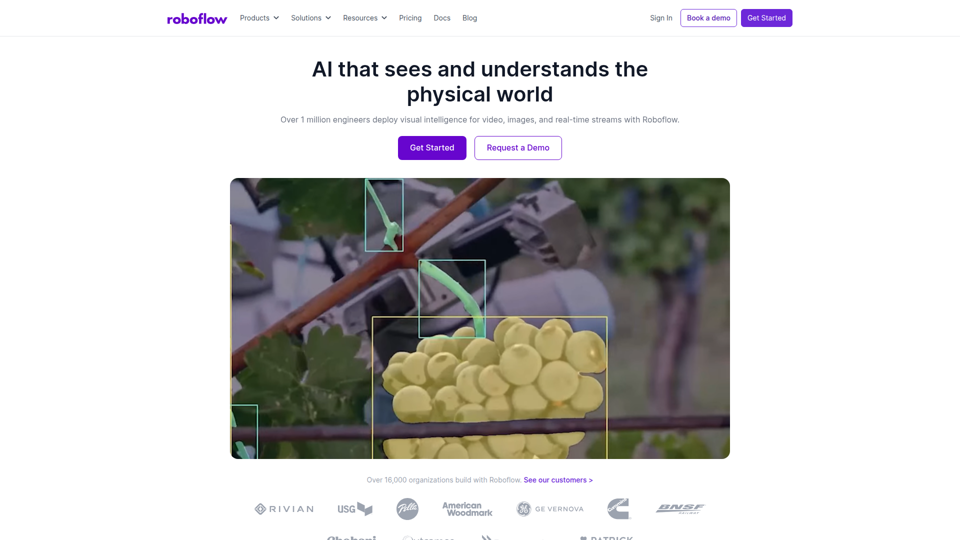
Roboflow is a computer vision platform that helps developers, machine learning engineers, and enterprises annotate data, train models, build workflows, and deploy vision AI for images, video, and real-time streams. In AI-driven operations, it can help computer vision and ML teams move faster from prototype to production by combining data labeling, model training, and deployment in one workflow.
Seedance 2.0
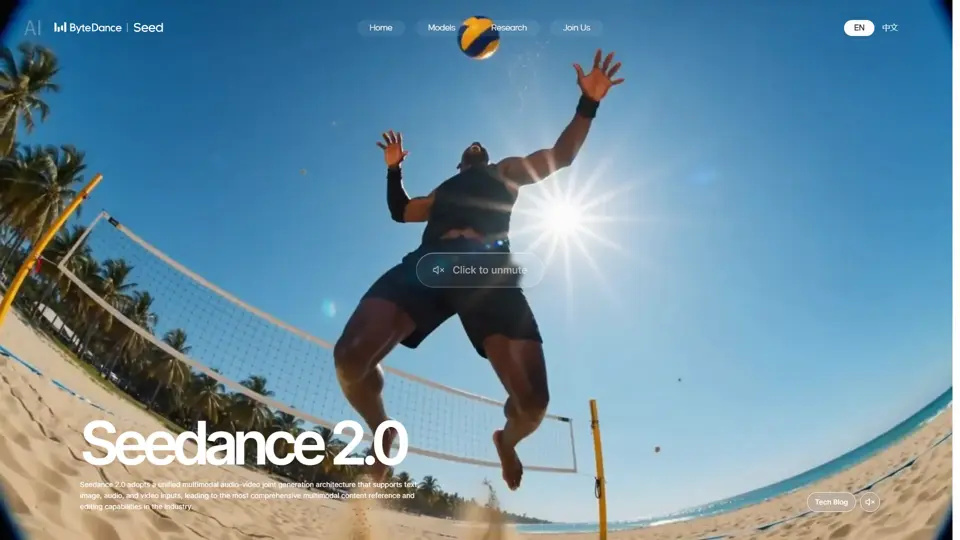
Seedance 2.0 is ByteDance's AI video generation model designed to create high-quality videos from prompts and multimodal inputs, mainly for creators, developers, and media teams. In the AI era, it helps visual content roles turn ideas into production-ready motion assets with far less manual editing effort.
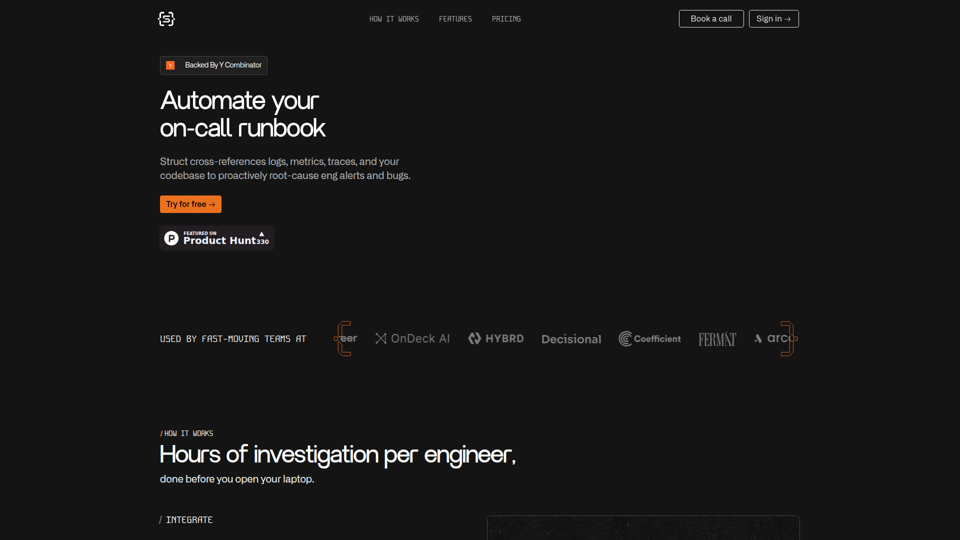
Struct | Automate your on-call runbook
Struct is an AI on-call agent that investigates engineering alerts and bugs by analyzing logs, metrics, traces, and codebases, mainly for software engineers and SRE teams. In the AI era, it helps incident responders shorten triage time by delivering root-cause findings and suggested fixes directly in workflows.
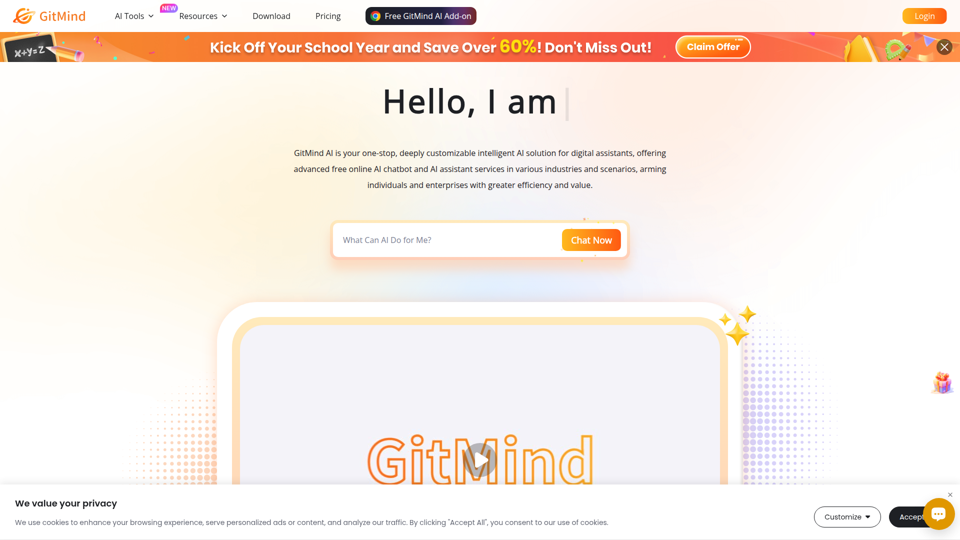
GitMind Chat - Your Best AI Assistant
GitMind Chat is an AI assistant and chatbot platform that helps individuals and enterprises handle conversations, analysis, writing, coding, translation, customer service, and custom AI agent creation through prebuilt or configurable assistants. For roles such as marketers, analysts, support teams, educators, and developers, it can streamline repetitive knowledge work by combining chat, file and link inputs, image analysis, and contextual responses in one workflow.
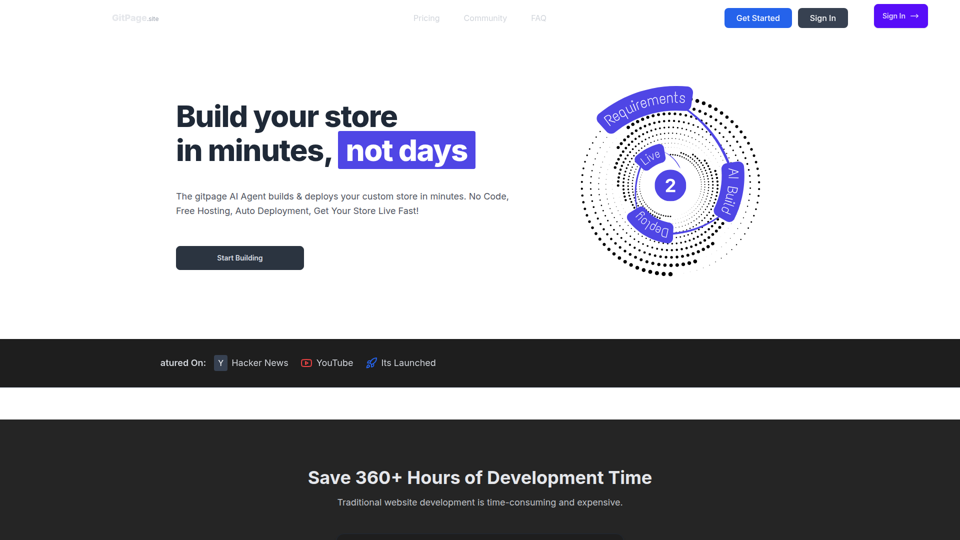
GitPage AI Website Builder | GitPage
GitPage is an AI website builder that generates and deploys websites, online stores, and landing pages from a form, mainly for freelancers, agencies, startups, and businesses that want no-code site creation with code ownership. For web professionals and client-service teams, it can reduce manual setup and content drafting by automating page generation, blog content, and deployment to GitHub or GitLab Pages.
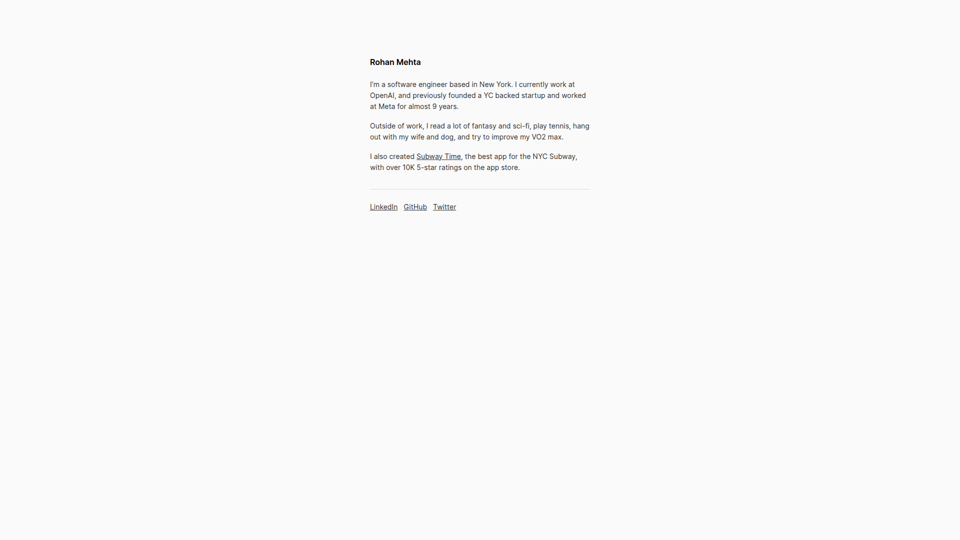
Rohan Mehta
Rohan Mehta is a personal website for a New York–based software engineer at OpenAI, outlining his background at Meta and as a YC-backed startup founder, and highlighting his creator role behind the Subway Time NYC transit app. For software engineers and technical hiring teams, this kind of concise profile helps AI-era talent evaluation by quickly surfacing relevant build, scale, and product experience.
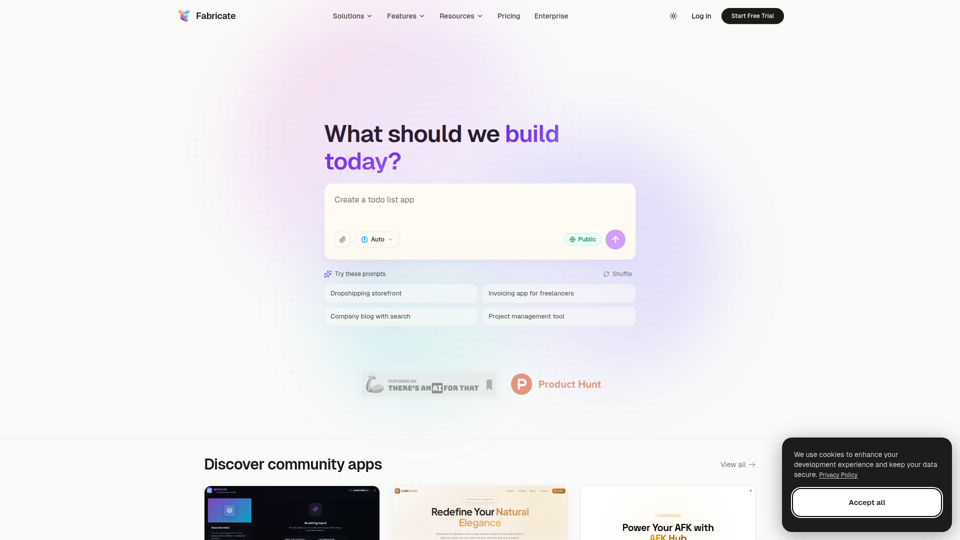
Fabricate - AI Full-Stack App Builder | Build Anything, Ship Faster
Fabricate is an AI full-stack app builder that helps users describe an app idea and generate production-ready web applications, mainly for founders, developers, designers, freelancers, agencies, and enterprises. In AI-assisted product development, it can help these teams move faster from concept to deployable React, TypeScript, and backend code with less manual setup.