
Polymet - AI Product Designer at your service

Rate this Tool
Average Score
Total Votes
Select your score (1-10):
Detail Information
What
Polymet is an AI product design platform focused on turning product ideas into pages, components, prototypes, and production-ready frontend code. Based on the page content, it is positioned as a design-to-code workflow tool rather than a simple mockup generator.
It appears to serve product teams that work across design and engineering, especially teams using design systems and modern frontend workflows. The core flow is: create or iterate designs (including from images), edit visually or in code, collaborate with teammates, and move outputs into development environments.
Features
- AI-assisted product and component design: Supports designing full pages, individual components, and designs from images to speed up early concept and iteration cycles.
- Design system support: Lets teams bring their own design system and use it to create new pages/components or refine existing ones, helping maintain consistency.
- Figma import/export: Enables moving files in and out of Figma, which is useful for teams that need continuity with existing design workflows.
- Developer workflow alignment: Works with GitHub, npm packages (public and private), and Storybook, which helps connect design outputs to implementation pipelines.
- Visual and code editing modes: Combines a visual editor for layout/styling control with a code editor for direct code-level adjustments.
- Real-time collaboration and sharing: Supports team collaboration, fast review loops, and live demo sharing with stakeholders.
Helpful Tips
- Validate design-system fidelity early: If your team relies on strict component standards, test a few core flows first to confirm generated outputs match your tokens and component conventions.
- Define visual-vs-code ownership: Establish when designers use the visual editor and when engineers step into code editing to avoid duplicate changes and workflow friction.
- Pilot with one product squad: Start with a single cross-functional team and a limited scope (for example, one feature area) before rolling out broadly.
- Check enterprise requirements directly: The site states enterprise readiness and security/compliance positioning, but specific controls are not detailed on this page; verify requirements in security/legal documentation.
- Use collaboration features for review speed: Standardize stakeholder reviews around live demos to reduce static handoff cycles and shorten approval time.
Embed Code
Share this AI tool on your website or blog by copying and pasting the code below. The embedded widget will automatically update with the latest information.
<iframe src="https://aimyflow.com/ai/polymet-ai/embed" width="100%" height="400" frameborder="0"></iframe>
Explore Similar Tools
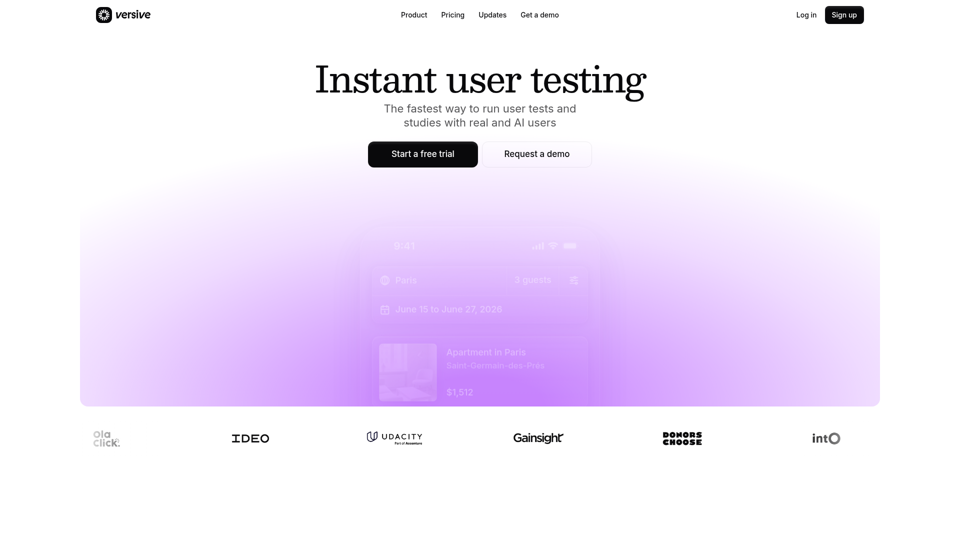
Versive
Versive is an AI-powered user research and testing platform that helps product teams design, run, and synthesize usability studies with real and simulated users, especially for product managers, UX researchers, and designers. In AI-assisted product development, it can help these teams validate interface decisions faster by generating transcripts, screenshots, summaries, and actionable recommendations in minutes.
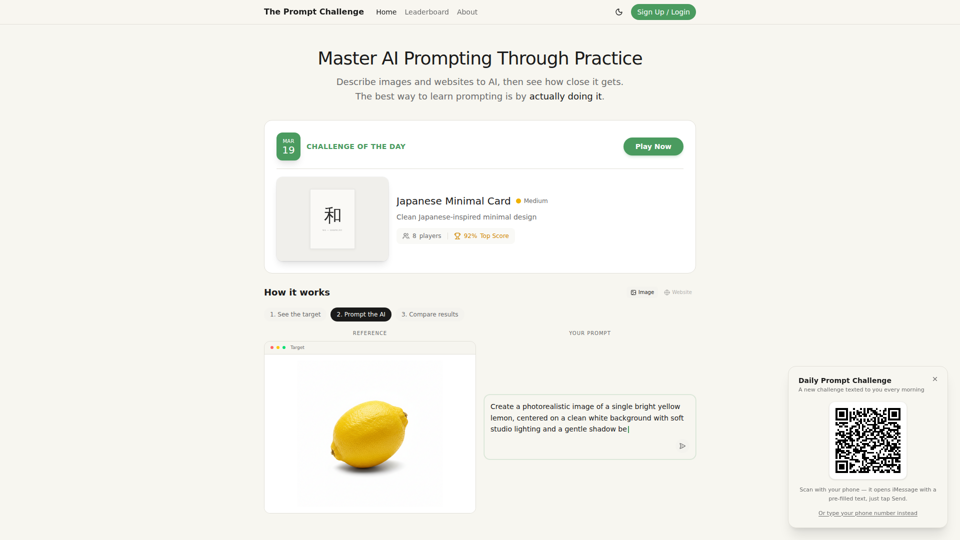
Challenges | Test Your AI Prompting Skills
The Prompt Challenge is a practice platform that helps users improve AI prompting by describing images and websites, comparing AI-generated results to references, and competing on scores, mainly for people learning prompt engineering and hands-on AI creation. For designers, developers, and AI practitioners, this kind of repeatable prompt testing can sharpen instruction-writing skills and improve consistency when using generative tools for visual and interface work.
AI Infographic Generator
GraphicInfo is an AI infographic generator that helps users turn ideas and content into professional, customizable infographics quickly, mainly for creators and people producing website or social media content. In AI-driven content workflows, it can help marketers, content teams, and designers speed up visual asset creation while still refining text and images for specific brand needs.
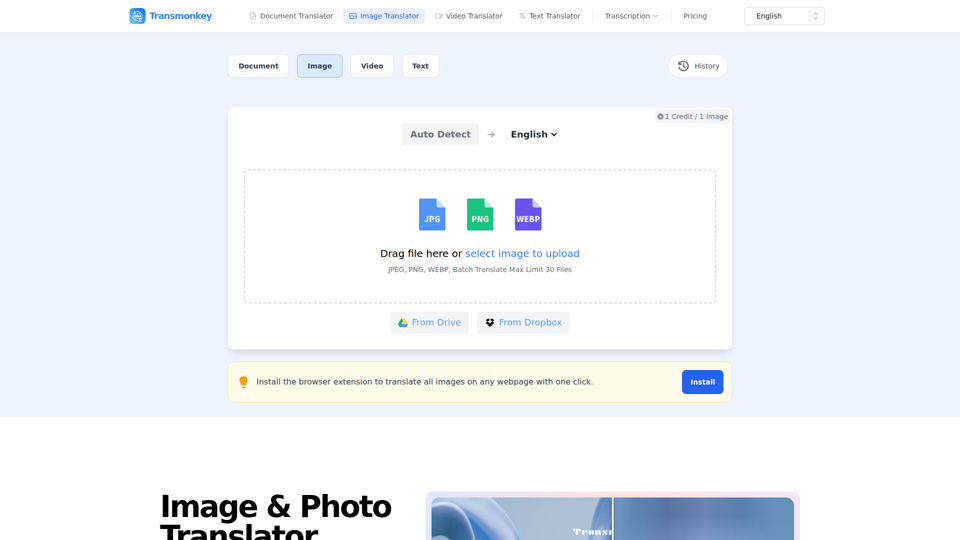
Image & Photo Translator Online – Try Free | Transmonkey
Transmonkey is an AI image translator that translates text in images across 130+ languages while preserving original backgrounds, designed for creators, marketers, and global businesses. By pairing optical character recognition with large language models, it streamlines visual localization without requiring manual graphic redesigns.
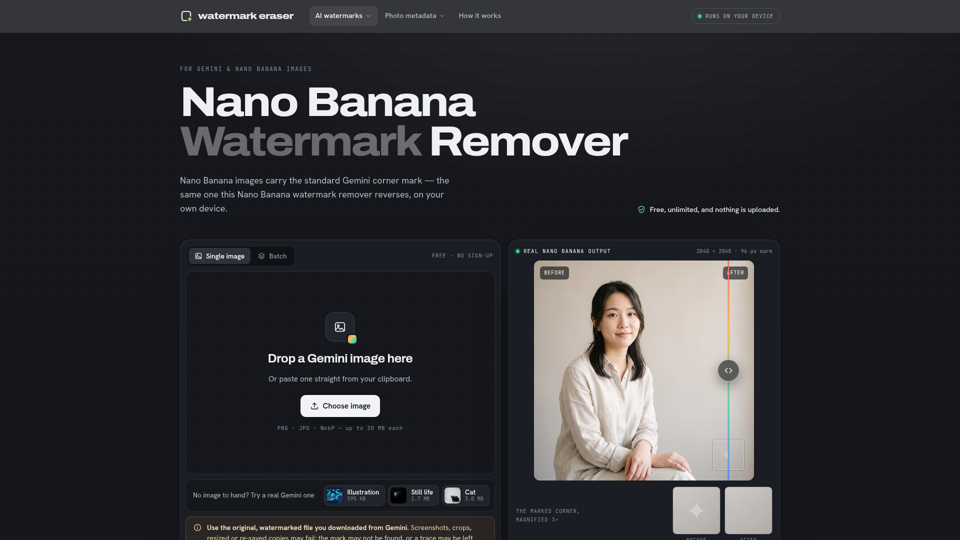
Nano Banana Watermark Remover — Free & Local
Nano Banana Watermark Remover is a browser-based tool that removes visible corner marks from Google Gemini images for digital creators. By processing files locally without compression, it helps designers prepare clean AI-generated assets efficiently for production workflows.
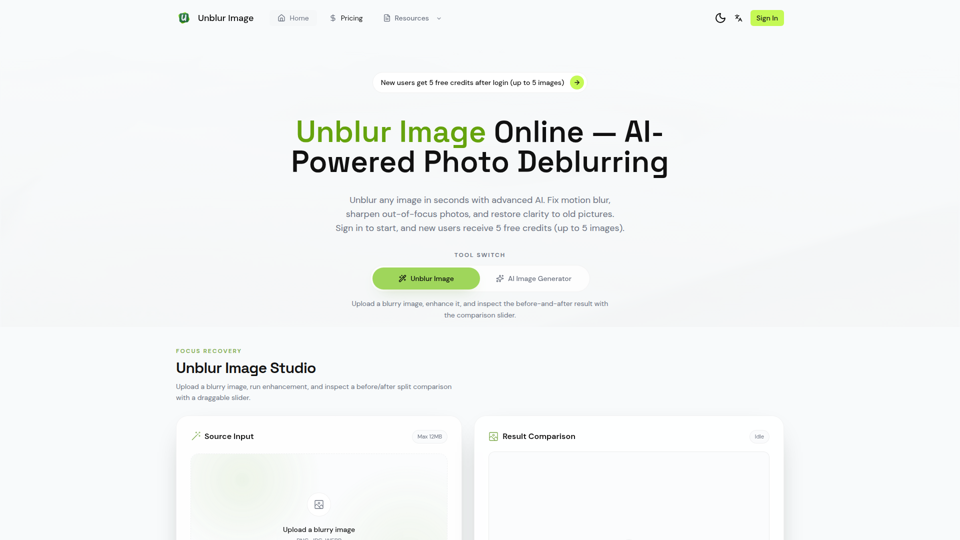
Unblur Image — Make Blurry Photos Clear with AI
Unblur Image is an AI-powered online photo deblurring tool that helps users fix motion blur, sharpen out-of-focus images, restore old photos, and improve text clarity, mainly for people who need quick image enhancement without manual editing skills. In AI-era workflows, it can help photographers, content teams, and document-heavy professionals recover usable visuals and readable assets faster from imperfect source images.
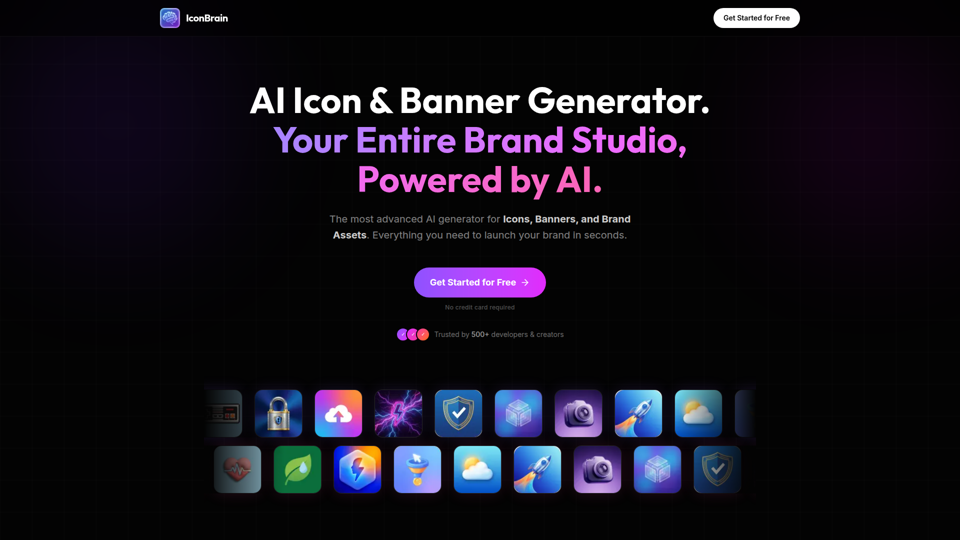
IconBrain | AI Icon Generator for Apps & Brands
IconBrain is an AI icon, banner, and brand asset generator that helps users create and edit production-ready visuals from text prompts or brand context, mainly for developers and creators launching apps or brands. For product, marketing, and design work, it can speed up early brand asset creation while helping teams keep visual styles more consistent across platforms.
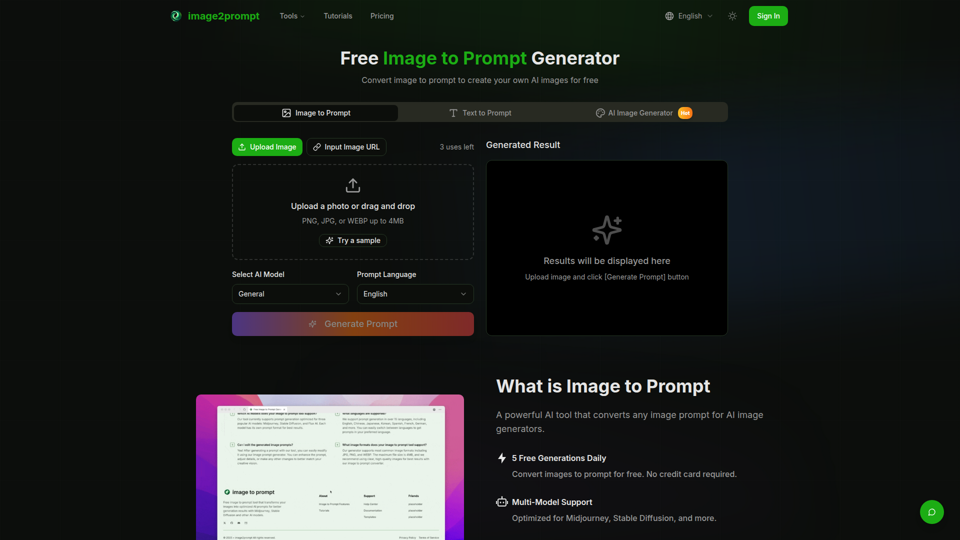
Free Image to Prompt Generator - image2prompt.net
image2prompt.net is a free AI image-to-prompt generator that analyzes uploaded images or image URLs and turns them into editable prompts for Midjourney, Stable Diffusion, Flux, and similar models, mainly for AI artists, designers, and creators. For creative professionals, it can speed prompt drafting, support style consistency, and reduce manual prompt rewriting across different image generation workflows.