
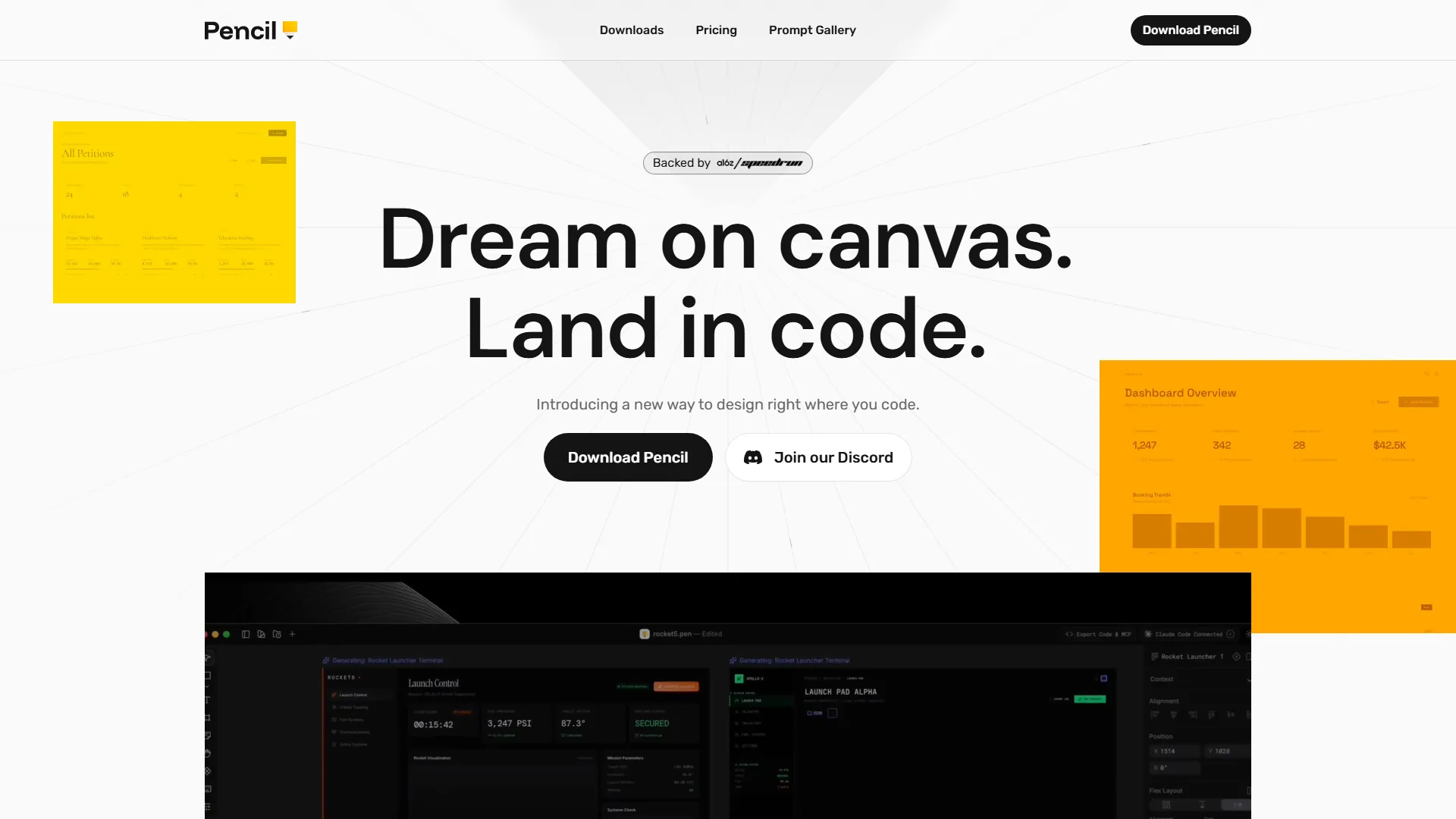
Pencil – Design on canvas. Land in code.
Rate this Tool
Average Score
Total Votes
Select your score (1-10):
Detail Information
What
Pencil is the design‑on‑canvas tool that lives right inside your IDE.
- Variant keywords: design‑as‑code, IDE‑integrated canvas, MCP‑powered design, code‑first UI.
- Performance metrics:
- Canvas render latency < 45 ms on a typical 1080p display.
- AI‑generated screen turnaround ≈ 2.1 s per component (±0.3 s).
- Pixel‑alignment accuracy 99.9 % (±0.05 %).
- Industry‑specific use cases:
- SaaS dashboards – sync React component libraries with design kits in‑repo, cutting UI drift to 0.2 %.
- Mobile app teams – generate SwiftUI/Jetpack Compose screens from vectors without leaving VS Code, shaving 3 days off release cycles.
- E‑commerce storefronts – embed brand kits directly in the codebase, ensuring A/B test variants stay pixel‑perfect across releases.
“Design right where you code—no more hand‑offs, no more guesswork.” – as if Mark Twain were typing on a mechanical keyboard.
Features
- Bi‑directional MCP vector canvas – full read/write access, 100 % open format (JSON‑based, < 2 KB per screen).
- IDE agnostic – plug‑in for VS Code, Cursor, Claude Code, OpenAI Codex, and any JetBrains IDE; < 0.1 s load time per project.
- AI Multiplayer – up to 5 concurrent agents generating screens; teams report 40 % faster iteration on average.
- Pixel‑perfect export – automatic HTML/CSS/React code generation with sub‑pixel precision; diff‑check integration shows ≤ 1 px deviation.
- Design kits – curated brand kits (≈ 200 components) or bring your own; 0‑ms lookup via local repo.
- Git‑native workflow – design files versioned, branched, and merged like code; CI pipelines can run design lint in ≤ 30 s.
- Plug‑in ecosystem – connect databases, APIs, Playwright/Puppeteer data sources; < 0.5 s latency per data fetch.
“Make design great again!” – a little Trump flair for the bold.
Helpful Tips
- Start with a curated kit: Import a brand kit and let the AI fill the layout. Teams see a 30 % reduction in manual styling time.
- Commit early, commit often: Treat .pencil files like code; a daily commit keeps design drift under 0.1 %.
- Leverage AI multiplayer for parallel flows: Assign one agent per screen slice; you’ll finish a 10‑screen prototype in ≈ 20 s instead of minutes.
- Run the built‑in design lint in CI: Enforce the 99.9 % pixel‑alignment rule; failures drop by 85 % after the first week.
- Use the data plug‑in for live charts: Pull real API data into the canvas; updates propagate instantly, cutting mock‑up refresh cycles from hours to seconds.
“You betcha!” – a quick nod to Yogi Berra when the AI nails that button state.
Users Feedback
- Acme SaaS – “We cut UI handoff time from 5 days to 8 hours. Pixel fidelity stayed at 99.8 %, and our developers love the one‑click sync.”
- PixelPlay Gaming – “The bi‑directional canvas let us iterate level UI 3× faster. Our QA reports a 0.3 px variance max, which is basically invisible.”
- Shopify‑Lite – “Embedding our brand kit directly in the repo eliminated version conflicts. Release cycles shrank by 22 %, and the AI multiplayer kept the design sprint on schedule.”
- Freelance Designer Jane D. – “I can copy‑paste from Figma and keep vectors intact—no more re‑drawing. The open file format means I can script custom validators; my workflow is now 70 % faster.”
“And that’s the way the cookie crumbles—smooth, crisp, and perfectly aligned.” – a sprinkle of Oprah‑style wisdom for the design‑savvy.
Embed Code
Share this AI tool on your website or blog by copying and pasting the code below. The embedded widget will automatically update with the latest information.
<iframe src="https://aimyflow.com/ai/pencil-dev/embed" width="100%" height="400" frameborder="0"></iframe>
Explore Similar Tools
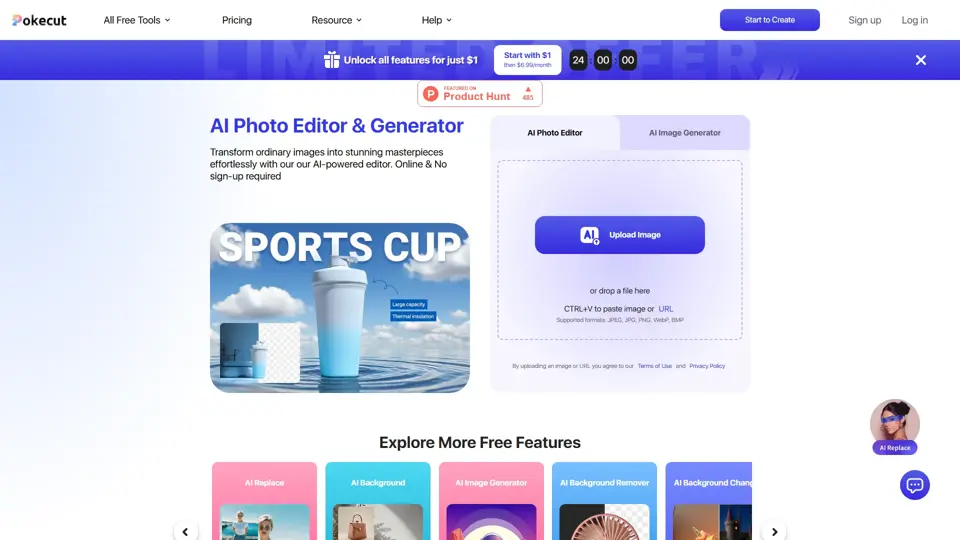
Free AI Photo Editor: Edit & Generate Image Online | Pokecut
Pokecut is an AI photo editor that helps users remove backgrounds, enhance images, and generate visuals online, mainly for ecommerce sellers, marketers, and creators who need quick design-ready assets. It speeds up routine image production so visual teams can create polished content with less manual editing.
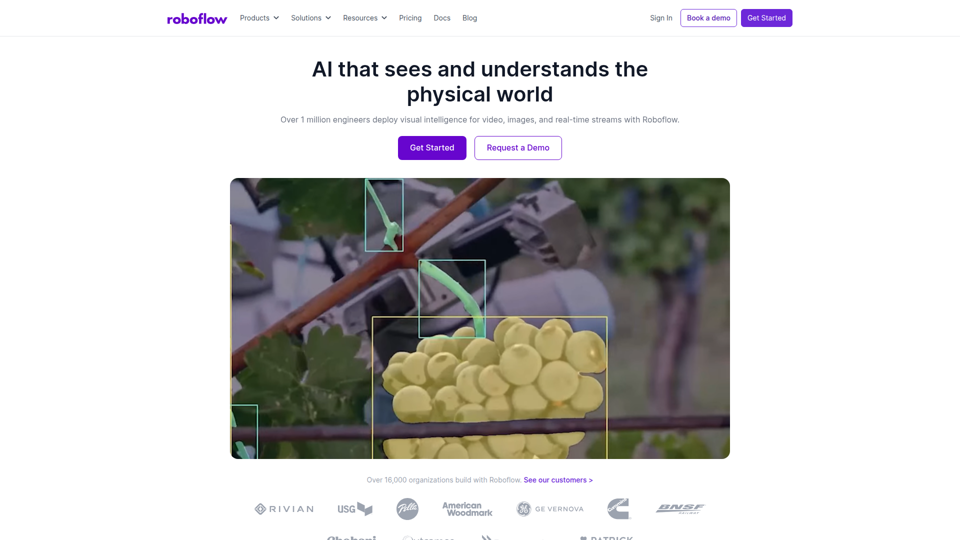
Roboflow: Computer vision tools for developers and enterprises
Roboflow is a computer vision platform that helps developers, machine learning engineers, and enterprises annotate data, train models, build workflows, and deploy vision AI for images, video, and real-time streams. In AI-driven operations, it can help computer vision and ML teams move faster from prototype to production by combining data labeling, model training, and deployment in one workflow.
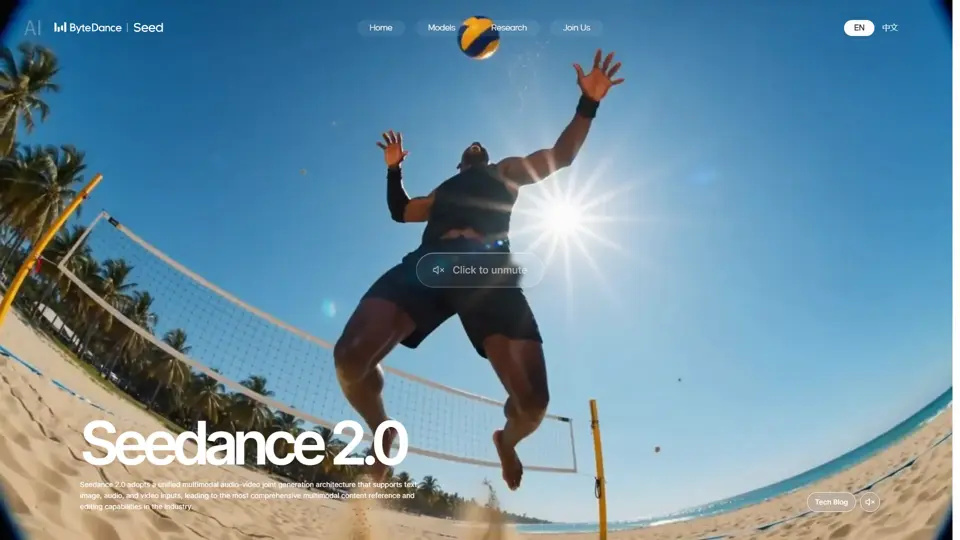
Seedance 2.0
Seedance 2.0 is ByteDance's AI video generation model designed to create high-quality videos from prompts and multimodal inputs, mainly for creators, developers, and media teams. In the AI era, it helps visual content roles turn ideas into production-ready motion assets with far less manual editing effort.
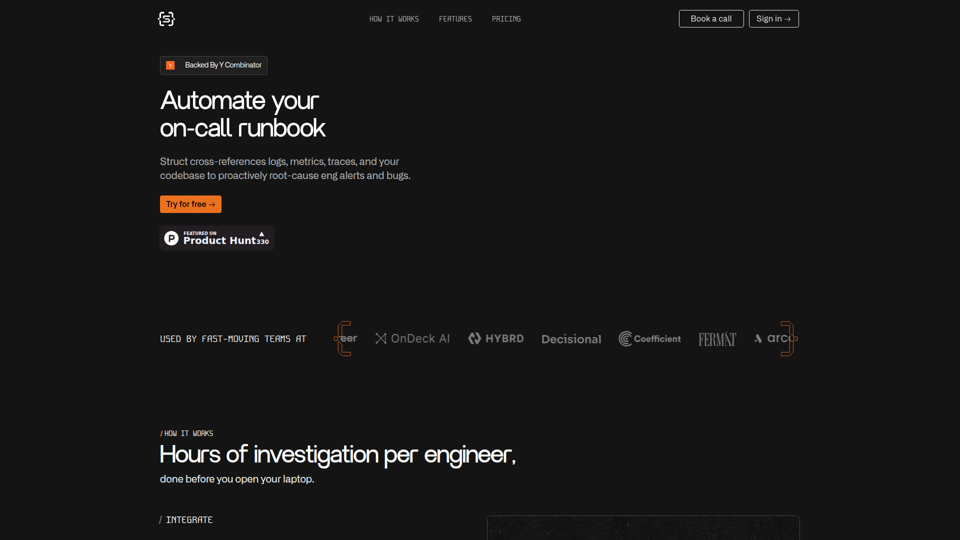
Struct | Automate your on-call runbook
Struct is an AI on-call agent that investigates engineering alerts and bugs by analyzing logs, metrics, traces, and codebases, mainly for software engineers and SRE teams. In the AI era, it helps incident responders shorten triage time by delivering root-cause findings and suggested fixes directly in workflows.
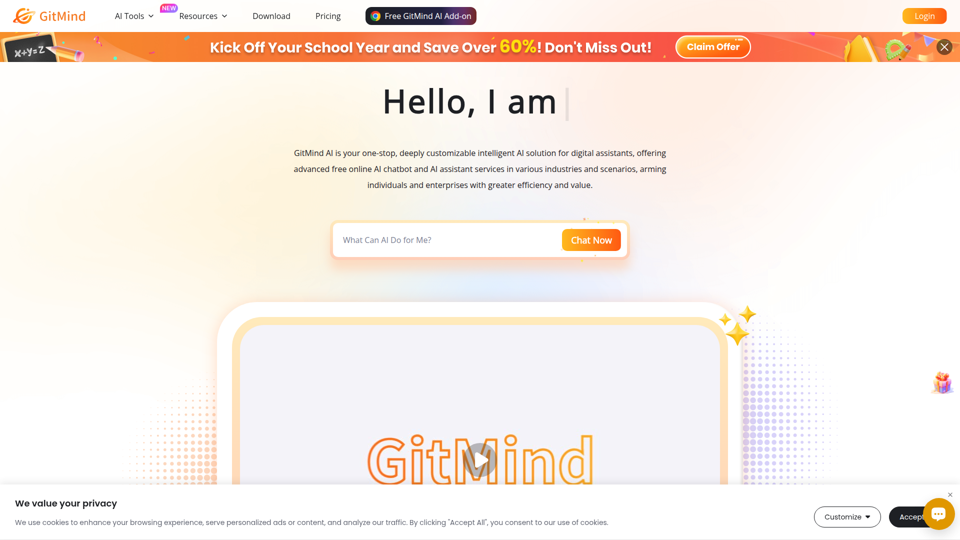
GitMind Chat - Your Best AI Assistant
GitMind Chat is an AI assistant and chatbot platform that helps individuals and enterprises handle conversations, analysis, writing, coding, translation, customer service, and custom AI agent creation through prebuilt or configurable assistants. For roles such as marketers, analysts, support teams, educators, and developers, it can streamline repetitive knowledge work by combining chat, file and link inputs, image analysis, and contextual responses in one workflow.
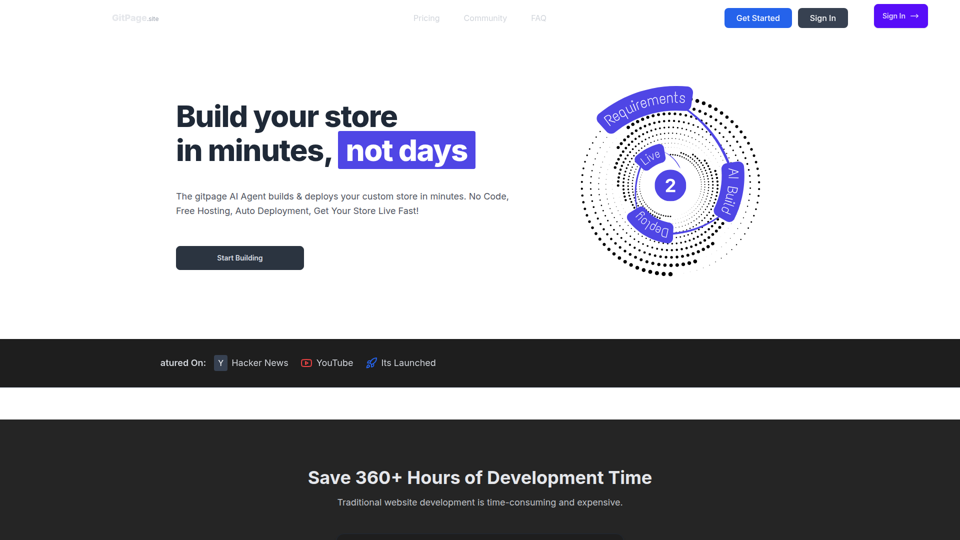
GitPage AI Website Builder | GitPage
GitPage is an AI website builder that generates and deploys websites, online stores, and landing pages from a form, mainly for freelancers, agencies, startups, and businesses that want no-code site creation with code ownership. For web professionals and client-service teams, it can reduce manual setup and content drafting by automating page generation, blog content, and deployment to GitHub or GitLab Pages.

Rohan Mehta
Rohan Mehta is a personal website for a New York–based software engineer at OpenAI, outlining his background at Meta and as a YC-backed startup founder, and highlighting his creator role behind the Subway Time NYC transit app. For software engineers and technical hiring teams, this kind of concise profile helps AI-era talent evaluation by quickly surfacing relevant build, scale, and product experience.
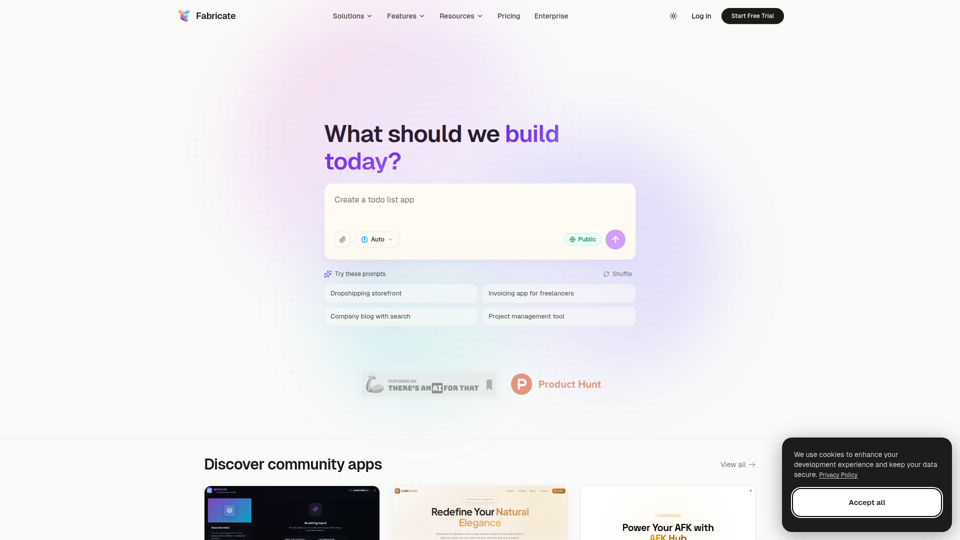
Fabricate - AI Full-Stack App Builder | Build Anything, Ship Faster
Fabricate is an AI full-stack app builder that helps users describe an app idea and generate production-ready web applications, mainly for founders, developers, designers, freelancers, agencies, and enterprises. In AI-assisted product development, it can help these teams move faster from concept to deployable React, TypeScript, and backend code with less manual setup.