
OsirisBrain: AI Desktop Agent | Autonomous AI Automation for Mac, Windows & Linux
Rate this Tool
Average Score
Total Votes
Select your score (1-10):
Detail Information
What
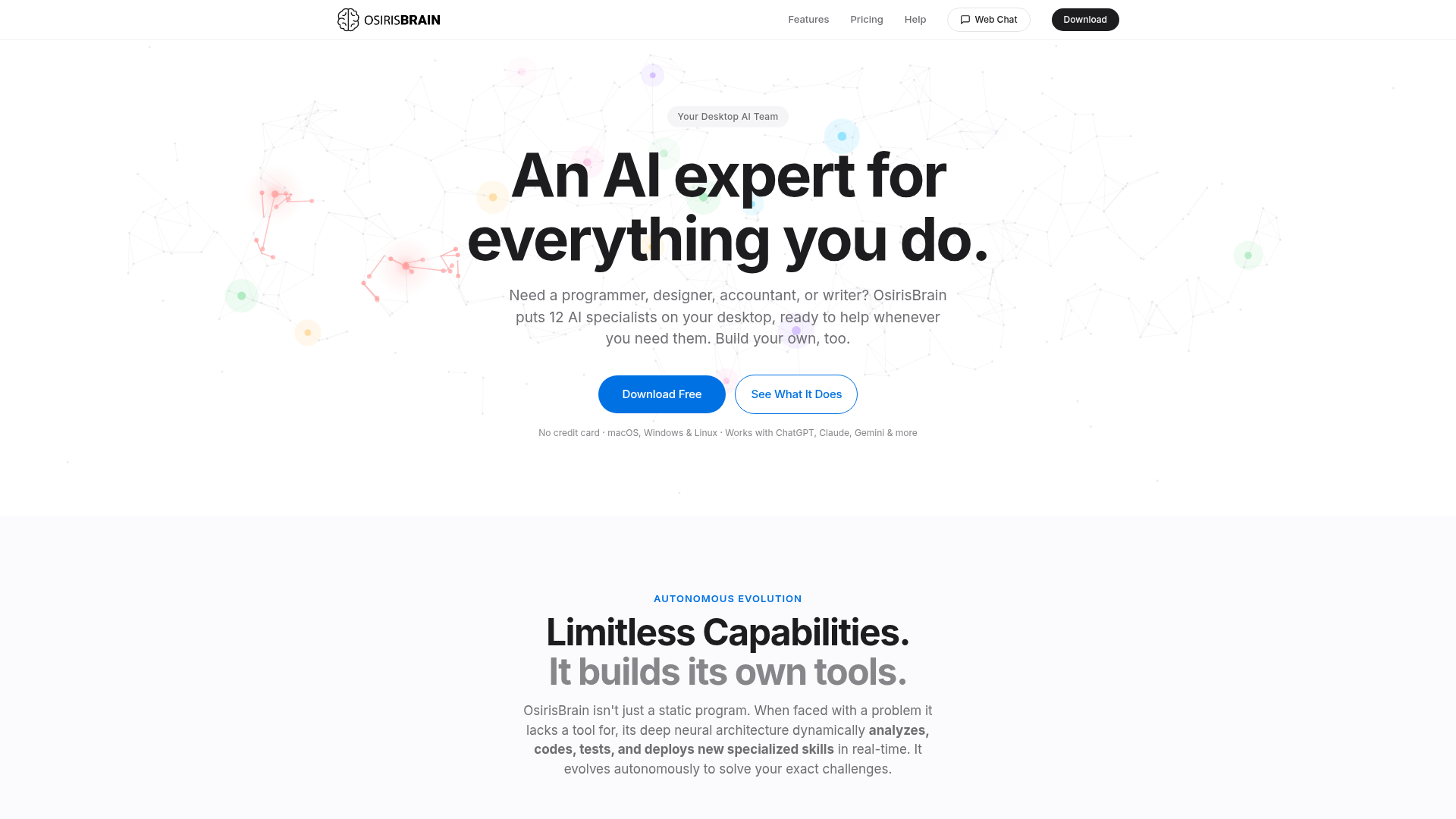
OsirisBrain is a native desktop AI agent for macOS, Windows, and Linux that combines a central agent called Osiris with a team of 12 built-in AI specialists, including roles such as programmer, designer, writer, accountant, and tech support. It is designed for users who want AI assistance directly on their computer, with local data handling, persistent memory, and the option to connect their own model providers such as OpenAI, Anthropic, Google, DeepSeek, MiniMax, Kimi, or other OpenAI-compatible APIs.
The product appears positioned as an autonomous desktop automation and productivity platform rather than a simple chat interface. Its core workflow centers on helping users complete work through conversation, tool use, memory, and system-level actions; the site also claims it can create and test new tools when existing capabilities are insufficient, though buyers should treat that as a vendor-described capability and validate the practical limits in real workflows.
Features
- Multi-agent desktop assistant: Provides 12 preset AI professional roles and a chief coordinating agent, which can help users route different tasks to domain-specific prompts without switching tools.
- Custom skill builder: Lets users create additional AI professionals with custom prompt fragments, which is useful for tailoring behavior to internal processes, terminology, or specialized tasks.
- Local desktop operation: Runs as a native app and states that files stay on the machine, which may appeal to users who prefer desktop-based AI workflows over browser-based tools.
- Persistent memory system: Stores facts, prior conversations, preferences, workflows, and pending commitments across sessions, helping reduce repeated setup and context re-entry.
- Tool access across the desktop and web: Includes built-in tools for files, shell commands, browser actions, APIs, messaging, calendars, code, and DevOps tasks, allowing the agent to move from answering questions to performing actions.
- Security and control layers: Describes sandbox testing, approval logic for higher-risk actions, encryption, whitelisting, and prompt scanning, which suggests a focus on controlled autonomy, though implementation details should be reviewed carefully for sensitive environments.
Helpful Tips
- Test the autonomy claims on bounded tasks first: Start with repeatable workflows such as file organization, code assistance, or scheduling before relying on self-generated tools or broad system control.
- Map specialist roles to real job functions: The value of a multi-agent setup usually depends on how well each role reflects actual team workflows, approval rules, and vocabulary.
- Review local-versus-remote behavior carefully: The site emphasizes local execution and encrypted remote chat, but teams should still confirm what data is processed by external model providers when using their own API keys.
- Set governance for system actions: Because the product can interact with files, messaging, shell commands, and web services, define clear permissions, logging expectations, and approval thresholds before wider rollout.
- Validate platform-specific tooling: Some capabilities reference Apple Notes, iMessage, Apple Maps, and platform controls, so mixed OS environments should verify which functions are fully available on Mac, Windows, and Linux.
OpenClaw Skills
OsirisBrain could fit well into the OpenClaw ecosystem as a desktop execution layer for AI-driven workflows. Likely OpenClaw skills could include task delegation across specialist agents, memory-aware personal operations assistants, desktop research agents, secure file-handling workflows, and developer copilots that connect planning, code generation, terminal actions, and follow-up reminders. If OpenClaw supports orchestration across tools and agents, OsirisBrain could serve as the machine-level actor that carries out steps on the user’s local environment.
A likely use case is combining OpenClaw agents with OsirisBrain’s local memory, screen awareness, and desktop controls to build profession-specific assistants for developers, finance operators, support staff, family administrators, or educators. That combination could shift work from isolated chat sessions to persistent, stateful operating workflows where an OpenClaw agent plans and supervises while OsirisBrain executes on-device actions; this is an inferred workflow concept, not a confirmed native integration from the source page.
Embed Code
Share this AI tool on your website or blog by copying and pasting the code below. The embedded widget will automatically update with the latest information.
<iframe src="https://aimyflow.com/ai/osirisbrain-com/embed" width="100%" height="400" frameborder="0"></iframe>
Explore Similar Tools

Free AI Photo Editor: Edit & Generate Image Online | Pokecut
Pokecut is an AI photo editor that helps users remove backgrounds, enhance images, and generate visuals online, mainly for ecommerce sellers, marketers, and creators who need quick design-ready assets. It speeds up routine image production so visual teams can create polished content with less manual editing.
Roboflow: Computer vision tools for developers and enterprises
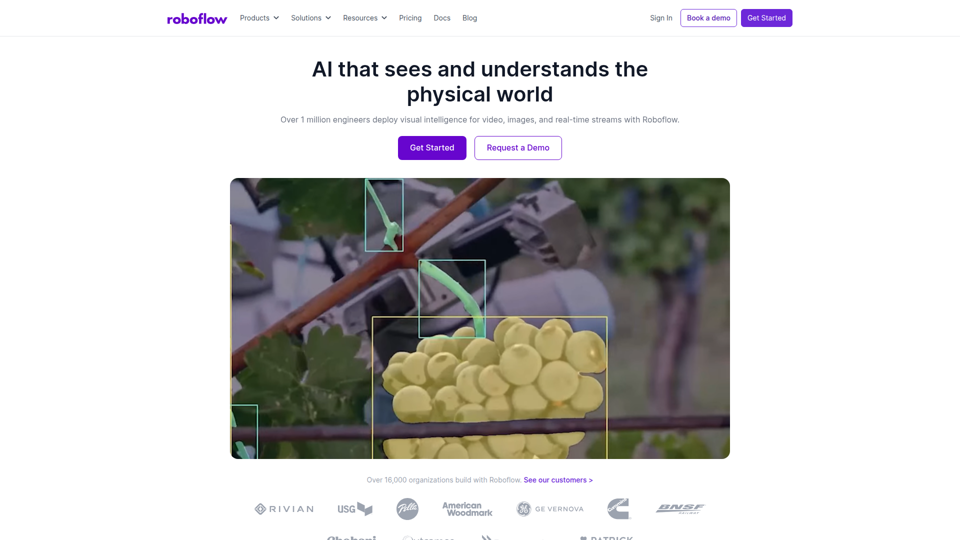
Roboflow is a computer vision platform that helps developers, machine learning engineers, and enterprises annotate data, train models, build workflows, and deploy vision AI for images, video, and real-time streams. In AI-driven operations, it can help computer vision and ML teams move faster from prototype to production by combining data labeling, model training, and deployment in one workflow.

Seedance 2.0
Seedance 2.0 is ByteDance's AI video generation model designed to create high-quality videos from prompts and multimodal inputs, mainly for creators, developers, and media teams. In the AI era, it helps visual content roles turn ideas into production-ready motion assets with far less manual editing effort.
Struct | Automate your on-call runbook
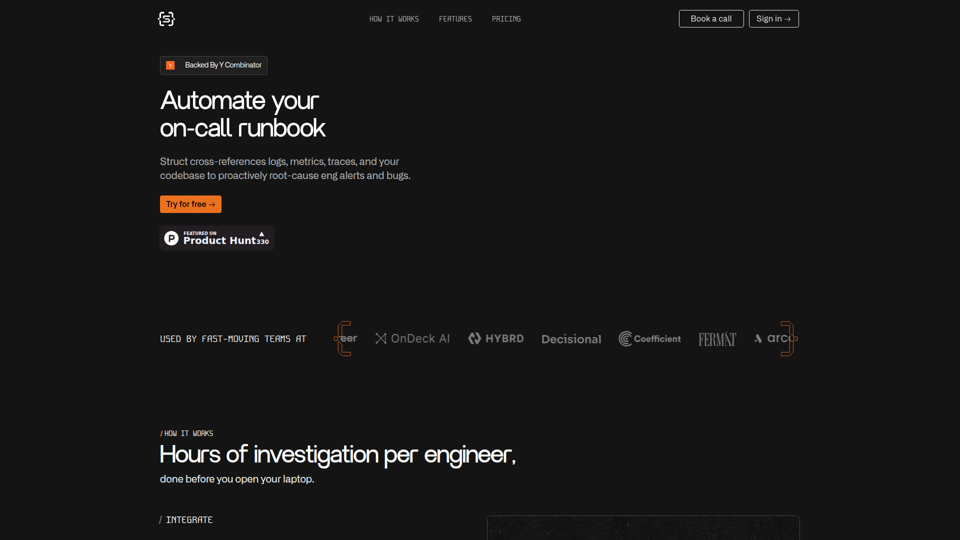
Struct is an AI on-call agent that investigates engineering alerts and bugs by analyzing logs, metrics, traces, and codebases, mainly for software engineers and SRE teams. In the AI era, it helps incident responders shorten triage time by delivering root-cause findings and suggested fixes directly in workflows.

GitMind Chat - Your Best AI Assistant
GitMind Chat is an AI assistant and chatbot platform that helps individuals and enterprises handle conversations, analysis, writing, coding, translation, customer service, and custom AI agent creation through prebuilt or configurable assistants. For roles such as marketers, analysts, support teams, educators, and developers, it can streamline repetitive knowledge work by combining chat, file and link inputs, image analysis, and contextual responses in one workflow.
GitPage AI Website Builder | GitPage
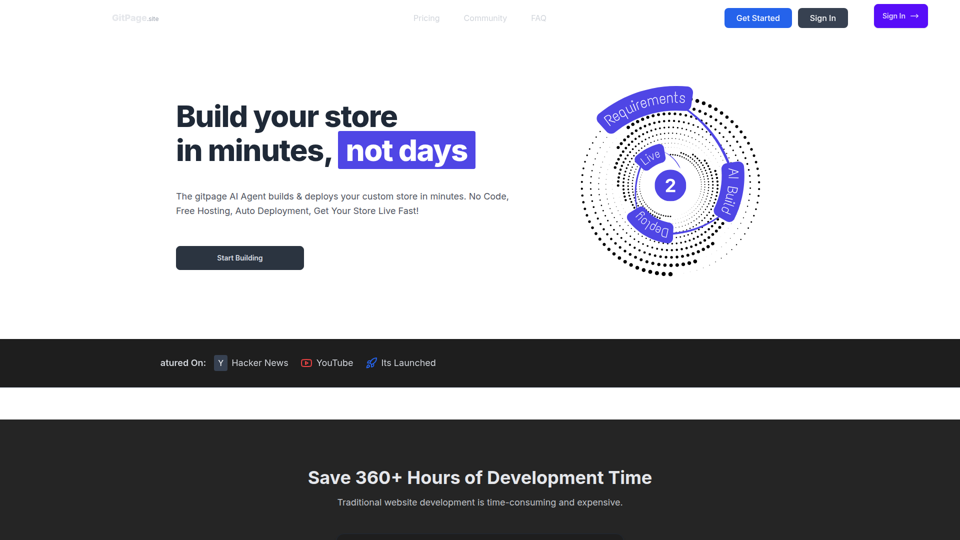
GitPage is an AI website builder that generates and deploys websites, online stores, and landing pages from a form, mainly for freelancers, agencies, startups, and businesses that want no-code site creation with code ownership. For web professionals and client-service teams, it can reduce manual setup and content drafting by automating page generation, blog content, and deployment to GitHub or GitLab Pages.

Rohan Mehta
Rohan Mehta is a personal website for a New York–based software engineer at OpenAI, outlining his background at Meta and as a YC-backed startup founder, and highlighting his creator role behind the Subway Time NYC transit app. For software engineers and technical hiring teams, this kind of concise profile helps AI-era talent evaluation by quickly surfacing relevant build, scale, and product experience.
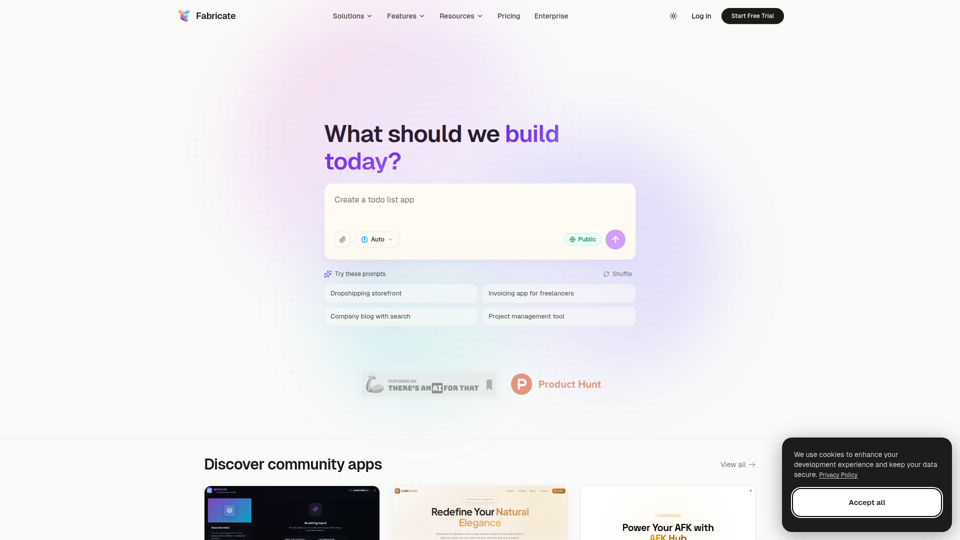
Fabricate - AI Full-Stack App Builder | Build Anything, Ship Faster
Fabricate is an AI full-stack app builder that helps users describe an app idea and generate production-ready web applications, mainly for founders, developers, designers, freelancers, agencies, and enterprises. In AI-assisted product development, it can help these teams move faster from concept to deployable React, TypeScript, and backend code with less manual setup.