
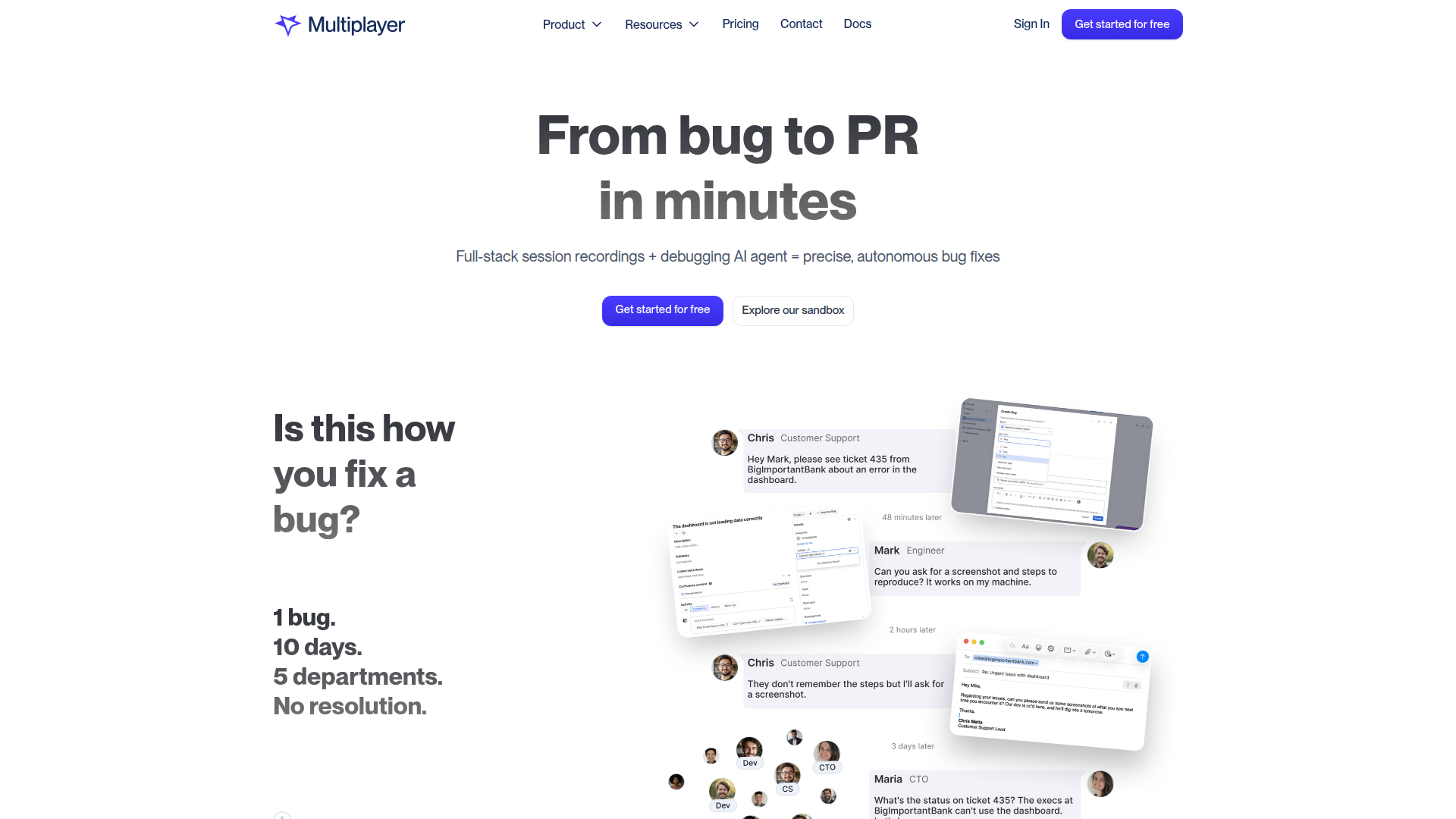
Multiplayer | Fix the Chaos of Debugging with Full Stack Session Recordings | Multiplayer
Rate this Tool
Average Score
Total Votes
Select your score (1-10):
Detail Information
What
Multiplayer is a full-stack session recording product for engineering teams that need more complete debugging context than logs, traces, or frontend replay tools provide on their own. It captures user interactions together with backend traces, logs, requests, responses, and headers, then correlates that data at the session level to help teams investigate bugs, root causes, and failing workflows.
The product appears positioned as a debugging and observability layer designed for software developers, QA, support, product teams, and AI-assisted development workflows. Its core workflow is to capture a problematic session through on-demand, continuous, or conditional recording, enrich it with annotations, and then use that runtime context to support issue resolution, feature planning, or AI-generated code changes, including PR-oriented fixes.
Features
- Full-stack session recordings: Captures frontend behavior along with backend traces, logs, requests, responses, and headers so teams can investigate issues across the whole system in one place.
- Automatic session correlation: Links system behavior directly to user interactions, which reduces the need to piece together evidence from multiple tools.
- On-demand, continuous, and conditional recording modes: Supports manual capture, always-on background capture, and issue-triggered recording to fit different debugging and support workflows.
- Annotated recordings for engineering handoff: Lets users select traces, API calls, and interactions and add screenshot-based annotations, which helps turn bug reports or feature ideas into actionable implementation context.
- AI-ready debugging context: Provides complete runtime data to copilots, AI IDEs, or Multiplayer’s own AI agent so generated fixes and tests can be based on observed behavior rather than incomplete logs.
- SDKs, extensions, and tool compatibility: Offers a browser recorder package, Chrome extension, VS Code extension, and listed compatibility with observability tools, code hosts, languages, and AI coding environments.
Helpful Tips
- Validate depth of backend visibility early: For products in this category, confirm which services, payloads, and headers are actually captured in your architecture, especially if you run distributed systems or external API-heavy workflows.
- Decide recording policy by use case: On-demand recording may suit internal debugging, while continuous or conditional recording is more useful for intermittent production issues that are hard to reproduce.
- Set annotation standards for handoffs: The product’s value likely increases when QA, support, and engineering use a consistent format for marking traces, screenshots, and expected outcomes.
- Review AI workflow expectations carefully: The page states that AI can use the captured context to generate fixes and PRs, but teams should still evaluate review controls, code quality checks, and test coverage in their own environment.
- Check integration priority against your stack: The site lists many tools and languages, but implementation depth may vary, so buyers should verify the specific integrations and SDK maturity they need before broad rollout.
OpenClaw Skills
Within the OpenClaw ecosystem, Multiplayer could likely support skills focused on autonomous debugging, incident triage, and engineering handoff automation. A likely workflow would let an OpenClaw agent ingest a recorded session, extract the correlated frontend and backend evidence, summarize root cause hypotheses, draft a bug report, and prepare structured inputs for an AI coding agent. If Multiplayer’s MCP-ready context is accessible in practice, that would make it a strong upstream data source for agents that need high-fidelity runtime evidence.
This combination could be especially useful for software engineering, developer support, QA, and platform teams. Likely OpenClaw skills could include a “production bug investigator,” “failed test explainer,” or “customer issue to PR” workflow that turns a session replay into a diagnosis, implementation plan, and candidate patch. That would not be a confirmed native OpenClaw integration based on the page alone, but it is a credible use case for reducing coordination overhead across teams that currently split debugging work among observability, support, and development tools.
Embed Code
Share this AI tool on your website or blog by copying and pasting the code below. The embedded widget will automatically update with the latest information.
<iframe src="https://aimyflow.com/ai/multiplayer-app/embed" width="100%" height="400" frameborder="0"></iframe>
Explore Similar Tools
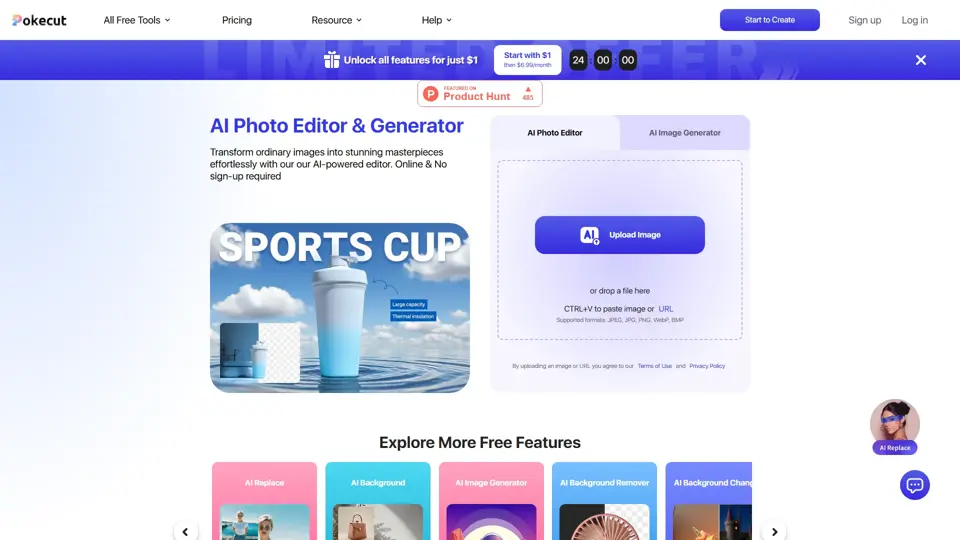
Free AI Photo Editor: Edit & Generate Image Online | Pokecut
Pokecut is an AI photo editor that helps users remove backgrounds, enhance images, and generate visuals online, mainly for ecommerce sellers, marketers, and creators who need quick design-ready assets. It speeds up routine image production so visual teams can create polished content with less manual editing.
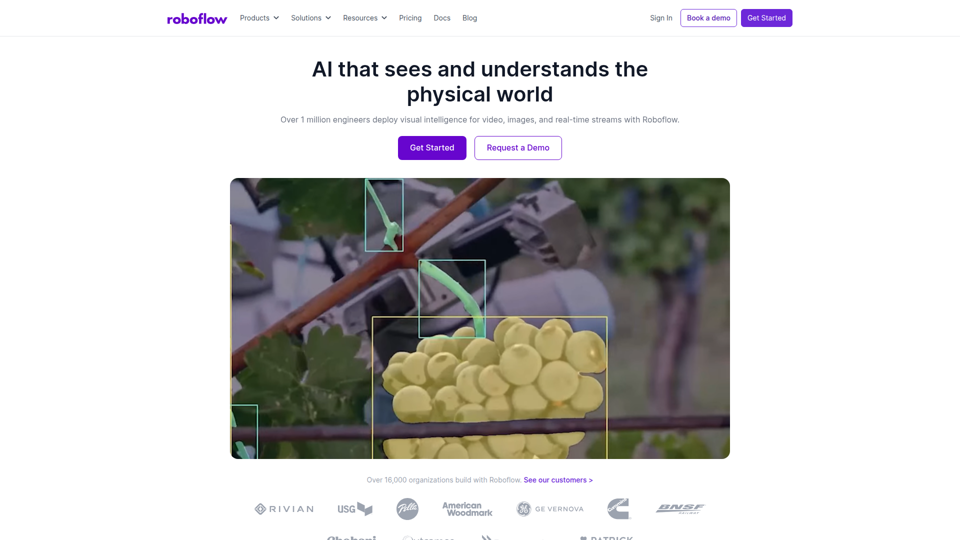
Roboflow: Computer vision tools for developers and enterprises
Roboflow is a computer vision platform that helps developers, machine learning engineers, and enterprises annotate data, train models, build workflows, and deploy vision AI for images, video, and real-time streams. In AI-driven operations, it can help computer vision and ML teams move faster from prototype to production by combining data labeling, model training, and deployment in one workflow.

Seedance 2.0
Seedance 2.0 is ByteDance's AI video generation model designed to create high-quality videos from prompts and multimodal inputs, mainly for creators, developers, and media teams. In the AI era, it helps visual content roles turn ideas into production-ready motion assets with far less manual editing effort.
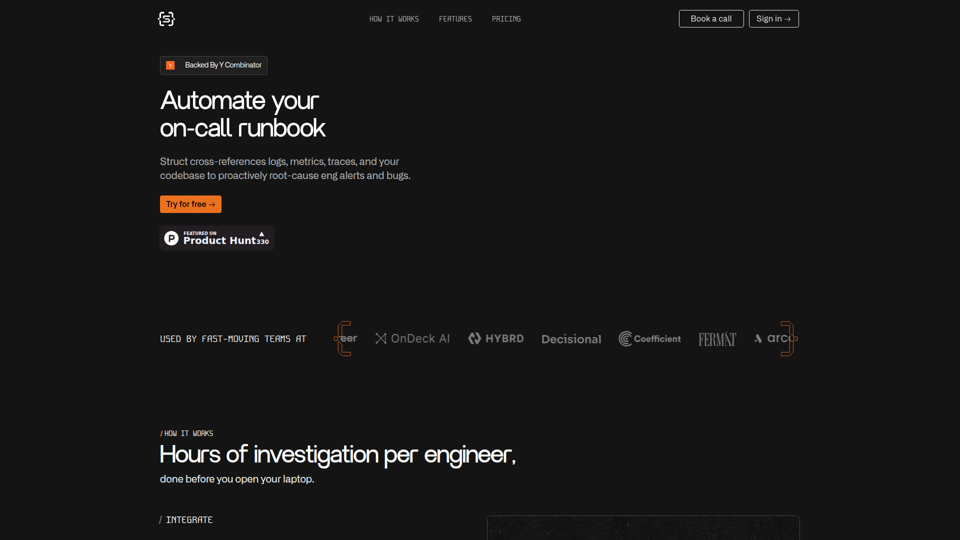
Struct | Automate your on-call runbook
Struct is an AI on-call agent that investigates engineering alerts and bugs by analyzing logs, metrics, traces, and codebases, mainly for software engineers and SRE teams. In the AI era, it helps incident responders shorten triage time by delivering root-cause findings and suggested fixes directly in workflows.
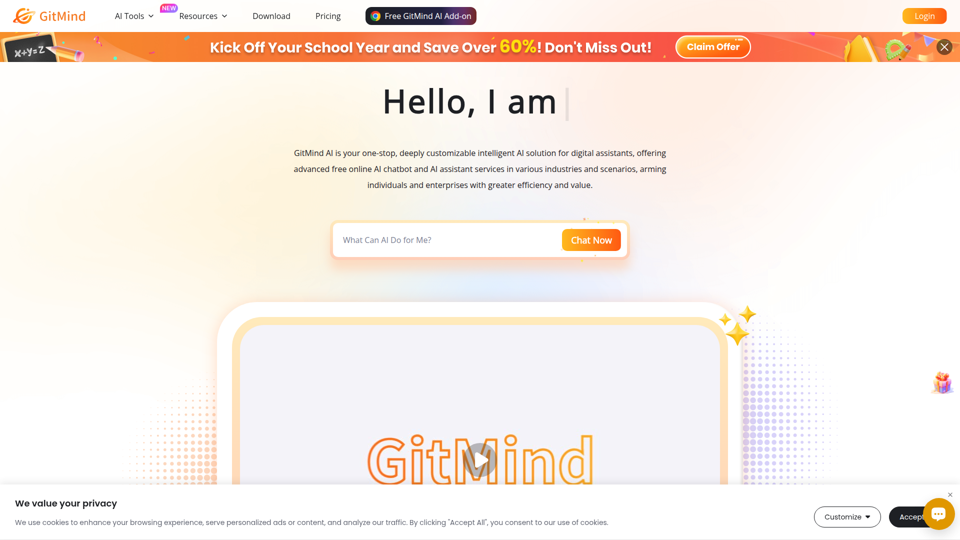
GitMind Chat - Your Best AI Assistant
GitMind Chat is an AI assistant and chatbot platform that helps individuals and enterprises handle conversations, analysis, writing, coding, translation, customer service, and custom AI agent creation through prebuilt or configurable assistants. For roles such as marketers, analysts, support teams, educators, and developers, it can streamline repetitive knowledge work by combining chat, file and link inputs, image analysis, and contextual responses in one workflow.
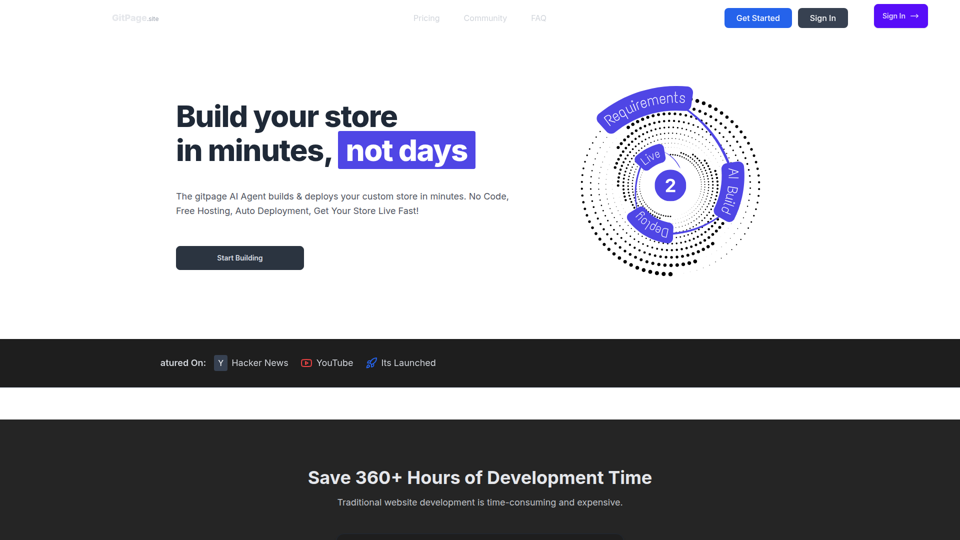
GitPage AI Website Builder | GitPage
GitPage is an AI website builder that generates and deploys websites, online stores, and landing pages from a form, mainly for freelancers, agencies, startups, and businesses that want no-code site creation with code ownership. For web professionals and client-service teams, it can reduce manual setup and content drafting by automating page generation, blog content, and deployment to GitHub or GitLab Pages.

Rohan Mehta
Rohan Mehta is a personal website for a New York–based software engineer at OpenAI, outlining his background at Meta and as a YC-backed startup founder, and highlighting his creator role behind the Subway Time NYC transit app. For software engineers and technical hiring teams, this kind of concise profile helps AI-era talent evaluation by quickly surfacing relevant build, scale, and product experience.
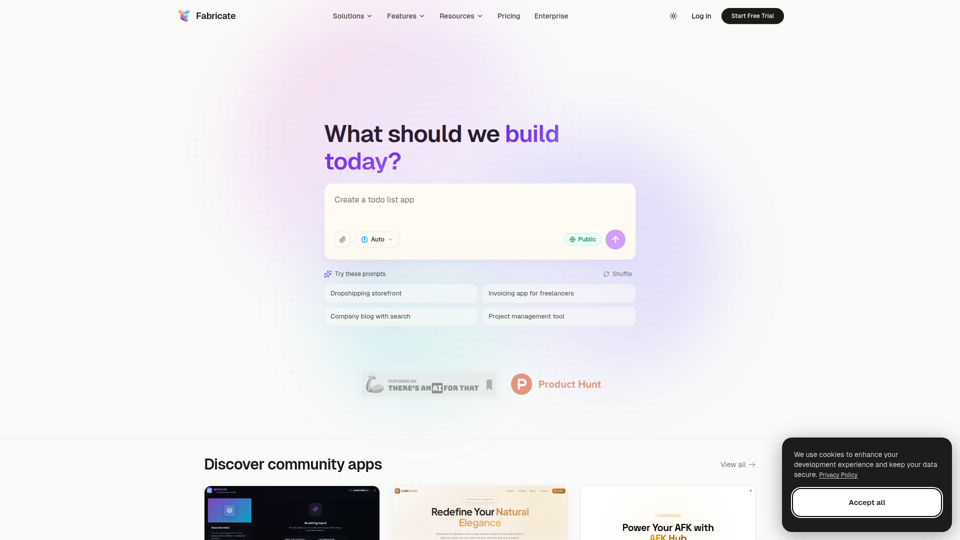
Fabricate - AI Full-Stack App Builder | Build Anything, Ship Faster
Fabricate is an AI full-stack app builder that helps users describe an app idea and generate production-ready web applications, mainly for founders, developers, designers, freelancers, agencies, and enterprises. In AI-assisted product development, it can help these teams move faster from concept to deployable React, TypeScript, and backend code with less manual setup.