
Mimir — Where product thinking happens
Rate this Tool
Average Score
Total Votes
Select your score (1-10):
Detail Information
What
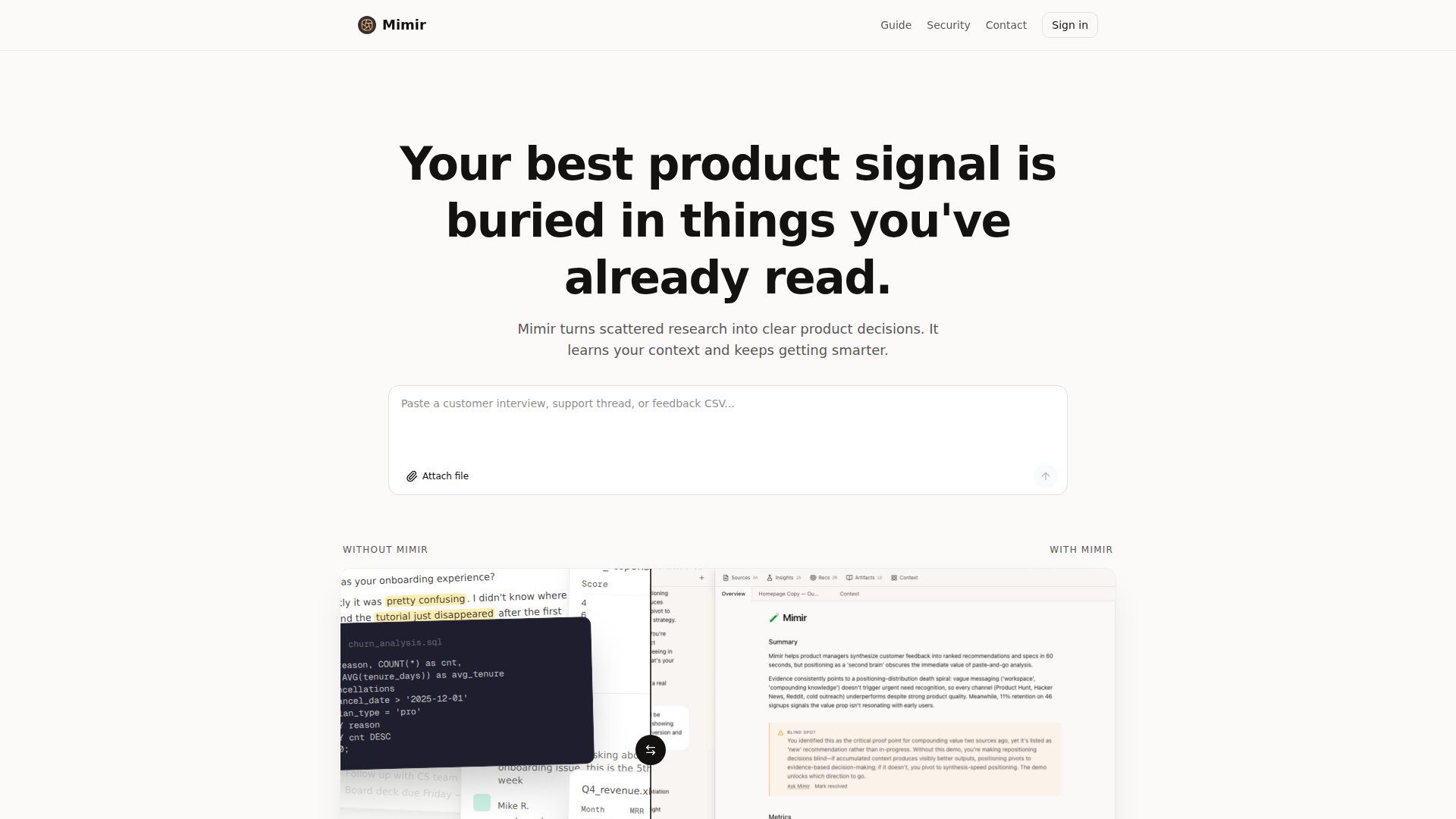
Mimir is a product research and decision-support workspace that turns scattered inputs into structured product insight. It is designed for product teams working across interviews, support tickets, analytics, surveys, spreadsheets, notes, SQL outputs, Slack threads, and similar sources that are typically spread across multiple tools.
The core workflow is to paste, upload, or connect source material, let Mimir build a running model of the product, users, and market, and then use that model to surface themes, answer questions, prioritize work, and generate decision artifacts. Based on the page content, it appears positioned as a product intelligence layer for research synthesis and roadmap decision-making rather than a standalone analytics or ticketing system.
Features
- Multi-source ingestion: Accepts transcripts, CSVs, PDFs, screenshots, Slack content, URLs, and text so teams can analyze product signals across qualitative and quantitative inputs in one place.
- Living product context model: Builds an evolving model of product, user, and market context that becomes sharper as more sources are added, helping teams move beyond isolated findings.
- Theme detection with source traceability: Surfaces recurring issues ranked by severity and frequency, with original quotes inline so teams can verify the evidence behind each theme.
- Grounded question answering: Lets users ask questions such as churn or onboarding issues and returns answers tied to cited source material rather than uncited summaries.
- Prioritized recommendation and backlog support: Produces ranked recommendations by likely impact and effort, which can help product teams defend prioritization in roadmap discussions.
- Document generation from research: Creates PRDs, briefs, and emails based on source-backed findings, which can reduce manual synthesis and drafting work.
Helpful Tips
- Evaluate how well the product handles your real research mix, especially if your team relies on messy notes, support logs, analytics exports, and partial transcripts rather than clean datasets.
- Verify the quality of source traceability during a trial; for products like this, confidence depends heavily on whether recommendations can be audited back to original evidence.
- Start with one focused workflow, such as onboarding friction or churn analysis, before expanding usage to broader product planning and documentation.
- Involve both product and research or support stakeholders early, since the value of a synthesis layer usually increases when multiple evidence streams are consistently fed into it.
- Stay cautious about predictive or recommendation outputs until you confirm they align with your team’s judgment and historical outcomes; the page suggests this capability, but detailed methodology is not provided.
OpenClaw Skills
Mimir could likely work well inside the OpenClaw ecosystem as a research-synthesis and product-decision skill. A likely workflow would have OpenClaw agents collect raw inputs from interviews, support channels, analytics exports, and planning notes, then pass those materials into a Mimir-centered analysis step that identifies themes, drafts PRDs, and prepares roadmap evidence packs. The source-grounded nature shown on the page makes it a plausible foundation for agents that need to justify recommendations rather than just summarize information.
More broadly, this combination could support product ops, UX research, customer insight, and growth teams with specialized OpenClaw skills such as churn-root-cause analysis, onboarding-friction review, voice-of-customer digest creation, or board-deck evidence assembly. If native integration is not available, this should be treated as a likely orchestration use case rather than a confirmed connection. In practice, that setup could shift teams from manual synthesis and fragmented decision-making toward a more continuous operating model where evidence is gathered, interpreted, and converted into action-ready artifacts with less overhead.
Embed Code
Share this AI tool on your website or blog by copying and pasting the code below. The embedded widget will automatically update with the latest information.
<iframe src="https://aimyflow.com/ai/mimir-build/embed" width="100%" height="400" frameborder="0"></iframe>
Explore Similar Tools
Transcribe Meetings & Generate Files with AI on TicNote Cloud
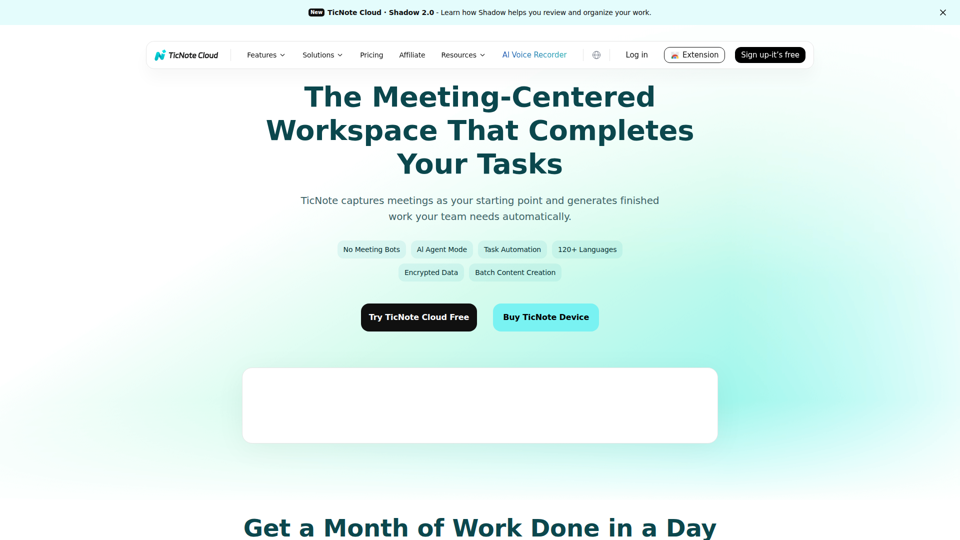
TicNote Cloud is an AI meeting workspace that records and transcribes meetings, creates summaries, action items, and files, and organizes transcripts and project materials for teams that rely on meetings to drive work. For product, operations, sales, and project management roles, it can reduce manual note-taking and speed follow-up by turning conversations into structured outputs and searchable knowledge.

Tingwu CN
通义听悟 is an AI meeting and media transcription tool that converts speech to text, provides multilingual translation, distinguishes speakers, and generates summaries such as chapter overviews and action items, mainly for people who need to capture and review meetings efficiently. For project managers and similar knowledge workers, it can reduce manual note-taking and speed up turning long discussions into usable minutes and follow-up tasks.
RowFlow - the modern AI-native form
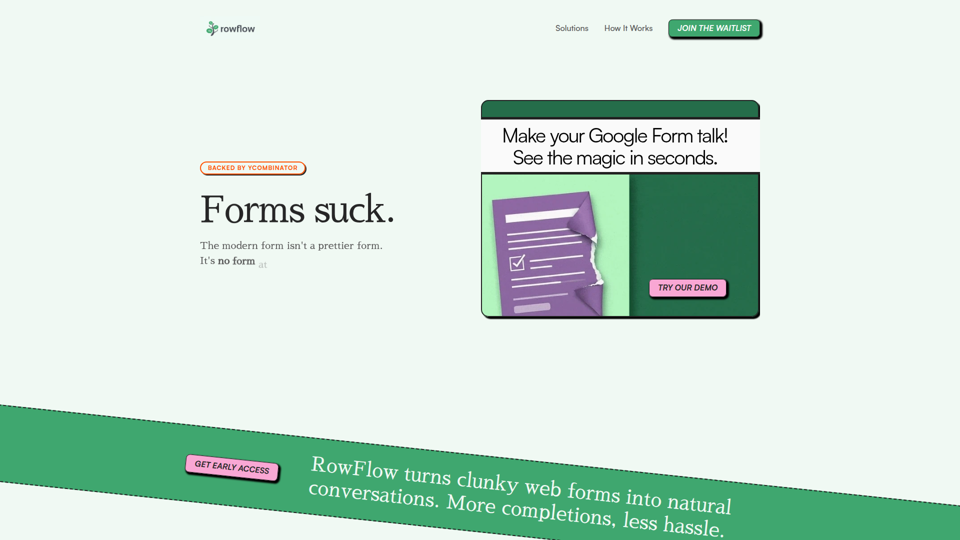
RowFlow is an AI-native form platform that turns traditional forms into conversational outreach across channels like SMS, email, Slack, WhatsApp, and phone, helping teams collect structured information faster with fewer manual follow-ups; it is mainly for operations, onboarding, research, and revenue teams. For functions such as customer onboarding, lead qualification, and internal reporting, it can reduce time spent chasing responses while producing cleaner data from messy user input.
1ClickClaw - OpenClaw Hosting | One-Click AI Bot
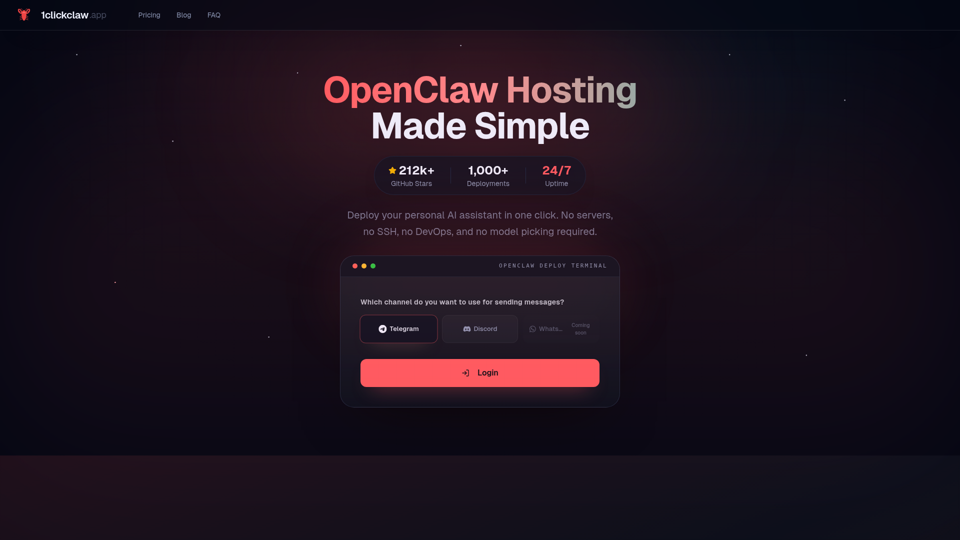
1ClickClaw is a hosting service for deploying OpenClaw as a personal AI assistant on Telegram, Discord, or WhatsApp in one click, mainly for users who want an always-on bot without managing servers, SSH, or DevOps setup. For operators, community managers, and solo builders, this can shorten deployment time and simplify AI bot maintenance so they can focus more on conversations and workflows than infrastructure.
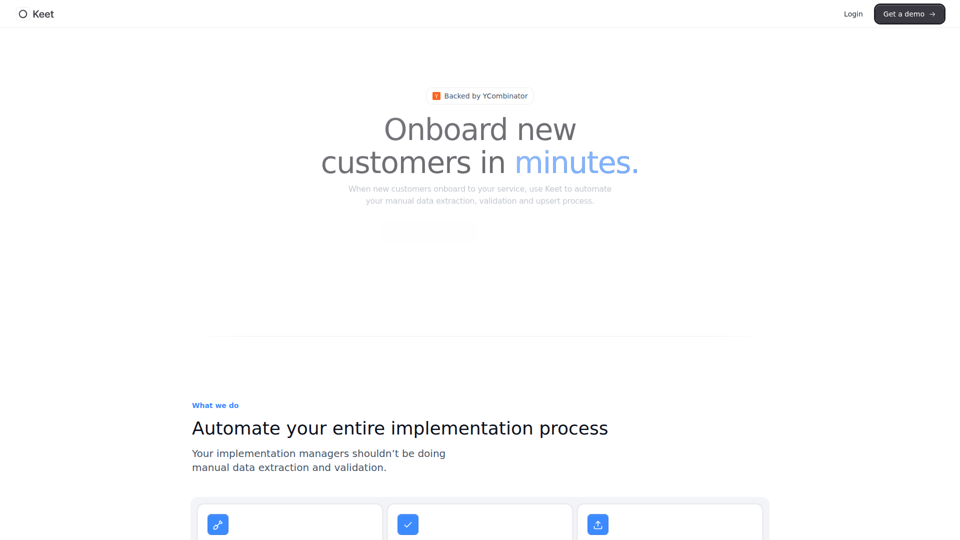
Keet - Automated enterprise onboarding
Keet is an automated enterprise onboarding tool that extracts, validates, and uploads customer migration data to help implementation managers onboard new customers faster. In AI-driven implementation workflows, it can reduce manual review and data handling so implementation and onboarding teams can focus on exception handling and customer setup quality.
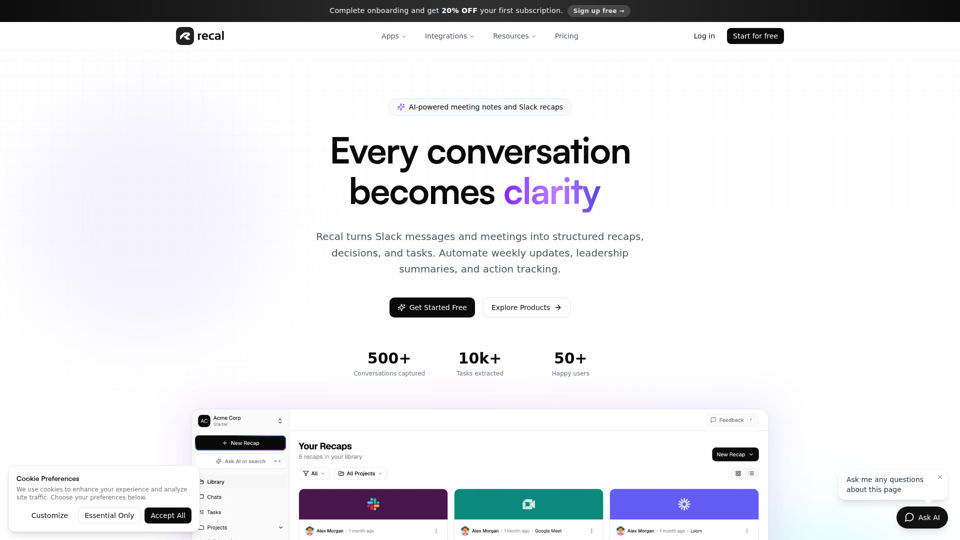
Never forget what matters | Recal
Recal is an AI-powered meeting notes and conversation memory tool that captures meetings, Slack threads, voice memos, uploads, and links, then turns them into transcripts, summaries, decisions, and tasks for teams and professionals who need reliable context and follow-through. For managers, operations leads, and product teams, it can reduce manual note-taking and improve alignment by making searchable recaps and action items available across conversations.
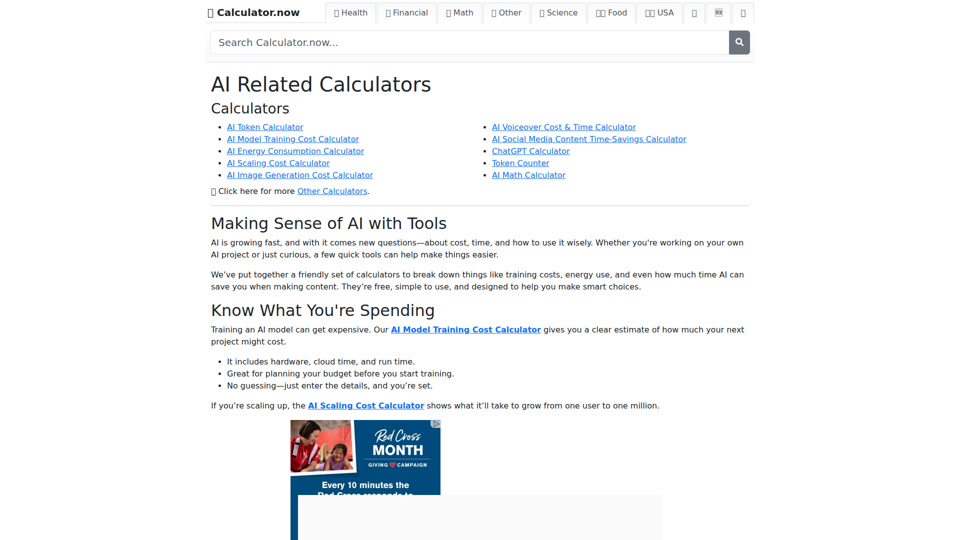
AI Related Calculators | Calculator.now
Calculator.now’s AI Related Calculators is a collection of online calculators that help users estimate token usage, model training and scaling costs, energy consumption, image generation costs, and AI workflow time savings, mainly for people planning or running AI projects. For AI developers, content teams, and project managers, these tools support faster budgeting and capacity planning by turning model and usage assumptions into clear operational estimates.
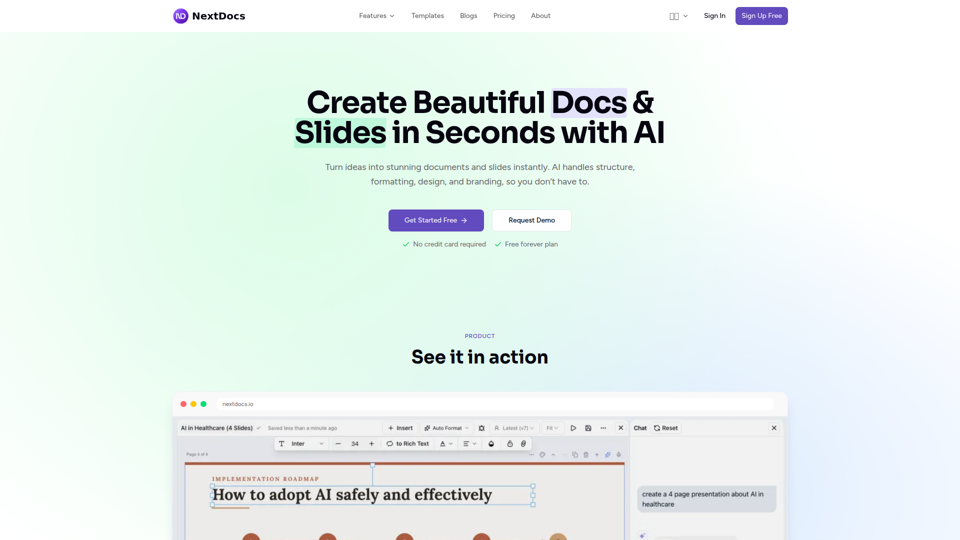
Create Beautiful Docs & Slides in Seconds with AI
NextDocs is an AI document and presentation creation tool that helps professionals and teams turn prompts into branded docs, slides, social posts, proposals, reports, and contracts with built-in editing, research, and export options. For roles like project managers, marketers, founders, and sales teams, it can reduce manual formatting and versioning work so more time goes to reviewing content and making decisions.