
Creative agents that make you prolific | Luma
Rate this Tool
Average Score
Total Votes
Select your score (1-10):
Detail Information
What
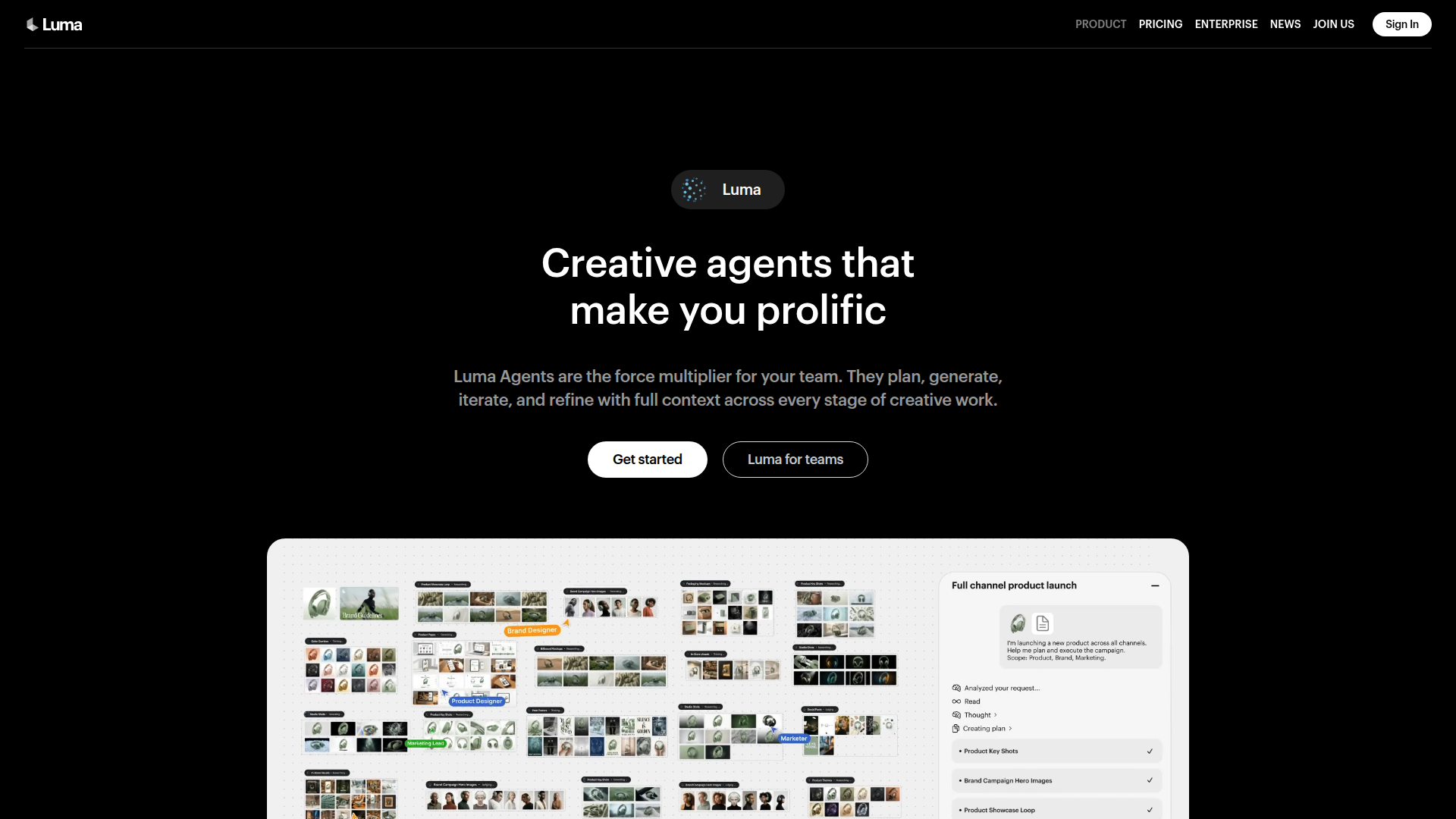
Luma is a creative AI platform built around “creative agents” that help teams plan, generate, iterate, and refine work across video, image, audio, and text. The product is positioned as an end-to-end workflow layer rather than a single-purpose generation tool, with an emphasis on preserving shared context from concept through final delivery.
It appears aimed at professional creative teams, agencies, production organizations, and enterprises that need higher output without fragmenting work across separate tools and handoffs. Based on the page, Luma’s core workflow is to orchestrate multiple multimodal models inside one continuous project environment so teams and agents can advance creative work in parallel.
Features
- Creative agents for end-to-end execution — Luma Agents help move work from planning to generation, editing, iteration, and refinement within a continuous workflow.
- Shared context across modalities — Context is carried across video, image, audio, and text tasks, which helps reduce restarts and keeps outputs aligned as projects evolve.
- Parallel creative production — The platform is designed to advance multiple directions at once, improving throughput and decision speed for teams managing many variants.
- Built-in collaboration model — Internal teams, external partners, and agents can work in parallel under shared project intelligence, which may reduce manual handoffs and coordination overhead.
- Broad professional use cases — The site highlights campaign creation, product visuals, social ads, storyboards, slide decks, localization, infographics, lesson plans, packaging mockups, and other creative production tasks.
- Access to multiple underlying models — Luma states that it orchestrates specialized multimodal models, including its own models and third-party options, to support different stages of creative work.
Helpful Tips
- Validate workflow fit, not just output quality — For a product like this, the main value is often continuity across planning, generation, and revision, so assess how well context persists across a real multi-step project.
- Map high-volume use cases first — Teams are most likely to benefit where they need many variations, channels, languages, or asset formats, such as campaign adaptation, e-commerce visuals, or social video.
- Clarify governance for team rollout — If evaluating business plans, review project organization, usage analytics, spend controls, and SSO needs early, since these often determine enterprise adoption success.
- Test brand consistency over several iterations — The page emphasizes continuity and shared intelligence, so a practical evaluation should check whether the system maintains visual and messaging consistency after multiple rounds of edits.
- Be conservative about unsupported assumptions — The page names many use cases and models, but it does not fully detail approval workflows, asset management depth, or native integrations, so those areas should be verified directly.
OpenClaw Skills
Luma could likely fit well into the OpenClaw ecosystem as the creative execution layer inside larger agentic workflows. Likely OpenClaw skills could include campaign brief interpretation, creative variant planning, storyboard generation, asset request routing, localization workflow management, and review-cycle coordination, with Luma handling multimodal production tasks while OpenClaw agents manage process logic and handoffs.
For agencies, media teams, education publishers, and ecommerce organizations, this combination could likely turn fragmented production into a more coordinated operating model. A likely use case would be an OpenClaw agent that receives a launch brief, decomposes it into channel-specific deliverables, triggers Luma-based image/video/audio creation paths, tracks revisions, and assembles final packages for review. The source page does not confirm a native OpenClaw integration, so this should be treated as an inferred workflow opportunity rather than a documented product capability.
Embed Code
Share this AI tool on your website or blog by copying and pasting the code below. The embedded widget will automatically update with the latest information.
<iframe src="https://aimyflow.com/ai/lumalabs-ai-app/embed" width="100%" height="400" frameborder="0"></iframe>
Explore Similar Tools
Versive
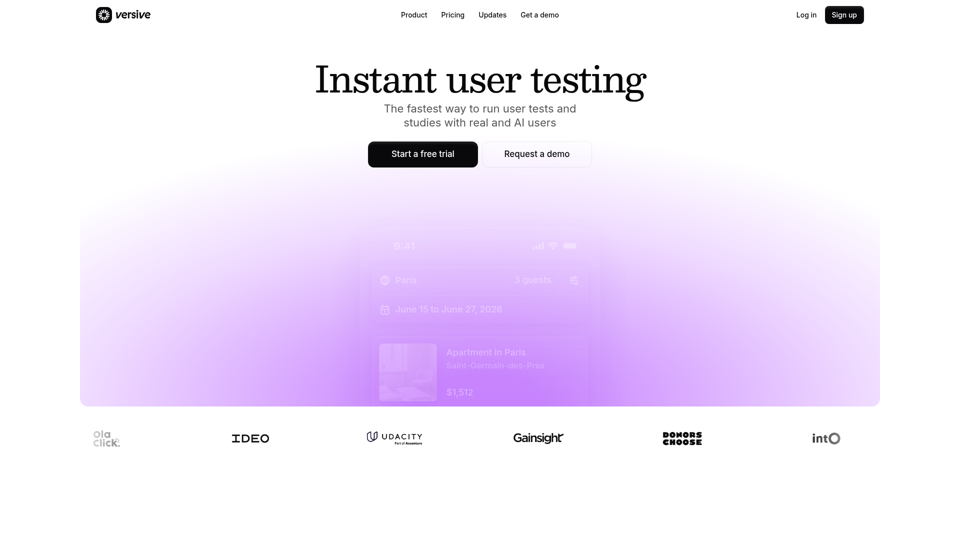
Versive is an AI-powered user research and testing platform that helps product teams design, run, and synthesize usability studies with real and simulated users, especially for product managers, UX researchers, and designers. In AI-assisted product development, it can help these teams validate interface decisions faster by generating transcripts, screenshots, summaries, and actionable recommendations in minutes.
Challenges | Test Your AI Prompting Skills
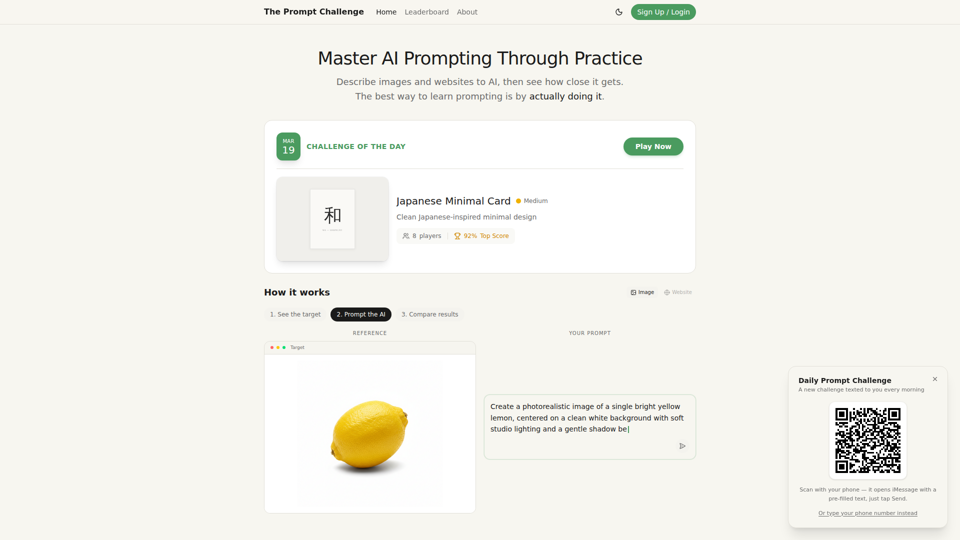
The Prompt Challenge is a practice platform that helps users improve AI prompting by describing images and websites, comparing AI-generated results to references, and competing on scores, mainly for people learning prompt engineering and hands-on AI creation. For designers, developers, and AI practitioners, this kind of repeatable prompt testing can sharpen instruction-writing skills and improve consistency when using generative tools for visual and interface work.
AI Infographic Generator
GraphicInfo is an AI infographic generator that helps users turn ideas and content into professional, customizable infographics quickly, mainly for creators and people producing website or social media content. In AI-driven content workflows, it can help marketers, content teams, and designers speed up visual asset creation while still refining text and images for specific brand needs.
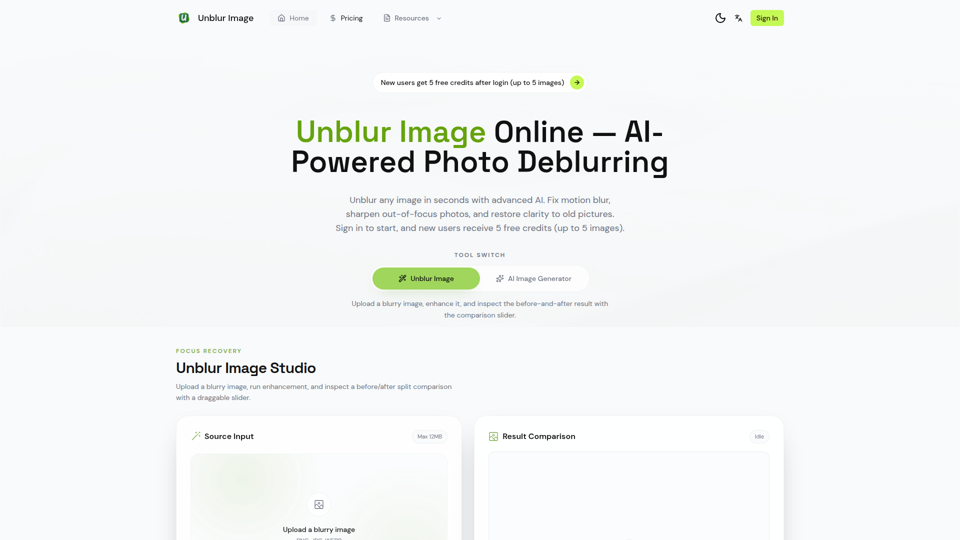
Unblur Image — Make Blurry Photos Clear with AI
Unblur Image is an AI-powered online photo deblurring tool that helps users fix motion blur, sharpen out-of-focus images, restore old photos, and improve text clarity, mainly for people who need quick image enhancement without manual editing skills. In AI-era workflows, it can help photographers, content teams, and document-heavy professionals recover usable visuals and readable assets faster from imperfect source images.
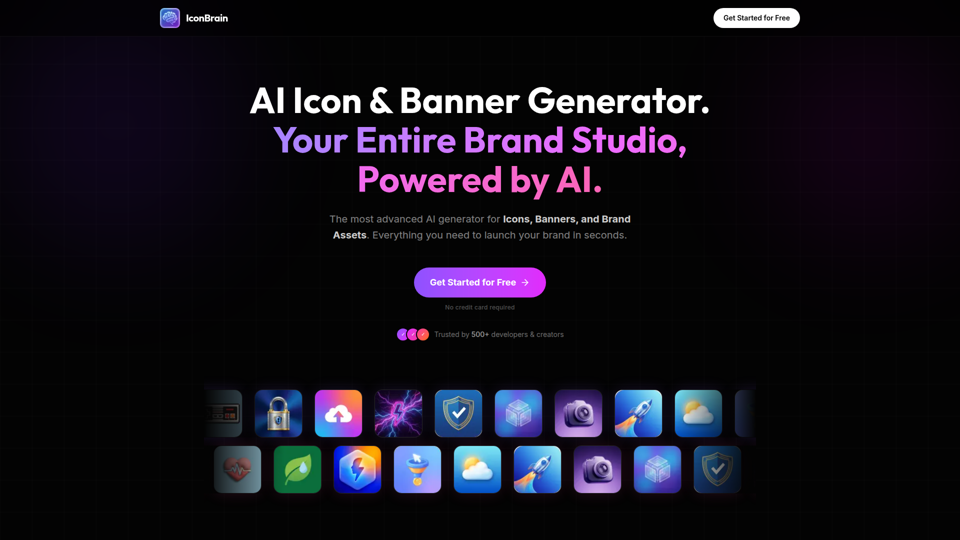
IconBrain | AI Icon Generator for Apps & Brands
IconBrain is an AI icon, banner, and brand asset generator that helps users create and edit production-ready visuals from text prompts or brand context, mainly for developers and creators launching apps or brands. For product, marketing, and design work, it can speed up early brand asset creation while helping teams keep visual styles more consistent across platforms.
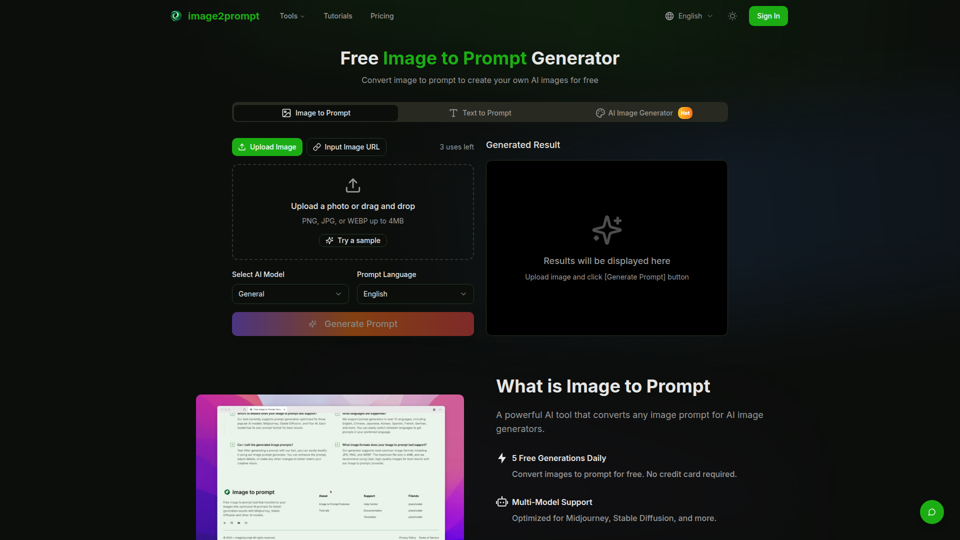
Free Image to Prompt Generator - image2prompt.net
image2prompt.net is a free AI image-to-prompt generator that analyzes uploaded images or image URLs and turns them into editable prompts for Midjourney, Stable Diffusion, Flux, and similar models, mainly for AI artists, designers, and creators. For creative professionals, it can speed prompt drafting, support style consistency, and reduce manual prompt rewriting across different image generation workflows.
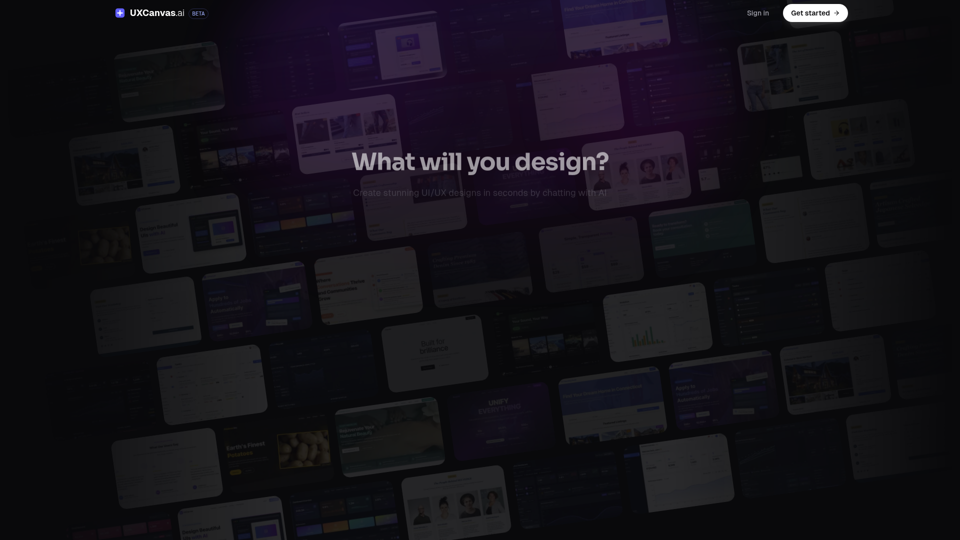
UXCanvas.ai | AI UI/UX Design Agent — Describe It, Design It
UXCanvas.ai is an AI UI/UX design agent that helps users turn text prompts into production-ready interface designs, iterate through chat, and export to Figma or React code, mainly for designers and developers. For UI/UX and product teams, it can shorten the path from concept to handoff by turning rough ideas into structured specs, reusable components, and code-ready assets.

AI HD Anime: Your Ultimate Choice for Upscaling Anime Images
AI HD Anime is a free online AI image upscaling tool that enhances anime and manga images with higher clarity and restored detail, mainly for anime fans. In AI-assisted creative and archival workflows, it can help illustrators, editors, and community curators quickly improve low-resolution anime visuals for review, sharing, or preservation.