
LoraTag - AI-Powered Image Captioning for LoRA Training | Batch Dataset Preparation Tool
Rate this Tool
Average Score
Total Votes
Select your score (1-10):
Detail Information
What
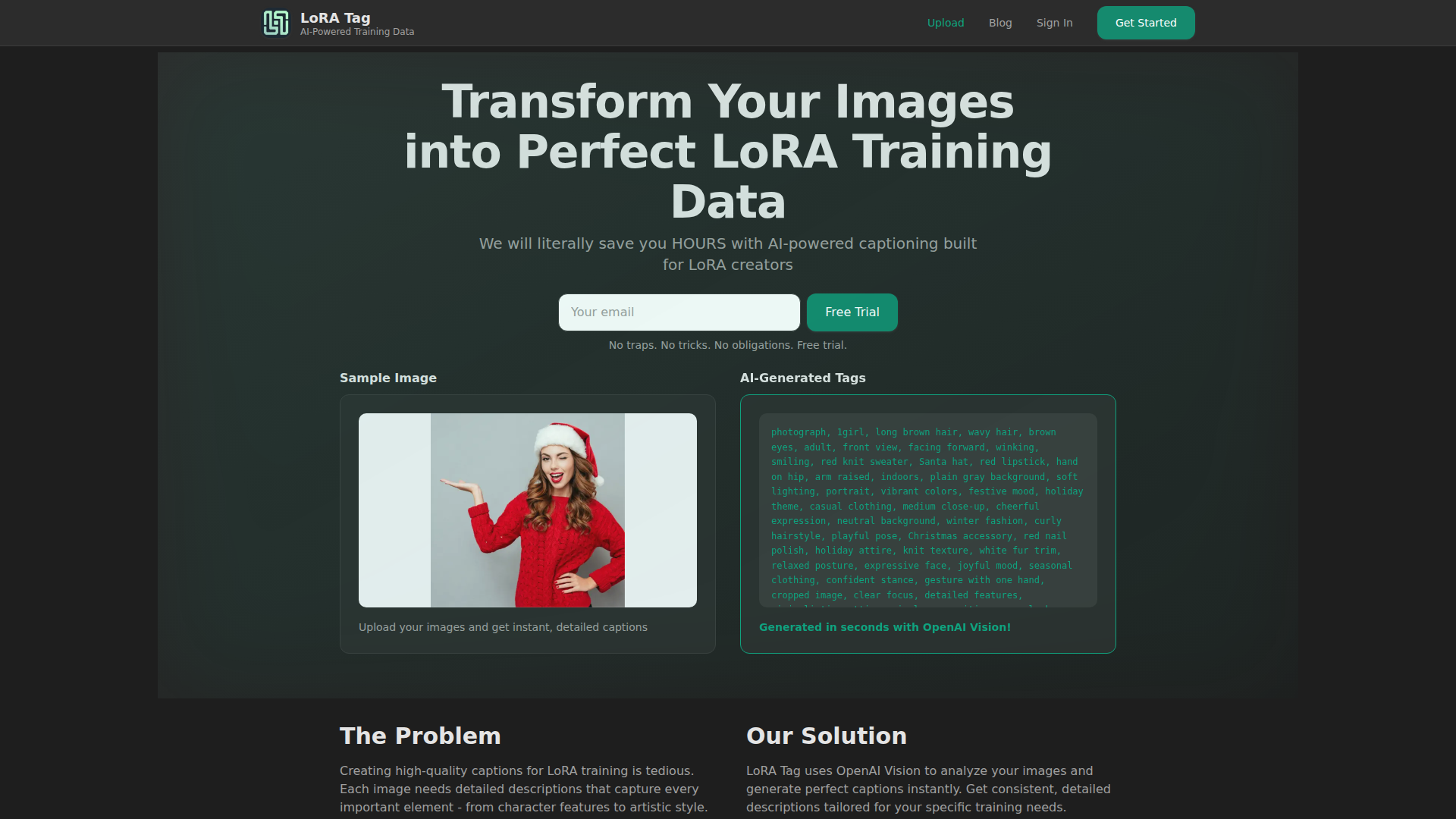
LoraTag is a web-based image captioning tool for preparing LoRA training datasets. It uses GPT-4 Vision or OpenAI Vision, depending on the page section, to generate natural-language captions for images and export matching .txt files used by LoRA training workflows.
It is aimed at AI artists, LoRA creators, and fine-tuning researchers working with Stable Diffusion, SDXL, SD3, and FLUX-related training pipelines. Its core workflow is upload images, choose caption detail settings, generate captions in batch, review or edit them, and download training-ready files; positioning appears to be a browser-first dataset preparation tool focused on faster and more consistent captioning than manual methods or simple taggers.
Features
- Batch image captioning — Processes many images at once to reduce the manual effort of writing captions one by one.
- Multiple caption detail levels — Lets users choose shorter or more descriptive outputs depending on training goals and token constraints.
- Natural-language caption generation — Produces descriptions that include subjects, composition, style, lighting, color, and context rather than only comma-separated tags.
- Training-ready
.txtexport — Outputs one caption file per image in a format intended for common LoRA trainers such as kohya_ss, EveryDream, SimpleTuner, ai-toolkit, and related tools. - In-browser review and editing — Allows users to inspect, refine, or regenerate captions before downloading the dataset.
- Folder and dataset organization support — Supports folders and preserves directory structure, which helps maintain larger training datasets during export.
Helpful Tips
- Check plan and quota details carefully — The source content shows inconsistent limits and pricing across sections, so buyers should verify current image allowances, quality levels, and plan features on the live product before committing.
- Use cleaned and consistently framed images — Caption quality may be more useful for training when the dataset already has consistent cropping, subject focus, and minimal noise.
- Match caption length to the training objective — Shorter captions may suit trigger-word workflows, while standard or detailed captions are more appropriate when composition, style, and relationships matter.
- Review captions before export — Even with strong vision models, manual review is still important for edge cases, naming consistency, and token budget control.
- Confirm data handling requirements — The page states images are processed in memory, sent to OpenAI’s Vision API, and then deleted, so teams with strict privacy requirements should validate that workflow against internal policies.
OpenClaw Skills
LoraTag could fit well into the OpenClaw ecosystem as part of a dataset-preparation workflow for generative AI teams. A likely use case would be an OpenClaw skill that watches a folder or project workspace, submits new training images for caption generation, checks token length, and routes the resulting .txt files into a standardized LoRA training pipeline. If API access is available on certain plans, that would make this kind of automation more practical, though the page does not describe native OpenClaw integration.
A broader OpenClaw agent layer could also help creative teams operationalize captioning at scale. Likely workflows include dataset QA agents that flag inconsistent captions, style-governance agents that enforce naming rules across character or product datasets, and training-prep agents that package captioned images for specific tools such as kohya_ss or SimpleTuner. For AI art studios, synthetic media teams, and research groups, that combination could turn captioning from a manual bottleneck into a repeatable production step with better consistency across LoRA development.
Embed Code
Share this AI tool on your website or blog by copying and pasting the code below. The embedded widget will automatically update with the latest information.
<iframe src="https://aimyflow.com/ai/loratag-ai/embed" width="100%" height="400" frameborder="0"></iframe>
Explore Similar Tools
Versive
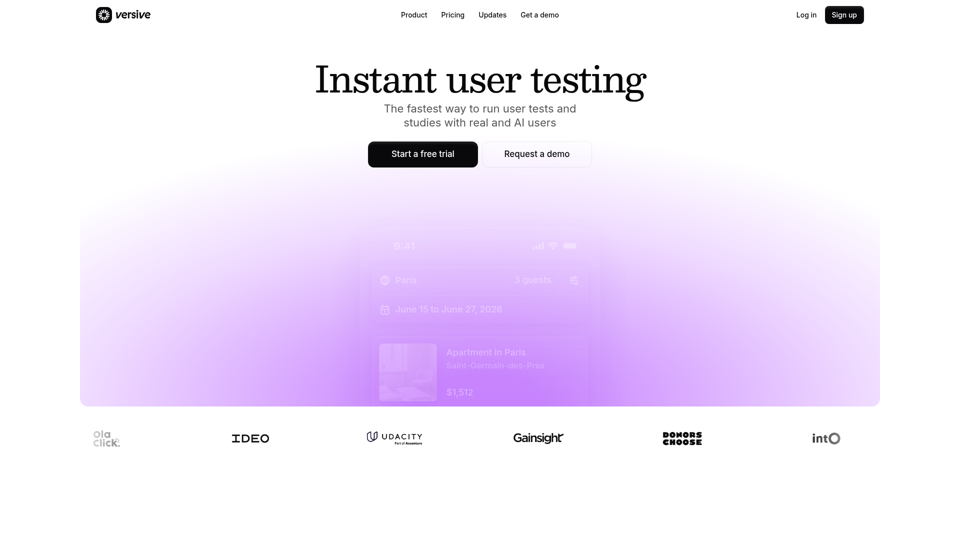
Versive is an AI-powered user research and testing platform that helps product teams design, run, and synthesize usability studies with real and simulated users, especially for product managers, UX researchers, and designers. In AI-assisted product development, it can help these teams validate interface decisions faster by generating transcripts, screenshots, summaries, and actionable recommendations in minutes.
Challenges | Test Your AI Prompting Skills
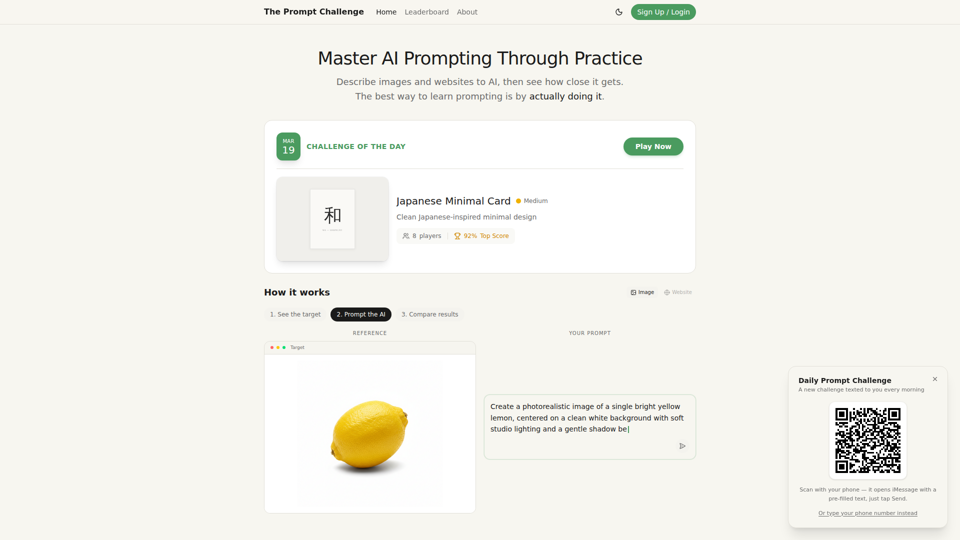
The Prompt Challenge is a practice platform that helps users improve AI prompting by describing images and websites, comparing AI-generated results to references, and competing on scores, mainly for people learning prompt engineering and hands-on AI creation. For designers, developers, and AI practitioners, this kind of repeatable prompt testing can sharpen instruction-writing skills and improve consistency when using generative tools for visual and interface work.
AI Infographic Generator
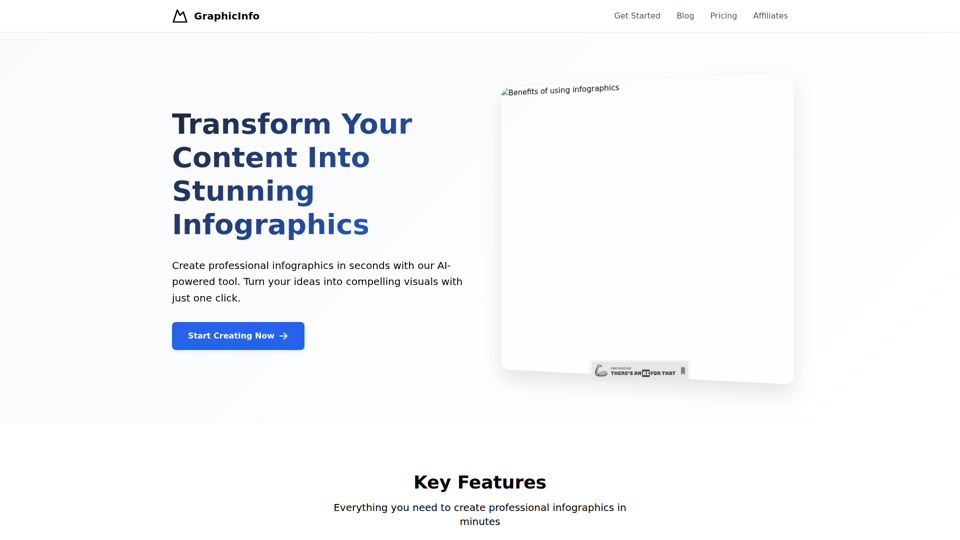
GraphicInfo is an AI infographic generator that helps users turn ideas and content into professional, customizable infographics quickly, mainly for creators and people producing website or social media content. In AI-driven content workflows, it can help marketers, content teams, and designers speed up visual asset creation while still refining text and images for specific brand needs.
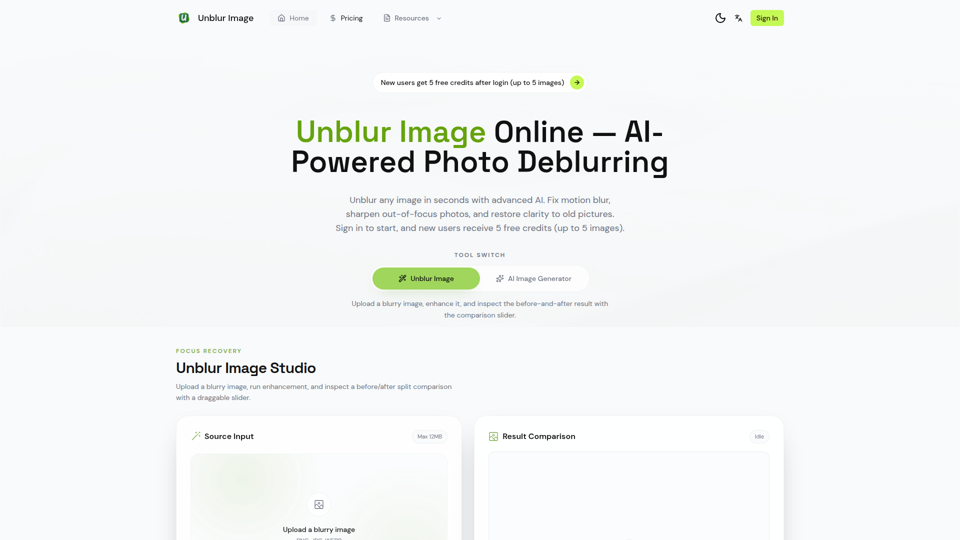
Unblur Image — Make Blurry Photos Clear with AI
Unblur Image is an AI-powered online photo deblurring tool that helps users fix motion blur, sharpen out-of-focus images, restore old photos, and improve text clarity, mainly for people who need quick image enhancement without manual editing skills. In AI-era workflows, it can help photographers, content teams, and document-heavy professionals recover usable visuals and readable assets faster from imperfect source images.
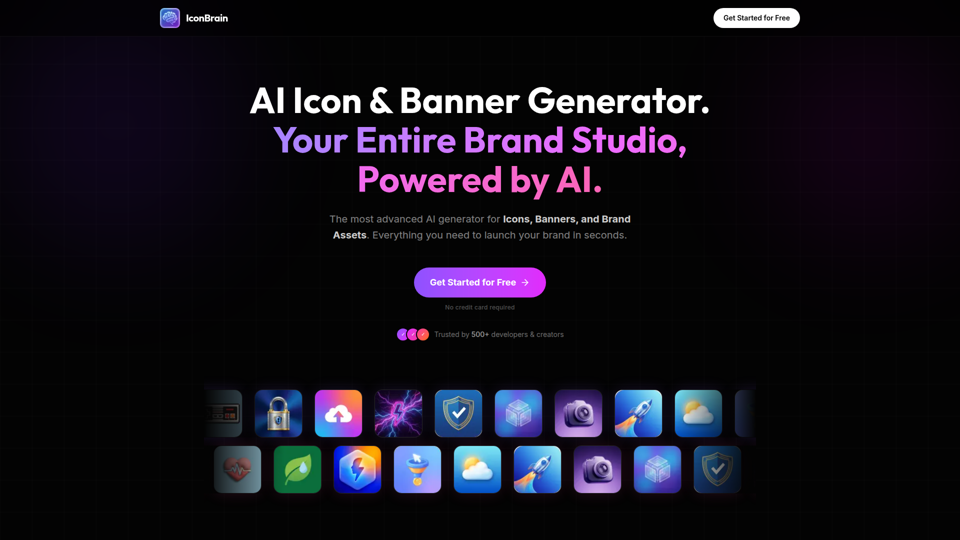
IconBrain | AI Icon Generator for Apps & Brands
IconBrain is an AI icon, banner, and brand asset generator that helps users create and edit production-ready visuals from text prompts or brand context, mainly for developers and creators launching apps or brands. For product, marketing, and design work, it can speed up early brand asset creation while helping teams keep visual styles more consistent across platforms.
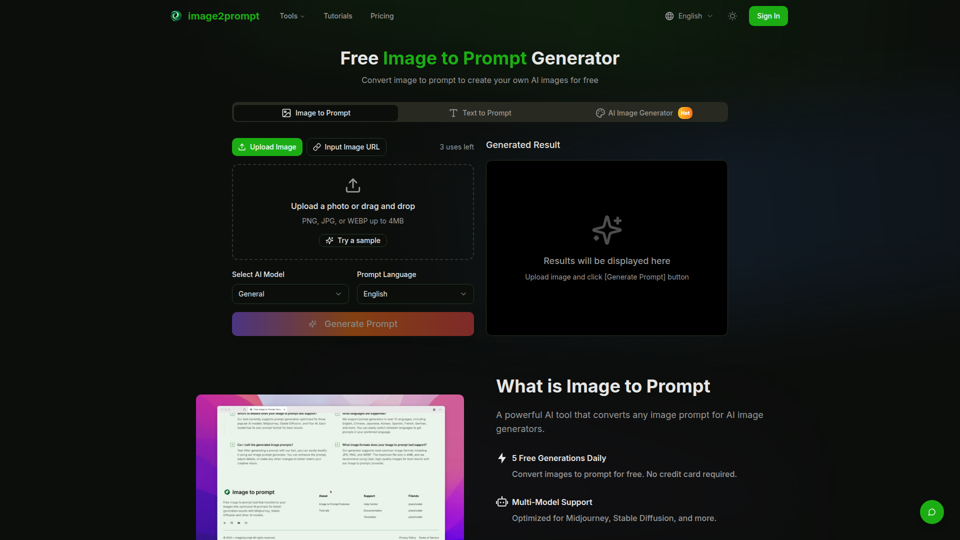
Free Image to Prompt Generator - image2prompt.net
image2prompt.net is a free AI image-to-prompt generator that analyzes uploaded images or image URLs and turns them into editable prompts for Midjourney, Stable Diffusion, Flux, and similar models, mainly for AI artists, designers, and creators. For creative professionals, it can speed prompt drafting, support style consistency, and reduce manual prompt rewriting across different image generation workflows.
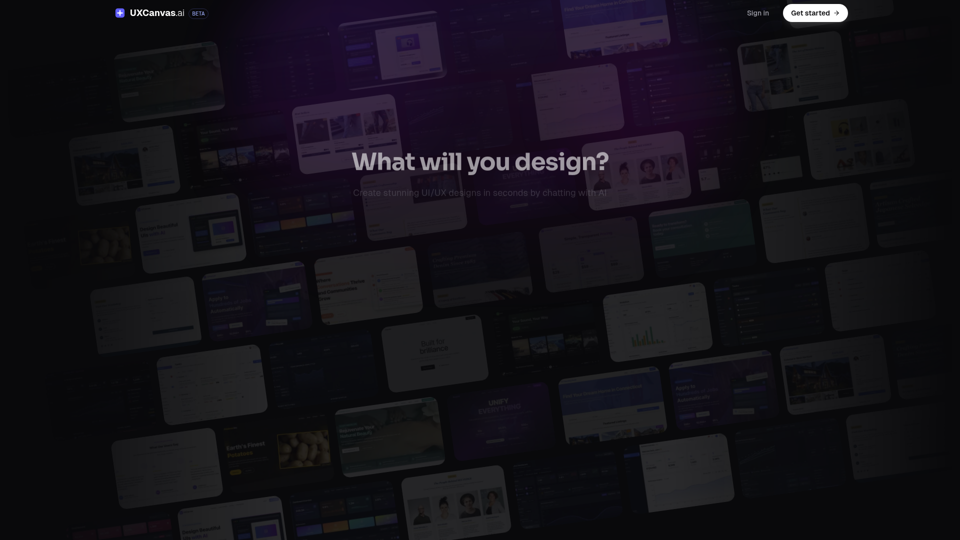
UXCanvas.ai | AI UI/UX Design Agent — Describe It, Design It
UXCanvas.ai is an AI UI/UX design agent that helps users turn text prompts into production-ready interface designs, iterate through chat, and export to Figma or React code, mainly for designers and developers. For UI/UX and product teams, it can shorten the path from concept to handoff by turning rough ideas into structured specs, reusable components, and code-ready assets.
AI HD Anime: Your Ultimate Choice for Upscaling Anime Images
AI HD Anime is a free online AI image upscaling tool that enhances anime and manga images with higher clarity and restored detail, mainly for anime fans. In AI-assisted creative and archival workflows, it can help illustrators, editors, and community curators quickly improve low-resolution anime visuals for review, sharing, or preservation.