
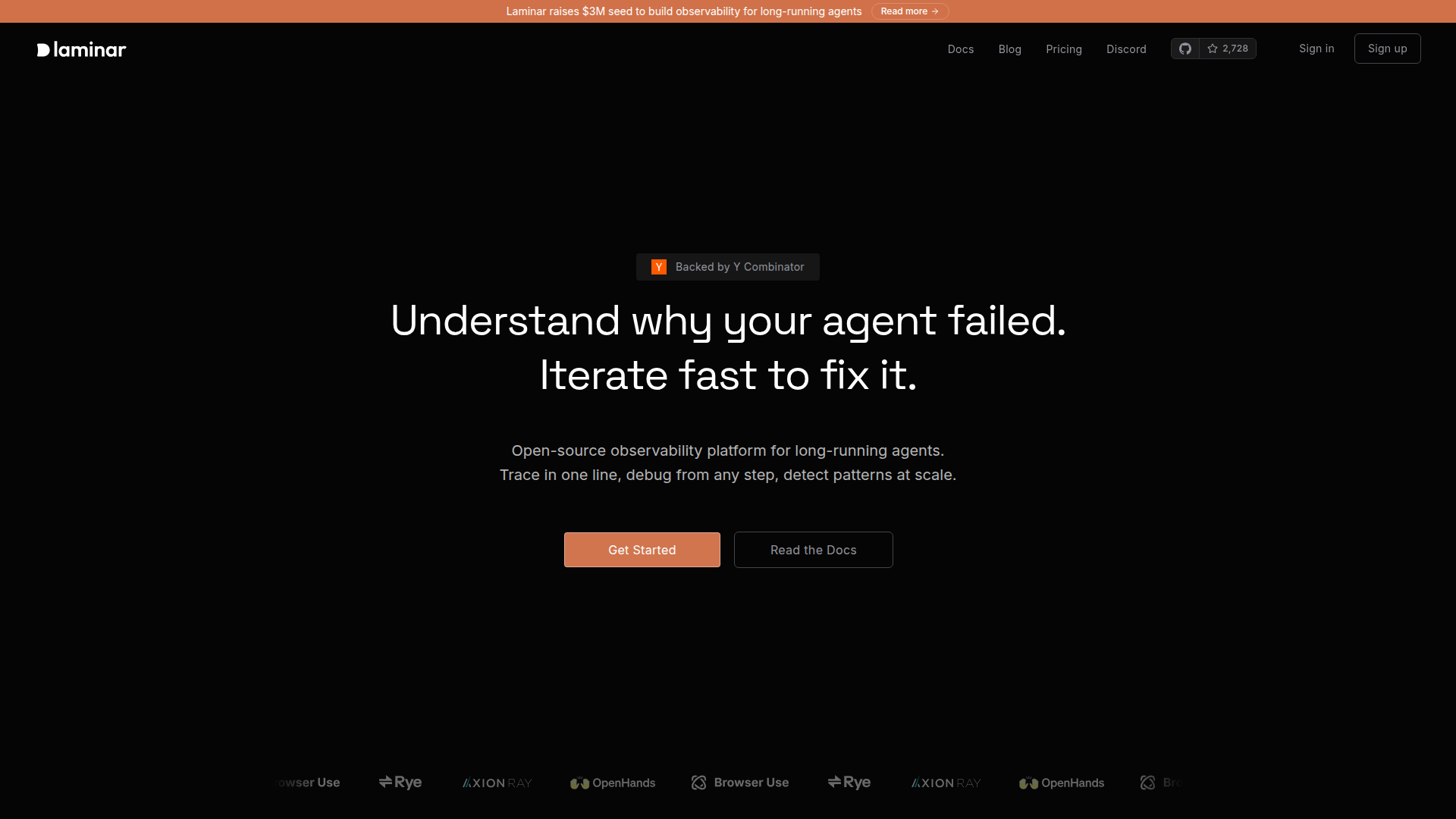
Laminar - Open-source observability for AI agents
Rate this Tool
Average Score
Total Votes
Select your score (1-10):
Detail Information
What
Laminar is an open-source observability platform for AI agents, with a stated focus on long-running agents. It is designed for teams building agentic systems who need to trace runs, inspect failures, evaluate behavior, and analyze patterns across many sessions.
The product appears positioned as a developer-focused tool for the full agent iteration loop: instrument an agent quickly, inspect detailed traces, replay and debug runs, define large-scale analysis signals, query telemetry with SQL, and run evaluations to detect regressions. The page emphasizes agent debugging and operational analysis rather than general-purpose application monitoring.
Features
- Lightweight tracing setup: Laminar can be initialized in a few lines of code, helping teams start collecting agent traces without heavy setup.
- Step-level agent debugger: Developers can rerun from a specific step with prior context preserved, which is useful for isolating failures and testing prompt or workflow changes.
- Full trace context and AI-assisted debugging: The platform shows complete execution context and offers AI-generated summaries and root-cause analysis for complex traces.
- Session replay for browser agents: Laminar records browser sessions and syncs them with traces, which helps debug UI-driven agents that interact with web pages.
- Signals for large-scale trace analysis: Users can define patterns or failure types they want to detect, and Laminar extracts those events from past and future traces for trend analysis.
- SQL and evals workflow: The platform supports SQL queries across platform data and an evals SDK for testing agents against datasets and success metrics, helping teams track quality over time.
Helpful Tips
- Check framework fit early: The page shows support for common agent and browser-automation tooling, but buyers should verify the exact SDKs and runtime environments they need before standardizing on it.
- Use tracing first, then formalize analysis: Teams usually get value fastest by instrumenting traces early, then adding Signals and evals once recurring failure modes are visible.
- Separate debugging from governance needs: Laminar clearly covers observability and iteration workflows; if you need formal compliance, policy controls, or incident-management features, confirm those separately because they are not established on this page.
- Assess self-hosting requirements carefully: The site states “Self-host anywhere,” but infrastructure model, deployment complexity, and operational responsibilities are not detailed here.
- Define evaluation metrics before rollout: The evals capability is most useful when teams already know which outputs, behaviors, or business outcomes they want to score consistently.
OpenClaw Skills
Laminar could pair well with the OpenClaw ecosystem as an observability and evaluation layer around autonomous workflows. A likely use case would be OpenClaw skills that automatically inspect failed agent runs, classify error types, summarize root causes, and route issues into engineering, QA, or operations workflows. Another likely pattern is using Laminar trace data as feedback input for OpenClaw agents that refine prompts, tool-routing logic, or task plans.
For professions building and operating AI agents, this combination could shift work from manual debugging toward closed-loop optimization. Product, ML, and automation teams could build OpenClaw agents that watch Laminar Signals, trigger regression investigations, generate eval datasets from failure clusters, and propose workflow fixes. The page does not confirm a native OpenClaw integration, so this should be treated as a likely orchestration pattern rather than a documented built-in connection.
Embed Code
Share this AI tool on your website or blog by copying and pasting the code below. The embedded widget will automatically update with the latest information.
<iframe src="https://aimyflow.com/ai/laminar-sh/embed" width="100%" height="400" frameborder="0"></iframe>
Explore Similar Tools

Free AI Photo Editor: Edit & Generate Image Online | Pokecut
Pokecut is an AI photo editor that helps users remove backgrounds, enhance images, and generate visuals online, mainly for ecommerce sellers, marketers, and creators who need quick design-ready assets. It speeds up routine image production so visual teams can create polished content with less manual editing.
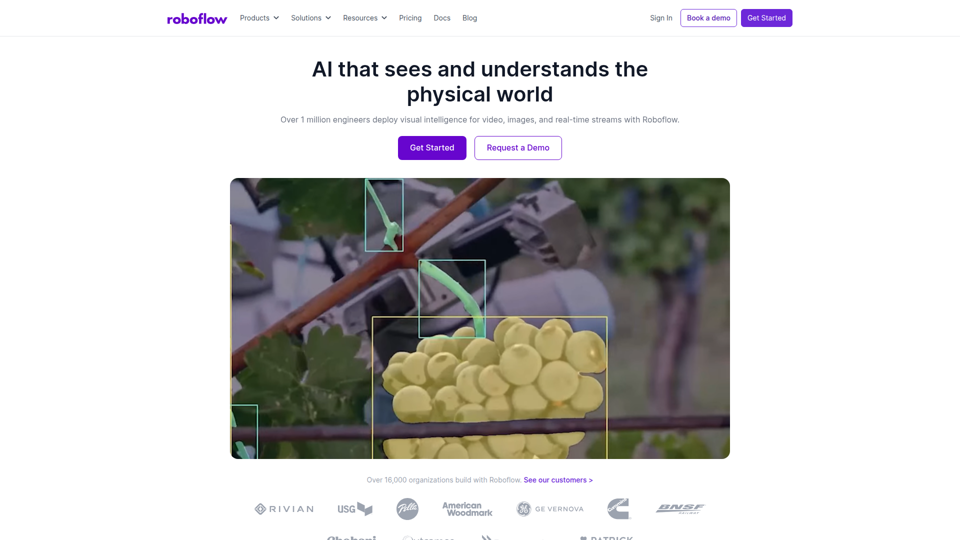
Roboflow: Computer vision tools for developers and enterprises
Roboflow is a computer vision platform that helps developers, machine learning engineers, and enterprises annotate data, train models, build workflows, and deploy vision AI for images, video, and real-time streams. In AI-driven operations, it can help computer vision and ML teams move faster from prototype to production by combining data labeling, model training, and deployment in one workflow.

Seedance 2.0
Seedance 2.0 is ByteDance's AI video generation model designed to create high-quality videos from prompts and multimodal inputs, mainly for creators, developers, and media teams. In the AI era, it helps visual content roles turn ideas into production-ready motion assets with far less manual editing effort.
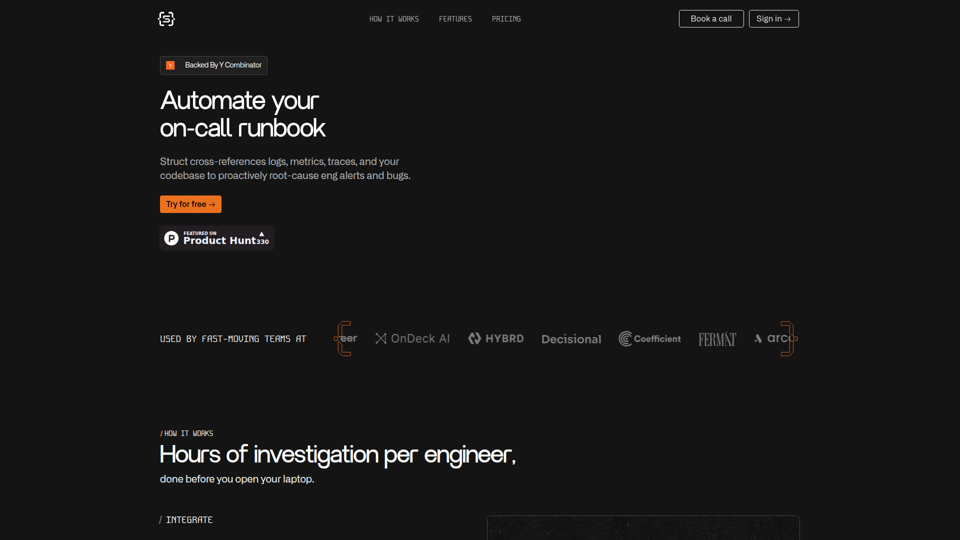
Struct | Automate your on-call runbook
Struct is an AI on-call agent that investigates engineering alerts and bugs by analyzing logs, metrics, traces, and codebases, mainly for software engineers and SRE teams. In the AI era, it helps incident responders shorten triage time by delivering root-cause findings and suggested fixes directly in workflows.
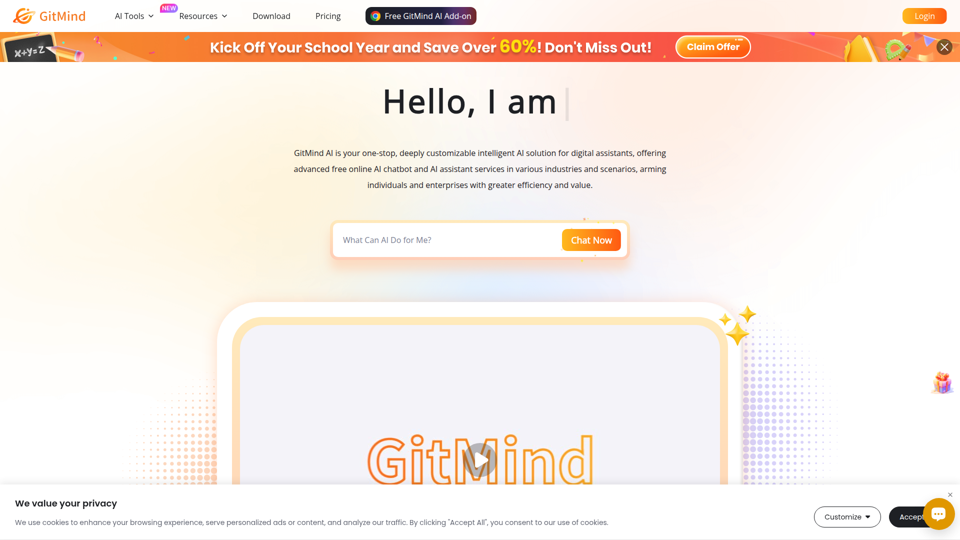
GitMind Chat - Your Best AI Assistant
GitMind Chat is an AI assistant and chatbot platform that helps individuals and enterprises handle conversations, analysis, writing, coding, translation, customer service, and custom AI agent creation through prebuilt or configurable assistants. For roles such as marketers, analysts, support teams, educators, and developers, it can streamline repetitive knowledge work by combining chat, file and link inputs, image analysis, and contextual responses in one workflow.
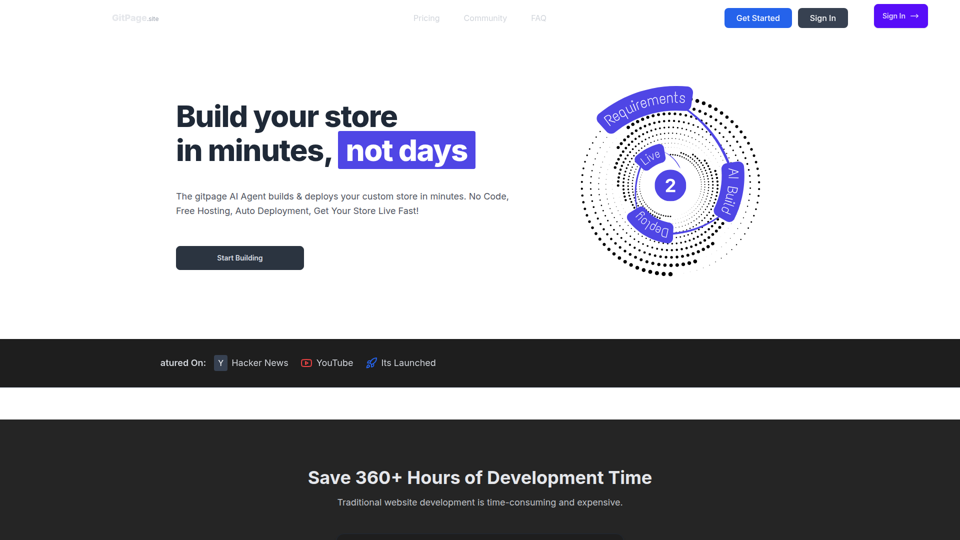
GitPage AI Website Builder | GitPage
GitPage is an AI website builder that generates and deploys websites, online stores, and landing pages from a form, mainly for freelancers, agencies, startups, and businesses that want no-code site creation with code ownership. For web professionals and client-service teams, it can reduce manual setup and content drafting by automating page generation, blog content, and deployment to GitHub or GitLab Pages.

Rohan Mehta
Rohan Mehta is a personal website for a New York–based software engineer at OpenAI, outlining his background at Meta and as a YC-backed startup founder, and highlighting his creator role behind the Subway Time NYC transit app. For software engineers and technical hiring teams, this kind of concise profile helps AI-era talent evaluation by quickly surfacing relevant build, scale, and product experience.
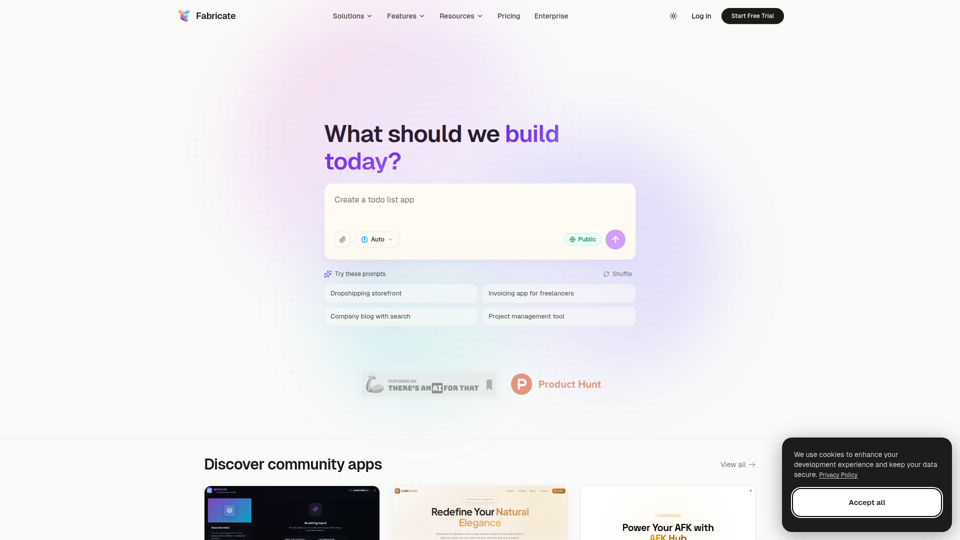
Fabricate - AI Full-Stack App Builder | Build Anything, Ship Faster
Fabricate is an AI full-stack app builder that helps users describe an app idea and generate production-ready web applications, mainly for founders, developers, designers, freelancers, agencies, and enterprises. In AI-assisted product development, it can help these teams move faster from concept to deployable React, TypeScript, and backend code with less manual setup.