
in3D: Create Photorealistic Avatars For Metaverse
Rate this Tool
Average Score
Total Votes
Select your score (1-10):
Detail Information
What
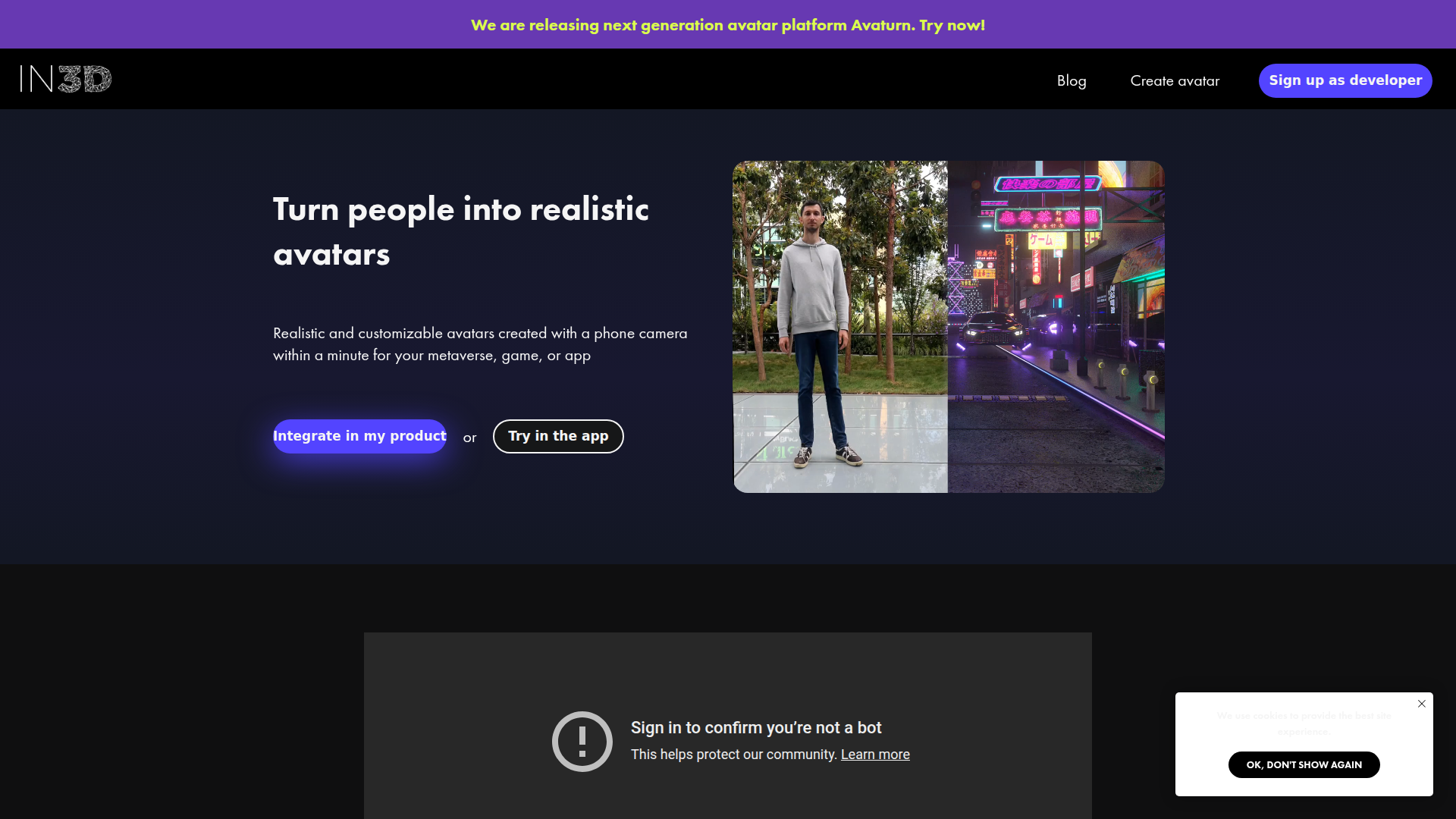
in3D is an avatar creation platform focused on generating realistic, customizable 3D avatars from a phone camera scan in about a minute. The site presents Avaturn as its next-generation avatar platform and positions the product for use in metaverse experiences, games, and apps.
The core workflow is straightforward: scan a person, generate a photorealistic avatar, and export the 3D model for use in external environments. It appears to serve developers and product teams that want to add personalized human avatars to interactive digital experiences, with tooling aimed at both direct app use and product integration.
Features
- Phone-camera avatar creation: Creates realistic and customizable avatars from a mobile scan, reducing the effort needed to turn a real person into a usable 3D character.
- Fast generation workflow: The site states avatars can be created within a minute, which is useful for onboarding users quickly in consumer-facing apps and virtual environments.
- 3D model export options: Supports export in FBX, GLB, and USDZ, making the avatar assets easier to move into different 3D pipelines and runtime environments.
- SDKs for Unreal Engine and Unity: Provides developer tooling for these major engines, which helps teams bring generated avatars into games and real-time 3D applications.
- Web SDK and API availability: The blog highlights a live Web SDK and API, suggesting browser-based embedding and programmatic access for product teams building custom avatar flows.
- App-based scanning and testing: Offers an app experience for trying the scanning process and previewing output quality before deeper integration work.
Helpful Tips
- Validate realism against your target style: If your product uses stylized or highly branded characters, confirm that in3D’s realism matches the visual direction before committing to implementation.
- Check export compatibility early: Even with standard formats like FBX, GLB, and USDZ, teams should test animation, materials, and rig behavior inside their actual content pipeline.
- Prototype with the SDK before full rollout: For game or app teams, a small proof of concept in Unity, Unreal, or web can clarify performance, UX, and avatar quality expectations.
- Plan the user capture experience carefully: Because the workflow starts from a phone scan, onboarding design, instructions, and lighting guidance will likely affect final avatar quality.
- Confirm platform depth directly: The page shows core creation and export capabilities, but it does not provide detailed information on rigging options, moderation, identity features, or enterprise controls.
OpenClaw Skills
Within the OpenClaw ecosystem, in3D could likely support skills centered on avatar onboarding, asset handoff, and identity-driven 3D workflows. For example, an OpenClaw agent could guide a user through scan preparation, collect project requirements, trigger avatar generation through a likely API-based workflow, and route the exported FBX, GLB, or USDZ files into downstream creative or product systems. The site references a Web SDK, API, and engine SDKs, which makes this kind of orchestration a plausible use case, though native OpenClaw integration is not stated.
A broader OpenClaw workflow could help game studios, metaverse builders, and immersive commerce teams operationalize avatars as part of a larger pipeline. Likely skills include avatar QA review, content packaging for Unity or Unreal, support workflows for user-generated avatars, and automated metadata tagging for 3D asset libraries. In practice, that combination could shift avatar creation from a standalone feature into a repeatable service layer for digital identity, virtual experiences, and personalized user engagement.
Embed Code
Share this AI tool on your website or blog by copying and pasting the code below. The embedded widget will automatically update with the latest information.
<iframe src="https://aimyflow.com/ai/in3d-io/embed" width="100%" height="400" frameborder="0"></iframe>
Explore Similar Tools
Free AI Photo Editor: Edit & Generate Image Online | Pokecut
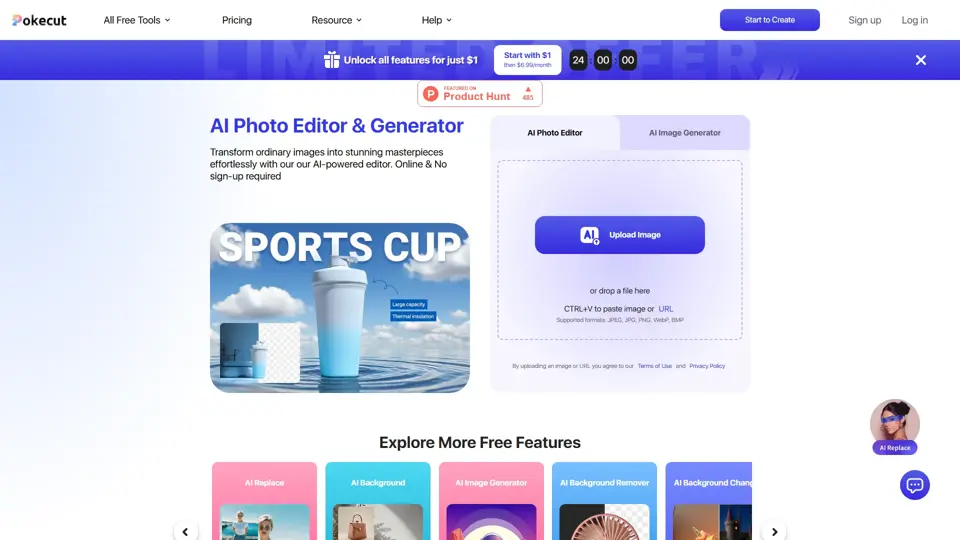
Pokecut is an AI photo editor that helps users remove backgrounds, enhance images, and generate visuals online, mainly for ecommerce sellers, marketers, and creators who need quick design-ready assets. It speeds up routine image production so visual teams can create polished content with less manual editing.
Roboflow: Computer vision tools for developers and enterprises
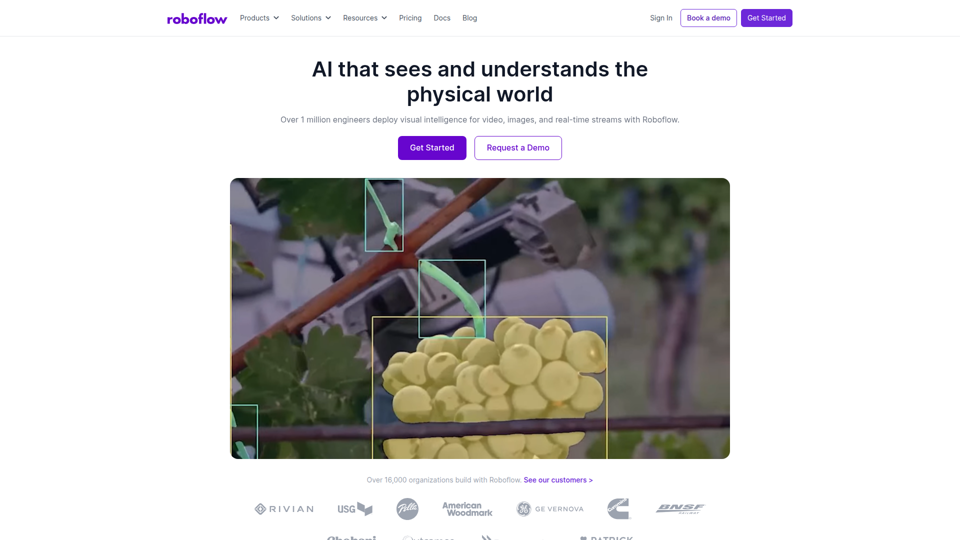
Roboflow is a computer vision platform that helps developers, machine learning engineers, and enterprises annotate data, train models, build workflows, and deploy vision AI for images, video, and real-time streams. In AI-driven operations, it can help computer vision and ML teams move faster from prototype to production by combining data labeling, model training, and deployment in one workflow.
Seedance 2.0
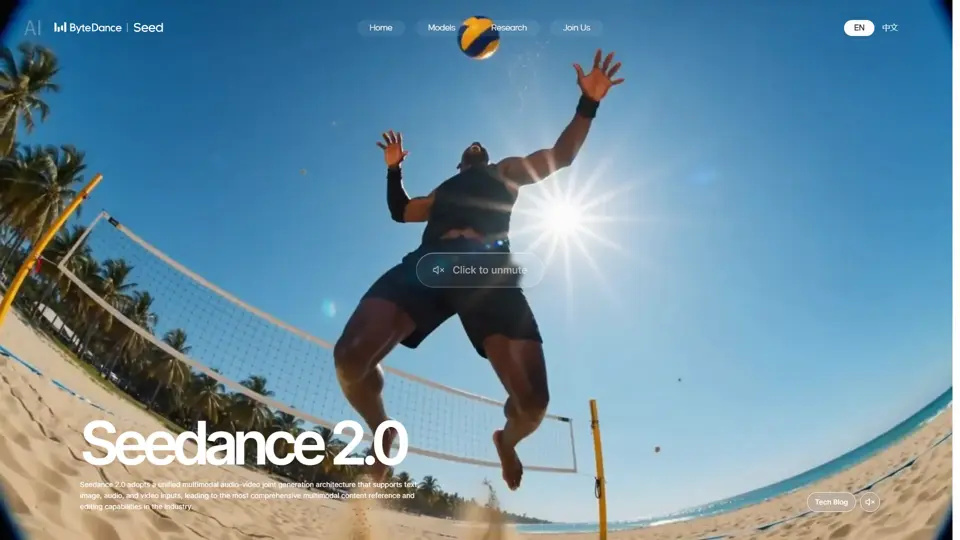
Seedance 2.0 is ByteDance's AI video generation model designed to create high-quality videos from prompts and multimodal inputs, mainly for creators, developers, and media teams. In the AI era, it helps visual content roles turn ideas into production-ready motion assets with far less manual editing effort.
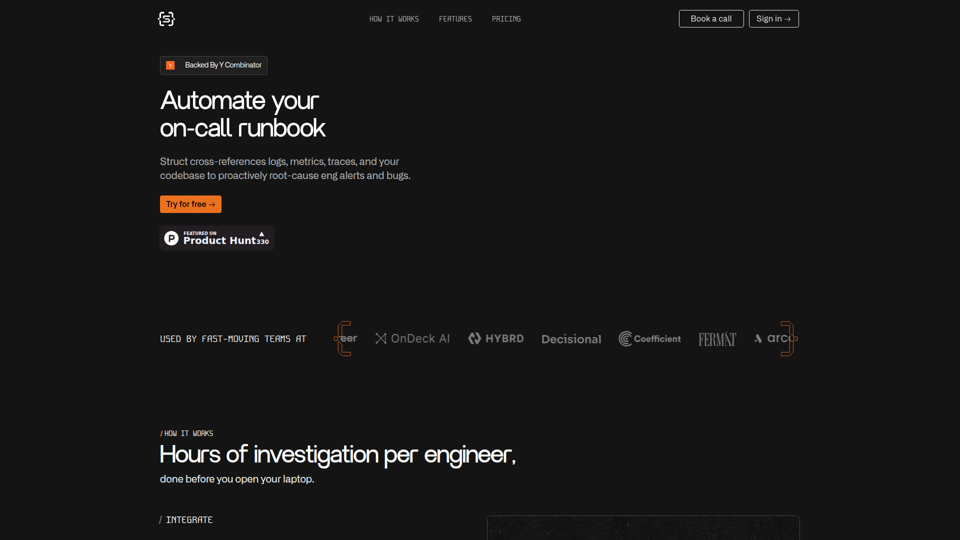
Struct | Automate your on-call runbook
Struct is an AI on-call agent that investigates engineering alerts and bugs by analyzing logs, metrics, traces, and codebases, mainly for software engineers and SRE teams. In the AI era, it helps incident responders shorten triage time by delivering root-cause findings and suggested fixes directly in workflows.
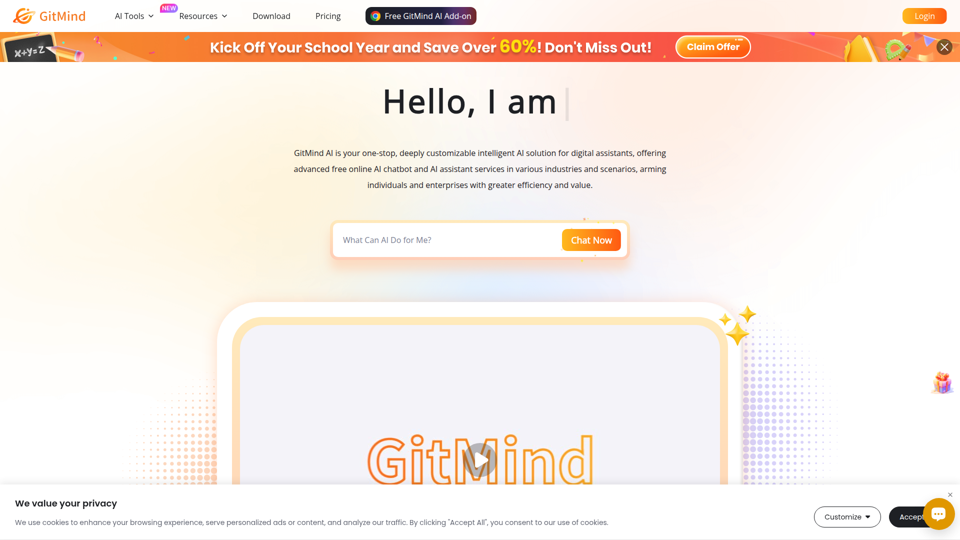
GitMind Chat - Your Best AI Assistant
GitMind Chat is an AI assistant and chatbot platform that helps individuals and enterprises handle conversations, analysis, writing, coding, translation, customer service, and custom AI agent creation through prebuilt or configurable assistants. For roles such as marketers, analysts, support teams, educators, and developers, it can streamline repetitive knowledge work by combining chat, file and link inputs, image analysis, and contextual responses in one workflow.
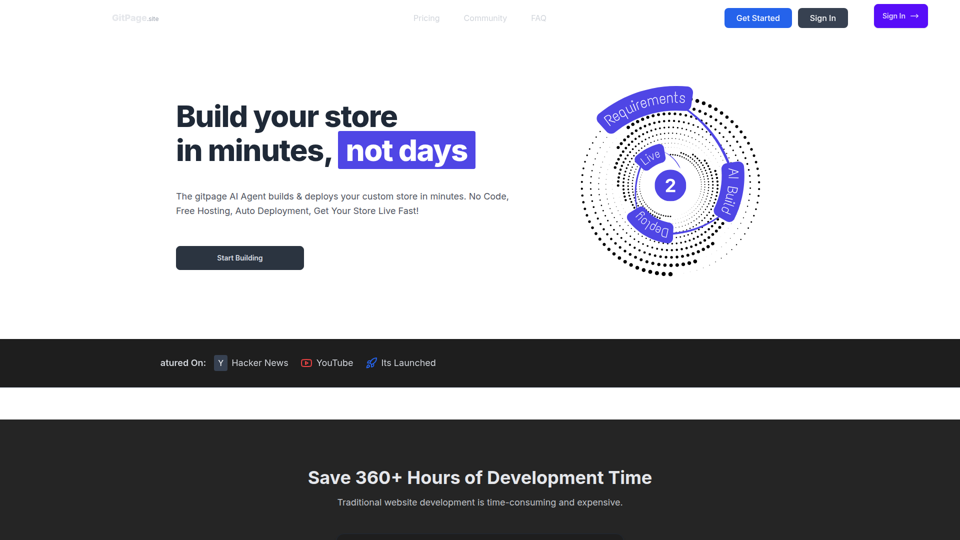
GitPage AI Website Builder | GitPage
GitPage is an AI website builder that generates and deploys websites, online stores, and landing pages from a form, mainly for freelancers, agencies, startups, and businesses that want no-code site creation with code ownership. For web professionals and client-service teams, it can reduce manual setup and content drafting by automating page generation, blog content, and deployment to GitHub or GitLab Pages.

Rohan Mehta
Rohan Mehta is a personal website for a New York–based software engineer at OpenAI, outlining his background at Meta and as a YC-backed startup founder, and highlighting his creator role behind the Subway Time NYC transit app. For software engineers and technical hiring teams, this kind of concise profile helps AI-era talent evaluation by quickly surfacing relevant build, scale, and product experience.
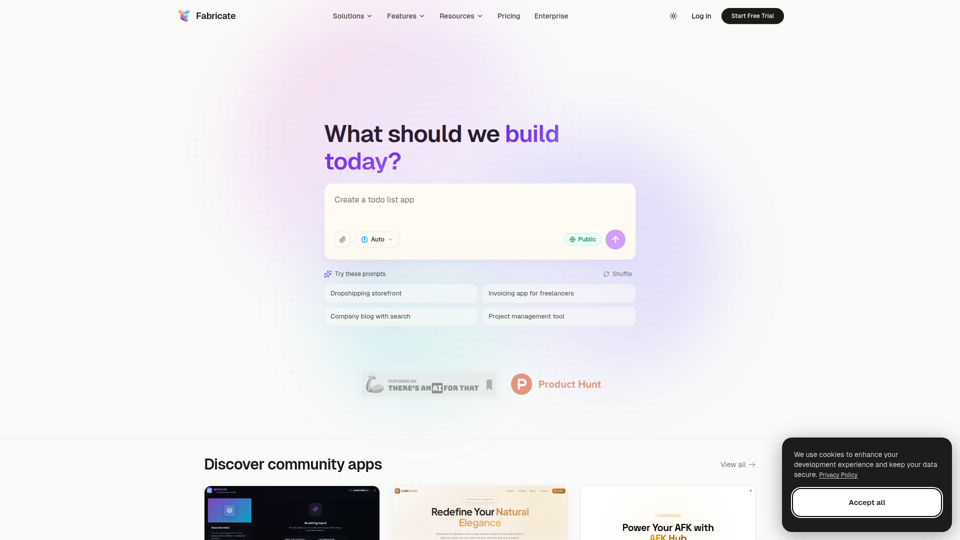
Fabricate - AI Full-Stack App Builder | Build Anything, Ship Faster
Fabricate is an AI full-stack app builder that helps users describe an app idea and generate production-ready web applications, mainly for founders, developers, designers, freelancers, agencies, and enterprises. In AI-assisted product development, it can help these teams move faster from concept to deployable React, TypeScript, and backend code with less manual setup.