
Code Snippets AI
Rate this Tool
Average Score
Total Votes
Select your score (1-10):
Detail Information
What
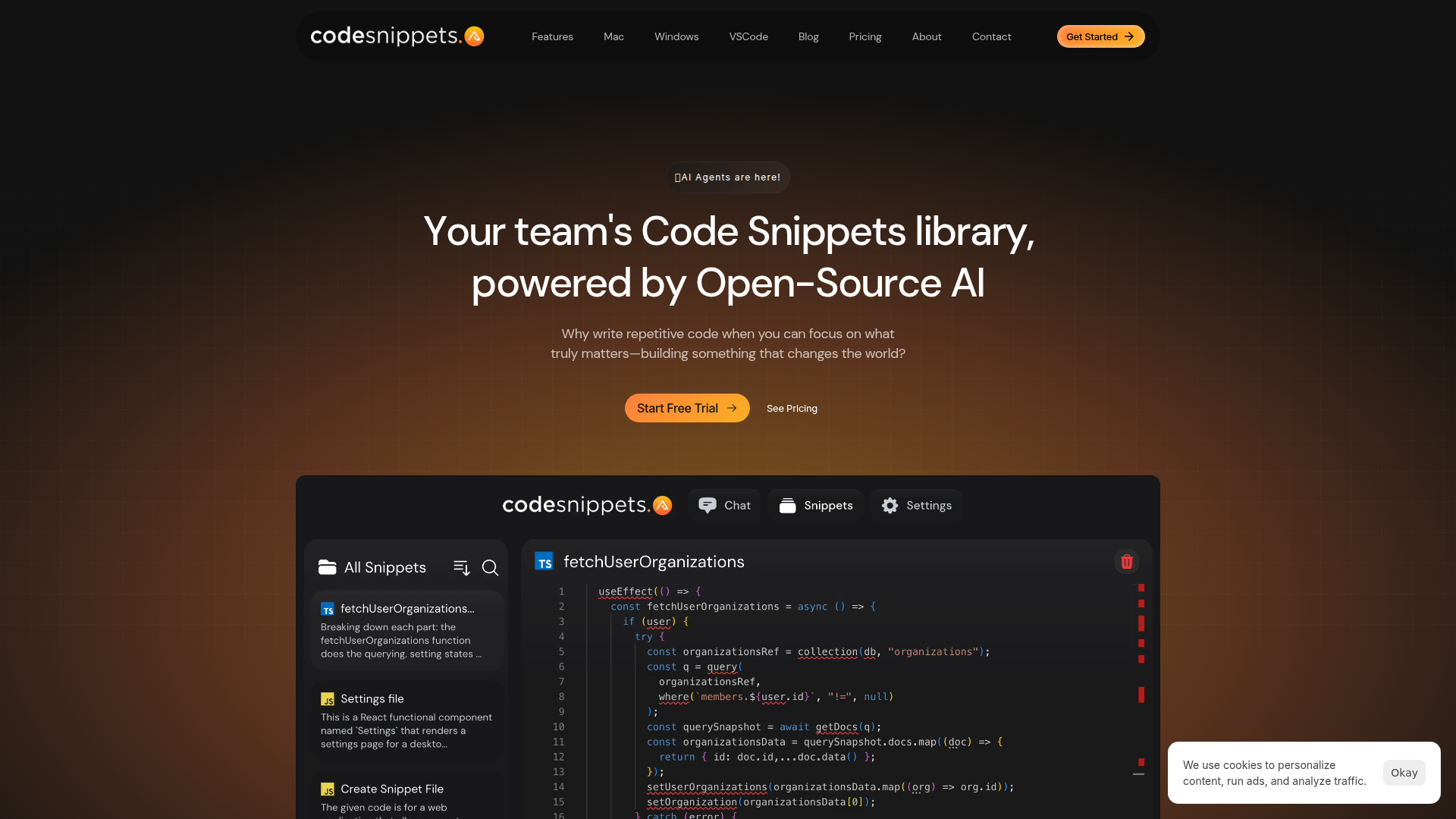
Code Snippets AI is a code snippet management and AI coding assistant product for development teams. It combines a shared snippet library with chat access to multiple open-source and closed-source language models, aiming to reduce repetitive coding work and improve how teams save, reuse, and discuss code.
Based on the page, the product is positioned as a desktop-first developer tool with team collaboration features, codebase indexing, and AI context generation. It appears suited to software teams that want a centralized snippet workflow, contextual AI support, and more control over model usage, though some implementation details are only lightly described on the site.
Features
- Shared code snippet library — Teams can save, organize, and share snippets so commonly reused code is easier to find and apply across projects.
- AI-powered snippet context generation — The platform can generate context for snippets to improve documentation and help teammates understand when and why code should be used.
- Multi-model AI chat — Users can interact with multiple open and closed-source LLMs, and the site states that model switching can happen within the same conversation when context limits allow.
- Codebase indexing and contextual awareness — The product indexes and vectorizes codebases so AI conversations can reference project-specific context rather than only generic prompts.
- User and organization management — Team-oriented admin controls support member management and make the product more suitable for collaborative development environments.
- Usage monitoring and model controls — Real-time LLM usage tracking helps teams understand usage patterns and manage how AI resources are being consumed.
Helpful Tips
- Validate indexing scope early — For tools that rely on codebase indexing, confirm which repositories, file types, and project sizes are practical for your team before broad rollout.
- Define snippet governance — Shared snippet libraries work best when teams set standards for naming, tagging, ownership, and review so the library stays useful over time.
- Separate confirmed features from likely workflows — The page clearly supports snippet management, AI chat, and indexing, but buyers should verify deeper IDE behavior, permissions, and security details directly.
- Plan model strategy deliberately — Since the product supports both open and closed-source LLMs and custom API key usage, teams should decide when to use local versus hosted models based on cost, speed, and code sensitivity.
- Measure adoption by workflow impact — Evaluate whether the tool reduces repeated code writing, improves onboarding, or speeds code understanding, not just whether team members open the app.
OpenClaw Skills
Code Snippets AI could likely fit well into the OpenClaw ecosystem as a knowledge layer for developer-focused agents. An OpenClaw skill could ingest approved snippet libraries, internal coding standards, and indexed codebase context to help generate boilerplate, explain legacy modules, draft refactors, or answer engineering questions with more project-specific grounding. The source page does not mention a native OpenClaw integration, so this should be treated as a likely workflow rather than a confirmed capability.
In a broader setup, OpenClaw agents could orchestrate workflows around snippet discovery, documentation updates, code review preparation, and team onboarding. For example, a likely use case is an engineering assistant that detects repeated implementation patterns across repositories, recommends standard snippets, and prepares contextual explanations for developers or technical support teams. Combined with OpenClaw, this type of product could shift teams from ad hoc AI prompting toward a more governed, reusable, organization-level coding knowledge system.
Embed Code
Share this AI tool on your website or blog by copying and pasting the code below. The embedded widget will automatically update with the latest information.
<iframe src="https://aimyflow.com/ai/codesnippets-ai/embed" width="100%" height="400" frameborder="0"></iframe>
Explore Similar Tools
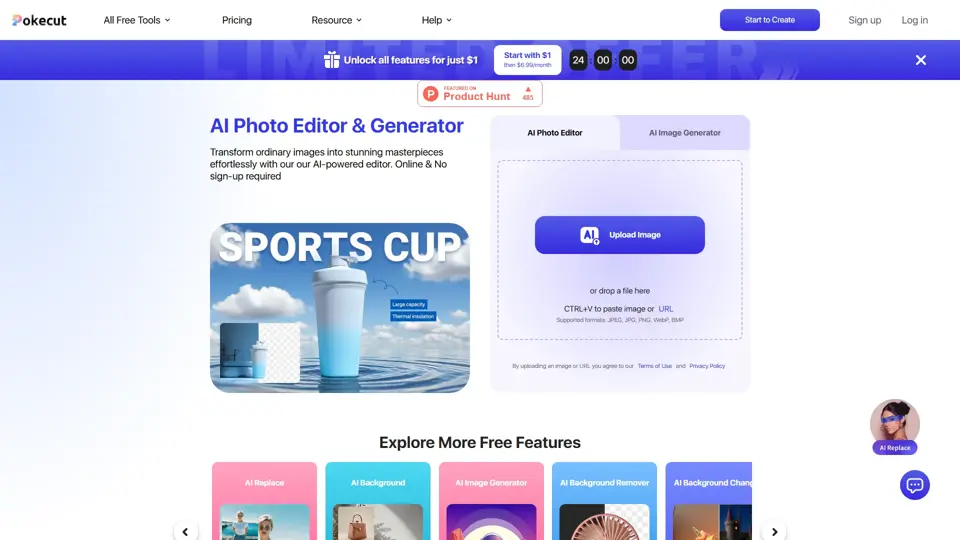
Free AI Photo Editor: Edit & Generate Image Online | Pokecut
Pokecut is an AI photo editor that helps users remove backgrounds, enhance images, and generate visuals online, mainly for ecommerce sellers, marketers, and creators who need quick design-ready assets. It speeds up routine image production so visual teams can create polished content with less manual editing.
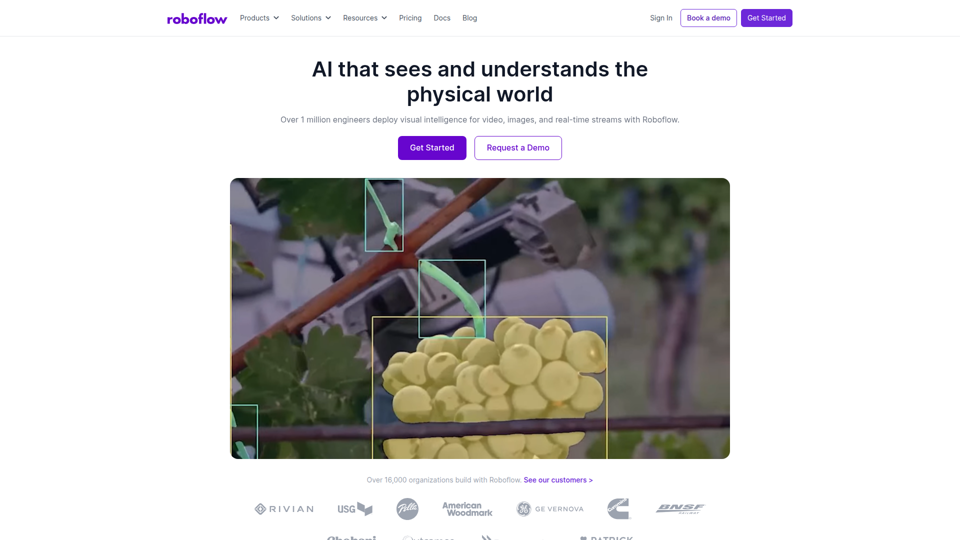
Roboflow: Computer vision tools for developers and enterprises
Roboflow is a computer vision platform that helps developers, machine learning engineers, and enterprises annotate data, train models, build workflows, and deploy vision AI for images, video, and real-time streams. In AI-driven operations, it can help computer vision and ML teams move faster from prototype to production by combining data labeling, model training, and deployment in one workflow.

Seedance 2.0
Seedance 2.0 is ByteDance's AI video generation model designed to create high-quality videos from prompts and multimodal inputs, mainly for creators, developers, and media teams. In the AI era, it helps visual content roles turn ideas into production-ready motion assets with far less manual editing effort.
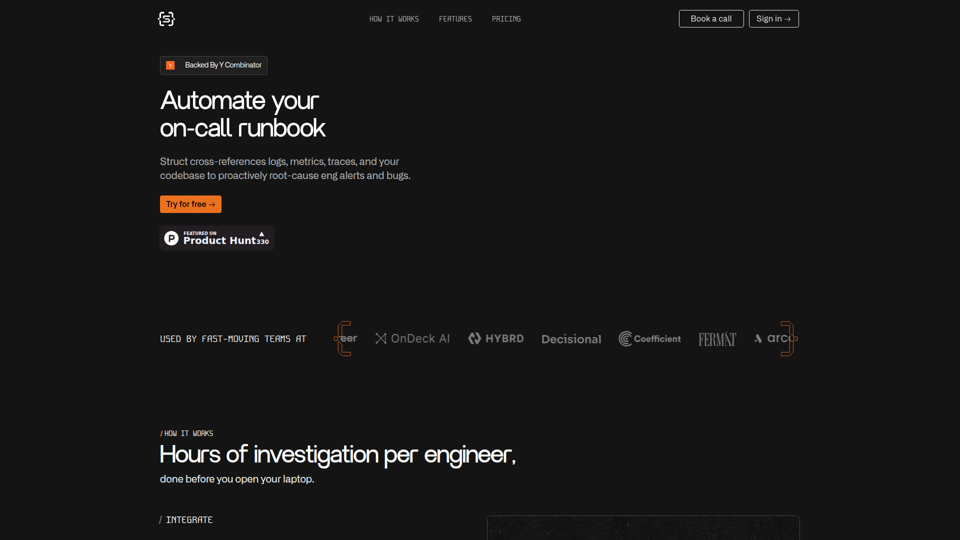
Struct | Automate your on-call runbook
Struct is an AI on-call agent that investigates engineering alerts and bugs by analyzing logs, metrics, traces, and codebases, mainly for software engineers and SRE teams. In the AI era, it helps incident responders shorten triage time by delivering root-cause findings and suggested fixes directly in workflows.
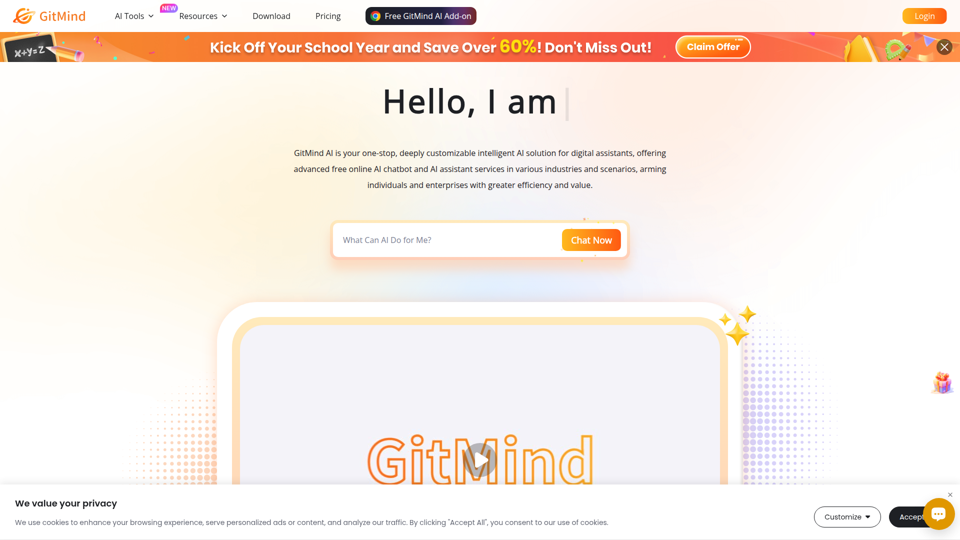
GitMind Chat - Your Best AI Assistant
GitMind Chat is an AI assistant and chatbot platform that helps individuals and enterprises handle conversations, analysis, writing, coding, translation, customer service, and custom AI agent creation through prebuilt or configurable assistants. For roles such as marketers, analysts, support teams, educators, and developers, it can streamline repetitive knowledge work by combining chat, file and link inputs, image analysis, and contextual responses in one workflow.
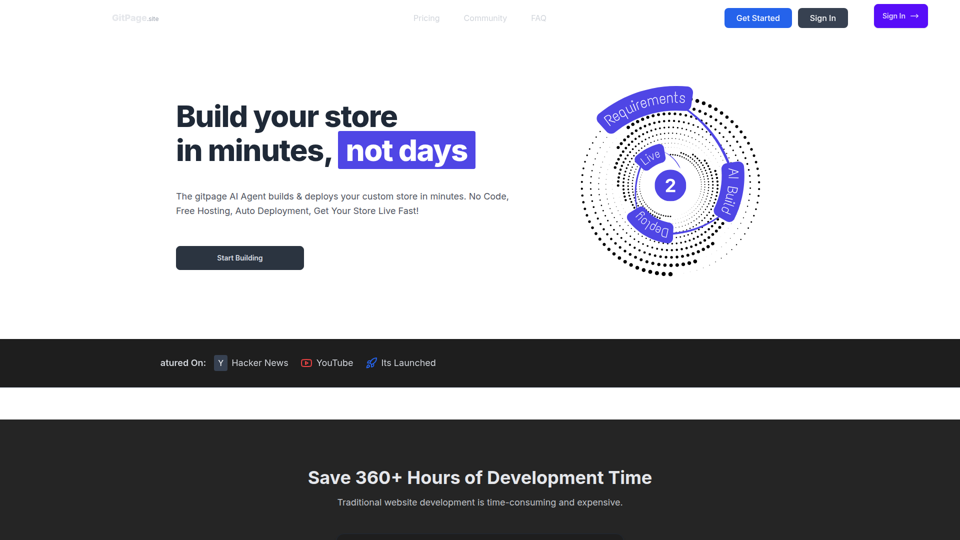
GitPage AI Website Builder | GitPage
GitPage is an AI website builder that generates and deploys websites, online stores, and landing pages from a form, mainly for freelancers, agencies, startups, and businesses that want no-code site creation with code ownership. For web professionals and client-service teams, it can reduce manual setup and content drafting by automating page generation, blog content, and deployment to GitHub or GitLab Pages.

Rohan Mehta
Rohan Mehta is a personal website for a New York–based software engineer at OpenAI, outlining his background at Meta and as a YC-backed startup founder, and highlighting his creator role behind the Subway Time NYC transit app. For software engineers and technical hiring teams, this kind of concise profile helps AI-era talent evaluation by quickly surfacing relevant build, scale, and product experience.
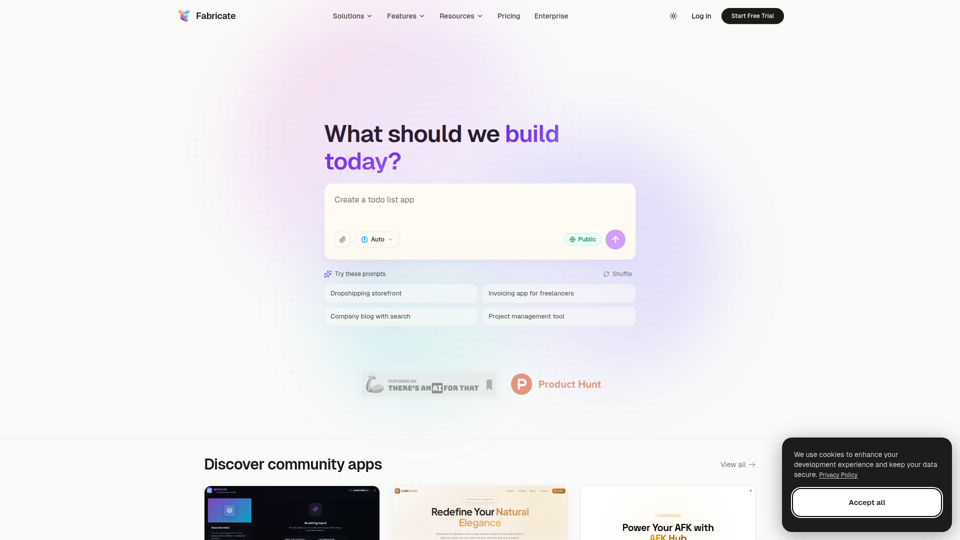
Fabricate - AI Full-Stack App Builder | Build Anything, Ship Faster
Fabricate is an AI full-stack app builder that helps users describe an app idea and generate production-ready web applications, mainly for founders, developers, designers, freelancers, agencies, and enterprises. In AI-assisted product development, it can help these teams move faster from concept to deployable React, TypeScript, and backend code with less manual setup.