
Banana 2 API — Free AI Image Generation API | Banana 2 API
Rate this Tool
Average Score
Total Votes
Select your score (1-10):
Detail Information
What
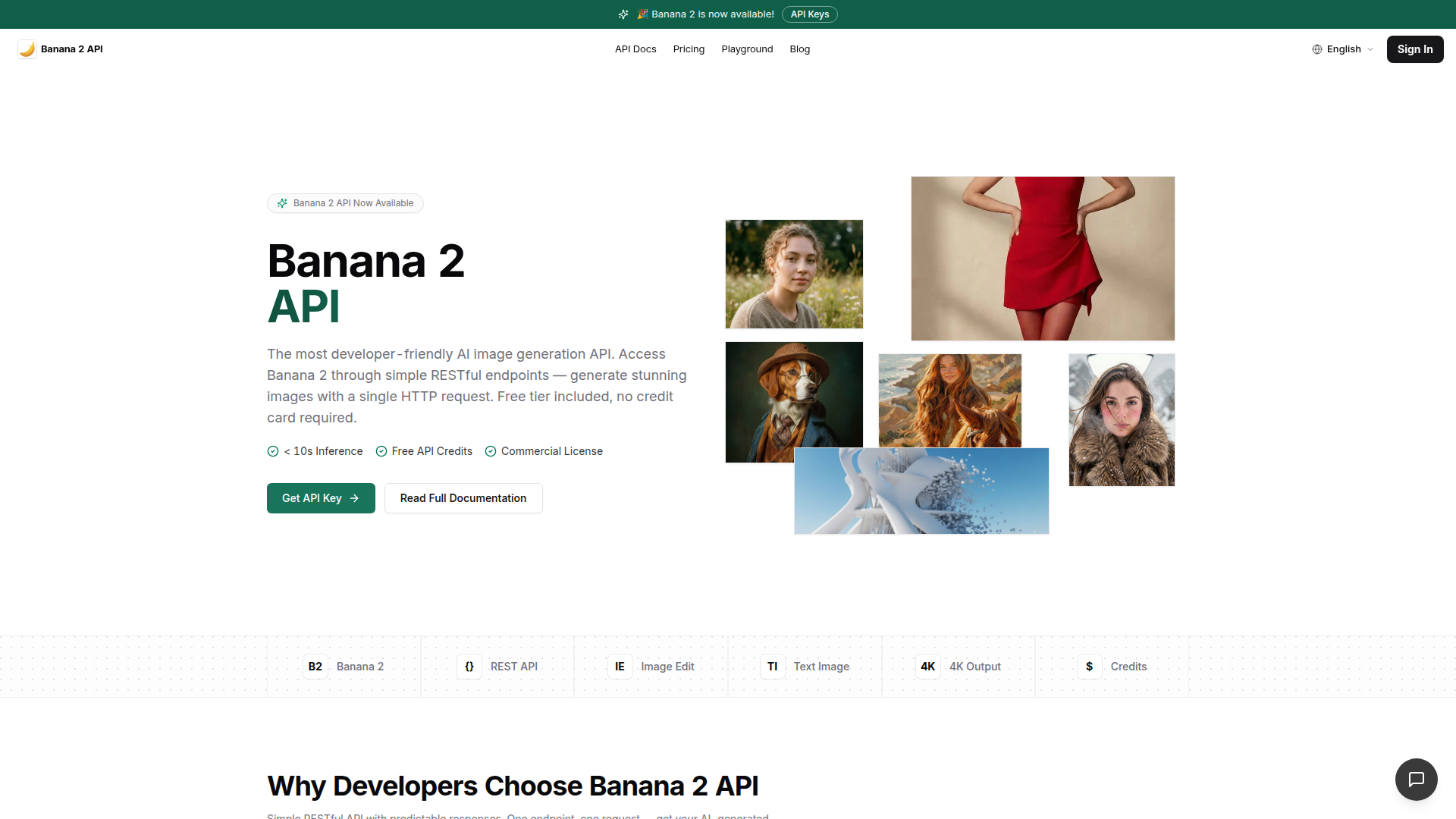
Banana 2 API is a RESTful cloud service that allows software developers to programmatically generate photorealistic images from text prompts and reference images. Built for integration into SaaS platforms, e-commerce backends, and marketing automation pipelines, it eliminates the operational overhead of hosting and scaling private image generation models. The platform is positioned as a developer-friendly, low-latency generative AI endpoint backed by credit-based pricing and commercial licensing.
Features
- Dual Generation Modes: Supports both text-to-image and image-to-image endpoints, allowing systems to produce new images, apply style transfers, or generate variations from uploaded reference files.
- Configurable Aspect Ratios and Resolutions: Produces outputs from 512×512 up to 4K resolution across standard ratios (including 1:1, 16:9, and 21:9) to fit various display surfaces.
- Low-Latency Asynchronous Architecture: Completes inference in under 10 seconds for most tasks and returns a task ID to support status polling and non-blocking batch generation.
- Developer-Standard HTTP Controls: Provides Bearer token authentication, scoped API keys, standard JSON error handling, and a billing policy where failed requests do not consume user credits.
Helpful Tips
- Optimize Polling Intervals: Implement a polling cadence of every 2 to 3 seconds against the status endpoint, as polling more frequently than once per second can trigger rate limits.
- Account for Resolution-Tiered Credit Costs: Audit credit expenditures across environments, noting that credit consumption increases when requesting higher-tier resolutions like 2K and 4K.
- Utilize Granular API Key Scoping: Issue discrete, permission-scoped API keys from the dashboard for development, staging, and production environments to minimize operational exposure.
OpenClaw Skills
The documentation does not identify any native integrations with OpenClaw. In a plausible, purely hypothetical integration, an OpenClaw autonomous agent could execute HTTP requests against the Banana 2 API to generate contextual campaign creatives, concept art, or e-commerce product imagery directly from agent-generated text specifications. Such an orchestration pattern could accelerate digital asset production in marketing and design operations by bridging autonomous logic with programmatic image rendering.
Embed Code
Share this AI tool on your website or blog by copying and pasting the code below. The embedded widget will automatically update with the latest information.
<iframe src="https://aimyflow.com/ai/banana2api-com/embed" width="100%" height="400" frameborder="0"></iframe>
Explore Similar Tools
Versive
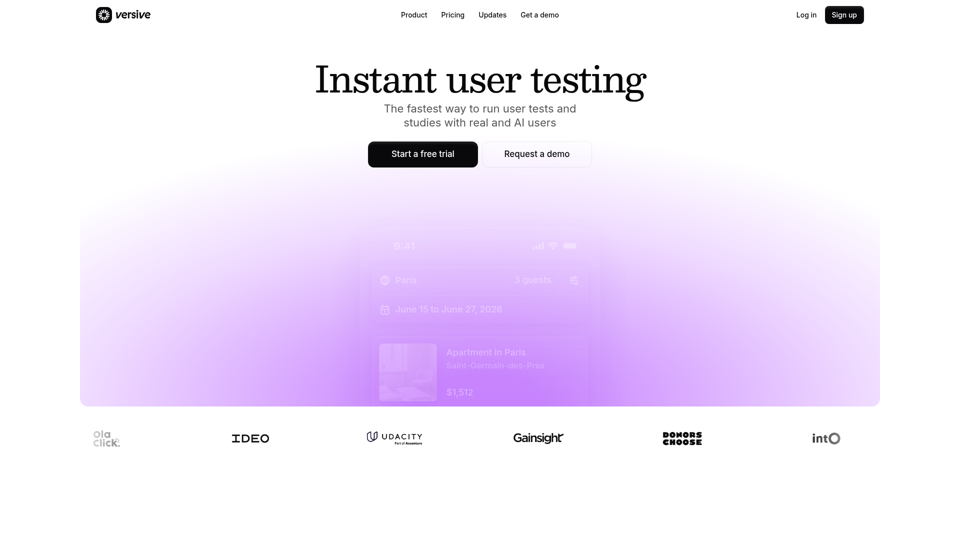
Versive is an AI-powered user research and testing platform that helps product teams design, run, and synthesize usability studies with real and simulated users, especially for product managers, UX researchers, and designers. In AI-assisted product development, it can help these teams validate interface decisions faster by generating transcripts, screenshots, summaries, and actionable recommendations in minutes.
Challenges | Test Your AI Prompting Skills
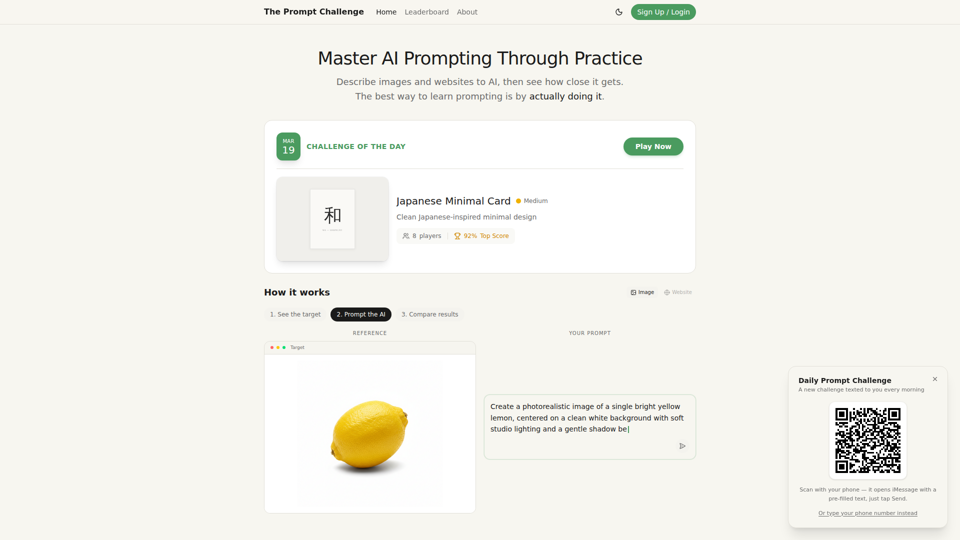
The Prompt Challenge is a practice platform that helps users improve AI prompting by describing images and websites, comparing AI-generated results to references, and competing on scores, mainly for people learning prompt engineering and hands-on AI creation. For designers, developers, and AI practitioners, this kind of repeatable prompt testing can sharpen instruction-writing skills and improve consistency when using generative tools for visual and interface work.
AI Infographic Generator
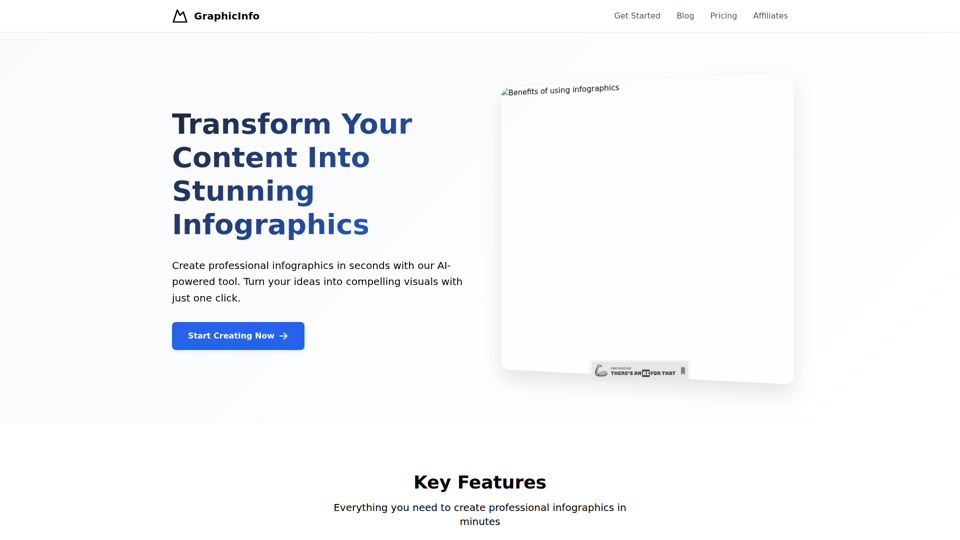
GraphicInfo is an AI infographic generator that helps users turn ideas and content into professional, customizable infographics quickly, mainly for creators and people producing website or social media content. In AI-driven content workflows, it can help marketers, content teams, and designers speed up visual asset creation while still refining text and images for specific brand needs.
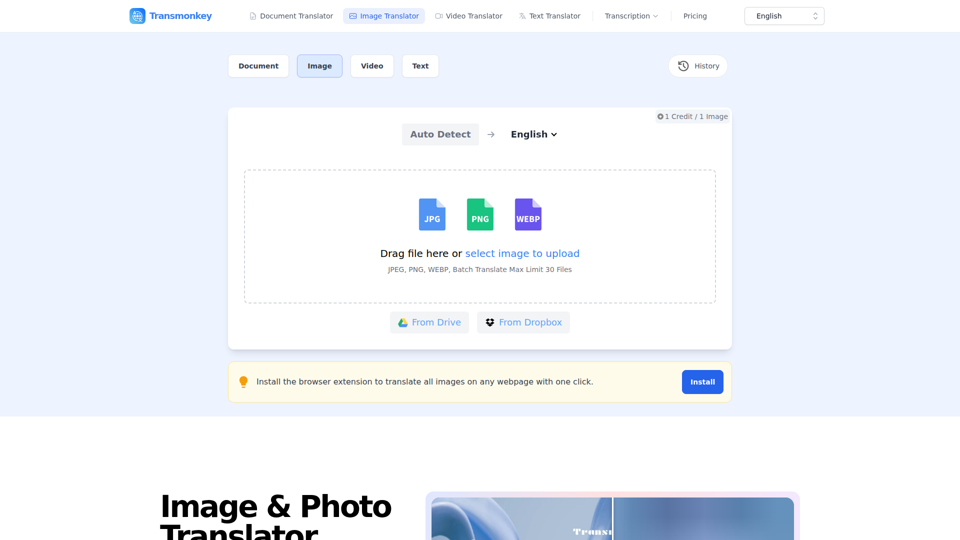
Image & Photo Translator Online – Try Free | Transmonkey
Transmonkey is an AI image translator that translates text in images across 130+ languages while preserving original backgrounds, designed for creators, marketers, and global businesses. By pairing optical character recognition with large language models, it streamlines visual localization without requiring manual graphic redesigns.
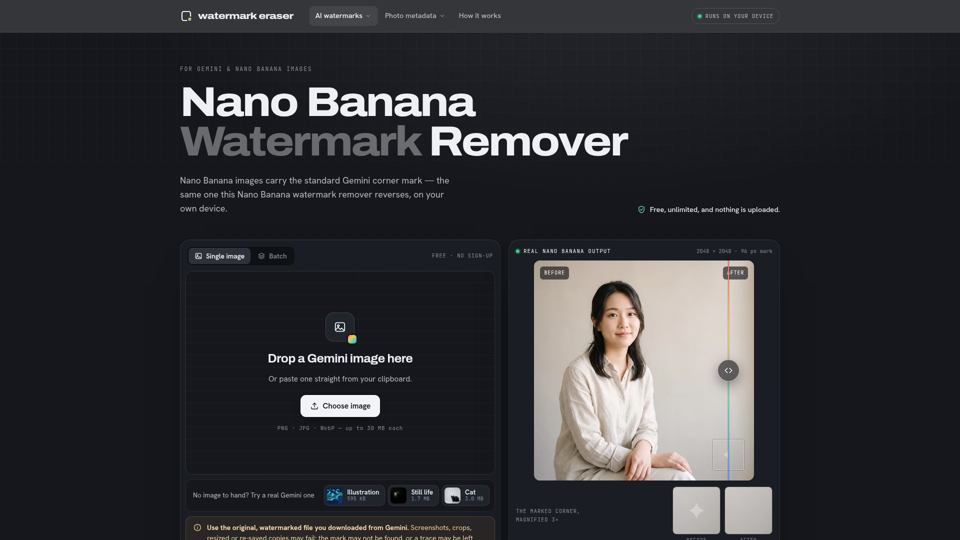
Nano Banana Watermark Remover — Free & Local
Nano Banana Watermark Remover is a browser-based tool that removes visible corner marks from Google Gemini images for digital creators. By processing files locally without compression, it helps designers prepare clean AI-generated assets efficiently for production workflows.
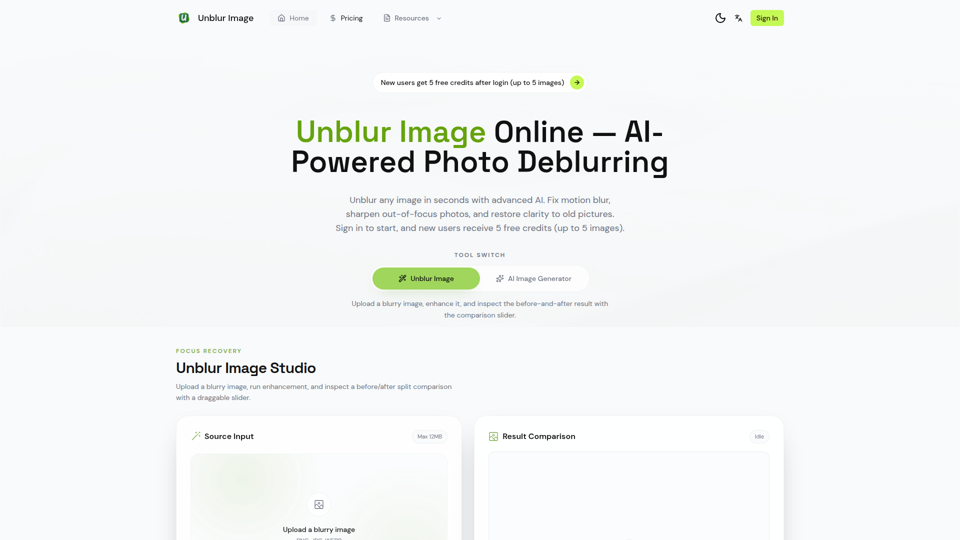
Unblur Image — Make Blurry Photos Clear with AI
Unblur Image is an AI-powered online photo deblurring tool that helps users fix motion blur, sharpen out-of-focus images, restore old photos, and improve text clarity, mainly for people who need quick image enhancement without manual editing skills. In AI-era workflows, it can help photographers, content teams, and document-heavy professionals recover usable visuals and readable assets faster from imperfect source images.
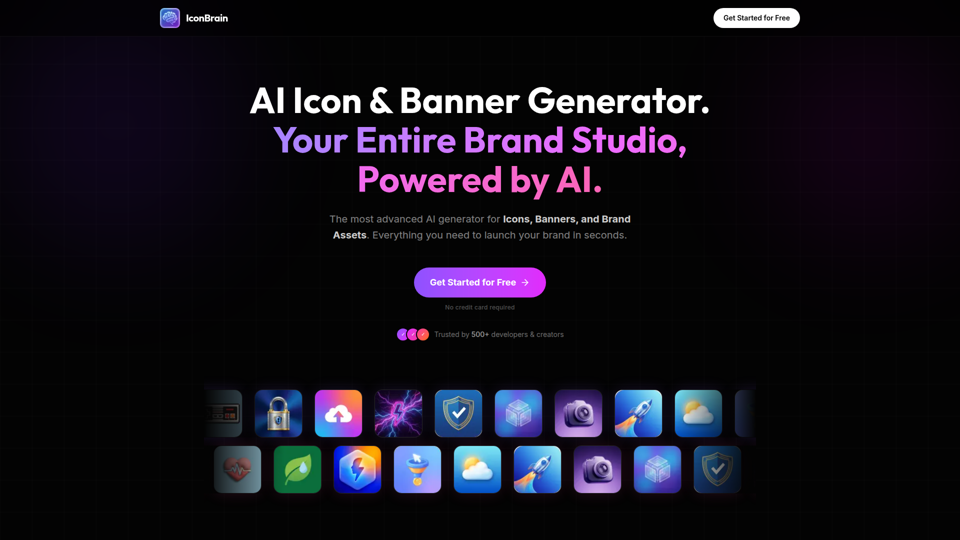
IconBrain | AI Icon Generator for Apps & Brands
IconBrain is an AI icon, banner, and brand asset generator that helps users create and edit production-ready visuals from text prompts or brand context, mainly for developers and creators launching apps or brands. For product, marketing, and design work, it can speed up early brand asset creation while helping teams keep visual styles more consistent across platforms.
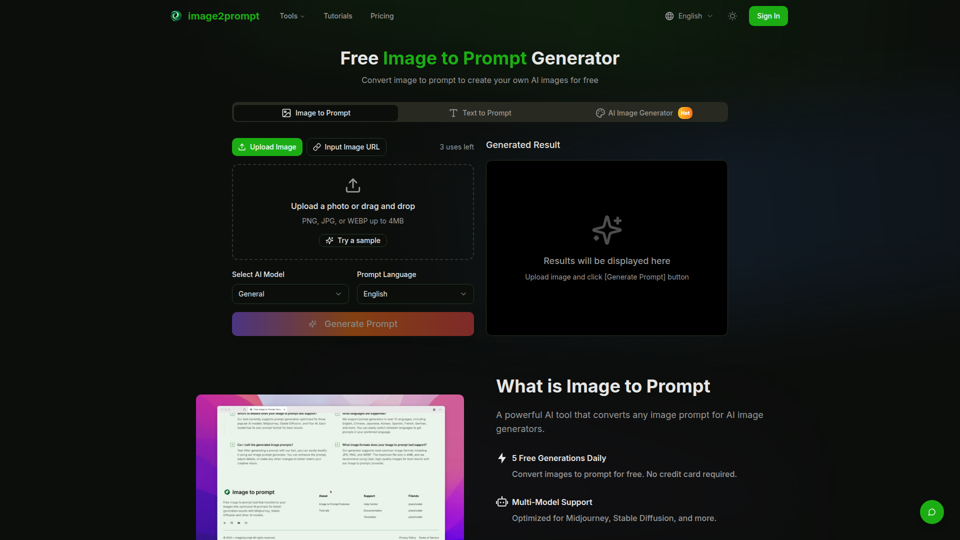
Free Image to Prompt Generator - image2prompt.net
image2prompt.net is a free AI image-to-prompt generator that analyzes uploaded images or image URLs and turns them into editable prompts for Midjourney, Stable Diffusion, Flux, and similar models, mainly for AI artists, designers, and creators. For creative professionals, it can speed prompt drafting, support style consistency, and reduce manual prompt rewriting across different image generation workflows.