
Weave - AI to measure AI
Rate this Tool
Average Score
Total Votes
Select your score (1-10):
Detail Information
What
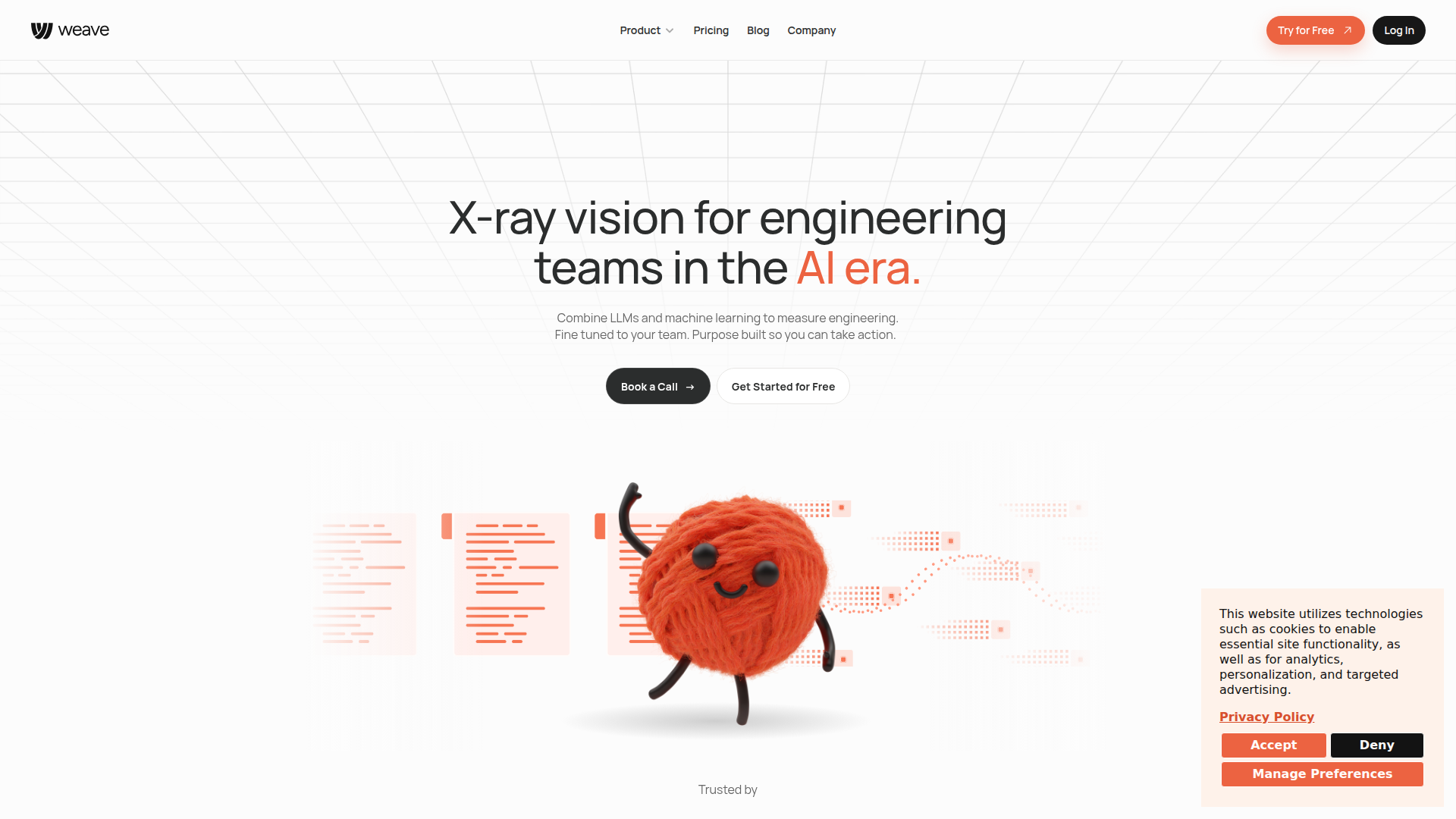
Weave is an engineering analytics product that uses machine learning and large language models to measure software team activity, especially in environments where AI coding tools are part of daily work. It is designed to help teams understand engineering output, code review quality, collaboration patterns, and the impact of AI tools on delivery speed and workflow.
The product appears positioned for modern software organizations that want more context than traditional engineering metrics provide. It serves engineers, managers, founders, and executives by combining repository, review, and workflow data into operational insights, reports, and trend explanations that are intended to support improvement decisions rather than vanity tracking.
Features
- AI-driven engineering measurement: Uses ML and LLMs to analyze engineering work and distinguish between human and AI-assisted contributions, helping teams understand how work is actually getting done.
- Pull request scoring: Evaluates pull requests across speed, quality, and collaboration in a single score, giving teams a structured way to review contribution quality.
- Code review insights: Scores code reviews based on quality, turnaround time, and AI review impact, which can help identify review bottlenecks and coaching opportunities.
- Team trend explanations: Provides intelligent team insights that explain why metrics are shifting, adding narrative context to operational changes and performance patterns.
- AI ROI and usage visibility: Shows how AI tools may be affecting shipping velocity and highlights which tools or usage patterns appear to create the most lift.
- Reporting and integrations: Supports one-click configuration with development and work-management tools such as GitHub, GitLab, Bitbucket, Azure DevOps, Jira, Linear, Slack, and others to support weekly and monthly reporting workflows.
Helpful Tips
- Validate scoring logic early: For products that score PRs or reviews, teams should confirm that the scoring model aligns with their engineering culture and does not over-reward speed at the expense of quality.
- Use for coaching, not only oversight: Adoption is usually stronger when engineering analytics are framed as a way to remove bottlenecks and improve team habits rather than rank individuals.
- Establish a baseline before judging AI impact: To measure AI ROI credibly, compare current velocity and review behavior against a pre-adoption baseline or clearly defined control period.
- Check integration coverage against your stack: Weave lists many engineering and AI-tool integrations, so buyers should verify that their specific repositories, planning tools, and coding assistants are fully represented in the workflows they care about.
- Review privacy and governance expectations: Since the product analyzes engineering work in depth, teams should align on who can access individual versus team-level insights and how those insights are used in performance discussions.
OpenClaw Skills
Within the OpenClaw ecosystem, Weave could likely serve as a signal layer for engineering-performance agents and internal operating workflows. Likely use cases include an agent that summarizes weekly engineering health, another that flags slowing review cycles, or a workflow that detects whether AI tool adoption is improving throughput for a specific team. The site does not describe a native OpenClaw integration, so this should be treated as a practical interoperability scenario rather than a confirmed capability.
Combined with OpenClaw, Weave could support specialized skills for engineering leaders, developer productivity teams, and CTO offices. Examples might include an agent that turns PR and review data into manager-ready coaching notes, a workflow that correlates engineering trends with project delivery systems, or an executive briefing skill that translates tool usage and shipping patterns into strategy recommendations. In practice, that kind of combination could shift engineering analytics from passive dashboards toward active operational decision support.
Embed Code
Share this AI tool on your website or blog by copying and pasting the code below. The embedded widget will automatically update with the latest information.
<iframe src="https://aimyflow.com/ai/workweave-dev/embed" width="100%" height="400" frameborder="0"></iframe>
Explore Similar Tools
Governed Data Access for AI Agents | Secure MCP Tools
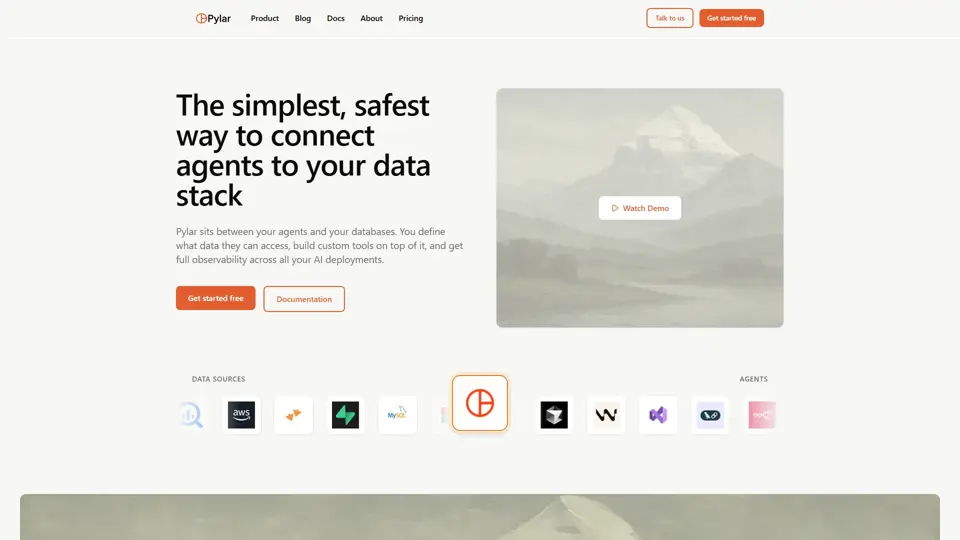
Pylar is a governed data access platform that helps users give AI agents secure access to structured data through controlled SQL views and MCP tools, mainly for data and engineering teams. It lets developers operationalize AI safely by balancing agent capability with governance and access control.
The Context Company | Understand User Behavior In Your AI Agents
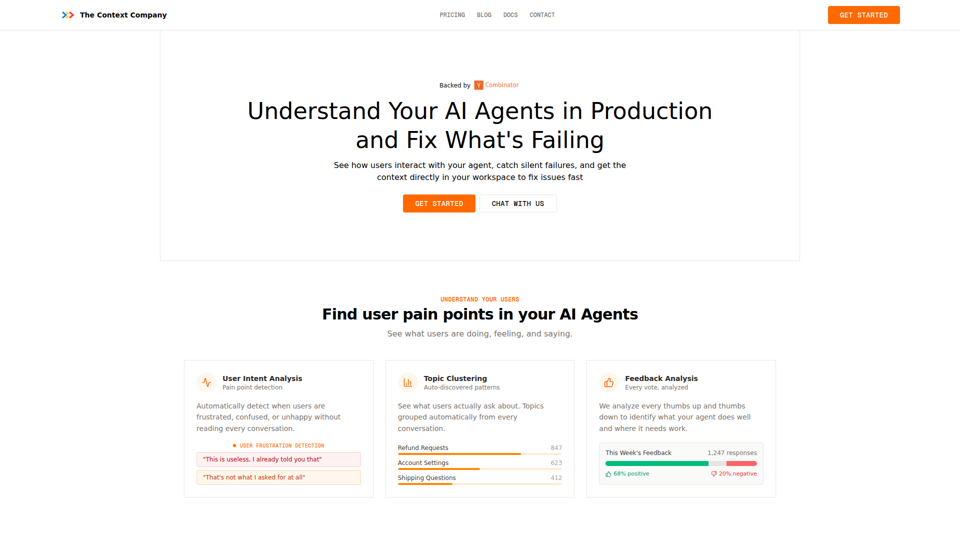
The Context Company is an observability and user behavior analysis tool for AI agents that helps teams monitor production conversations, detect frustration and silent failures, cluster topics, and review feedback, mainly for developers and product teams shipping AI agents. In AI workflows, it can help engineering, support, and product functions prioritize fixes faster by surfacing hidden failure patterns and real user pain points directly from agent runs.
AI App Builder | Vibe Code Apps & Websites with AI, Fast
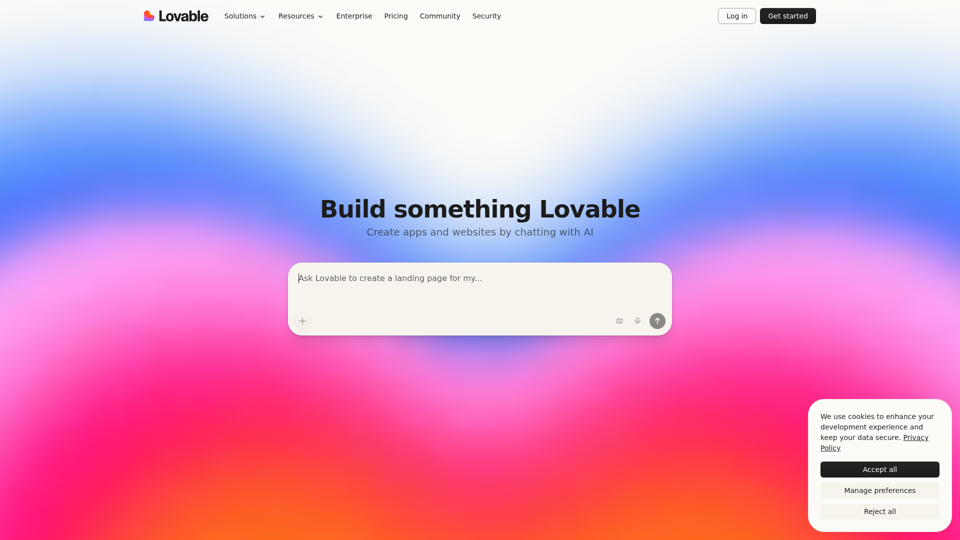
Lovable is an AI app builder that helps users create apps, websites, and digital products by describing ideas in chat, refining prototypes, and deploying them quickly, mainly for founders, product managers, designers, and marketers. In AI-driven product work, it can help these teams turn early concepts, screenshots, and feedback into working prototypes faster, reducing handoff delays between planning, design, and launch.
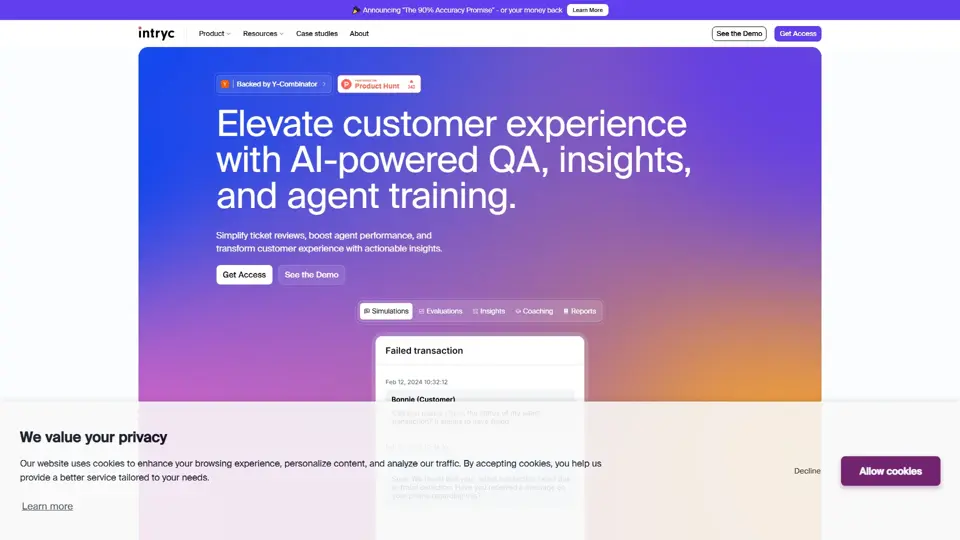
Intryc - Elevate your Customer Experience
Intryc is a customer experience platform that helps teams review support tickets, improve agent performance, and uncover actionable service insights, mainly for support and CX leaders. It gives QA and support managers a faster way to coach teams and raise service quality at scale.
VibeFlow - AI Full-Stack App Builder with Visual Backends
VibeFlow is an AI full-stack app builder that helps users create backend automations, data pipelines, dashboards, forms, and customer-facing apps through prompts and visual workflows, mainly for developers, founders, operations teams, and non-technical teams. In AI-assisted product and operations work, its editable visual backends can help teams validate, adjust, and maintain application logic more reliably than opaque code generation alone.
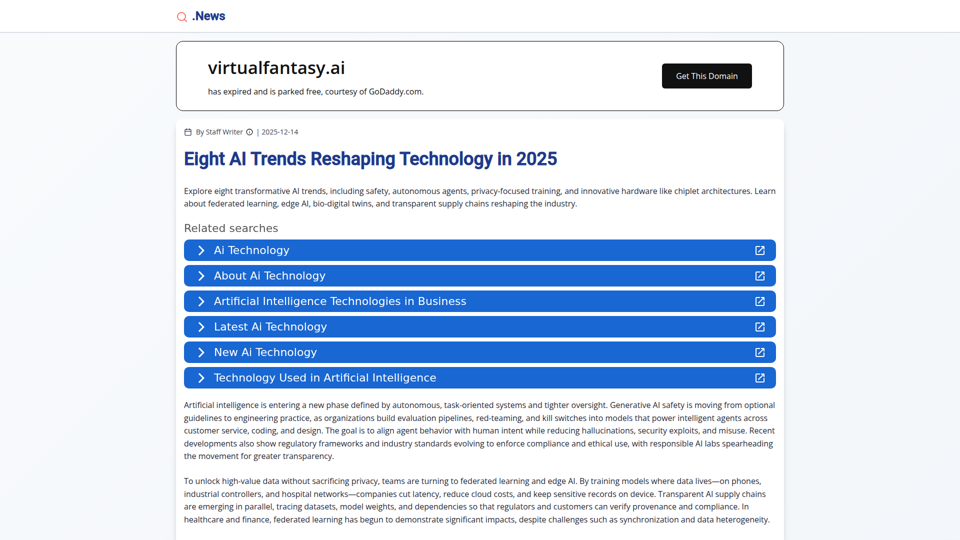
Eight AI Trends Reshaping Technology in 2025 | .News
This page is a news article outlining eight AI trends for 2025, helping technology professionals and business decision-makers understand developments such as AI safety, autonomous agents, federated learning, edge AI, and new hardware architectures. For product leaders, engineers, and compliance teams, this kind of trend overview can guide planning around safer deployment, privacy-preserving AI, and more efficient industry-specific systems.
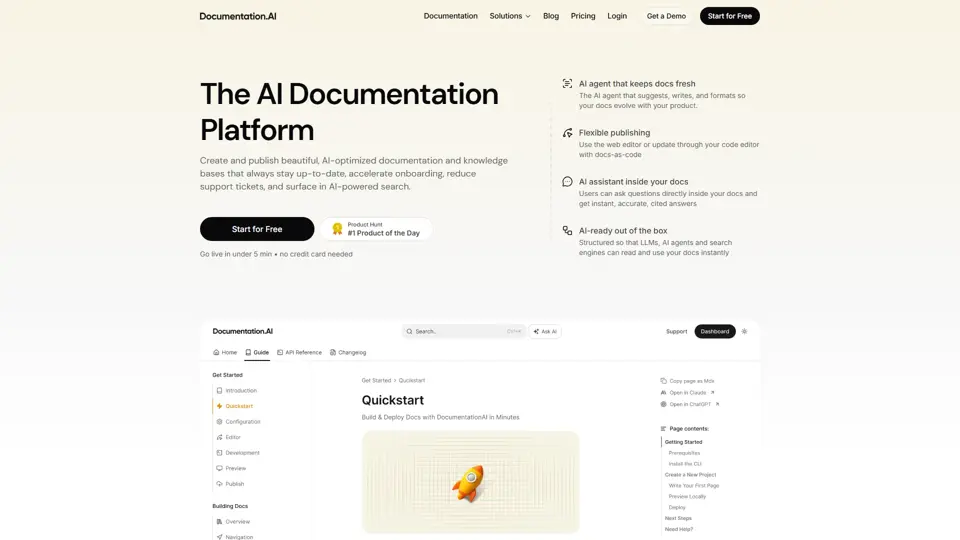
Documentation.AI – AI Documentation & Knowledge Base Software
Documentation.AI is an AI documentation and knowledge base platform that helps teams keep docs current, onboard users faster, and reduce support volume. In the AI era, it improves how support and product teams maintain institutional knowledge without constant manual rewriting.
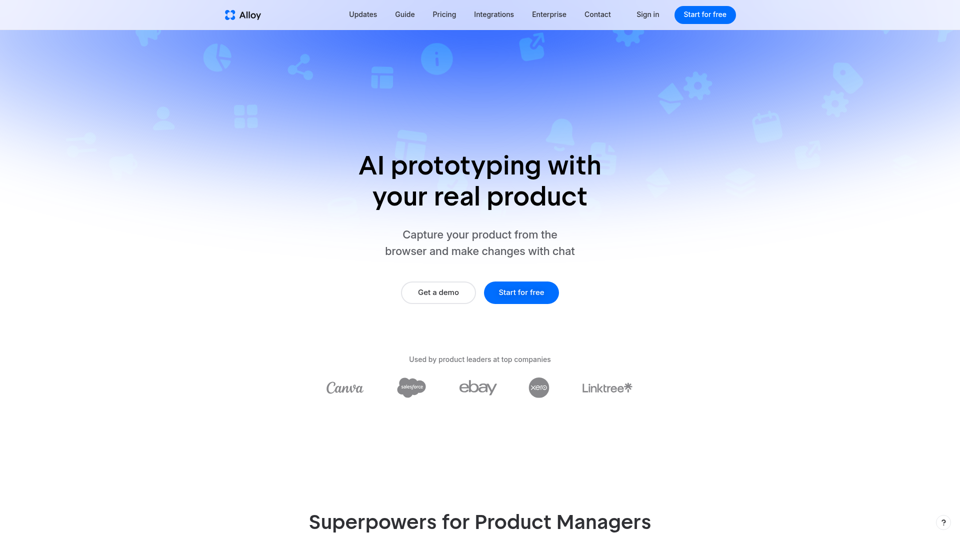
Alloy · AI prototyping with your real product
Alloy is an AI prototyping tool that captures pages from a real web app and lets product managers create interactive, on-brand prototypes with chat, mainly for professional product teams. By turning product ideas, customer requests, and team feedback into realistic prototypes quickly, it can help product managers and designers align faster and reduce time spent on manual mockups.