
Transcribe Audio & Video to Text in 100+ Languages | Vocova
Rate this Tool
Average Score
Total Votes
Select your score (1-10):
Detail Information
What
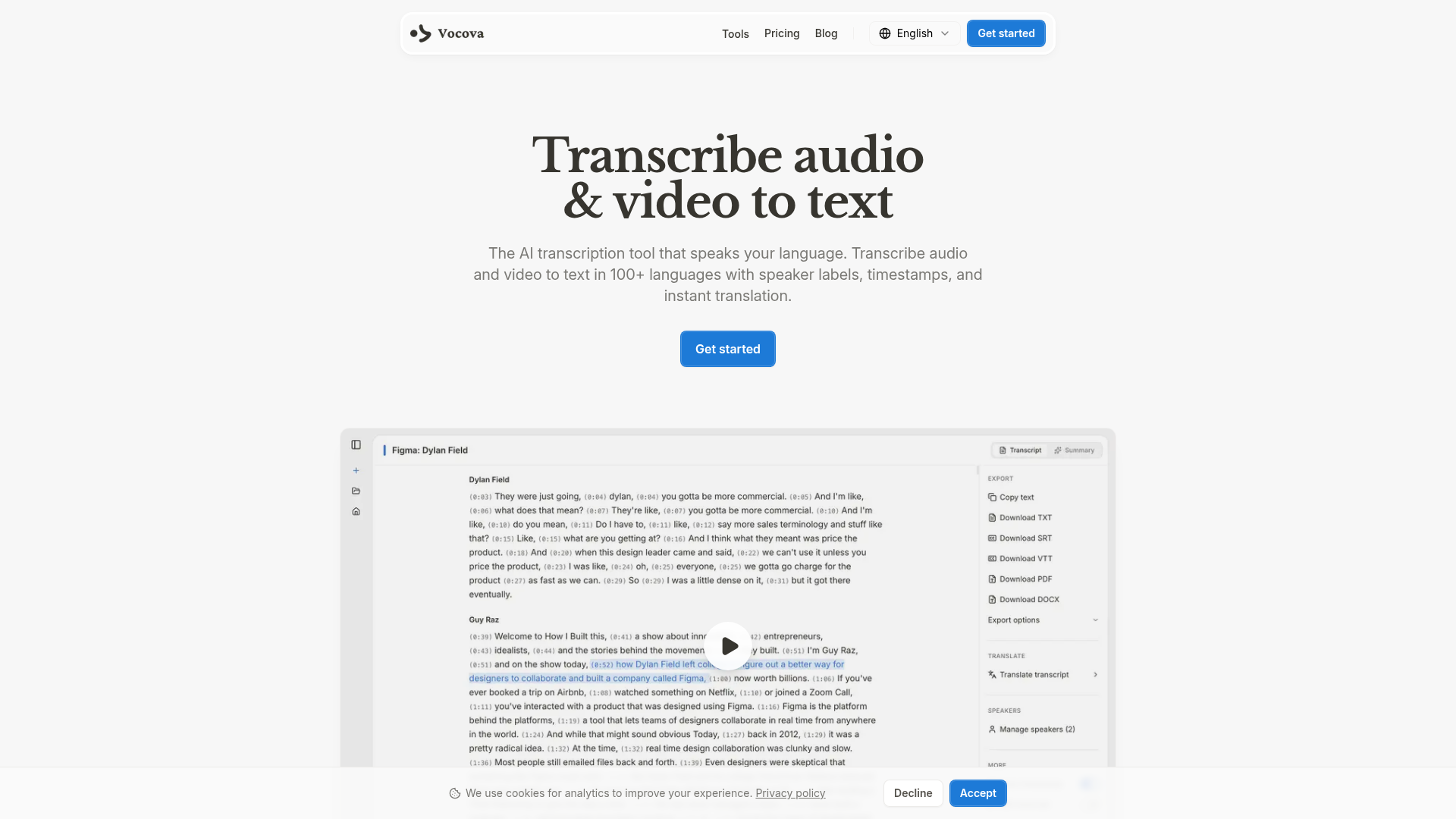
Vocova is a browser-based AI transcription tool for converting audio and video into text. It supports transcription in 100+ languages, translation into 140+ languages, speaker labeling, timestamps, inline editing, summaries, and export to common document and subtitle formats.
It appears to serve individuals and teams that need searchable records from meetings, interviews, podcasts, lectures, legal proceedings, sales calls, medical documentation, and creator content. The workflow is straightforward: upload a file or paste a media URL, let the AI generate a transcript, then review, edit, translate, share, or export the result. Based on the page, Vocova is positioned as a general-purpose, multilingual online transcription platform with strong emphasis on ease of use and broad source compatibility.
Features
- File upload and URL-based import — Users can upload common audio/video formats or paste links from YouTube, TikTok, Bilibili, cloud storage, and many other supported platforms to extract audio without manual downloading.
- Multilingual AI transcription — The platform transcribes speech in 100+ languages, with auto-detection or manual language selection to support multilingual content workflows.
- Speaker labels and word-level timestamps — Transcripts include identified speakers and precise timestamps, which helps with review, navigation, subtitle preparation, and record-keeping.
- Inline transcript editing — Users can edit text, speaker names, and timestamps directly in the interface, making cleanup and correction part of the same workflow.
- Translation and bilingual viewing — Transcripts can be translated into 140+ languages and displayed in original, translated, or side-by-side bilingual mode for cross-language collaboration.
- Flexible export and sharing — Output is available in PDF, DOCX, SRT, VTT, TXT, and CSV, and the product also supports shareable transcript links for external viewing.
Helpful Tips
- Verify accuracy for high-stakes use cases — Although the page emphasizes high accuracy, teams handling legal, medical, or compliance-sensitive material should still plan for human review before final use.
- Test speaker separation on real meeting audio — If speaker labeling matters, evaluate performance on overlapping speech, accents, background noise, and remote-call recordings rather than assuming ideal diarization.
- Match export formats to downstream workflows — SRT and VTT are more useful for subtitles, while DOCX, PDF, TXT, and CSV fit reporting, documentation, and analysis tasks better.
- Check retention and access expectations internally — The page says files are stored in the cloud and accessible by the user, so organizations should confirm whether that fits their internal data lifecycle and governance requirements.
- Use bilingual exports strategically — For multilingual teams, bilingual transcript export can reduce rework, but it is worth validating translated terminology for domain-specific vocabulary.
OpenClaw Skills
Vocova could likely fit well inside OpenClaw as a transcription and language-processing input layer. A practical OpenClaw skill could ingest recordings or media links, send them through Vocova-style transcription workflows, then route the output into downstream agents for summarization, action-item extraction, topic tagging, speaker-based analysis, subtitle packaging, or knowledge-base indexing. The source page does not describe a native OpenClaw integration, so this should be treated as a likely orchestration use case rather than a confirmed built-in capability.
In a broader workflow, OpenClaw agents built around a tool like Vocova could change how operations, research, media, education, sales, and support teams handle spoken content. For example, an agent stack could monitor incoming interview recordings, generate transcripts, translate them, detect key entities, create CRM or project updates, and file outputs by format and audience. That combination would likely turn audio and video from static assets into structured, searchable operational data, especially for multilingual organizations.
Embed Code
Share this AI tool on your website or blog by copying and pasting the code below. The embedded widget will automatically update with the latest information.
<iframe src="https://aimyflow.com/ai/vocova-app/embed" width="100%" height="400" frameborder="0"></iframe>
Explore Similar Tools
AIVocal - AI Voice Generator | Voice Cloning | Audiobook Online Free
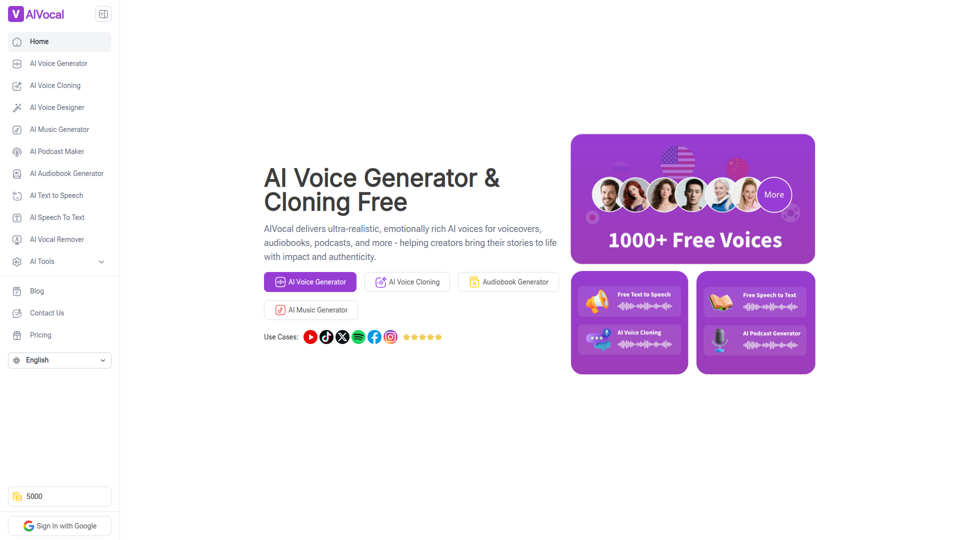
AIVocal is an AI voice and audio platform that helps creators, podcasters, speakers, and other audio-focused professionals generate speech, clone voices, create audiobooks and podcasts, transcribe audio, and edit vocals online. For content teams and producers, these AI tools can speed up scripting, narration, transcription, and post-production work while reducing the need for manual recording and editing.
AI Voice Cleaner | 1-Click Background Noise Remover Free
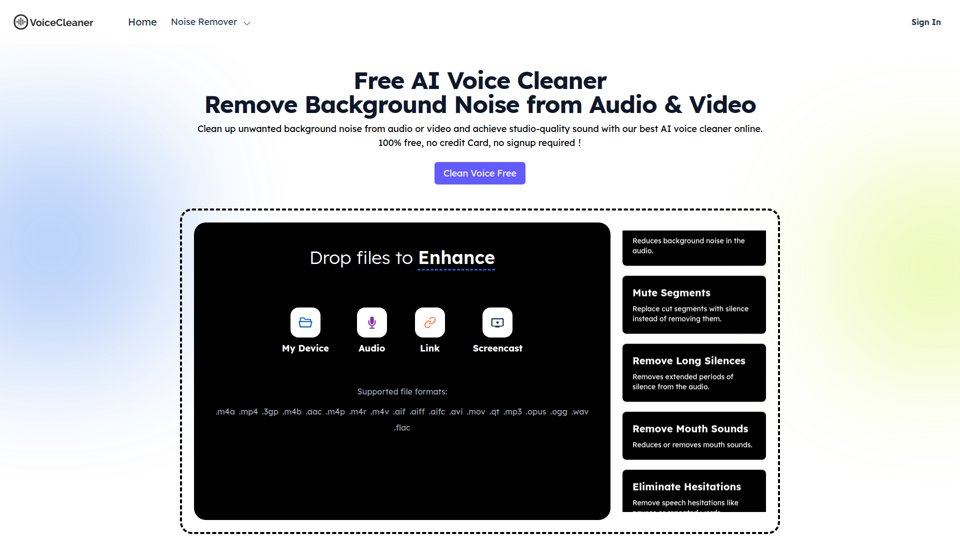
VoiceCleaner.ai is a browser-based AI voice cleaning tool that removes background noise and other speech distractions from audio and video files, mainly for podcasters, creators, musicians, and business professionals. In AI-assisted media workflows, it can help editors, producers, and communication teams spend less time on manual cleanup while delivering clearer recordings for publishing or meetings.
Aspect - AI platform for enterprise media content
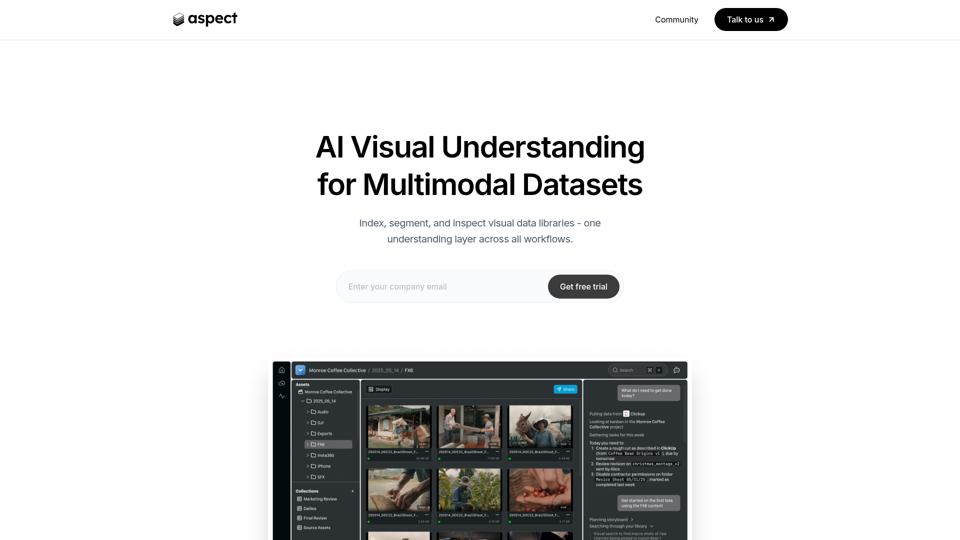
Aspect is an AI platform for enterprise media teams that helps them ingest, search, segment, extract, assemble, and review visual content and multimodal datasets across production workflows. For media operations, post-production, and dataset teams, it can reduce manual non-creative work by using visual understanding to speed asset retrieval, rough cuts, structured extraction, and delivery checks.
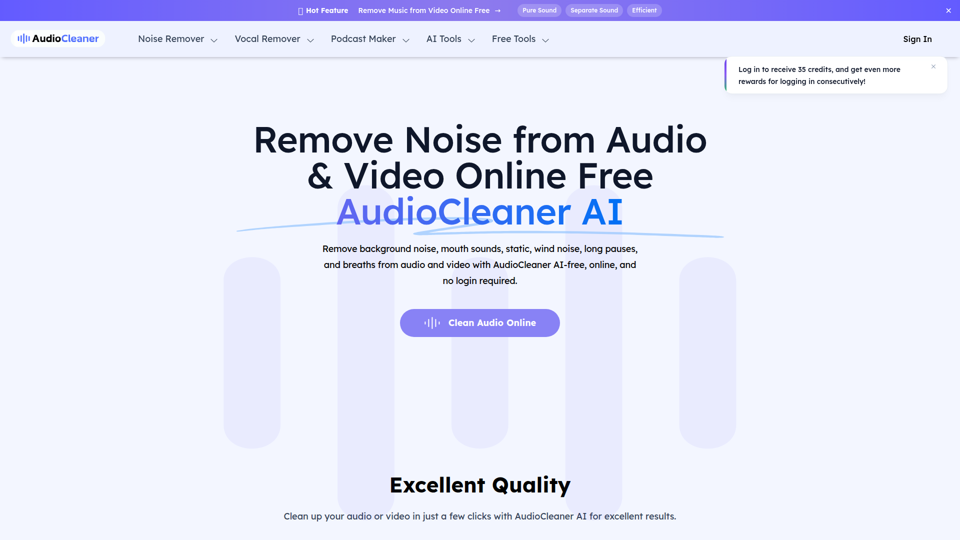
AudioCleaner AI: Remove Noise from Audio & Video Online Free
AudioCleaner AI is an online AI audio and video cleanup tool that helps creators, podcasters, educators, and video makers remove background noise, breaths, mouth sounds, wind, echo, and other unwanted audio artifacts. For content production teams, faster AI-based cleanup can reduce manual editing time and make spoken-word recordings clearer for publishing, training, and interviews.
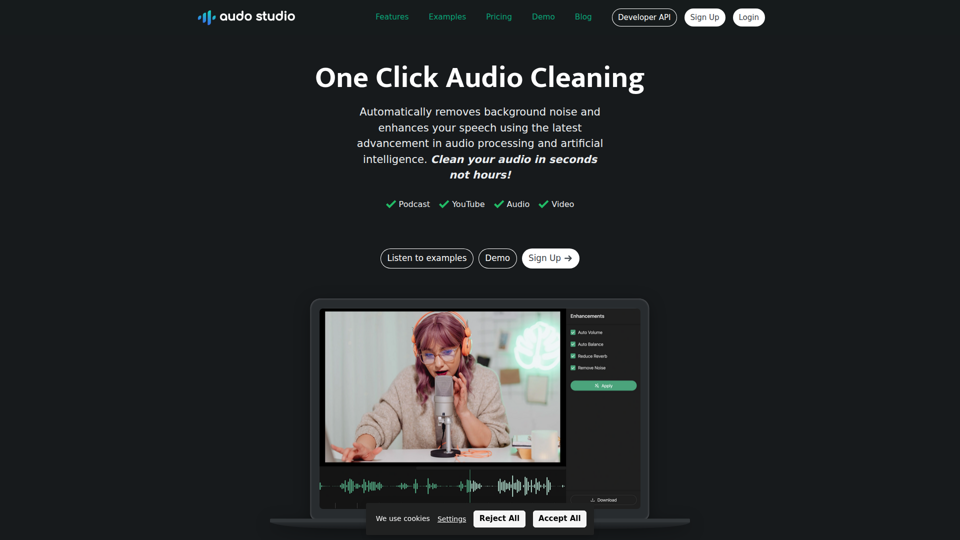
Audo Studio | One Click Audio Cleaning
Audo Studio is a browser-based audio cleaning tool that removes background noise, enhances speech, and automatically adjusts volume with one click, mainly for YouTubers, podcasters, and other creators working with audio or video. For content creators and editors, this kind of AI audio processing can speed up post-production and help deliver clearer voice recordings without complex manual cleanup.
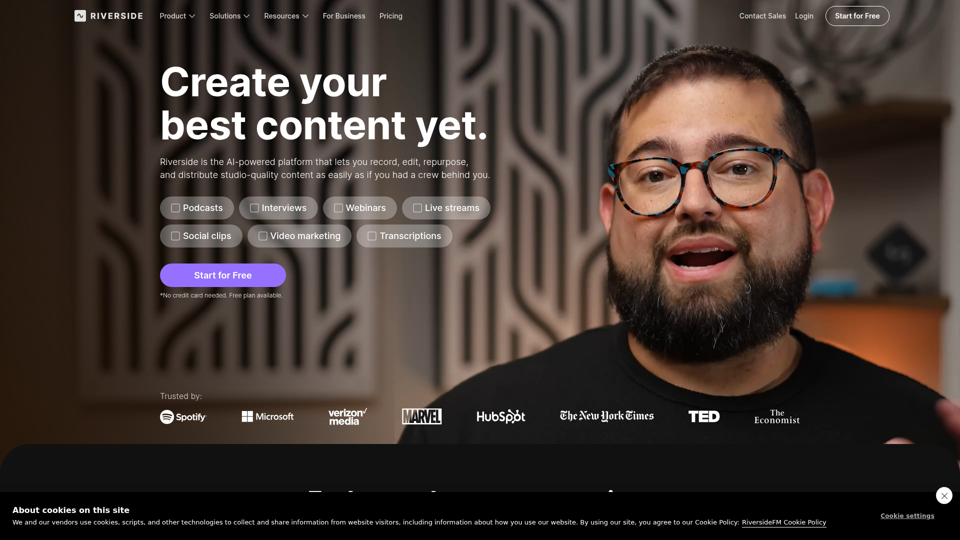
Riverside: HD Podcast & Video Software | Free Recording & Editing
Riverside is an AI-powered podcast and video creation platform that helps users record, edit, repurpose, livestream, and publish studio-quality content, mainly for podcasters, producers, and marketers. Its text-based editing, transcription, translation, and content repurposing tools can help content teams produce polished interviews, webinars, and social clips faster with less manual post-production.
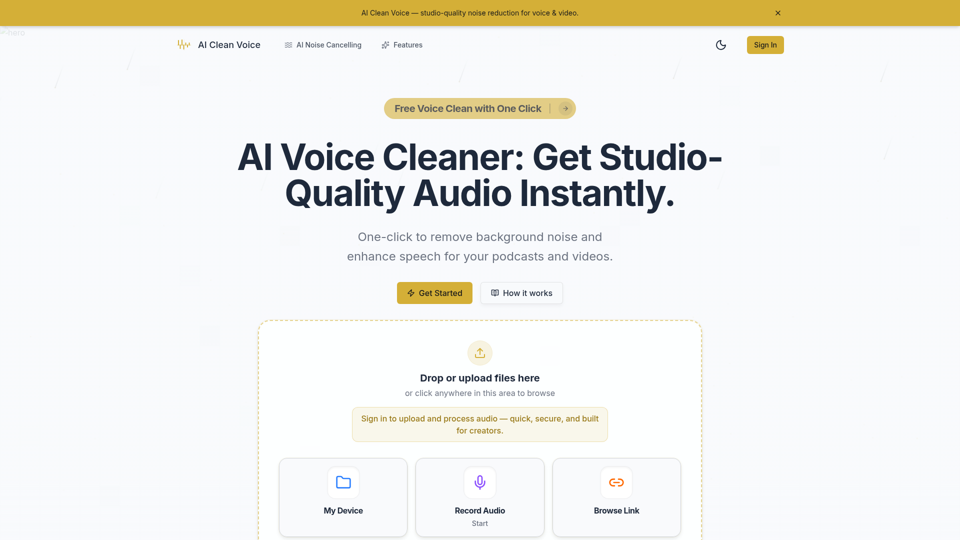
AI Voice Cleaner - Remove Background Noise & Enhance Speech Online | AI Clean Voice
AI Clean Voice is an online AI voice cleaner that removes background noise, wind, and echo to enhance speech in uploaded audio, mainly for podcasters, video creators, educators, and production teams. It can help audio editors and content teams speed up cleanup work while preserving natural vocal clarity for faster publishing.
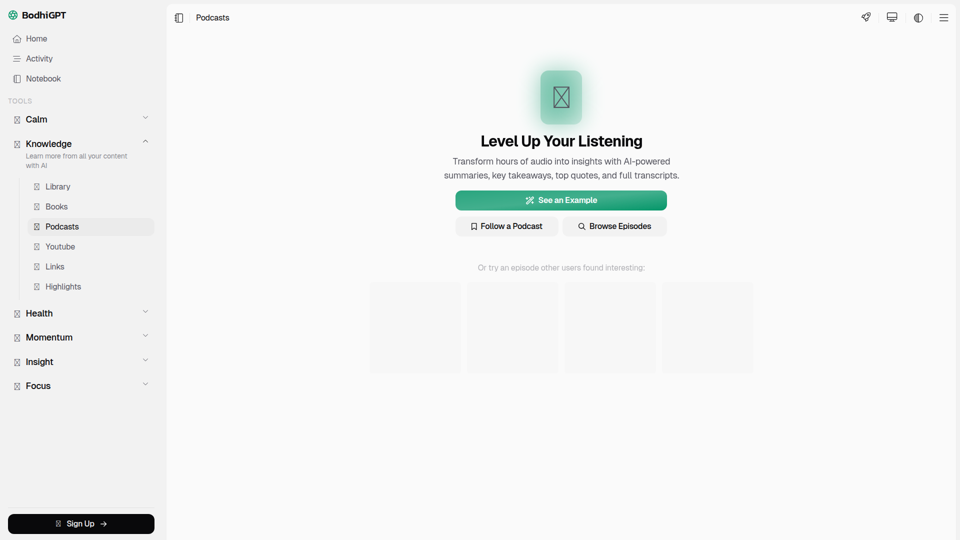
Podcasts | BodhiGPT
BodhiGPT Podcasts is an AI-powered podcast player that helps users turn podcast episodes into summaries, key takeaways, quotes, chapters, insights, and transcripts, mainly for people who want to learn more efficiently from audio content. For knowledge workers, researchers, and content-focused professionals, it can reduce listening time and make important ideas easier to review, reference, and apply.