
Veeton - AI Fashion models
Rate this Tool
Average Score
Total Votes
Select your score (1-10):
Detail Information
What
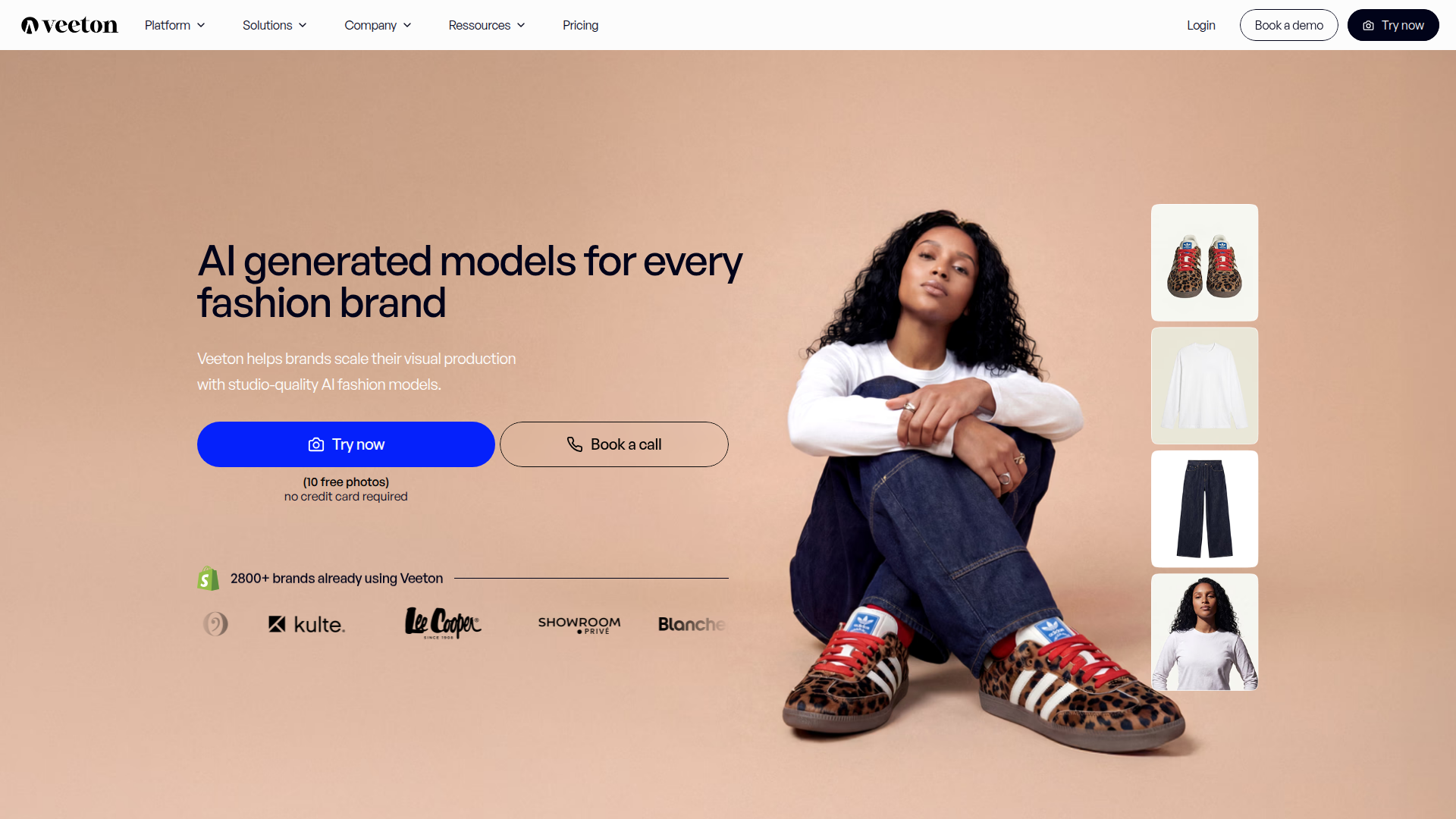
Veeton is an AI fashion image generation platform for fashion brands that need studio-style visuals without running traditional photoshoots. The site positions it as a way to create production-grade, photorealistic imagery and videos using AI-generated fashion models for e-commerce, marketing, and other retail touchpoints.
The core workflow appears to center on creating or selecting AI models, styling outfits by mixing and matching pieces, and generating visual assets quickly. Based on the page content, Veeton is likely positioned as a visual production tool for apparel and fashion teams that want faster content creation, more consistency across product imagery, and lower operational overhead than conventional shoots.
Features
- AI fashion model creation — Brands can create models that fit their brand or choose from a portfolio of lifelike AI models, which supports more controlled and repeatable visual production.
- Outfit composition — The platform lets users mix and match pieces to create styled looks quickly, helping merchandising and creative teams assemble product presentations faster.
- AI-generated fashion video — Veeton can generate cinematic fashion videos, extending asset production beyond still imagery for richer campaign and product storytelling.
- Photorealistic image generation — The product emphasizes hyper-realistic results, including skin and garment texture, to make AI visuals resemble studio photography.
- Batch generation — Batch generation is highlighted as a differentiator, which likely helps brands produce multiple assets at scale, though the page does not explain the exact workflow in detail.
- Plug-and-play and customizable setup — Veeton describes the platform as customizable and plug-and-play, suggesting usability for teams that want faster adoption without building a complex in-house system.
Helpful Tips
- Validate realism on your actual catalog — For AI fashion tools, test a representative sample of fabrics, cuts, and styling combinations to confirm that garment details and fit remain accurate enough for commerce use.
- Define brand model and styling standards early — Teams will get more consistent results if they align on preferred model profiles, poses, outfit rules, and visual guidelines before scaling production.
- Compare still image and video needs separately — If your team needs both e-commerce product imagery and campaign-style motion content, assess each output type on quality, speed, and review effort rather than assuming equal maturity.
- Review copyright and usage terms carefully — The page includes a copyright FAQ, so buyers should verify ownership, licensing scope, and downstream usage rights for generated assets before broad deployment.
- Pilot with a high-volume category first — Categories with frequent SKU turnover or repeated visual formats are often the clearest way to measure whether AI production improves speed and consistency.
OpenClaw Skills
Within an OpenClaw ecosystem, Veeton could likely serve as a visual asset engine inside broader retail content workflows. A brand operations agent could gather product data, trigger image generation briefs, organize outputs by collection or channel, and route assets into review queues for merchandising and creative teams. Since the page does not state native integrations, this should be treated as a likely workflow concept rather than a confirmed built-in connection.
OpenClaw skills around Veeton could also support fashion-specific automation such as campaign variant planning, SKU-level image request generation, visual QA checklists, and channel-specific content packaging for product pages, ads, and social assets. In practice, that combination could help e-commerce, merchandising, and brand teams move from manual shoot coordination toward more software-driven visual production, especially for brands that need frequent updates across large catalogs.
Embed Code
Share this AI tool on your website or blog by copying and pasting the code below. The embedded widget will automatically update with the latest information.
<iframe src="https://aimyflow.com/ai/veeton-com/embed" width="100%" height="400" frameborder="0"></iframe>
Explore Similar Tools
Refabric: AI Powered Fashion Solutions
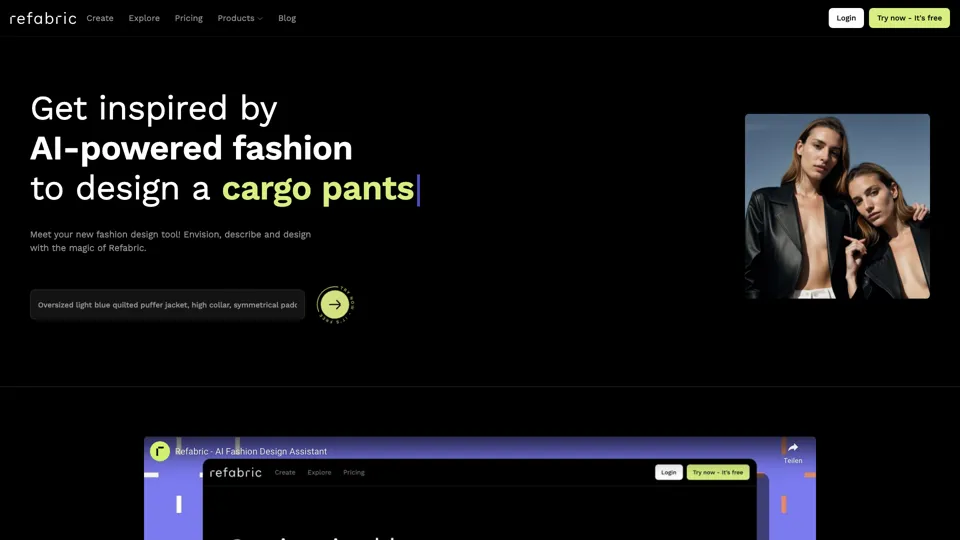
Refabric is an AI fashion platform that helps users create and refine fashion designs with data-driven support, mainly for fashion designers, brands, and product development teams. It blends creativity with automation, helping design teams explore trends and concepts more efficiently.
Outfits AI
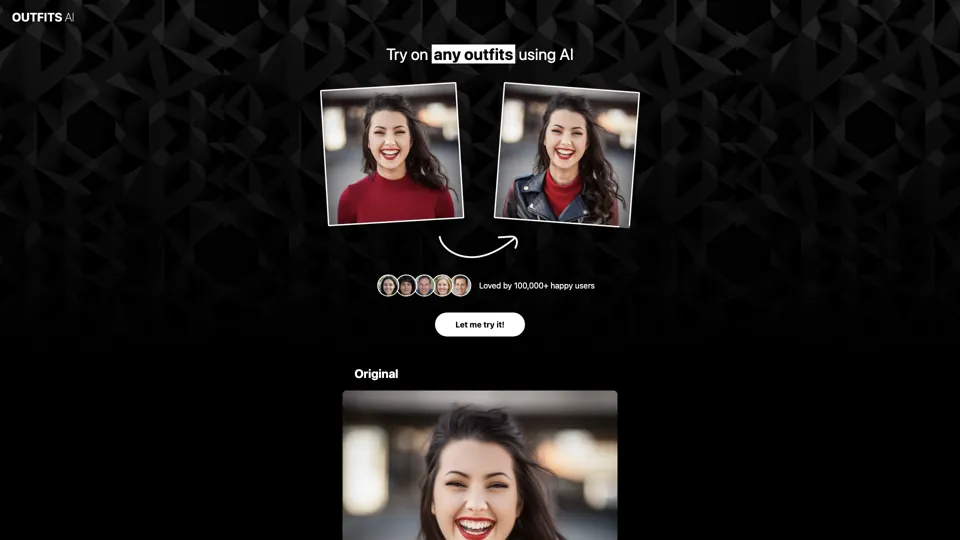
Outfits AI is an AI virtual try-on tool that lets users preview different outfits on themselves, mainly for consumers exploring personal style and shopping options. It helps shoppers and fashion brands reduce uncertainty around clothing choices through faster, more visual decision-making.

Outfit.fm — Your virtual dressing room
Outfit.fm is an AI virtual dressing room that lets users instantly try on outfit ideas digitally, mainly for shoppers, fashion creators, and style-conscious consumers. It helps fashion and ecommerce workflows shorten the path from inspiration to purchase by making visual experimentation immediate and low friction.
AIO - The Future of Fashion Design | Next-Gen AI Clothing Fashion Design Software
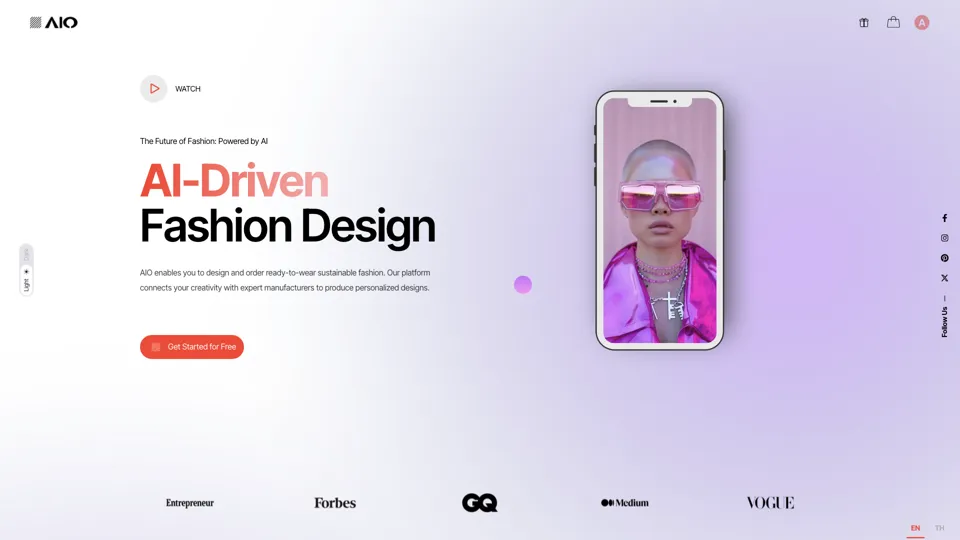
AIO is an AI fashion design platform and marketplace that helps designers and brands turn creative concepts into wearable clothing products. In the AI era, it helps fashion teams iterate faster and explore more sustainable product ideas before committing to production.
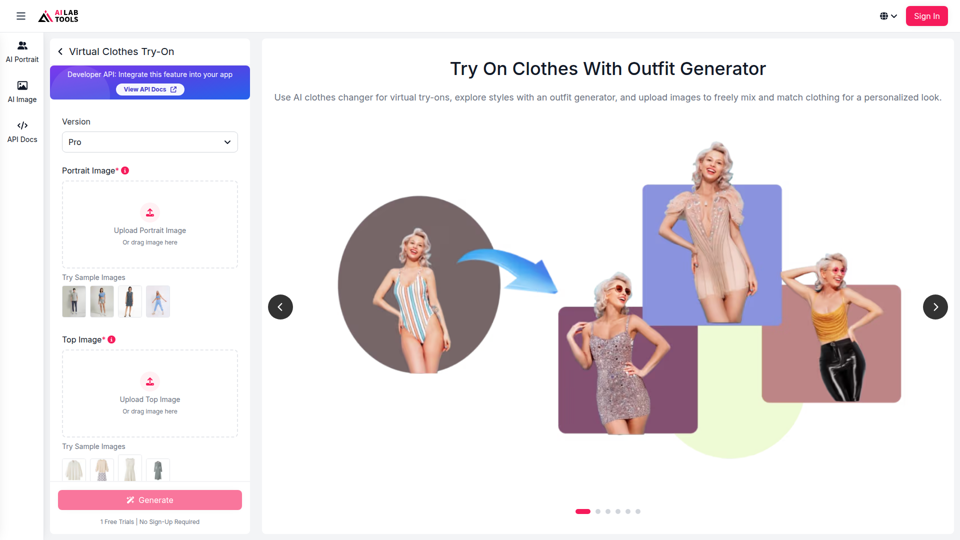
AI Outfit Generator and Clothes Changer: Your Ultimate Fashion Picker | API | AILab Tools
AILab Tools’ AI Outfit Generator and Clothes Changer is a virtual try-on tool and API that helps users upload portrait and clothing images to preview outfit combinations, mainly for shoppers, fashion brands, and developers building fashion apps. In AI-driven retail and design workflows, it can help e-commerce teams and designers create faster visual merchandising, styling previews, and custom clothing model images.
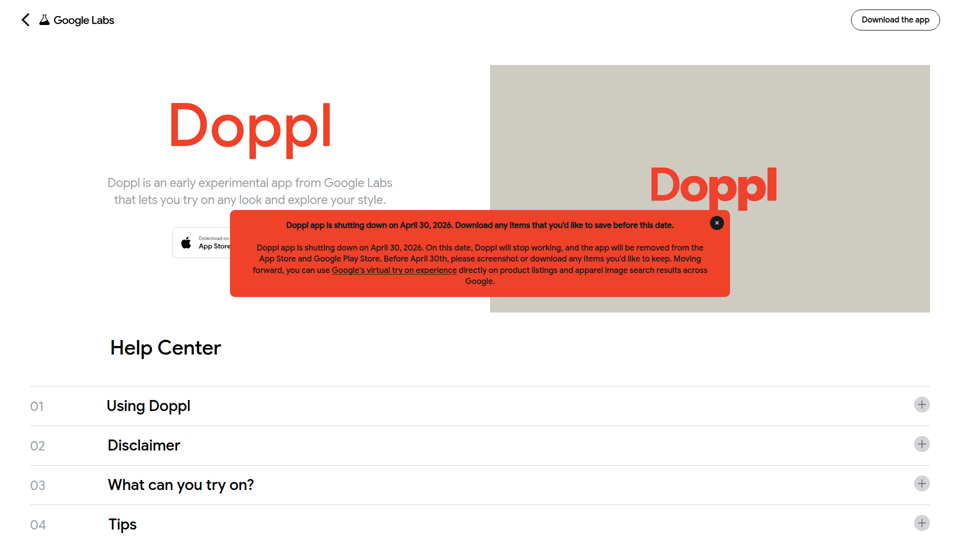
Doppl
Doppl is an experimental Google Labs app for U.S. adults that uses generative AI to help people virtually try on outfits from personal or uploaded photos, explore style options, and save or share generated looks. For fashion shoppers and stylists, it can speed visual outfit testing and inspiration, though outputs may not reflect true fit, size, or item availability.
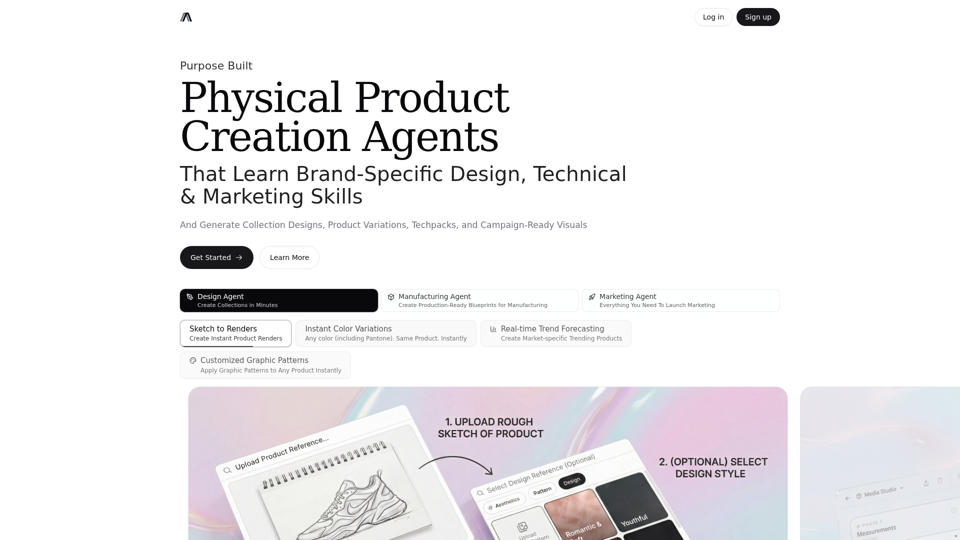
IMAI Home
IMAI is a collaborative platform for physical product teams that helps users go from product ideation to collection designs, product variations, manufacturing techpacks, and marketing-ready visuals in one workspace. For product designers, manufacturing teams, and marketers, it can shorten handoffs by using brand-specific AI agents to turn sketches and concepts into production and launch assets faster.
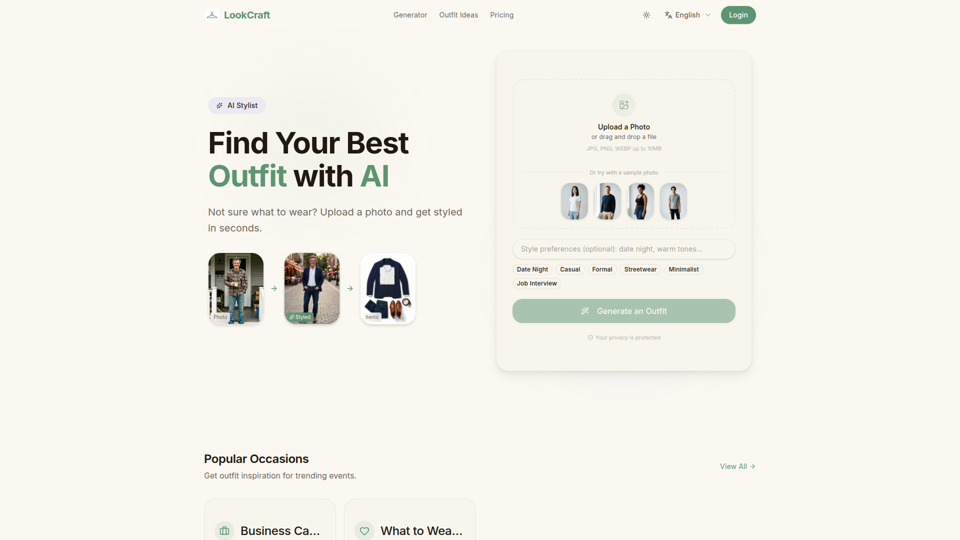
LookCraft - AI Outfit Generator | Free to Try
LookCraft is an AI outfit generator that helps people upload a photo, choose an occasion, and receive personalized clothing recommendations with item breakdowns and shopping links, mainly for consumers deciding what to wear for events, work, or everyday style. In AI-assisted styling, it can help shoppers, personal stylists, and fashion content creators speed up outfit planning and turn broad dress-code needs into more concrete options.