
Recall - Summarize Anything, Forget Nothing.
Rate this Tool
Average Score
Total Votes
Select your score (1-10):
Detail Information
What
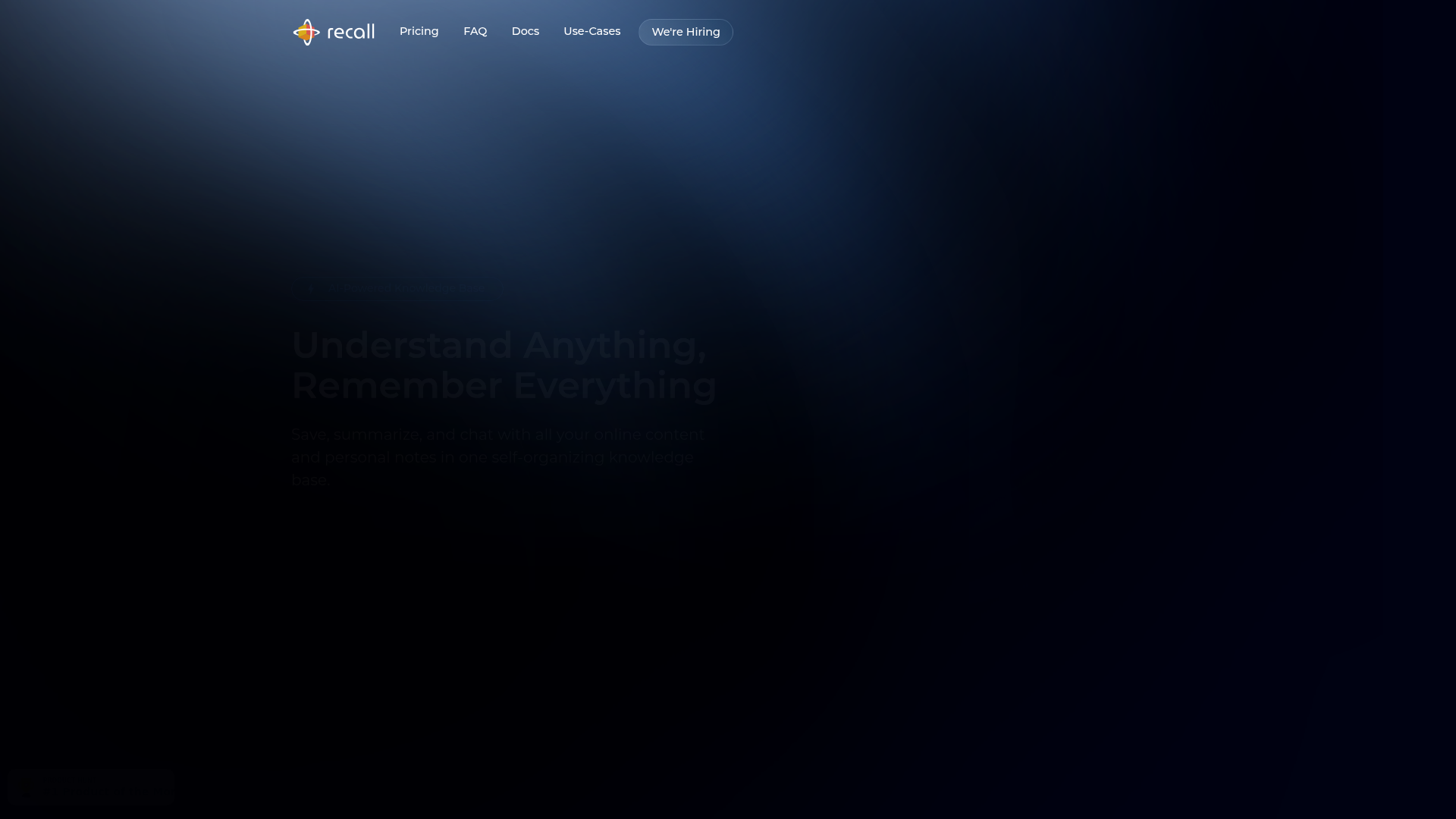
Recall is an AI-powered personal knowledge base that helps users save, summarize, organize, search, and review online content and personal notes in one place. It is aimed at professionals, learners, and heavy information consumers who want to reduce information overload and retain more of what they read, watch, or listen to.
The core workflow appears to be: capture content from sources such as articles, videos, podcasts, PDFs, Google Docs, Slides, TikToks, recipes, and personal notes; generate quick summaries; automatically organize items with tags and a knowledge graph; then chat with the saved knowledge and review it using spaced repetition. Based on the page, Recall is positioned as an all-in-one alternative to scattered bookmarks, note apps, and reading lists.
Features
- One-click AI summaries: Summarizes saved content quickly so users can preview long-form material and identify the key points faster.
- Broad content capture: Supports saving content from multiple formats and sources, including web pages, YouTube, podcasts, PDFs, Google Docs, Slides, TikToks, and user notes.
- Automatic organization: Applies smart tags, links related items, and stores information in a knowledge graph to reduce manual filing.
- Knowledge chat and search: Lets users chat across their saved content and retrieve information with full-text and semantic search.
- Spaced repetition review: Uses a memory reinforcement method to help users revisit and retain important information over time.
- Cross-platform access with data control: Available through browser extension, web, and mobile apps, with local-first browsing elements, secure cloud storage, and Markdown export.
Helpful Tips
- Assess source coverage first: If your workflow depends on specific content types, verify that Recall handles those formats well in practice, especially for niche or complex documents.
- Use it as a capture-and-review system: The strongest value likely comes from combining quick summaries with later search, chat, and spaced repetition rather than using only one feature.
- Plan your note structure deliberately: Even with automatic tags and linking, consistent note titles, highlights, and prompts can improve retrieval and downstream usefulness.
- Review privacy and storage expectations: The page emphasizes data ownership, local-first browsing, and exportability, so teams or individuals with sensitive content should compare those details against internal requirements.
- Test organization quality on real workloads: Automatic tagging and graph linking can be useful, but buyers should validate how well the system surfaces meaningful relationships for their own information habits.
OpenClaw Skills
Recall could likely work well within the OpenClaw ecosystem as a memory and knowledge layer for research-heavy workflows. Likely use cases include agents that capture articles, videos, and documents from ongoing monitoring tasks, summarize them into reusable notes, and then surface relevant prior knowledge when a user starts a new project. Although the page does not confirm a native OpenClaw integration, the product’s searchable knowledge base, exportability, and structured note storage suggest good potential for workflow orchestration around saved information.
OpenClaw skills could be built for competitive research, founder learning systems, analyst brief preparation, meeting pre-reads, or continuous professional education. For example, an agent could gather source material, store it in Recall, create concise summaries, identify linked concepts, and generate spaced review queues for key insights. In professions such as consulting, product strategy, investment research, and education, that combination could shift knowledge work from fragmented note collection toward a more persistent, queryable institutional memory.
Embed Code
Share this AI tool on your website or blog by copying and pasting the code below. The embedded widget will automatically update with the latest information.
<iframe src="https://aimyflow.com/ai/recall-wiki-extension/embed" width="100%" height="400" frameborder="0"></iframe>
Explore Similar Tools
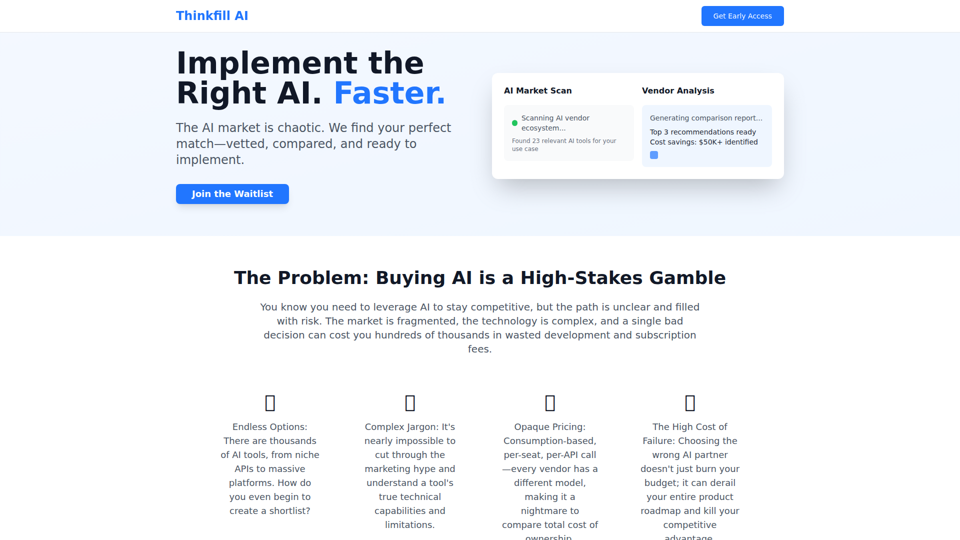
Thinkfill AI - Find Your Perfect AI Vendor
Cut through the AI chaos. We find, vet, and compare the best AI vendors for your exact needs. Get your Top 3 vetted recommendations in 10 days.
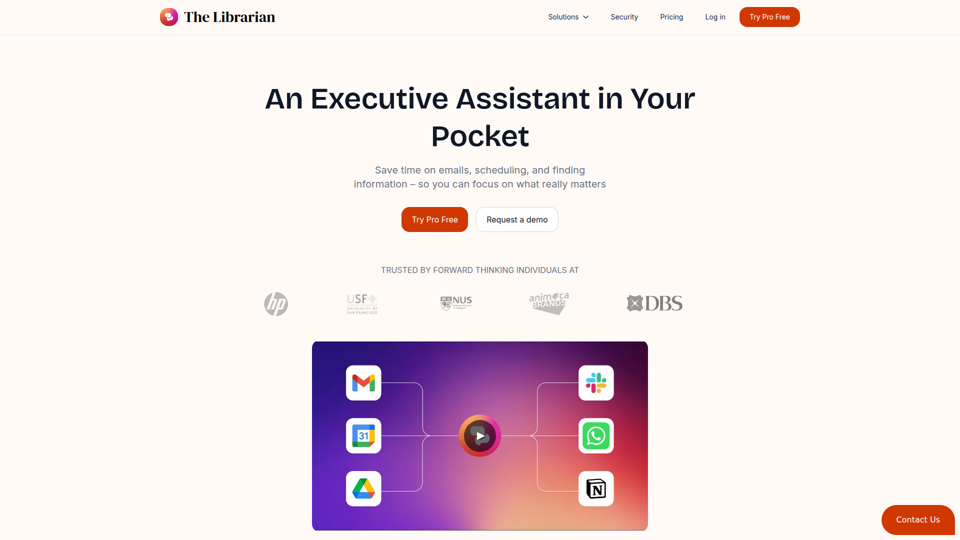
The Librarian - Supercharge your day with your own AI personal assistant
The Librarian is an AI personal assistant for busy Google Workspace professionals, helping them draft and summarize emails, manage calendars, and find documents across tools like Gmail, Google Calendar, and Drive. For executives, founders, and other time-constrained knowledge workers, it can reduce routine coordination and information retrieval work so they can focus more on decisions and priorities.
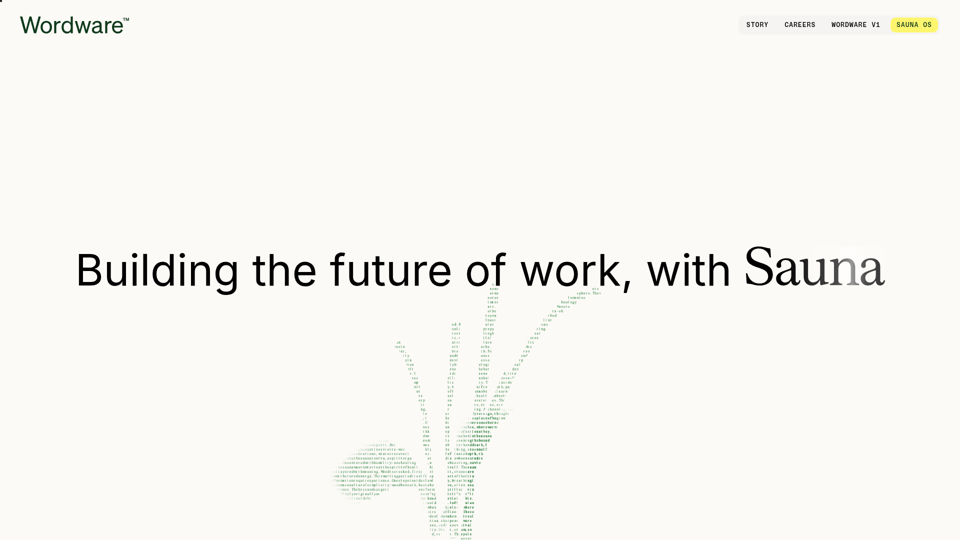
Wordware
Wordware is an AI context lab whose main product, Sauna, is an intelligent workspace and AI assistant that helps users reclaim deep work by handling busywork, learning their preferences, spotting patterns, and anticipating next steps, aimed mainly at knowledge workers. In AI-driven workflows, tools like Sauna can help professionals such as operators, founders, designers, and engineers preserve context across tasks so they can make faster, more informed decisions.
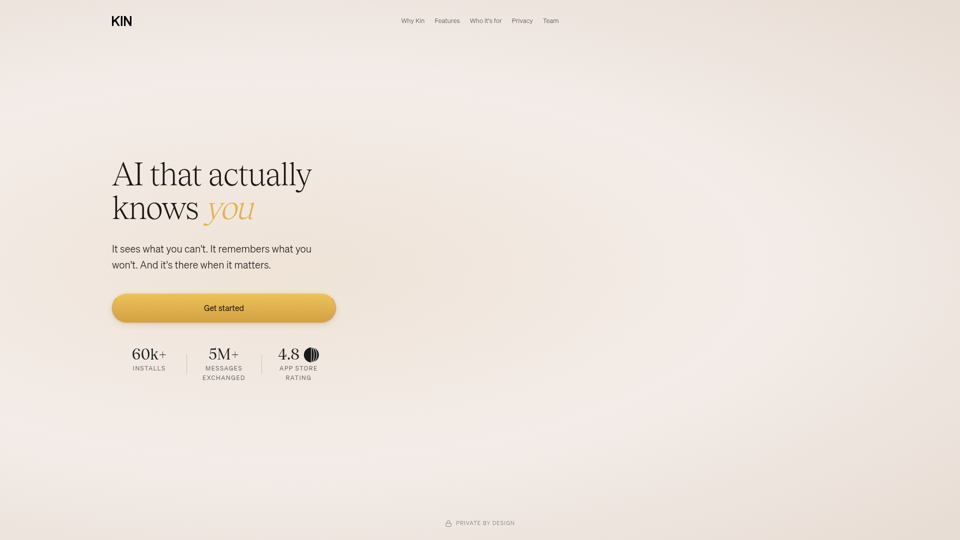
AI that actually knows you
Kin is a privacy-focused personal AI assistant and reflective coaching app that remembers context across conversations to help users think clearly, navigate decisions, and organize their lives, especially leaders, founders, parents, athletes, and neurodivergent people. In AI-enabled knowledge work, its persistent memory and guided reflection can help decision-makers and other high-responsibility professionals spot patterns, reduce mental overload, and make more informed choices over time.
Jude | Your First Employee — AI That Runs Your Business
Jude is an AI business assistant that helps small businesses, freelancers, and solo entrepreneurs manage clients, emails, tickets, calendars, projects, and automations from one platform. For owners, operators, and client-facing teams, it can reduce admin work by turning notes and requests into tasks, drafted emails, and updated records across connected tools.
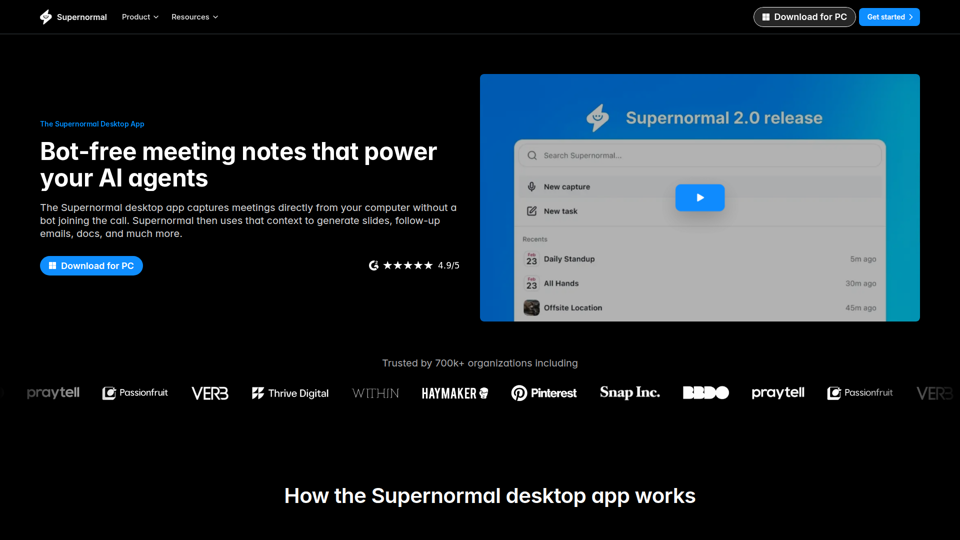
Supernormal Desktop App: AI assistant that turns meetings into work
Supernormal Desktop App is an AI meeting assistant that captures computer audio without a bot, transcribes conversations, and turns meeting context into summaries, follow-up emails, documents, slides, and other drafts for professionals who spend much of their time in meetings. For managers, client-facing teams, and operations roles, it can reduce post-meeting admin by converting discussion points into ready-to-use work outputs faster.
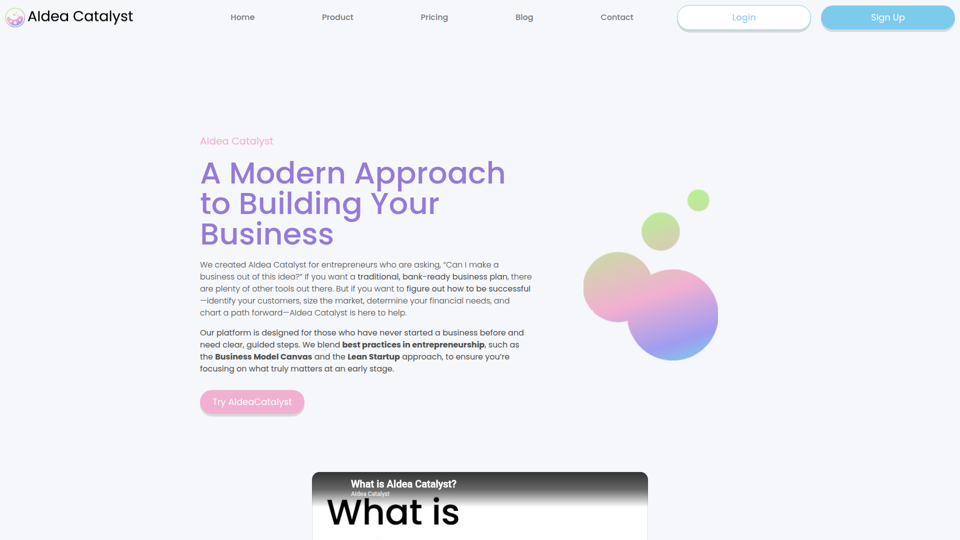
AIdea Catalyst - TAAFT
AIdea Catalyst is an AI-powered startup planning platform that helps entrepreneurs, especially first-time founders, validate ideas, analyze customers and markets, model finances, and build launch plans using guided, iterative workflows. For founders and small startup teams, this AI-assisted approach can speed early-stage decision-making by turning assumptions into testable plans instead of static business documents.
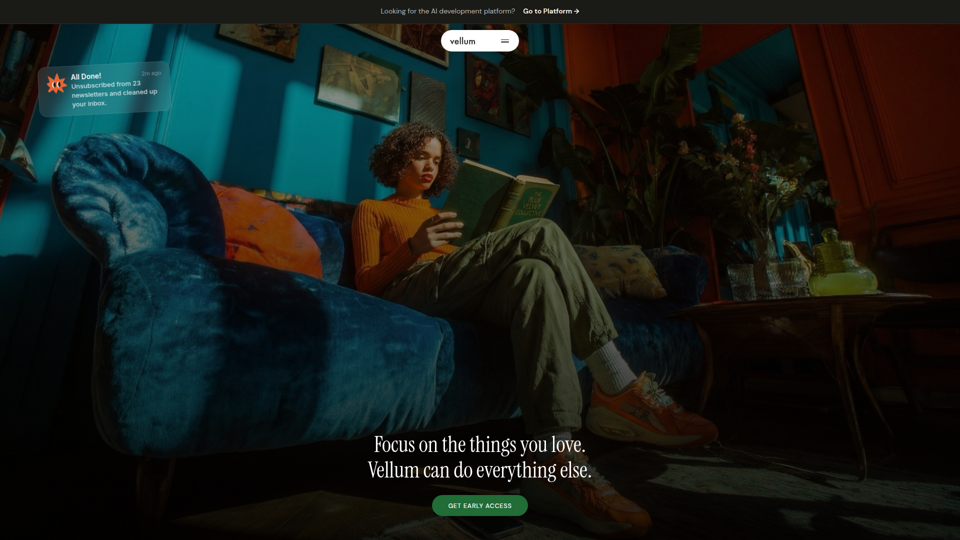
Vellum
Vellum is a desktop personal AI assistant for macOS and iOS that connects to your apps, understands your context, and helps individuals manage email, scheduling, web tasks, coding, and other actions from a single conversation. For knowledge workers, founders, and developers, it can reduce repetitive app-switching and administrative work while keeping human approval in the loop for external actions.