
PainPoints.fast - Validate Your SaaS Idea with Real Pain Points
Rate this Tool
Average Score
Total Votes
Select your score (1-10):
Detail Information
What
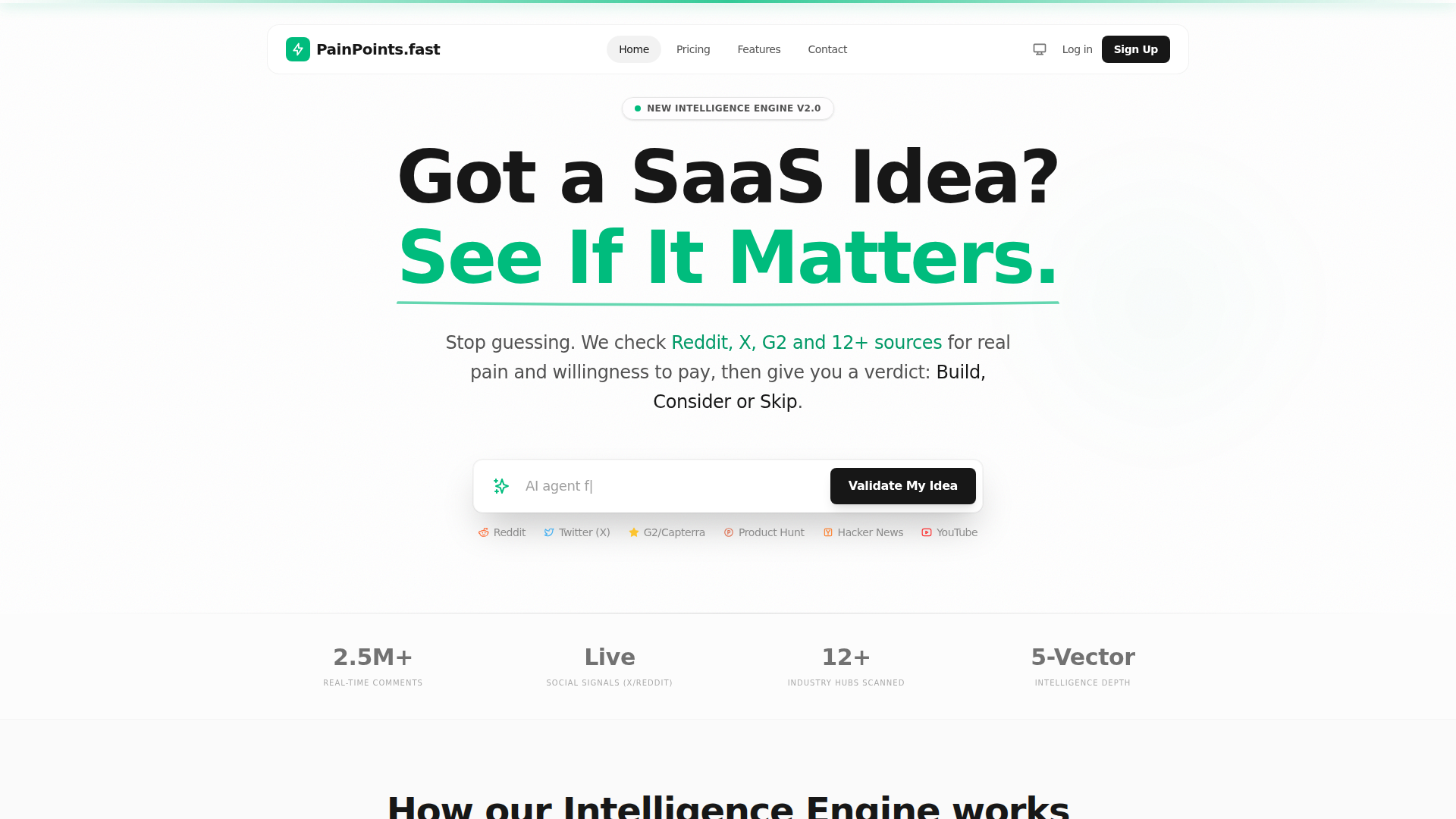
PainPoints.fast is a SaaS idea validation tool that analyzes public discussions across sources such as Reddit, X, G2/Capterra, Product Hunt, Hacker News, YouTube, app stores, and Upwork to identify recurring customer pain points. It is aimed primarily at founders evaluating whether a product idea addresses a real problem and whether there are signals of willingness to pay.
The core workflow is simple: enter an idea or market, let the platform scan and group relevant pain signals, then review a scored report with a verdict of Build, Consider, or Skip. Based on the page, it is positioned as an evidence-first market research and pre-build decision product for early-stage SaaS planning, with ongoing monitoring available to subscribers.
Features
- Multi-source pain point scanning: Searches 12+ sources for recurring complaints, requests, reviews, and trend signals to ground idea validation in public market evidence.
- Semantic pain clustering: Groups similar expressions of the same problem, which helps reduce noise from varied user language and makes patterns easier to interpret.
- Build / Consider / Skip verdicts: Converts analysis into a decision-oriented recommendation so founders do not need to interpret raw data alone.
- Validation scoring: Scores ideas on factors such as severity, frequency, confidence, demand signals, and willingness to pay to support prioritization.
- Evidence-backed reporting: Shows source attribution, signal strength, and links to original posts, with PDF export and shareable report links for distribution.
- Ongoing monitoring for subscribers: Continuously rescans sources and sends weekly updates on new pain points, competitor complaints, comments, and validation score changes.
Helpful Tips
- Use it for problem validation, not full market sizing: The page references indicators like market gap and demand, but the strongest confirmed value is identifying visible pain in public discussions.
- Watch for data coverage limits: The product itself warns when an idea may be too niche or too broad for reliable analysis, so scope definition matters.
- Treat willingness-to-pay signals carefully: Public statements can be useful early evidence, but they are not the same as confirmed purchases or contract intent.
- Compare repeated pain with implementation effort: The platform surfaces pain intensity and likely opportunity, but build decisions still need feasibility, differentiation, and go-to-market judgment.
- Use continuous monitoring for volatile markets: Categories shaped by fast-changing competitor feedback or social trends may benefit more from the subscription update model.
OpenClaw Skills
PainPoints.fast could fit well into an OpenClaw workflow as an upstream market-intelligence input for founder, product, and research agents. A likely use case would be an OpenClaw skill that takes a PainPoints.fast report, extracts the highest-confidence pains, and turns them into structured outputs such as ICP hypotheses, MVP feature candidates, objection lists, messaging angles, and competitor watchlists. The site does not state a native OpenClaw integration, so this should be treated as a workflow inference rather than a confirmed capability.
In a broader OpenClaw ecosystem, agents could use these reports to automate idea triage, startup studio screening, portfolio monitoring, or product discovery operations. For example, a likely workflow could combine PainPoints.fast insights with OpenClaw agents for PRD drafting, landing-page copy generation, founder research briefs, and weekly market-shift alerts. For early-stage SaaS teams, that combination could reduce time spent on manual forum scraping and turn fragmented user complaints into a repeatable decision system.
Embed Code
Share this AI tool on your website or blog by copying and pasting the code below. The embedded widget will automatically update with the latest information.
<iframe src="https://aimyflow.com/ai/painpoints-fast/embed" width="100%" height="400" frameborder="0"></iframe>
Explore Similar Tools
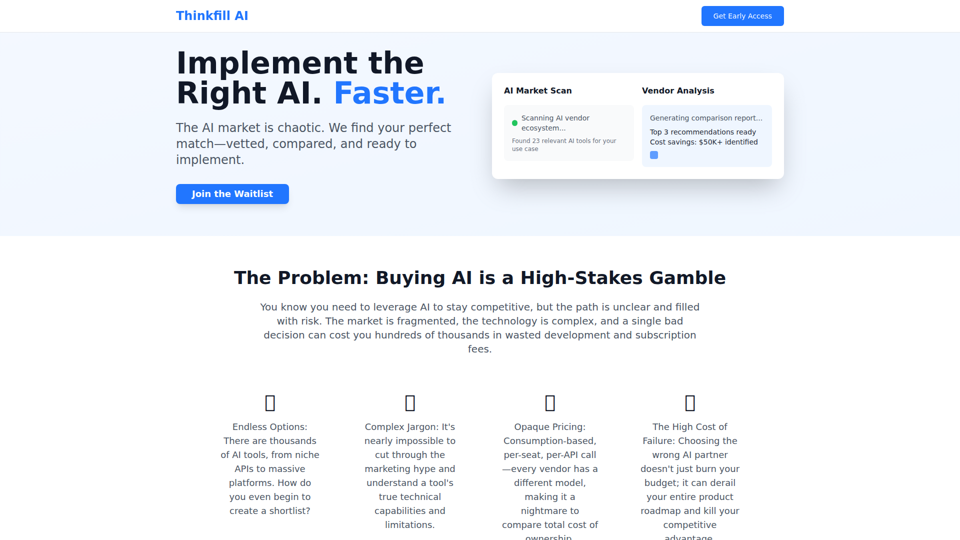
Thinkfill AI - Find Your Perfect AI Vendor
Cut through the AI chaos. We find, vet, and compare the best AI vendors for your exact needs. Get your Top 3 vetted recommendations in 10 days.
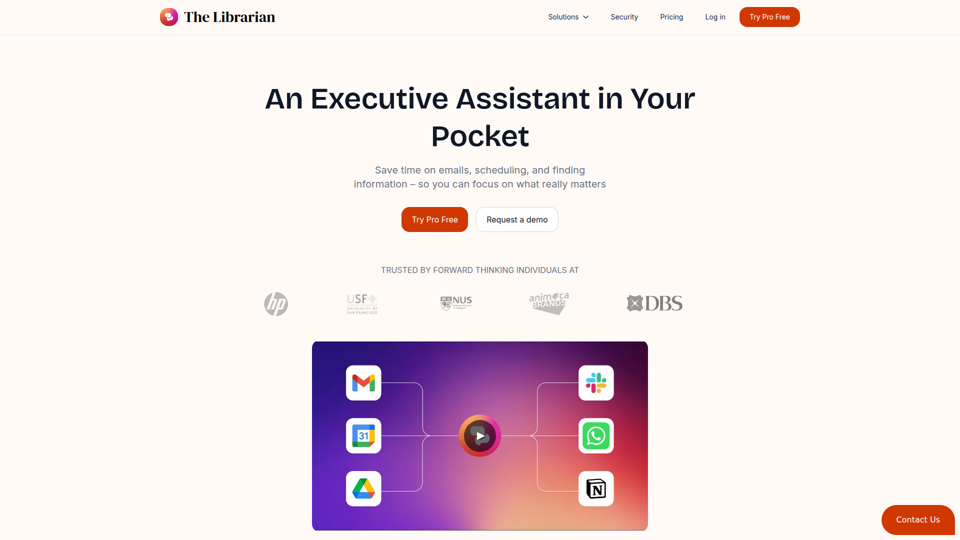
The Librarian - Supercharge your day with your own AI personal assistant
The Librarian is an AI personal assistant for busy Google Workspace professionals, helping them draft and summarize emails, manage calendars, and find documents across tools like Gmail, Google Calendar, and Drive. For executives, founders, and other time-constrained knowledge workers, it can reduce routine coordination and information retrieval work so they can focus more on decisions and priorities.
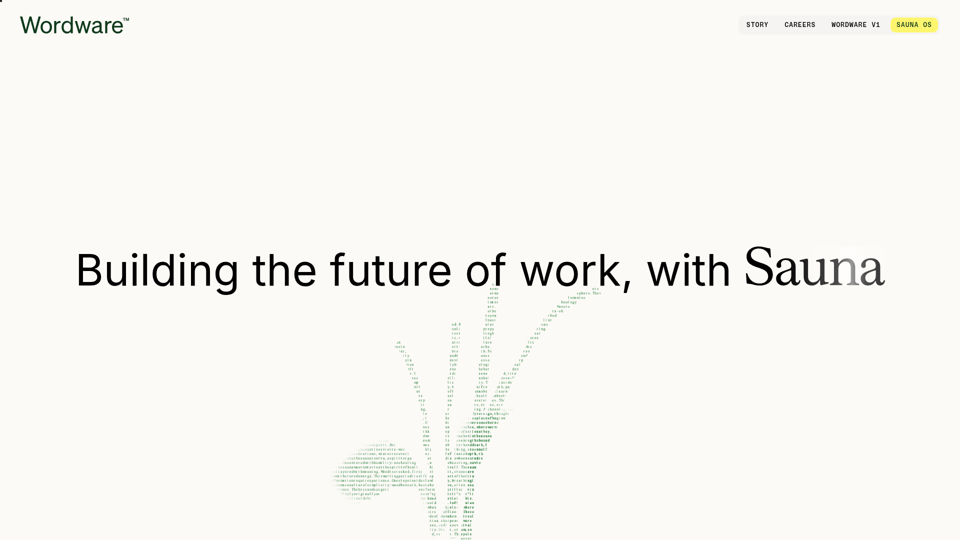
Wordware
Wordware is an AI context lab whose main product, Sauna, is an intelligent workspace and AI assistant that helps users reclaim deep work by handling busywork, learning their preferences, spotting patterns, and anticipating next steps, aimed mainly at knowledge workers. In AI-driven workflows, tools like Sauna can help professionals such as operators, founders, designers, and engineers preserve context across tasks so they can make faster, more informed decisions.

AI that actually knows you
Kin is a privacy-focused personal AI assistant and reflective coaching app that remembers context across conversations to help users think clearly, navigate decisions, and organize their lives, especially leaders, founders, parents, athletes, and neurodivergent people. In AI-enabled knowledge work, its persistent memory and guided reflection can help decision-makers and other high-responsibility professionals spot patterns, reduce mental overload, and make more informed choices over time.
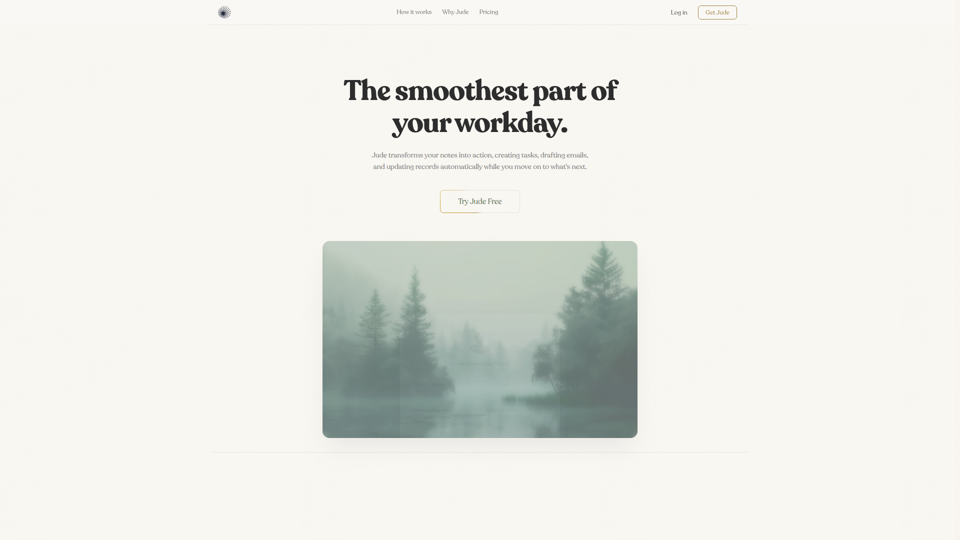
Jude | Your First Employee — AI That Runs Your Business
Jude is an AI business assistant that helps small businesses, freelancers, and solo entrepreneurs manage clients, emails, tickets, calendars, projects, and automations from one platform. For owners, operators, and client-facing teams, it can reduce admin work by turning notes and requests into tasks, drafted emails, and updated records across connected tools.
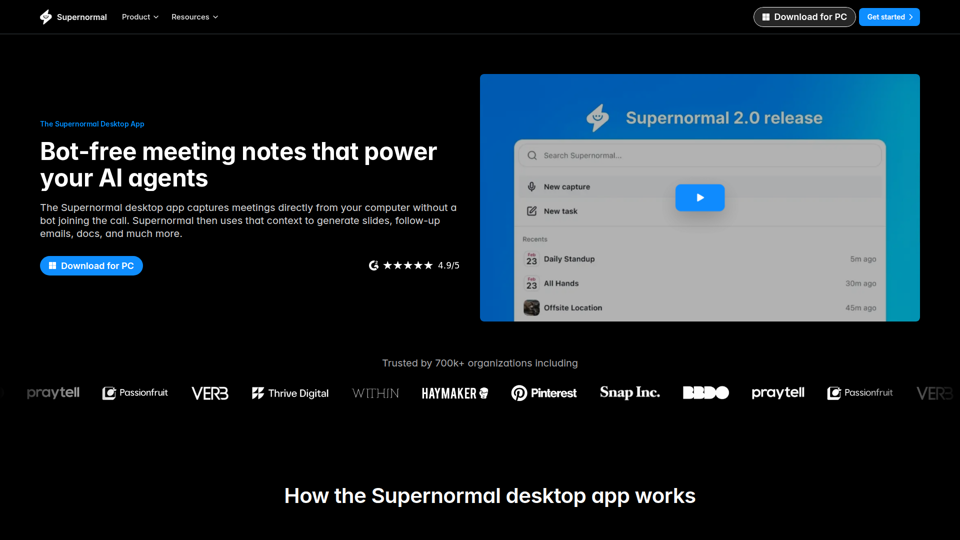
Supernormal Desktop App: AI assistant that turns meetings into work
Supernormal Desktop App is an AI meeting assistant that captures computer audio without a bot, transcribes conversations, and turns meeting context into summaries, follow-up emails, documents, slides, and other drafts for professionals who spend much of their time in meetings. For managers, client-facing teams, and operations roles, it can reduce post-meeting admin by converting discussion points into ready-to-use work outputs faster.
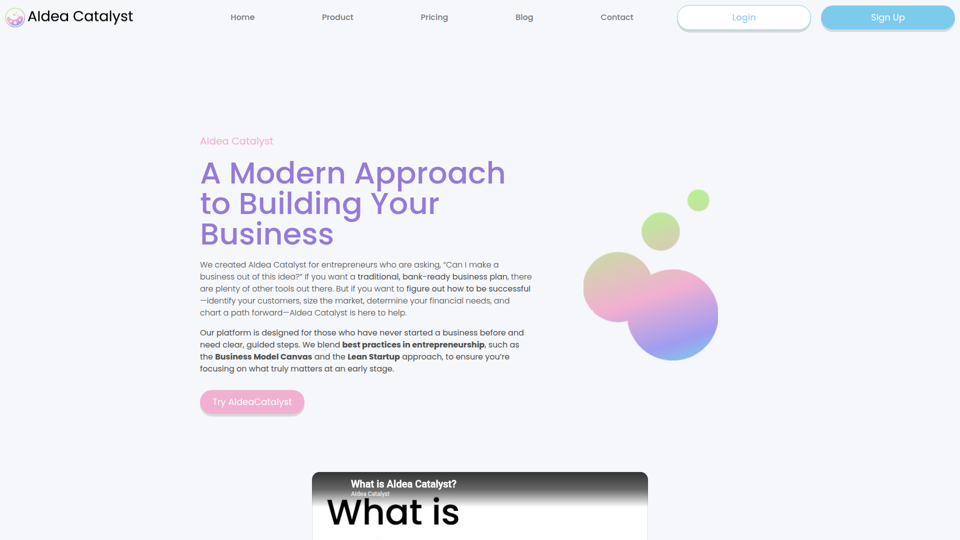
AIdea Catalyst - TAAFT
AIdea Catalyst is an AI-powered startup planning platform that helps entrepreneurs, especially first-time founders, validate ideas, analyze customers and markets, model finances, and build launch plans using guided, iterative workflows. For founders and small startup teams, this AI-assisted approach can speed early-stage decision-making by turning assumptions into testable plans instead of static business documents.

Vellum
Vellum is a desktop personal AI assistant for macOS and iOS that connects to your apps, understands your context, and helps individuals manage email, scheduling, web tasks, coding, and other actions from a single conversation. For knowledge workers, founders, and developers, it can reduce repetitive app-switching and administrative work while keeping human approval in the loop for external actions.