
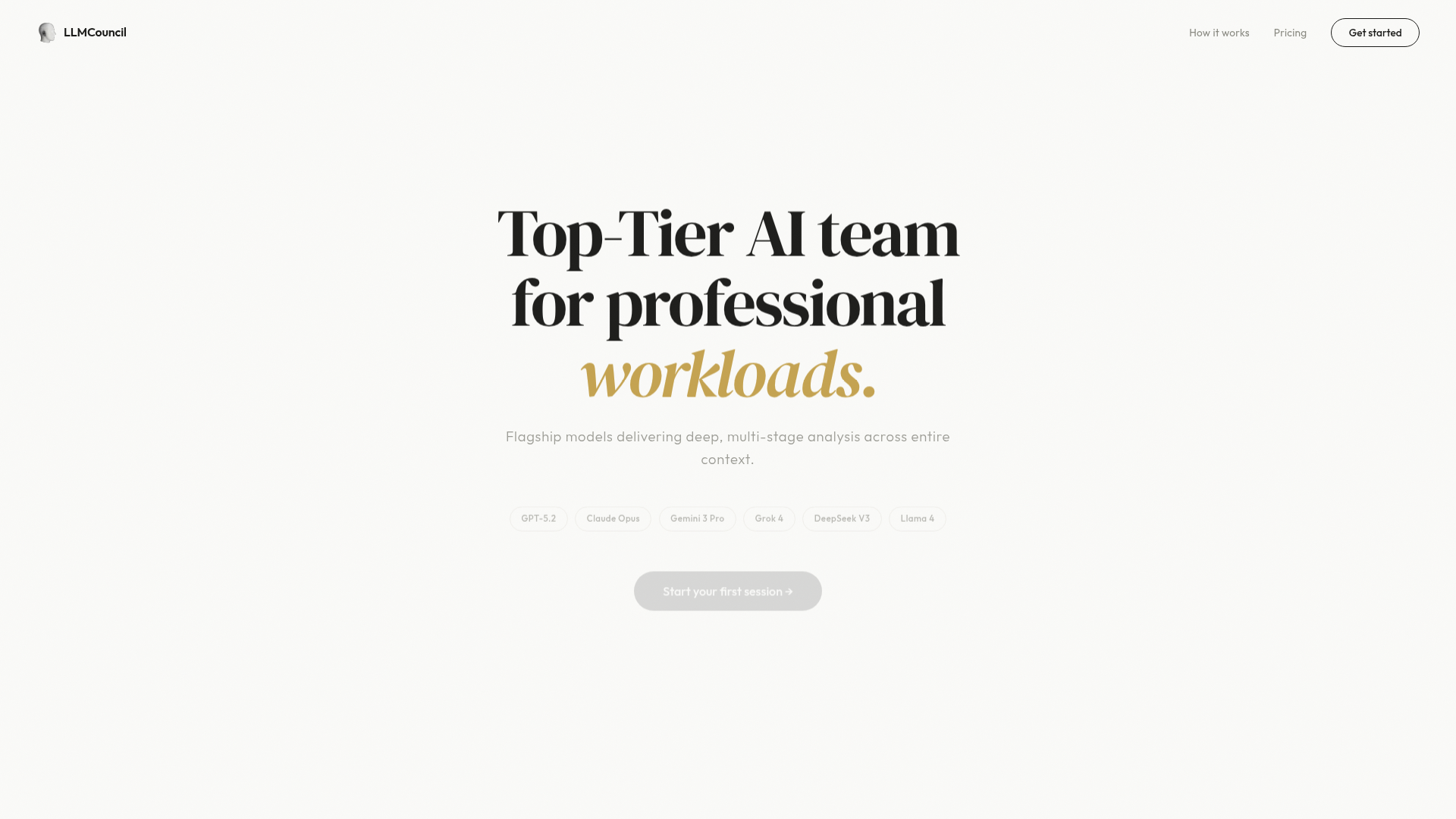
LLM Council — Top-Tier AI Team for Professional Workloads
Rate this Tool
Average Score
Total Votes
Select your score (1-10):
Detail Information
What
LLM Council is a multi-LLM deliberation platform designed for professional knowledge work. It combines several frontier language models and runs them through a structured process so users can compare model reasoning, review disagreements, and receive a synthesized final answer.
The product appears positioned as a higher-rigor AI analysis tool for users working on complex documents, research, planning, and risk review. The source highlights use cases for consultants, founders, authors, auditors, administrators, and inventors, especially where document review, cross-checking, scenario analysis, and transparent reasoning matter.
Features
- Three-stage deliberation workflow: Models first analyze independently, then review each other anonymously, then a chairman model synthesizes the final answer, which is intended to improve answer quality and reduce single-model blind spots.
- Multi-model panel analysis: The platform uses multiple frontier models in parallel, giving users access to different reasoning styles and broader coverage on complex questions.
- Anonymous peer review and ranking: Each model evaluates other responses without attribution, which the company presents as a way to reduce bias and surface stronger arguments.
- Transparent output structure: Users can see consensus, dissent, prioritized findings, and each model’s individual work, which supports auditability and comparison.
- Document and context ingestion: Pro-tier materials indicate support for uploads such as PDF, Word, Excel, Slides, images, screenshots, and diagrams, enabling analysis across larger professional workflows.
- Research and grounding support: The site references web search, real-time data, deep research, and web grounding, suggesting the system can enrich prompts with external context when needed.
Helpful Tips
- Use it for high-stakes review rather than basic drafting: This kind of multi-model system is most valuable when the task benefits from cross-checking, dissent analysis, and structured synthesis.
- Test with representative documents early: If your workflow depends on policy review, investor materials, technical specs, or manuscripts, validate output quality on real examples before wider adoption.
- Pay attention to disagreement signals: Consensus can be useful, but the practical value often comes from where models diverge, especially in risk, compliance, and strategic planning tasks.
- Confirm document handling needs: The source indicates upload support and export features on paid plans, but teams should still verify operational fit for file types, scale, and review processes.
- Treat external research claims carefully: Because the site mentions web search and real-time data, users should still validate source quality and recency for regulated or mission-critical decisions.
OpenClaw Skills
Within the OpenClaw ecosystem, LLM Council could likely serve as a high-rigor reasoning layer for workflows that need multi-agent review before a final recommendation is issued. Likely use cases include an OpenClaw skill that routes complex briefs, uploaded documents, or strategic questions into a council session, then converts the output into structured risk registers, action lists, issue logs, or executive summaries.
Another likely OpenClaw pattern would be profession-specific agents built around the council process: for example, policy review agents for healthcare administrators, diligence agents for startup founders, manuscript audit agents for authors, or technical prior-art review agents for inventors. If orchestrated well, this combination could shift professional work from single-pass prompting toward reviewable, multi-perspective AI workflows with clearer traceability; however, the source does not confirm a native OpenClaw integration, so these should be treated as inferred implementation opportunities rather than documented product features.
Embed Code
Share this AI tool on your website or blog by copying and pasting the code below. The embedded widget will automatically update with the latest information.
<iframe src="https://aimyflow.com/ai/llmcouncil-ai/embed" width="100%" height="400" frameborder="0"></iframe>
Explore Similar Tools
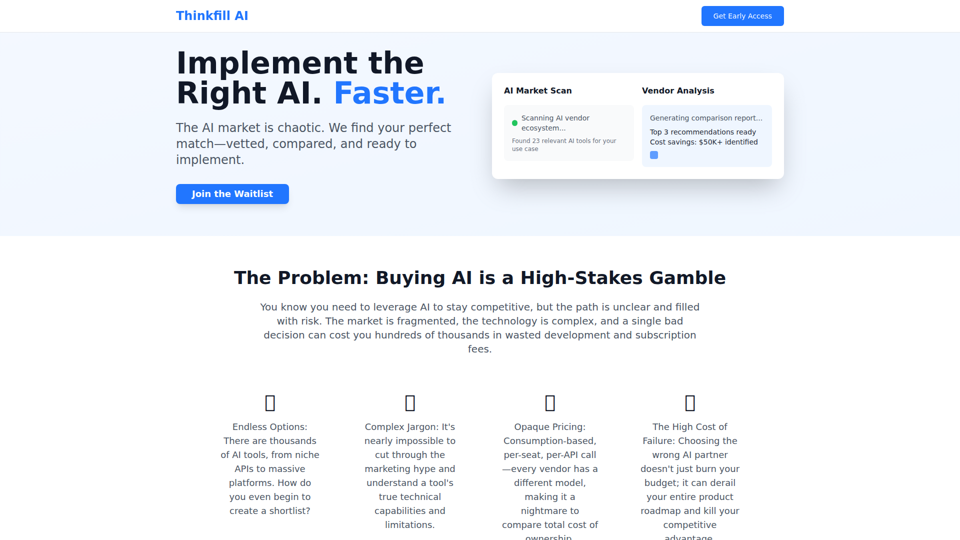
Thinkfill AI - Find Your Perfect AI Vendor
Cut through the AI chaos. We find, vet, and compare the best AI vendors for your exact needs. Get your Top 3 vetted recommendations in 10 days.
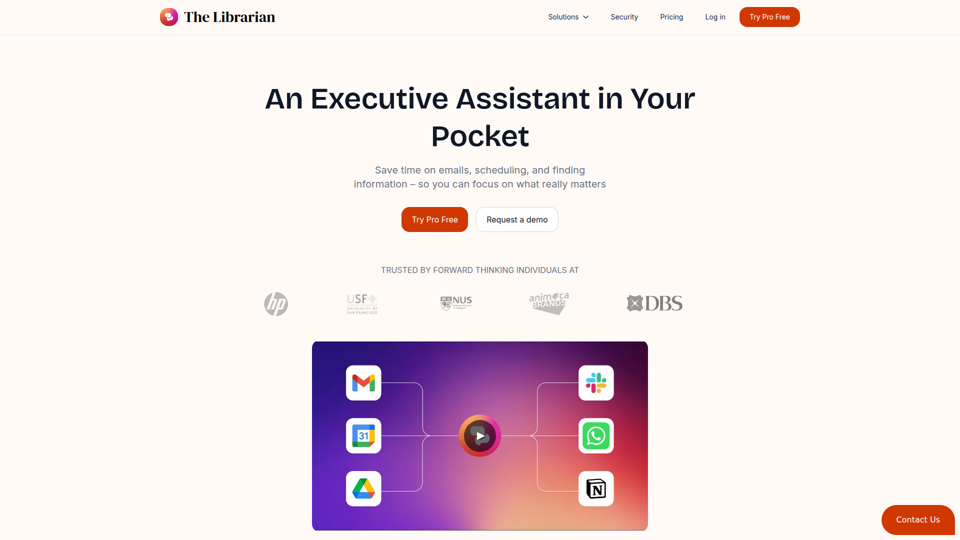
The Librarian - Supercharge your day with your own AI personal assistant
The Librarian is an AI personal assistant for busy Google Workspace professionals, helping them draft and summarize emails, manage calendars, and find documents across tools like Gmail, Google Calendar, and Drive. For executives, founders, and other time-constrained knowledge workers, it can reduce routine coordination and information retrieval work so they can focus more on decisions and priorities.
Wordware
Wordware is an AI context lab whose main product, Sauna, is an intelligent workspace and AI assistant that helps users reclaim deep work by handling busywork, learning their preferences, spotting patterns, and anticipating next steps, aimed mainly at knowledge workers. In AI-driven workflows, tools like Sauna can help professionals such as operators, founders, designers, and engineers preserve context across tasks so they can make faster, more informed decisions.
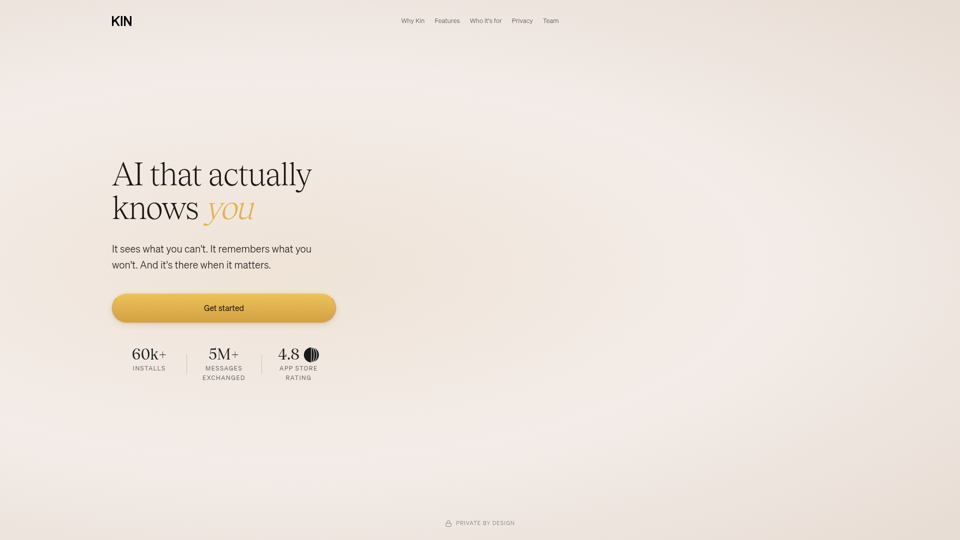
AI that actually knows you
Kin is a privacy-focused personal AI assistant and reflective coaching app that remembers context across conversations to help users think clearly, navigate decisions, and organize their lives, especially leaders, founders, parents, athletes, and neurodivergent people. In AI-enabled knowledge work, its persistent memory and guided reflection can help decision-makers and other high-responsibility professionals spot patterns, reduce mental overload, and make more informed choices over time.
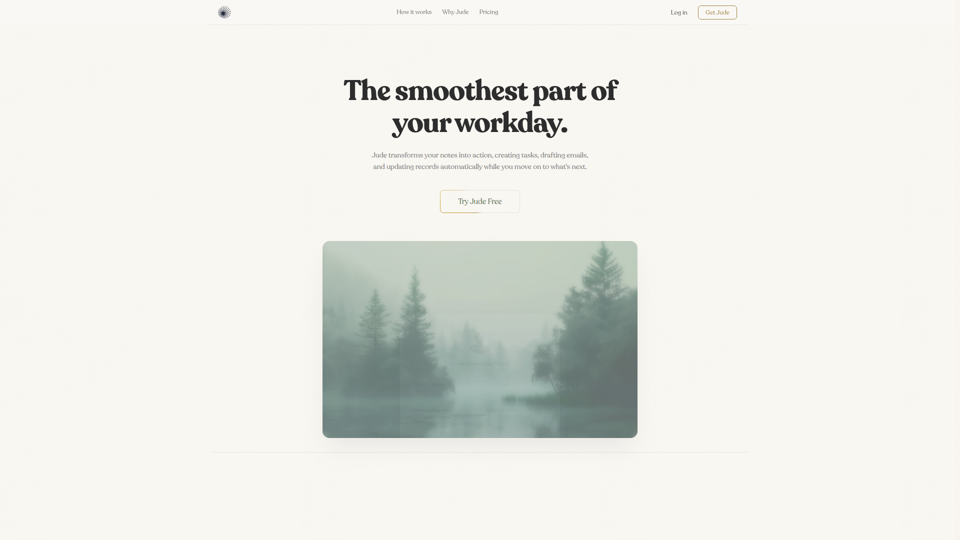
Jude | Your First Employee — AI That Runs Your Business
Jude is an AI business assistant that helps small businesses, freelancers, and solo entrepreneurs manage clients, emails, tickets, calendars, projects, and automations from one platform. For owners, operators, and client-facing teams, it can reduce admin work by turning notes and requests into tasks, drafted emails, and updated records across connected tools.
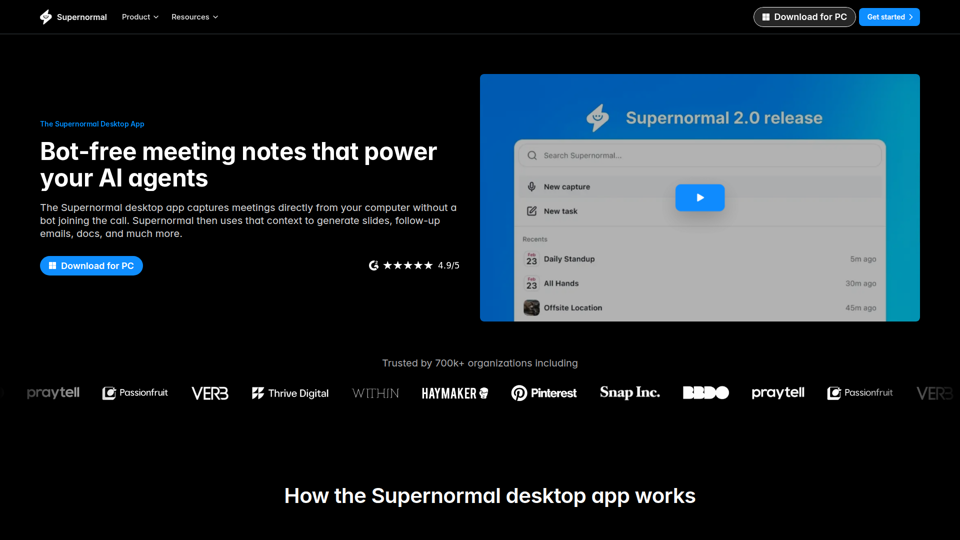
Supernormal Desktop App: AI assistant that turns meetings into work
Supernormal Desktop App is an AI meeting assistant that captures computer audio without a bot, transcribes conversations, and turns meeting context into summaries, follow-up emails, documents, slides, and other drafts for professionals who spend much of their time in meetings. For managers, client-facing teams, and operations roles, it can reduce post-meeting admin by converting discussion points into ready-to-use work outputs faster.
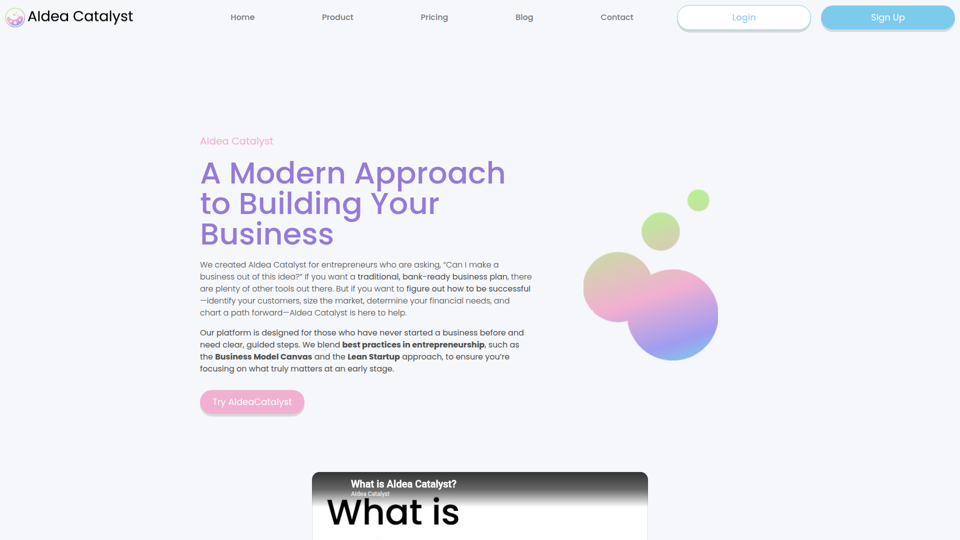
AIdea Catalyst - TAAFT
AIdea Catalyst is an AI-powered startup planning platform that helps entrepreneurs, especially first-time founders, validate ideas, analyze customers and markets, model finances, and build launch plans using guided, iterative workflows. For founders and small startup teams, this AI-assisted approach can speed early-stage decision-making by turning assumptions into testable plans instead of static business documents.

Vellum
Vellum is a desktop personal AI assistant for macOS and iOS that connects to your apps, understands your context, and helps individuals manage email, scheduling, web tasks, coding, and other actions from a single conversation. For knowledge workers, founders, and developers, it can reduce repetitive app-switching and administrative work while keeping human approval in the loop for external actions.