
AI Detector | isFake.ai - Detect AI-generated text, images, video, and audio
Rate this Tool
Average Score
Total Votes
Select your score (1-10):
Detail Information
What
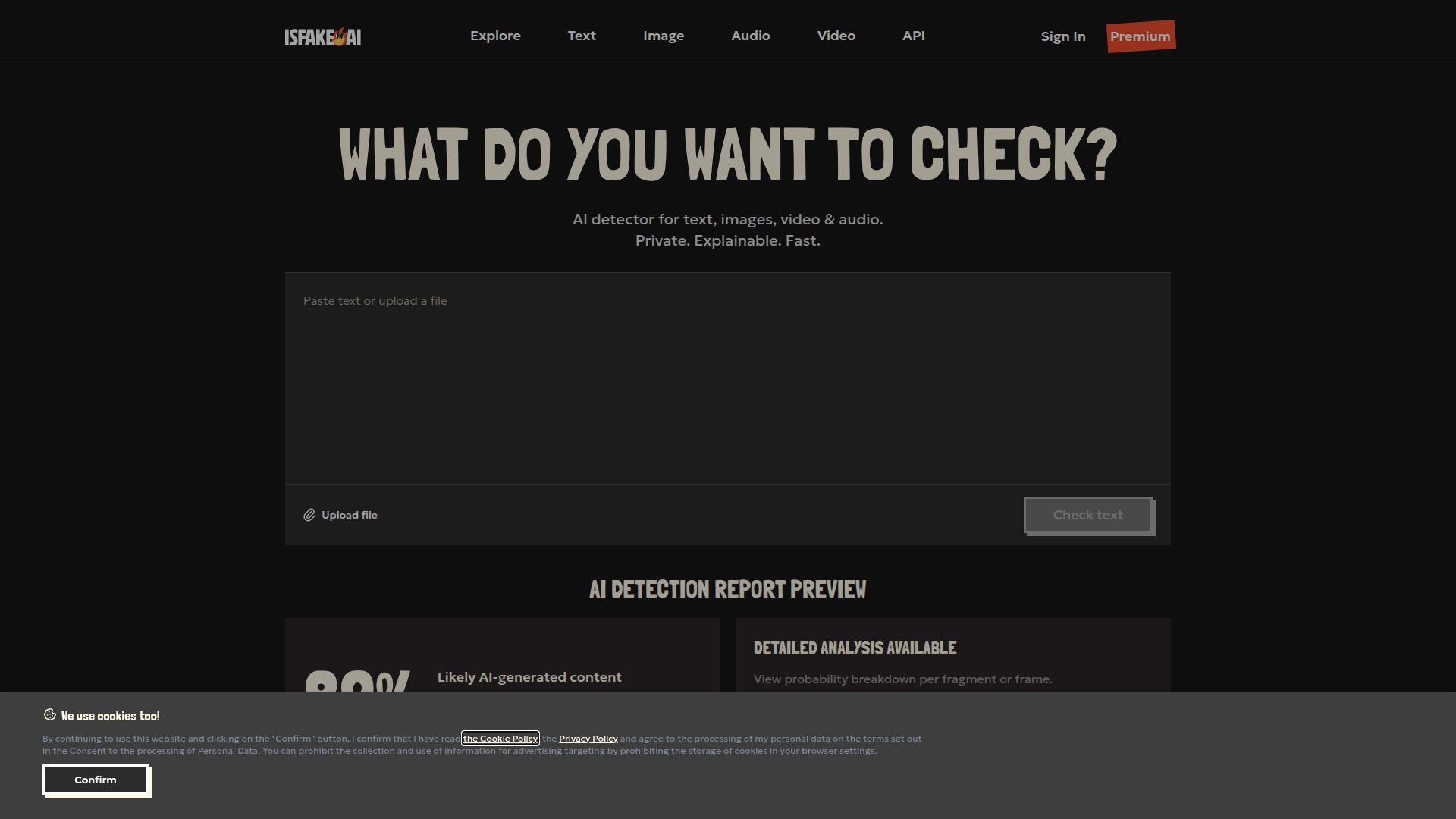
isFake.ai is a multi-modal AI detection product that checks text, images, audio, and video for signs of AI generation or manipulation. Its core workflow is simple: upload a file or paste text, let the system analyze for synthetic patterns, and review a report with confidence scores and visual evidence such as highlighted fragments, heatmaps, waveforms, and frame-level markers.
The product appears positioned as a practical authenticity-checking tool for students, educators, journalists, creators, businesses, and other users who need to assess whether content may be AI-generated. The site consistently frames results as probabilistic rather than definitive, which suggests it is meant to support human review rather than replace it.
Features
- Text AI detection — analyzes writing for linguistic and statistical patterns associated with tools like ChatGPT, Claude, and Gemini, then shows token- or paragraph-level probability signals.
- Image AI detection — evaluates images for synthetic artifacts and provides pixel-level heatmaps to indicate regions that may be AI-generated or altered.
- Video AI detection — reviews footage for deepfake indicators such as frame inconsistencies, lighting mismatches, and facial or lip-sync glitches, with timeline or frame-level analysis.
- Audio AI detection — checks MP3, WAV, and AAC files for signs of voice cloning, manipulation, or synthetic speech using waveform-based analysis.
- Explainable reporting — returns confidence scores plus visual breakdowns so users can inspect why specific fragments, frames, or regions were flagged.
- Case library and educational content — includes real-world examples, guides, and blog content that help users interpret detection outputs and understand common deepfake scenarios.
Helpful Tips
- Treat outputs as risk signals, not proof — the site explicitly says detection is probabilistic and not a confirmation of authorship or intent.
- Use stronger review standards for edge cases — heavily edited AI content, mixed human-AI rewriting, short text samples, and low-resolution video are listed as limitations.
- Favor human review for consequential decisions — in education, journalism, or investigations, combine detector results with source checks, metadata, and contextual verification.
- Look for explainability, not just a top-line score — tools that show paragraph, token, frame, or waveform evidence are generally more useful for auditability than tools that only output a percentage.
- Match the detector to the media type — organizations dealing with multiple content formats may benefit from a unified workflow, but should still validate performance separately for text, image, audio, and video use cases.
OpenClaw Skills
Within an OpenClaw ecosystem, isFake.ai could likely serve as an evidence layer inside content verification and trust workflows. A likely use case would be an OpenClaw agent that ingests user-submitted media, routes each file to the relevant detector, summarizes the reported confidence and highlighted evidence, and prepares a review brief for moderators, editors, teachers, or investigators. The site mentions an API in navigation, but the provided content does not describe its capabilities, so any automation scenario should be treated as a likely integration path rather than a confirmed native workflow.
OpenClaw skills built around this product could include newsroom verification agents, academic integrity triage assistants, social media deepfake review pipelines, and enterprise media screening workflows. In practice, that combination could help professionals move from manual spot-checking to structured authenticity review: one agent could classify media type, another could extract evidence from detector outputs, and a third could create escalation reports for human decision-makers. For industries dealing with misinformation, reputational risk, or content authenticity, this likely improves consistency and speeds up first-pass review without removing the need for expert judgment.
Embed Code
Share this AI tool on your website or blog by copying and pasting the code below. The embedded widget will automatically update with the latest information.
<iframe src="https://aimyflow.com/ai/isfake-ai/embed" width="100%" height="400" frameborder="0"></iframe>
Explore Similar Tools
Home | Timio News
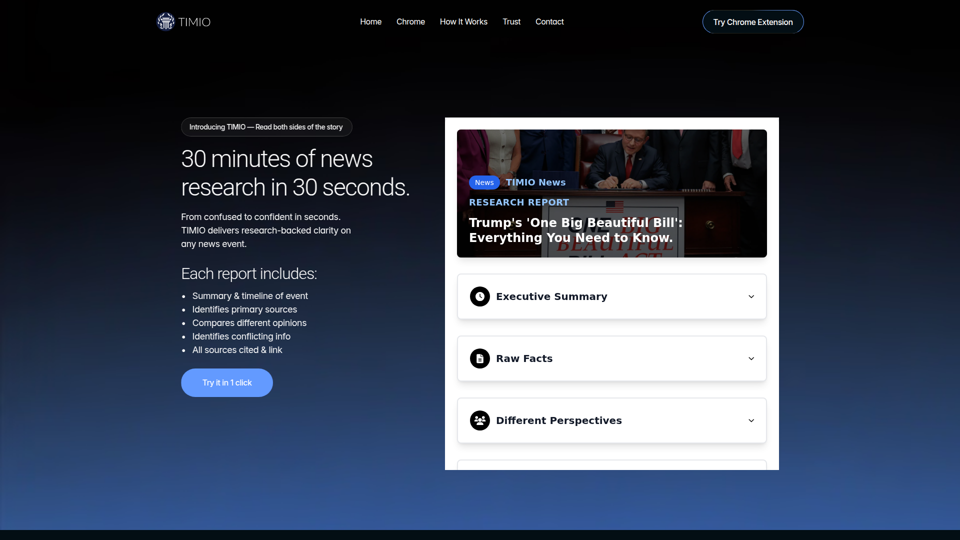
Timio News is an AI-powered news research and browser tool that helps people quickly understand major events with summaries, timelines, cited sources, bias detection, and contrasting viewpoints, mainly for readers who want clearer, more balanced news. For journalists, researchers, and knowledge workers, it can speed up source review and comparison by surfacing primary sources and conflicting information in one place.
Nourish - Smart News, Health Mind. (Formerly OneSub)
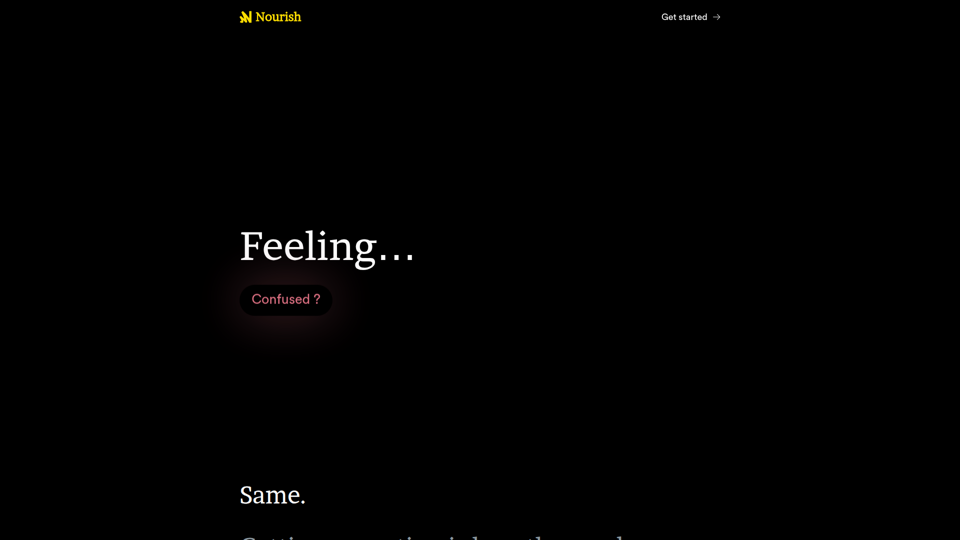
Nourish is a smart news app from OneSub that helps busy people understand major current events faster while aiming to support healthier news consumption. For journalists, analysts, and knowledge workers, this kind of AI-era news summarization can reduce information overload and speed up staying current on fast-moving topics.
d33ply — Daily AI Podcast News & Investigative Deep Dives
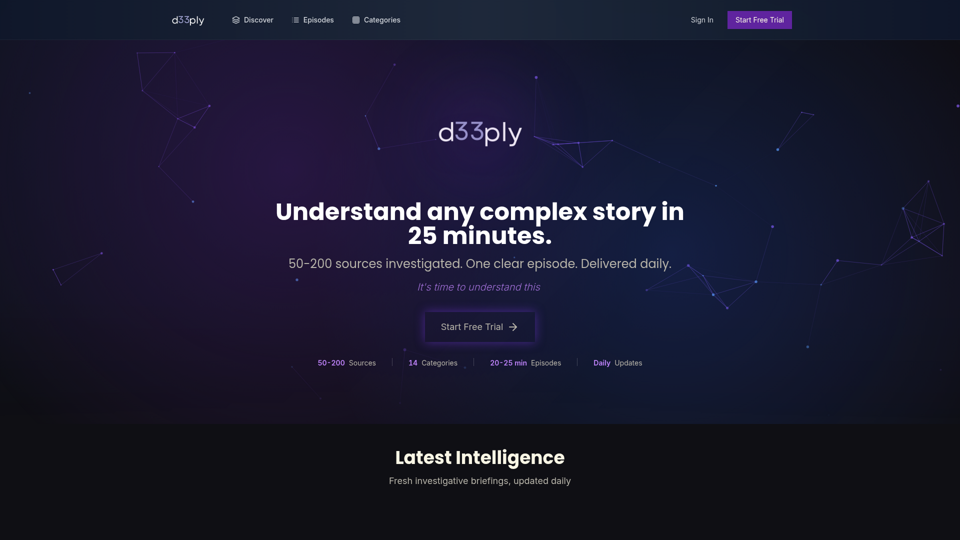
d33ply is an AI-powered podcast news platform that turns complex stories into 20–25 minute investigative audio episodes using analysis from 50–200 sources, mainly for listeners who want fast, deeper understanding across topics like geopolitics, climate, psychology, and tech. For researchers, analysts, journalists, and knowledge workers, it can speed topic briefing by condensing broad source material into structured, multi-perspective summaries they can review quickly.

Today's News
DailyScope.ai is an AI-powered news analysis tool that reviews global news coverage to surface the most covered countries, dominant themes, and emerging topics, mainly for journalists, researchers, and policy analysts. By clustering articles and highlighting sustained versus newly emerging issues, it can help news and intelligence teams prioritize monitoring and spot agenda shifts faster.

AI-Powered Latest Trends, News, and Insights from World Pulse Now
World Pulse Now is an AI-powered news aggregation and trends platform that helps people follow real-time global headlines, topic heatmaps, and personalized briefings, mainly for news readers and professionals who need a fast overview of current events. For journalists, analysts, and communications teams, it can speed monitoring and prioritization by grouping coverage and surfacing emerging stories across categories.
TLDRly - AI Summarizer for YouTube & Websites | Chrome Extension
TLDRly is a Chrome extension that uses AI to summarize and translate YouTube videos, webpages, and selected text, helping students, researchers, journalists, and other professionals review content faster in their browser. In AI-assisted research and information work, it can reduce time spent reading or watching source material while helping users quickly extract key points across languages.
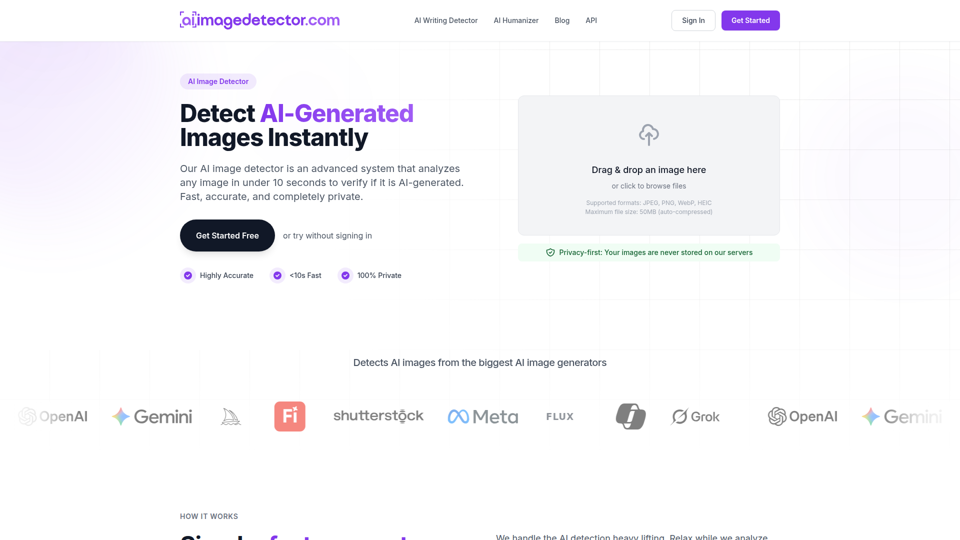
Free AI Image Detector - Detect AI Photos Instantly
AI Image Detector is a free web tool that analyzes uploaded images to estimate whether they were generated by AI, helping journalists, educators, artists, and business or legal teams verify image authenticity quickly and privately. In AI-heavy workflows, it can support verification and media review by adding a fast confidence score and explanation before images are published, submitted, or used as evidence.

Inkr | Accurate Audio Transcription & Searchable Notes
Inkr is an audio and video transcription tool that helps users create accurate, searchable transcripts and notes from recordings, mainly for students, support teams, journalists, legal and compliance staff, and other professionals who work with spoken content. In an AI-driven workflow, it can help these roles review conversations faster, find key details by search, and turn transcripts into usable notes with less manual effort.