
Ferndesk - The AI-native help center that updates itself

Rate this Tool
Average Score
Total Votes
Select your score (1-10):
Detail Information
What
Ferndesk is an AI-native help center platform for product-led companies that want customer-facing documentation to stay current with less manual effort. It combines hosted help-center publishing with an AI agent, “Fern,” that can draft, update, and optimize help content based on product and support inputs.
The product is positioned as a documentation and self-service support system that reduces the maintenance burden of knowledge bases. Its core workflow centers on creating or migrating a help center, connecting relevant sources such as codebase, support tickets, changelogs, and product videos, then using AI to generate articles, refresh stale content, add screenshots, and support customer self-service through search and AI answers.
Features
- Self-updating help center: Ferndesk provides a customizable hosted help center that its AI agent can keep in sync with product changes, reducing manual article maintenance.
- AI-written and AI-updated documentation: Fern can read sources such as codebase, support tickets, changelogs, and product videos to draft and revise help articles in a review-and-publish workflow.
- Automated screenshot generation: The platform can create annotated screenshots for docs and emphasizes keeping screenshots current as product interfaces change.
- SEO and GEO/AEO optimization: Help centers are designed to be discoverable through search engines and AI chatbots, helping customers find answers through Google, ChatGPT, and similar tools.
- Content audits and gap detection: Ferndesk scans product and support sources to identify missing, stale, or outdated content so teams can prioritize updates before issues compound.
- Migration, analytics, and feedback tools: It supports one-click migration from existing help centers, includes built-in analytics, and collects customer feedback to improve article quality over time.
Helpful Tips
- Validate source coverage early: Ferndesk’s value depends on the quality of inputs like support tickets, changelogs, and code context, so teams should confirm those sources are well organized before expecting high-quality auto-updates.
- Keep human review in the loop: Even with AI-generated updates, a review-and-publish step is important for accuracy, tone, and edge cases, especially in fast-changing or regulated product areas.
- Use audits to prioritize high-impact docs: Start by updating articles tied to frequent support issues, onboarding friction, or recent product changes rather than trying to refresh the entire help center at once.
- Treat discoverability as a content design issue: SEO and AI-answer optimization work best when article structure, terminology, and page ownership are consistent across the knowledge base.
- Check migration implications carefully: If replacing an existing knowledge base, confirm link preservation, article mapping, and content formatting during migration to protect search visibility and user continuity.
OpenClaw Skills
Ferndesk could likely fit well within the OpenClaw ecosystem as the documentation layer in broader support and product-operations workflows. A likely OpenClaw skill could monitor changelogs, issue trackers, release notes, and support conversations, then prepare structured update requests for Ferndesk so documentation stays aligned with product changes. Another likely workflow could analyze repeated customer questions, cluster them by topic, and turn those clusters into article briefs, screenshot refresh tasks, or internal knowledge-base updates.
For support, customer success, and product marketing teams, this combination could shift documentation from a periodic writing task into a continuous operational system. An OpenClaw agent could likely orchestrate handoffs between product releases, help-center revisions, embedded self-service widgets, and internal support guidance, creating a more synchronized support stack. The page does not confirm native OpenClaw integration, so these are inferred use cases rather than stated product capabilities.
Embed Code
Share this AI tool on your website or blog by copying and pasting the code below. The embedded widget will automatically update with the latest information.
<iframe src="https://aimyflow.com/ai/ferndesk-com/embed" width="100%" height="400" frameborder="0"></iframe>
Explore Similar Tools

Poly: The Intelligent Cloud File Browser
Poly is an AI-powered cloud file browser and hosting service that helps users store, search, summarize, organize, and chat about files across many formats, mainly for people managing large media, document, archive, or research collections. In AI-assisted workflows, it can help researchers, creatives, and knowledge workers find specific content inside files faster and turn scattered assets into usable notes, summaries, and references.
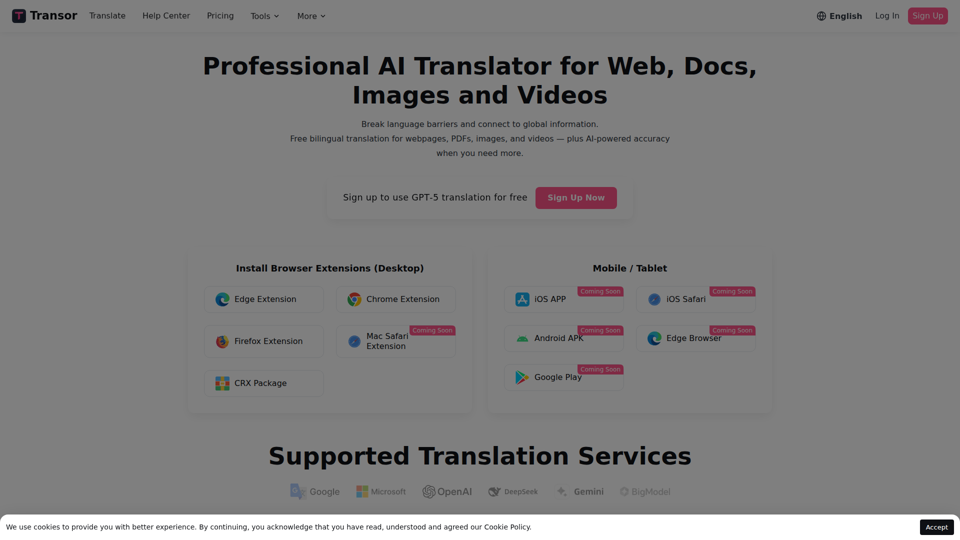
Transor – Professional AI Translator for Websites, Documents, Images & Videos
Transor is an AI translator for websites, PDFs, images, videos, and selected text that helps users read and translate multilingual content in real time, mainly for people working with foreign-language information such as researchers, professionals, and multilingual web users. In AI-assisted workflows, its bilingual reading and subtitle features can help knowledge workers review global sources faster while preserving original context.
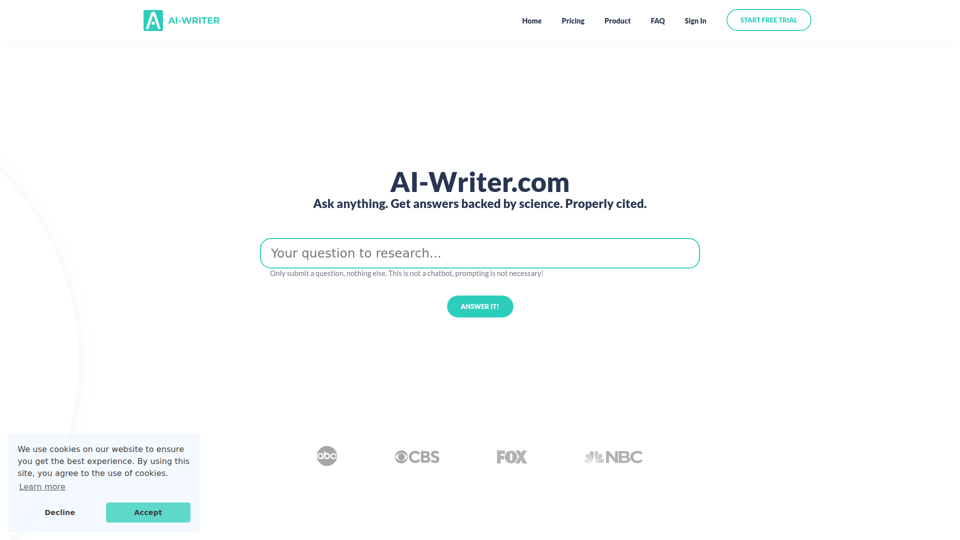
AI-Writer.com - Ask anything. Get answers backed by science.
AI-Writer.com is an AI research and writing tool that answers questions using scientific literature with verifiable citations and bibliography support, mainly for academics, researchers, and industry users who need trusted source-backed writing. In AI-assisted research workflows, it can help researchers, analysts, and technical writers work faster while checking claims against exact papers and source paragraphs.
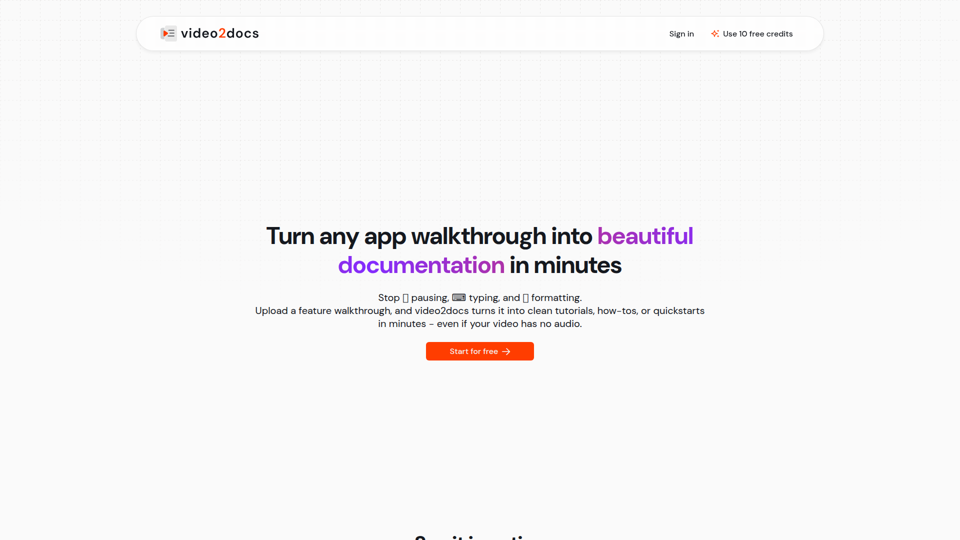
video2docs | video to documentation in minutes
video2docs is an AI documentation tool that turns app walkthrough and screen-recording videos into structured tutorials, how-to guides, and quickstarts, mainly for product teams and software companies that need faster documentation. In AI-assisted workflows, it can help product marketers, technical writers, and customer education teams reduce manual screenshotting and drafting by generating editable docs directly from visual product demos.

Vidocu - Transform Videos into Tutorials & Documentation with AI
Vidocu is an AI video-to-documentation platform that helps teams turn screen recordings, demos, tutorials, and webinars into subtitles, voiceovers, translated versions, and step-by-step help articles, mainly for support, training, product marketing, and sales enablement workflows. For customer support, training, and content teams, it can reduce manual post-production and make video knowledge easier to publish, localize, and reuse across help centers, blogs, and internal documentation.
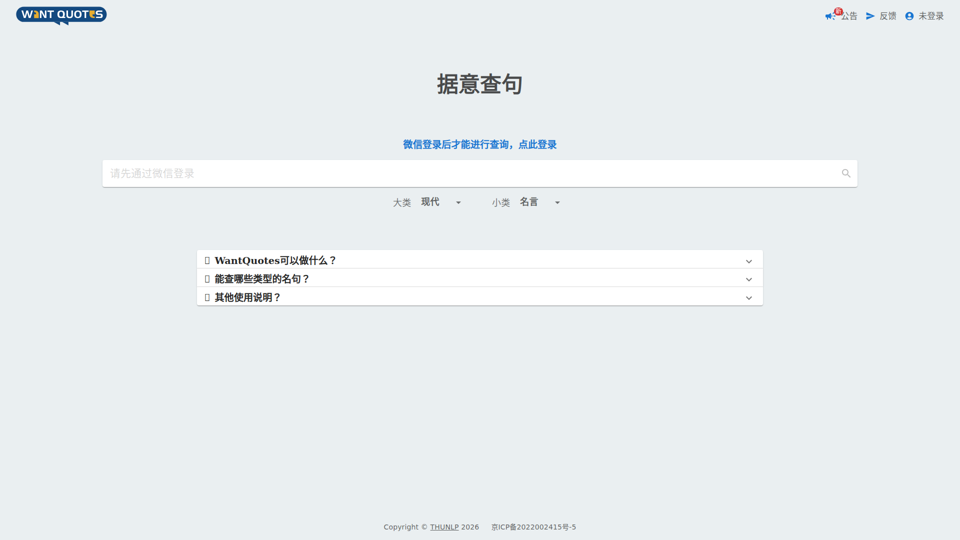
WantQuotes 据意查句
WantQuotes 据意查句 is an AI-powered Chinese quote search tool that helps users find matching sayings, poetry lines, classical passages, proverbs, and idioms by describing their meaning, mainly for Chinese readers, writers, and students. For writers, editors, and educators, it can speed up finding contextually relevant quotations when drafting, teaching, or refining Chinese-language content.
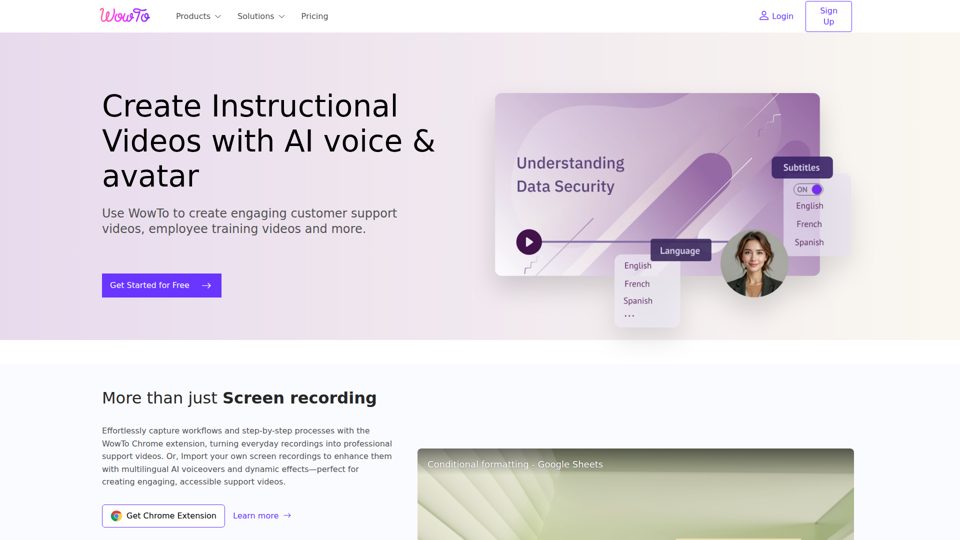
Create support videos with AI | WowTo
WowTo is an AI video creation and hosting platform that helps teams produce step-by-step support, training, and instructional videos, mainly for customer support, training, and education teams. In AI-enabled workflows, it can help support and enablement professionals turn screen recordings, PDFs, and presentations into multilingual video knowledge bases that are easier to update and deliver inside help centers or apps.
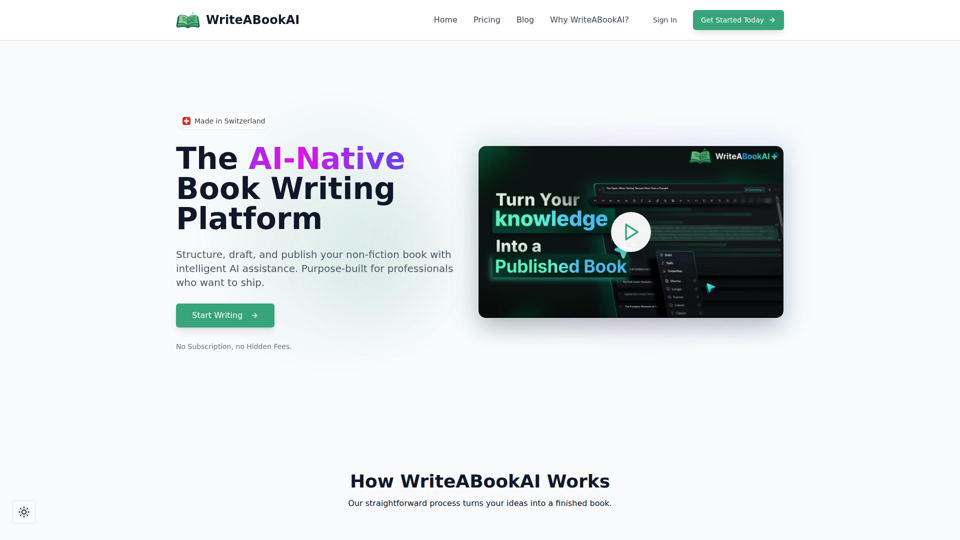
WriteABookAI - The AI-Native Book Writing Platform
WriteABookAI is an AI-native platform for planning, drafting, rewriting, and exporting non-fiction books, built mainly for consultants, executives, researchers, coaches, and other subject-matter experts. For professionals focused on thought leadership, it can speed up turning expertise into publishable book content while keeping the author in control of structure, wording, and final output.