
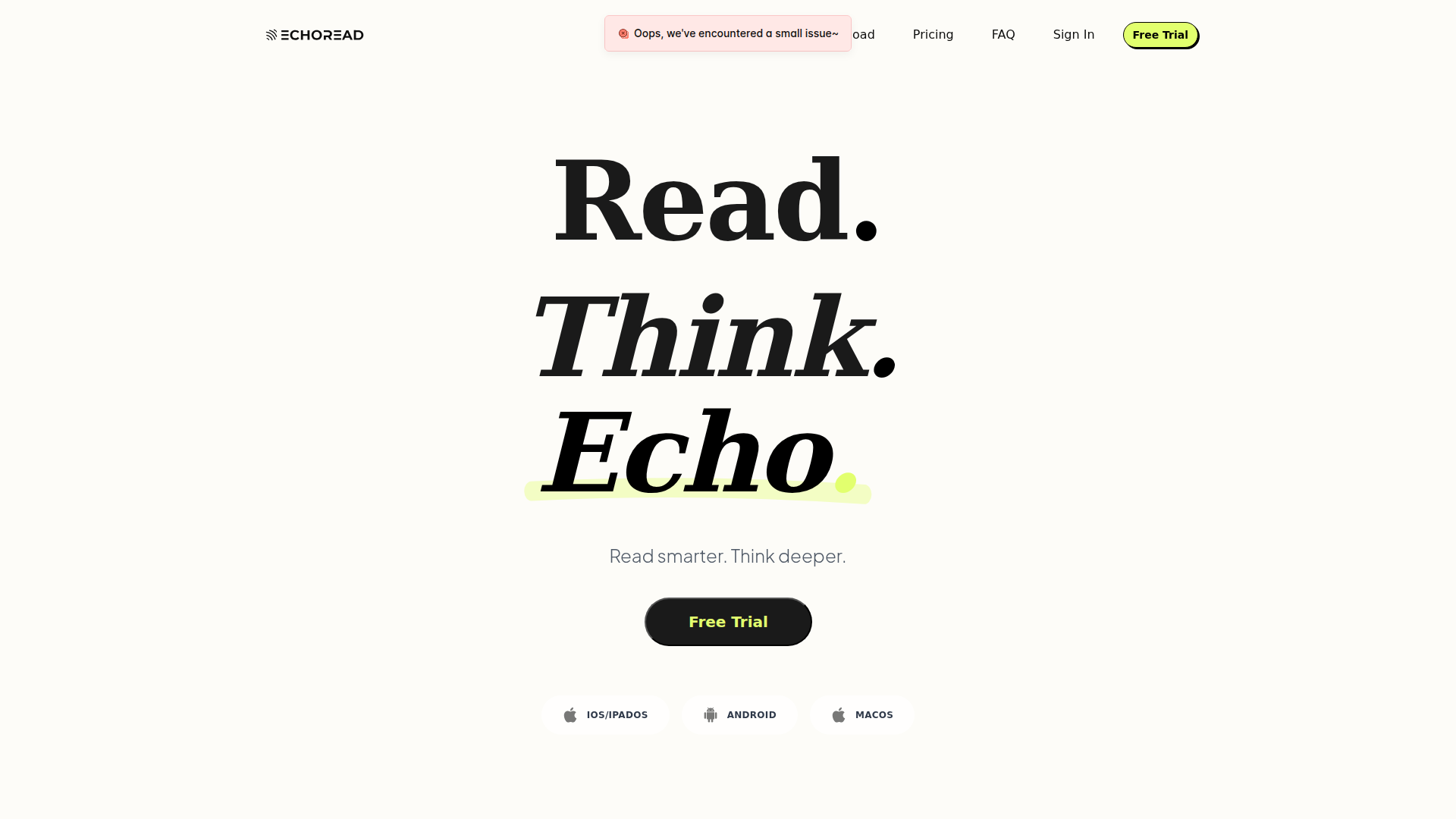
EchoRead - AI Reading Companion
Rate this Tool
Average Score
Total Votes
Select your score (1-10):
Detail Information
What
EchoRead is an AI reading companion designed to help people turn reading notes and highlights into more structured, usable knowledge. It appears aimed at learners, knowledge workers, and people who want to retain, connect, and reuse insights from books and other reading materials in daily work or personal development.
The core workflow centers on consolidating highlights and notes from sources such as Kindle, WeRead, and PDFs, then reorganizing them with AI into mind maps, summaries, question-based exploration, and learning modules. Based on the page, EchoRead is positioned less as a reading app and more as a note consolidation, reflection, and knowledge-development layer built around reading.
Features
- Note consolidation with one-click sync — Syncs notes from sources including Kindle, WeRead, and PDFs so reading highlights are gathered into one place instead of remaining fragmented.
- Mind map presentation — Organizes synced notes visually as mind maps to make relationships and knowledge structure easier to understand at a glance.
- Personalized book podcast generation — Extracts key points and user thoughts from notes to create a conversational podcast-style review for faster revisiting of book content.
- Feynman-style learning modules — Uses AI with approaches such as Concept Learning, Quiz Me, and Reading Buddy to reinforce understanding and make concepts easier to explain and remember.
- Context-aware AI Q&A — Completes context from the user’s knowledge base to improve answer relevance when exploring concepts or asking questions about a book.
- Knowledge connection and note export — Surfaces related notes through semantic matching, provides summaries and card-note capture, and supports consolidating and exporting notes locally.
Helpful Tips
- Verify source coverage for your reading stack — The page mentions Kindle, WeRead, and PDF support, but if your team depends on other reading platforms, confirm actual import compatibility before standardizing on it.
- Use it as a post-reading workflow, not a replacement for reading — The product itself states it is not a reader and not a substitute for thinking, so adoption works best when paired with an existing reading habit.
- Assess output quality on your own material — Features like AI Q&A, summaries, and podcast generation are useful only if they preserve nuance from your notes, so pilot with complex books rather than simple content.
- Define a knowledge structure early — EchoRead emphasizes connected, structured wisdom, so results will likely improve when users consistently tag, review, and refine notes instead of only importing highlights.
- Check quota, points, and data handling details — The page references quotas, points, free trial, and data safety in the FAQ, but does not provide those details in the visible content, so review them carefully during evaluation.
OpenClaw Skills
EchoRead could likely fit well into the OpenClaw ecosystem as a reading-intelligence and knowledge-refinement layer. Likely OpenClaw skills could include automatic ingestion of exported notes, agent-based clustering of themes across books, and workflow agents that turn reading output into structured briefs, study plans, team memos, or reusable knowledge cards. Since the page mentions local export and AI-generated summaries, podcasts, and Q&A, an OpenClaw workflow could plausibly extend those outputs into broader downstream work, though no native OpenClaw integration is stated.
For professionals such as researchers, educators, consultants, founders, or content teams, this combination could shift reading from a mostly private activity into a repeatable knowledge operation. Likely use cases include an agent that compares ideas across multiple books, a coaching workflow that converts Feynman-style learning into spaced review tasks, or a publishing assistant that turns book insights into internal learning assets. In practice, that would make EchoRead not just a note organizer but a potential upstream signal source for OpenClaw agents focused on synthesis, reflection, and applied learning.
Embed Code
Share this AI tool on your website or blog by copying and pasting the code below. The embedded widget will automatically update with the latest information.
<iframe src="https://aimyflow.com/ai/echoread-co/embed" width="100%" height="400" frameborder="0"></iframe>
Explore Similar Tools

Poly: The Intelligent Cloud File Browser
Poly is an AI-powered cloud file browser and hosting service that helps users store, search, summarize, organize, and chat about files across many formats, mainly for people managing large media, document, archive, or research collections. In AI-assisted workflows, it can help researchers, creatives, and knowledge workers find specific content inside files faster and turn scattered assets into usable notes, summaries, and references.
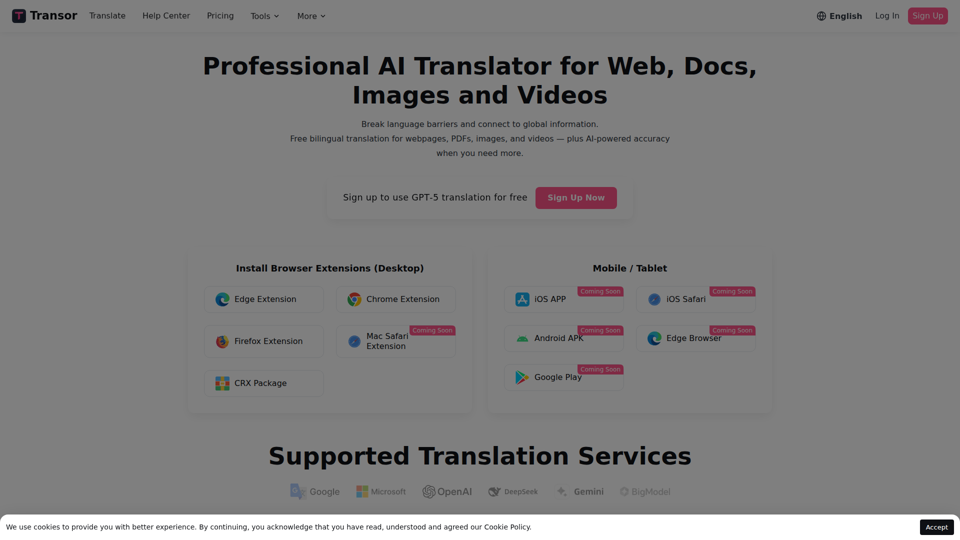
Transor – Professional AI Translator for Websites, Documents, Images & Videos
Transor is an AI translator for websites, PDFs, images, videos, and selected text that helps users read and translate multilingual content in real time, mainly for people working with foreign-language information such as researchers, professionals, and multilingual web users. In AI-assisted workflows, its bilingual reading and subtitle features can help knowledge workers review global sources faster while preserving original context.
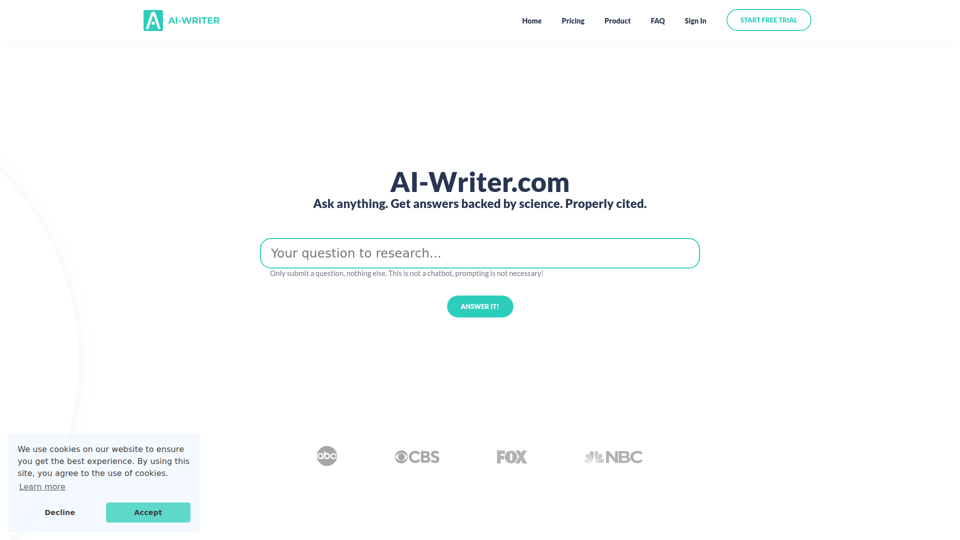
AI-Writer.com - Ask anything. Get answers backed by science.
AI-Writer.com is an AI research and writing tool that answers questions using scientific literature with verifiable citations and bibliography support, mainly for academics, researchers, and industry users who need trusted source-backed writing. In AI-assisted research workflows, it can help researchers, analysts, and technical writers work faster while checking claims against exact papers and source paragraphs.
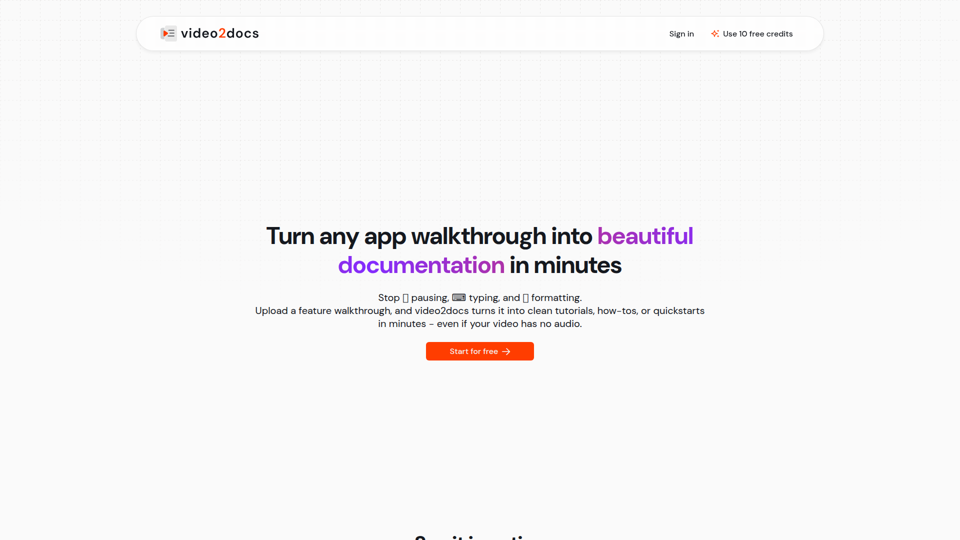
video2docs | video to documentation in minutes
video2docs is an AI documentation tool that turns app walkthrough and screen-recording videos into structured tutorials, how-to guides, and quickstarts, mainly for product teams and software companies that need faster documentation. In AI-assisted workflows, it can help product marketers, technical writers, and customer education teams reduce manual screenshotting and drafting by generating editable docs directly from visual product demos.
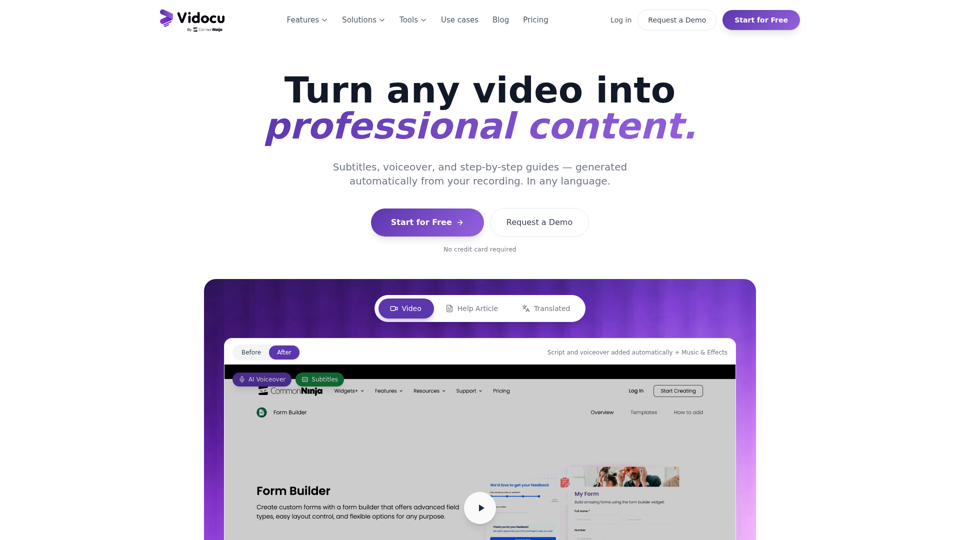
Vidocu - Transform Videos into Tutorials & Documentation with AI
Vidocu is an AI video-to-documentation platform that helps teams turn screen recordings, demos, tutorials, and webinars into subtitles, voiceovers, translated versions, and step-by-step help articles, mainly for support, training, product marketing, and sales enablement workflows. For customer support, training, and content teams, it can reduce manual post-production and make video knowledge easier to publish, localize, and reuse across help centers, blogs, and internal documentation.
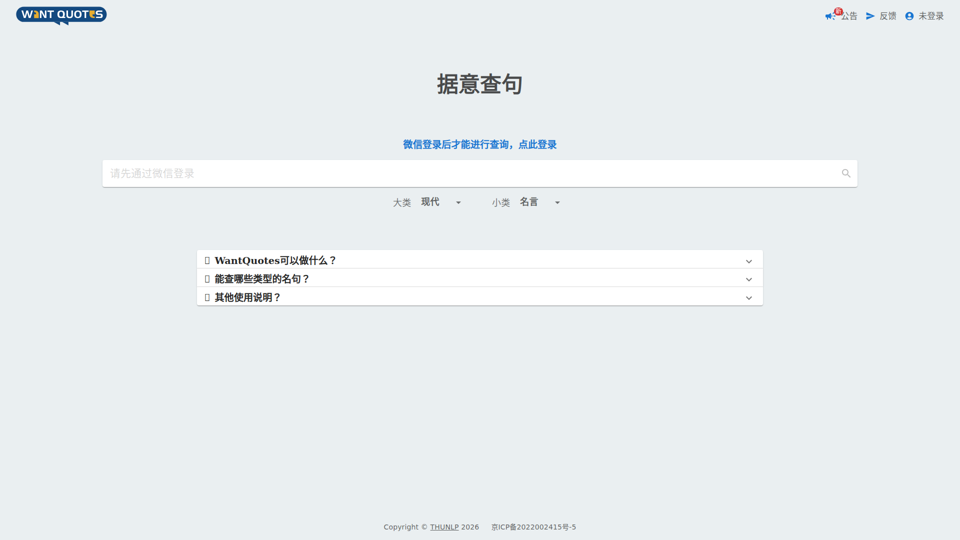
WantQuotes 据意查句
WantQuotes 据意查句 is an AI-powered Chinese quote search tool that helps users find matching sayings, poetry lines, classical passages, proverbs, and idioms by describing their meaning, mainly for Chinese readers, writers, and students. For writers, editors, and educators, it can speed up finding contextually relevant quotations when drafting, teaching, or refining Chinese-language content.
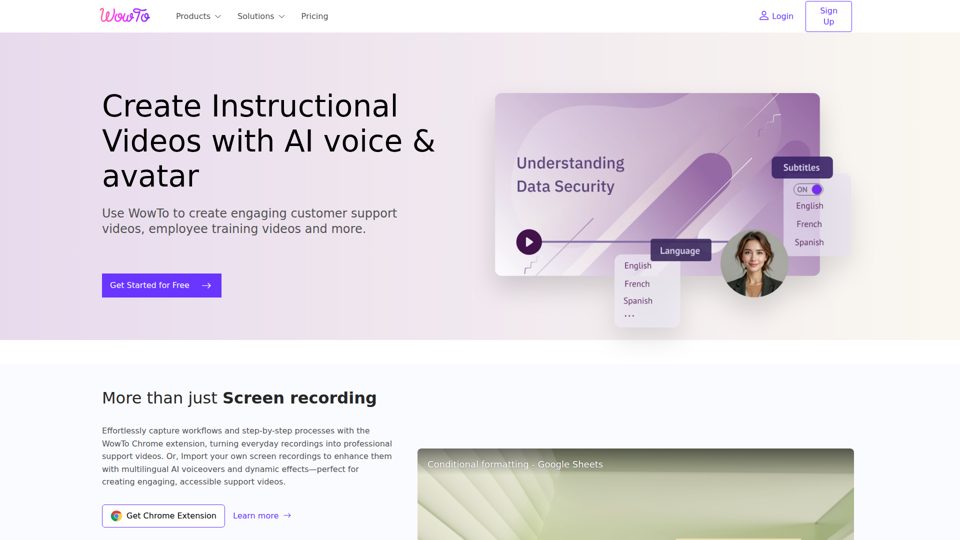
Create support videos with AI | WowTo
WowTo is an AI video creation and hosting platform that helps teams produce step-by-step support, training, and instructional videos, mainly for customer support, training, and education teams. In AI-enabled workflows, it can help support and enablement professionals turn screen recordings, PDFs, and presentations into multilingual video knowledge bases that are easier to update and deliver inside help centers or apps.
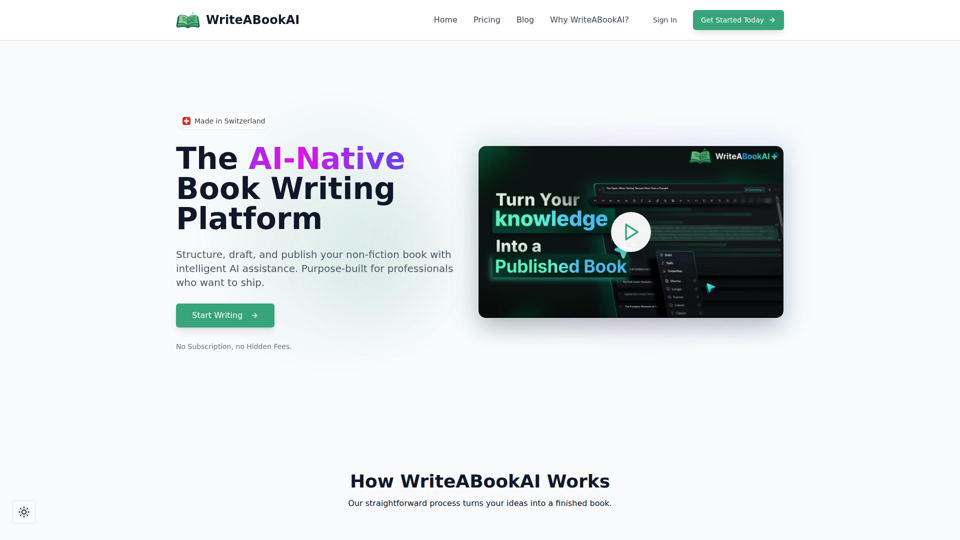
WriteABookAI - The AI-Native Book Writing Platform
WriteABookAI is an AI-native platform for planning, drafting, rewriting, and exporting non-fiction books, built mainly for consultants, executives, researchers, coaches, and other subject-matter experts. For professionals focused on thought leadership, it can speed up turning expertise into publishable book content while keeping the author in control of structure, wording, and final output.