
AutoCoder - AI Mobile App & Website Builder | No Code
Rate this Tool
Average Score
Total Votes
Select your score (1-10):
Detail Information
What
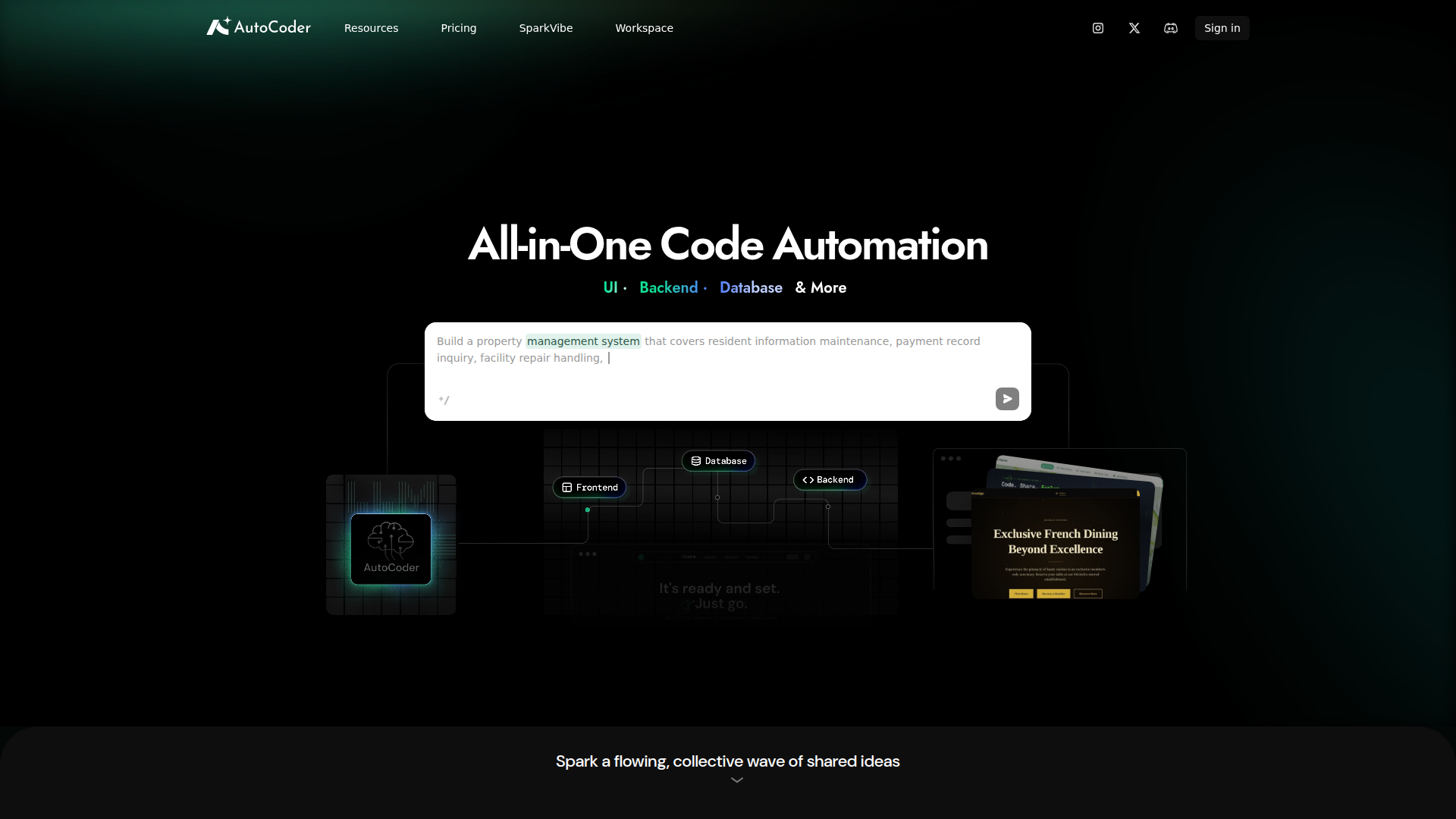
AutoCoder is an AI-based app and website builder positioned as an all-in-one no-code platform for creating software products across UI, backend, database, and related components. The site presents it as a way to build mobile apps, web apps, websites, dashboards, CMS tools, e-commerce projects, CRM systems, prototypes, and other business software from a single workspace.
It appears to serve founders, operators, and teams that want to move from idea to working software without traditional hand-coding. Its core workflow is centered on describing what needs to be built, using templates or examples for direction, and relying on an AI “team” that includes product, architecture, and engineering roles to generate and organize the build process. Based on the page, it is likely positioned between a no-code builder and an AI software creation workspace.
Features
- All-in-one app building scope: The platform covers UI, backend, database, and more, which is useful for teams that want one environment rather than separate tools for front-end and system logic.
- No-code software creation: AutoCoder is presented as a no-code builder, lowering the barrier for users who need business applications or websites without writing code directly.
- AI team-based workflow: The product describes a “full AI team of PM, Architect, and Engineers,” suggesting guided software creation that helps structure requirements and implementation steps.
- Template library and project discovery: Ready-to-use templates and showcased examples across categories such as CRM, e-learning, dashboards, and mobile apps help users start from common patterns instead of a blank canvas.
- Workspace for ongoing building: The “Workspace” is framed as an AI software company environment, indicating a central place to manage builds rather than just generate one-off outputs.
- Broad project type support: The page highlights use cases from property management systems to restaurant sites and GPS delivery apps, showing that the product is aimed at both business websites and more operational software tools.
Helpful Tips
- Validate backend depth early: The site says it covers backend and database functions, but it does not specify technical depth, deployment model, or operational controls, so buyers should confirm how far generated business logic can go.
- Use templates to define scope faster: For teams new to AI builders, starting from a template usually reduces ambiguity and improves consistency compared with open-ended prompting.
- Test role clarity in the AI workflow: Since the product emphasizes an AI PM, architect, and engineer model, evaluate whether those roles produce outputs your team can review, edit, and govern effectively.
- Map projects by complexity tier: Simple landing pages and portfolios are different from systems like HRMS or property management, so adoption should begin with a clear assessment of workflow complexity and data requirements.
- Check handoff and maintainability: The page does not explain exportability, code ownership, or long-term maintenance, so this is an important decision point for teams building core operational software.
OpenClaw Skills
AutoCoder could likely work well inside the OpenClaw ecosystem as a software-generation endpoint in larger business workflows. An OpenClaw skill could collect requirements from stakeholders, turn them into structured product briefs, compare them against relevant templates, and prepare build-ready prompts for AutoCoder. Another likely workflow is an intake agent that interviews internal teams, extracts user roles and feature priorities, and then routes that specification into a repeatable app-building process.
For agencies, internal IT teams, and digital operations groups, this combination could change work from manual scoping and fragmented prototyping into a more automated delivery pipeline. Likely OpenClaw agents could include a product discovery skill, a feature-prioritization agent, a QA checklist generator, and a launch-readiness workflow wrapped around AutoCoder outputs. The source page does not confirm native integration, so this is best understood as a likely orchestration use case rather than a documented built-in connection.
Embed Code
Share this AI tool on your website or blog by copying and pasting the code below. The embedded widget will automatically update with the latest information.
<iframe src="https://aimyflow.com/ai/autocoder-cc-platform/embed" width="100%" height="400" frameborder="0"></iframe>
Explore Similar Tools
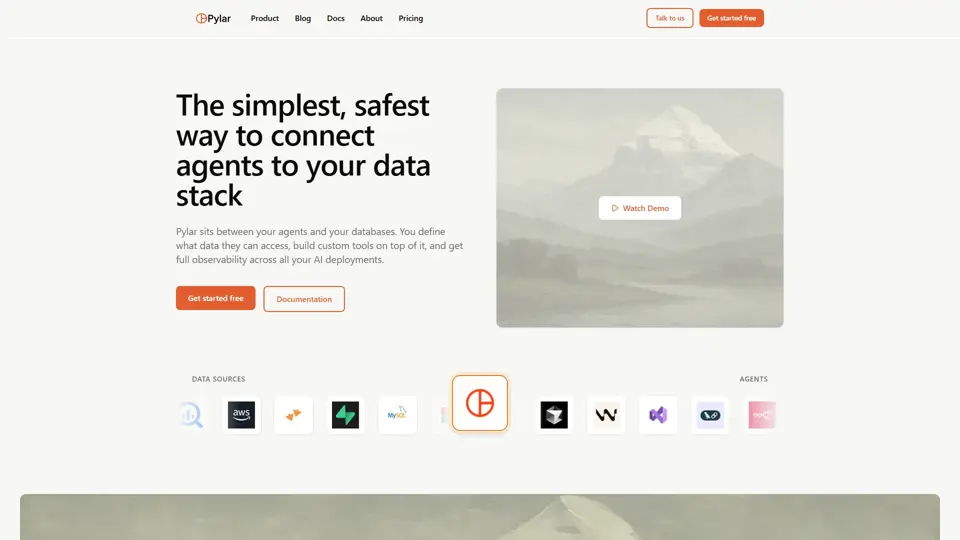
Governed Data Access for AI Agents | Secure MCP Tools
Pylar is a governed data access platform that helps users give AI agents secure access to structured data through controlled SQL views and MCP tools, mainly for data and engineering teams. It lets developers operationalize AI safely by balancing agent capability with governance and access control.
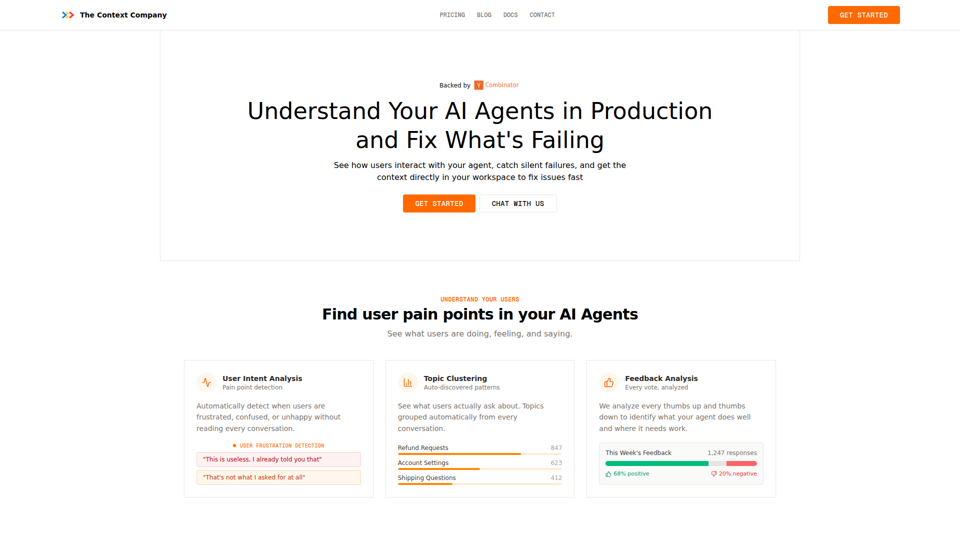
The Context Company | Understand User Behavior In Your AI Agents
The Context Company is an observability and user behavior analysis tool for AI agents that helps teams monitor production conversations, detect frustration and silent failures, cluster topics, and review feedback, mainly for developers and product teams shipping AI agents. In AI workflows, it can help engineering, support, and product functions prioritize fixes faster by surfacing hidden failure patterns and real user pain points directly from agent runs.
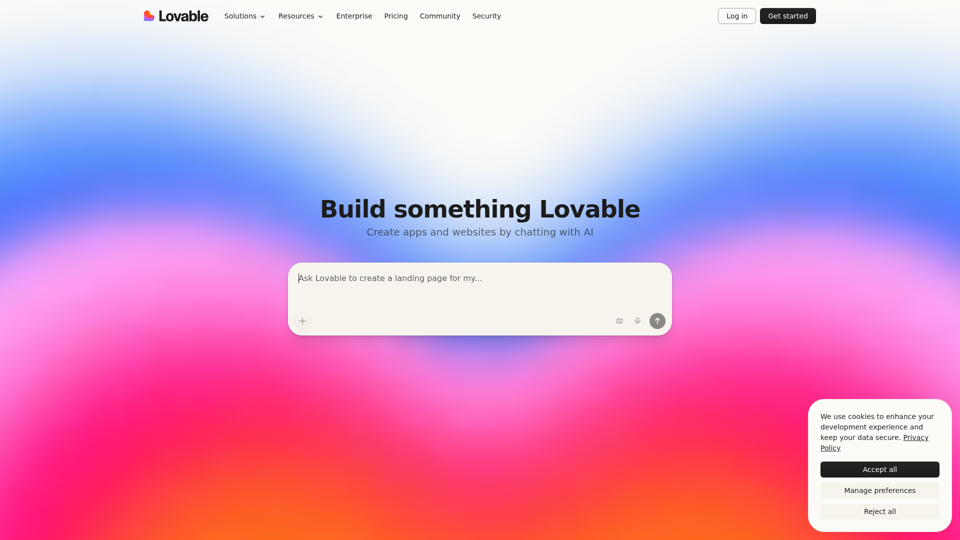
AI App Builder | Vibe Code Apps & Websites with AI, Fast
Lovable is an AI app builder that helps users create apps, websites, and digital products by describing ideas in chat, refining prototypes, and deploying them quickly, mainly for founders, product managers, designers, and marketers. In AI-driven product work, it can help these teams turn early concepts, screenshots, and feedback into working prototypes faster, reducing handoff delays between planning, design, and launch.
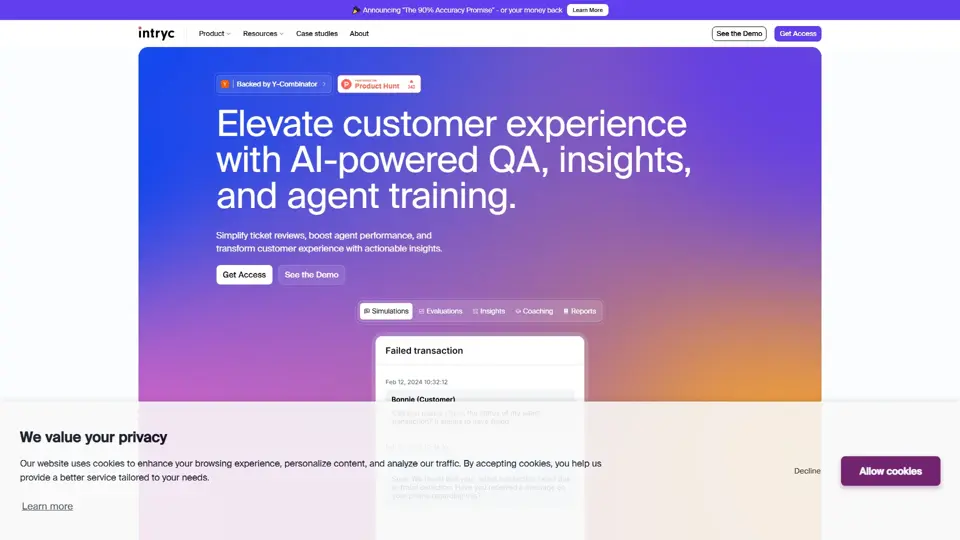
Intryc - Elevate your Customer Experience
Intryc is a customer experience platform that helps teams review support tickets, improve agent performance, and uncover actionable service insights, mainly for support and CX leaders. It gives QA and support managers a faster way to coach teams and raise service quality at scale.
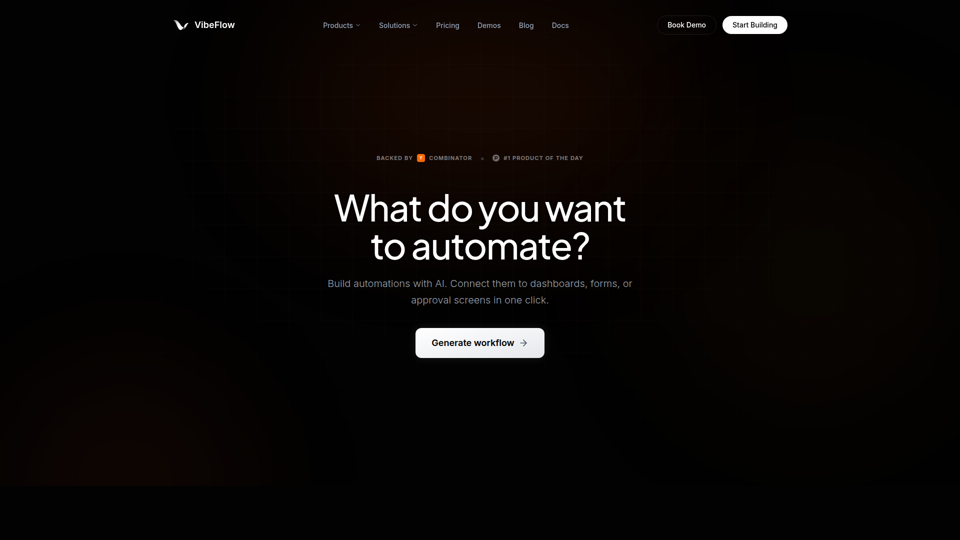
VibeFlow - AI Full-Stack App Builder with Visual Backends
VibeFlow is an AI full-stack app builder that helps users create backend automations, data pipelines, dashboards, forms, and customer-facing apps through prompts and visual workflows, mainly for developers, founders, operations teams, and non-technical teams. In AI-assisted product and operations work, its editable visual backends can help teams validate, adjust, and maintain application logic more reliably than opaque code generation alone.
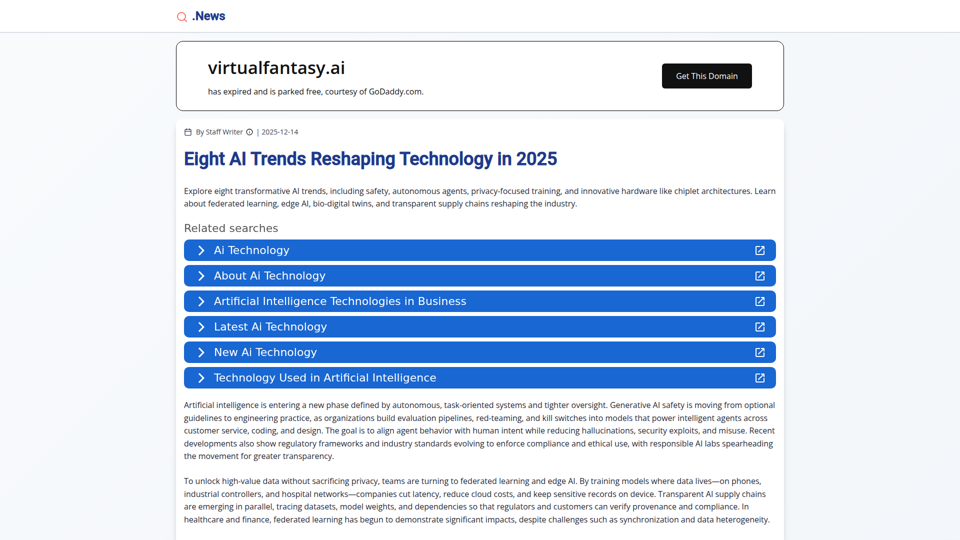
Eight AI Trends Reshaping Technology in 2025 | .News
This page is a news article outlining eight AI trends for 2025, helping technology professionals and business decision-makers understand developments such as AI safety, autonomous agents, federated learning, edge AI, and new hardware architectures. For product leaders, engineers, and compliance teams, this kind of trend overview can guide planning around safer deployment, privacy-preserving AI, and more efficient industry-specific systems.
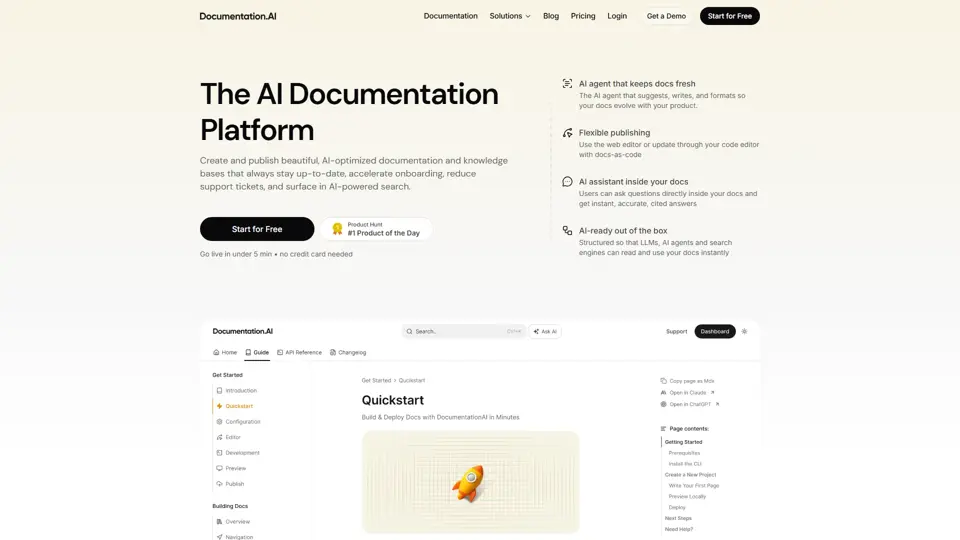
Documentation.AI – AI Documentation & Knowledge Base Software
Documentation.AI is an AI documentation and knowledge base platform that helps teams keep docs current, onboard users faster, and reduce support volume. In the AI era, it improves how support and product teams maintain institutional knowledge without constant manual rewriting.
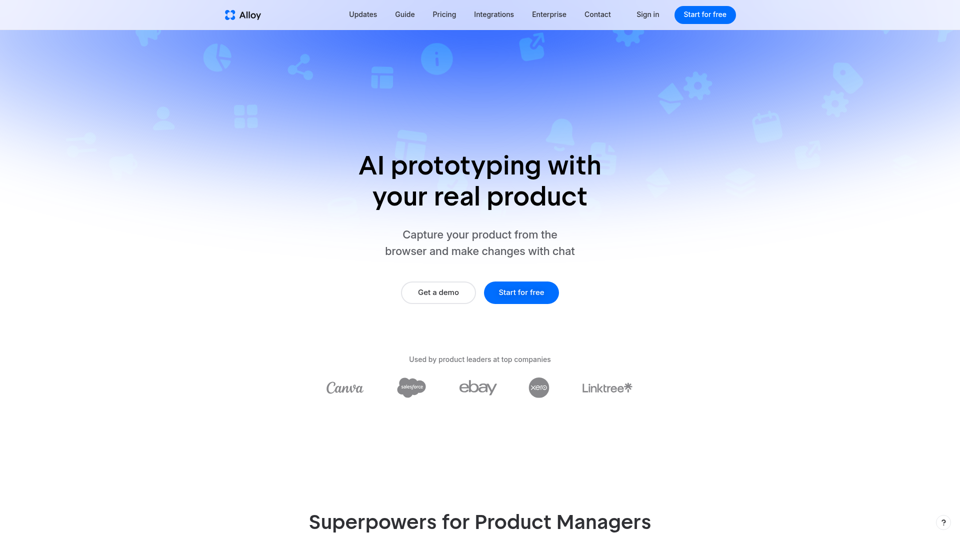
Alloy · AI prototyping with your real product
Alloy is an AI prototyping tool that captures pages from a real web app and lets product managers create interactive, on-brand prototypes with chat, mainly for professional product teams. By turning product ideas, customer requests, and team feedback into realistic prototypes quickly, it can help product managers and designers align faster and reduce time spent on manual mockups.