
Arcanon — AI Deliberation Engine

Rate this Tool
Average Score
Total Votes
Select your score (1-10):
Detail Information
What
Arcanon is an AI deliberation engine designed to help people think through difficult decisions by surfacing blind spots, risks, assumptions, and next steps. Instead of giving a single direct answer, it frames a decision as a structured debate using historical philosopher perspectives and different reasoning frameworks.
The product appears suited to founders, operators, managers, and other professionals facing ambiguous tradeoffs such as budget cuts, exclusivity demands, competitive moves, or stalled monetization. Its positioning is likely as a decision-support tool for higher-stakes business judgment, especially when users want clearer thinking rather than generic conversational advice.
Features
- Deliberation workflow: Users enter a decision prompt and receive a structured deliberation process rather than a simple one-shot answer.
- Multi-framework debate: The system stages four rounds of analysis from different philosophical perspectives to expose competing lines of reasoning.
- Blind spot and risk detection: It identifies overlooked risks and hidden issues, which is useful when decisions feel directionally clear but may contain unseen downside.
- Assumption testing: The product explicitly questions underlying premises, helping users challenge the framing of the problem itself.
- Action-oriented output: In addition to analysis, it provides what to do next, suggesting practical follow-through rather than abstract reflection alone.
- Fast, low-friction access: The site states that users can try it without an account and receive results in about three minutes, which lowers the barrier to testing decisions quickly.
Helpful Tips
- Use it for ambiguous decisions, not factual lookup: This kind of tool is most useful when the main challenge is judgment, tradeoff evaluation, or framing rather than data retrieval.
- Write the prompt with constraints and stakes: Include context, options, risks, timing, and what makes the decision hard to improve the quality of the deliberation.
- Treat outputs as structured critique, not final truth: A deliberation engine can sharpen reasoning, but sensitive decisions still need domain knowledge, stakeholder input, and real-world evidence.
- Compare multiple prompt framings: Re-running the same issue from different angles can reveal whether the tool is finding robust blind spots or just reacting to wording.
- Assess fit by team workflow: Buyers should evaluate whether the product is best for solo decision support, manager coaching, or structured strategic reviews, since the page does not specify collaboration features.
OpenClaw Skills
Arcanon could fit well into the OpenClaw ecosystem as a reasoning layer for decision-centered workflows. Likely use cases include an OpenClaw skill that collects a business dilemma, organizes the relevant context, sends it into a deliberation workflow, and returns a summary of risks, assumptions, and near-term actions. Another likely workflow would chain Arcanon-style outputs into meeting prep, strategic memos, or executive briefing agents.
For founders, product leaders, and strategy teams, this combination could shift AI from answer generation toward disciplined judgment support. OpenClaw agents could plausibly use Arcanon outputs to trigger follow-up skills such as scenario planning, risk register creation, stakeholder communication drafts, or action-plan tracking. The source page does not confirm any native OpenClaw integration, so these should be viewed as likely ecosystem applications rather than supported product features.
Embed Code
Share this AI tool on your website or blog by copying and pasting the code below. The embedded widget will automatically update with the latest information.
<iframe src="https://aimyflow.com/ai/arcanon-ai-vercel-app/embed" width="100%" height="400" frameborder="0"></iframe>
Explore Similar Tools
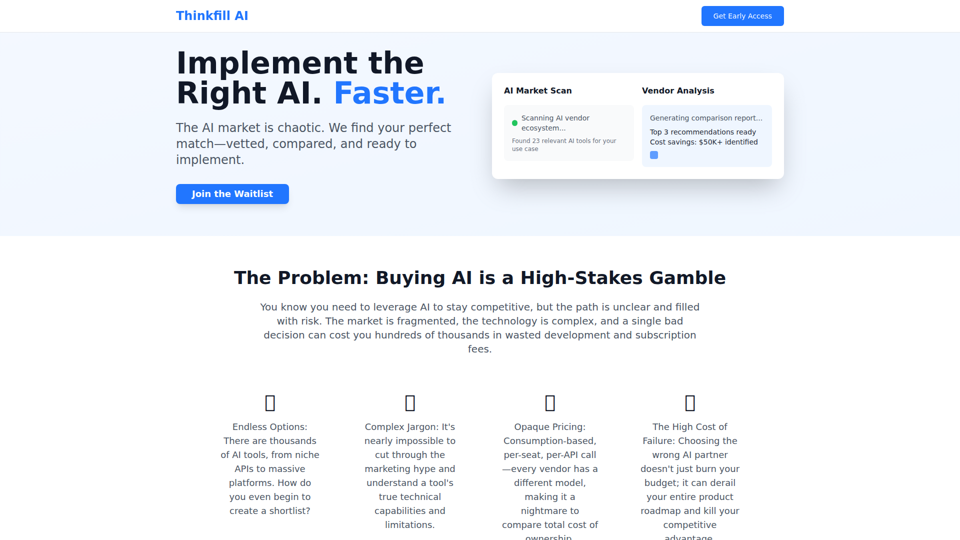
Thinkfill AI - Find Your Perfect AI Vendor
Cut through the AI chaos. We find, vet, and compare the best AI vendors for your exact needs. Get your Top 3 vetted recommendations in 10 days.
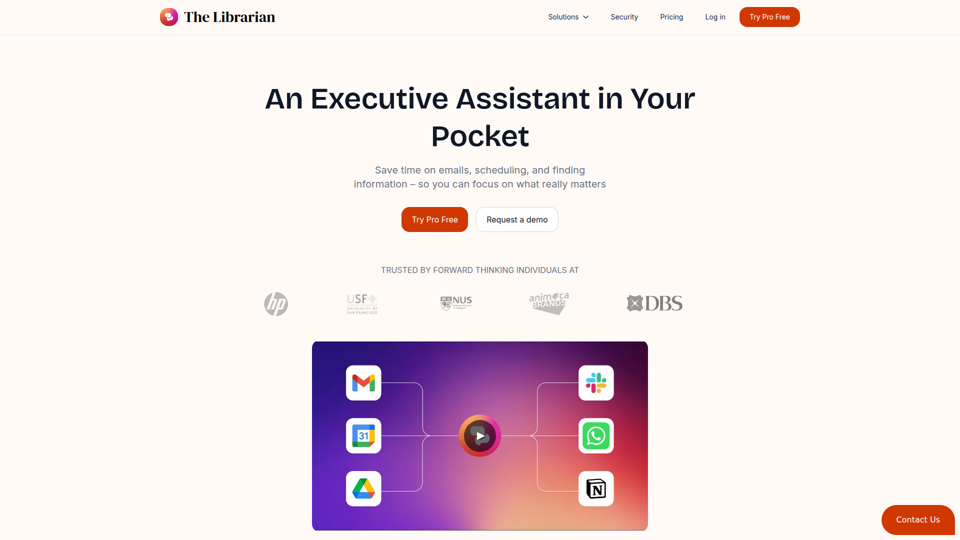
The Librarian - Supercharge your day with your own AI personal assistant
The Librarian is an AI personal assistant for busy Google Workspace professionals, helping them draft and summarize emails, manage calendars, and find documents across tools like Gmail, Google Calendar, and Drive. For executives, founders, and other time-constrained knowledge workers, it can reduce routine coordination and information retrieval work so they can focus more on decisions and priorities.
Wordware
Wordware is an AI context lab whose main product, Sauna, is an intelligent workspace and AI assistant that helps users reclaim deep work by handling busywork, learning their preferences, spotting patterns, and anticipating next steps, aimed mainly at knowledge workers. In AI-driven workflows, tools like Sauna can help professionals such as operators, founders, designers, and engineers preserve context across tasks so they can make faster, more informed decisions.
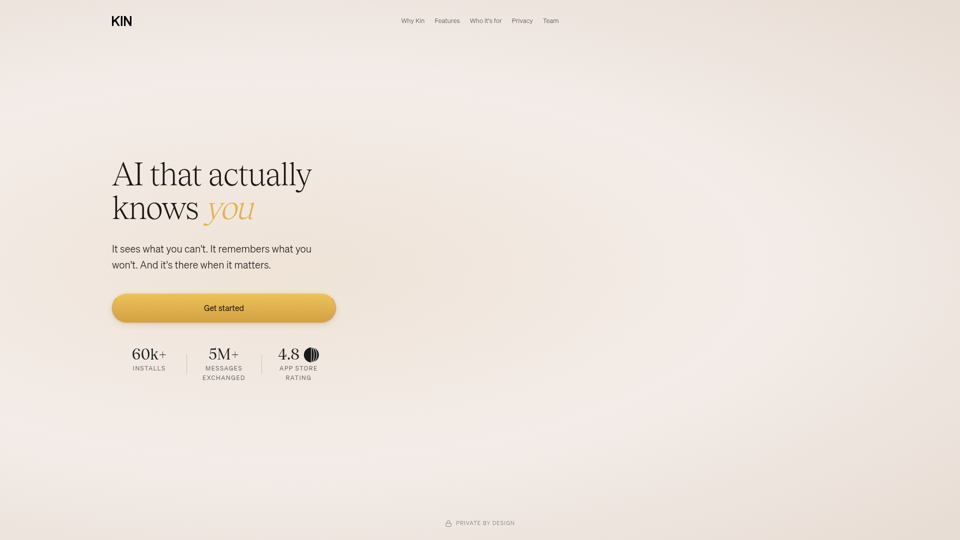
AI that actually knows you
Kin is a privacy-focused personal AI assistant and reflective coaching app that remembers context across conversations to help users think clearly, navigate decisions, and organize their lives, especially leaders, founders, parents, athletes, and neurodivergent people. In AI-enabled knowledge work, its persistent memory and guided reflection can help decision-makers and other high-responsibility professionals spot patterns, reduce mental overload, and make more informed choices over time.
Jude | Your First Employee — AI That Runs Your Business
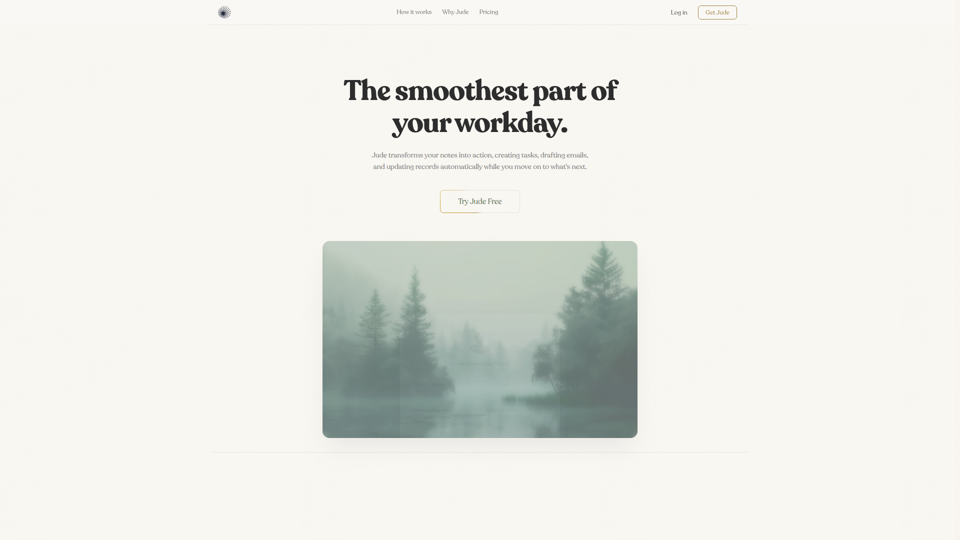
Jude is an AI business assistant that helps small businesses, freelancers, and solo entrepreneurs manage clients, emails, tickets, calendars, projects, and automations from one platform. For owners, operators, and client-facing teams, it can reduce admin work by turning notes and requests into tasks, drafted emails, and updated records across connected tools.
Supernormal Desktop App: AI assistant that turns meetings into work
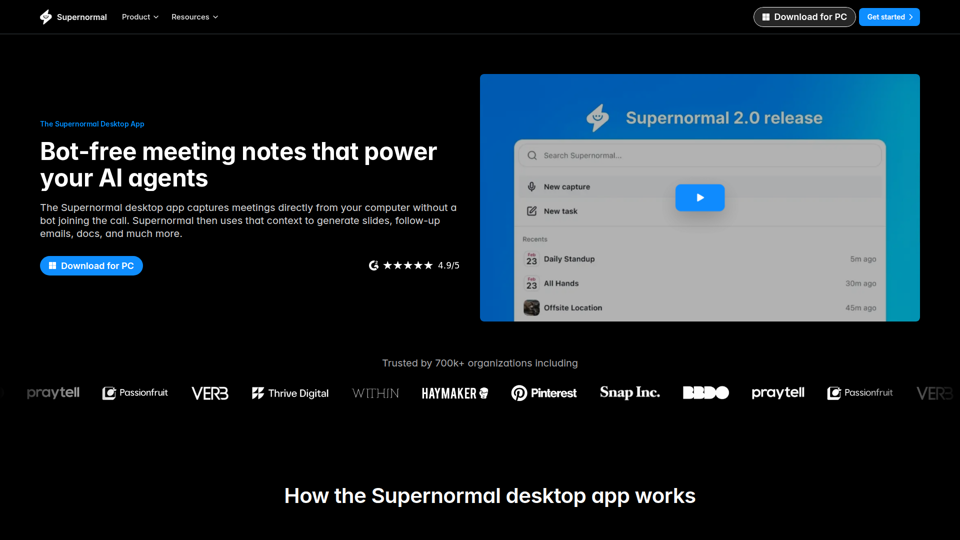
Supernormal Desktop App is an AI meeting assistant that captures computer audio without a bot, transcribes conversations, and turns meeting context into summaries, follow-up emails, documents, slides, and other drafts for professionals who spend much of their time in meetings. For managers, client-facing teams, and operations roles, it can reduce post-meeting admin by converting discussion points into ready-to-use work outputs faster.
AIdea Catalyst - TAAFT
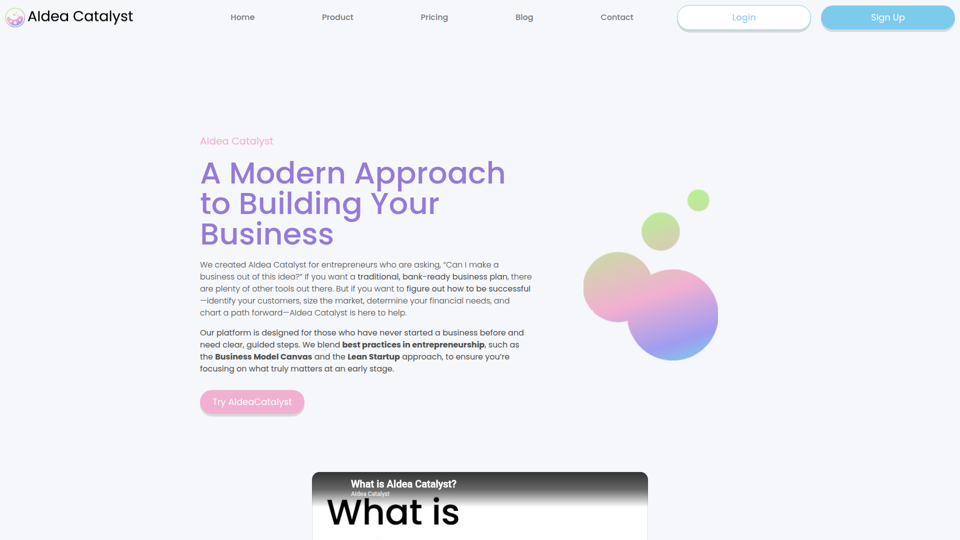
AIdea Catalyst is an AI-powered startup planning platform that helps entrepreneurs, especially first-time founders, validate ideas, analyze customers and markets, model finances, and build launch plans using guided, iterative workflows. For founders and small startup teams, this AI-assisted approach can speed early-stage decision-making by turning assumptions into testable plans instead of static business documents.
Vellum
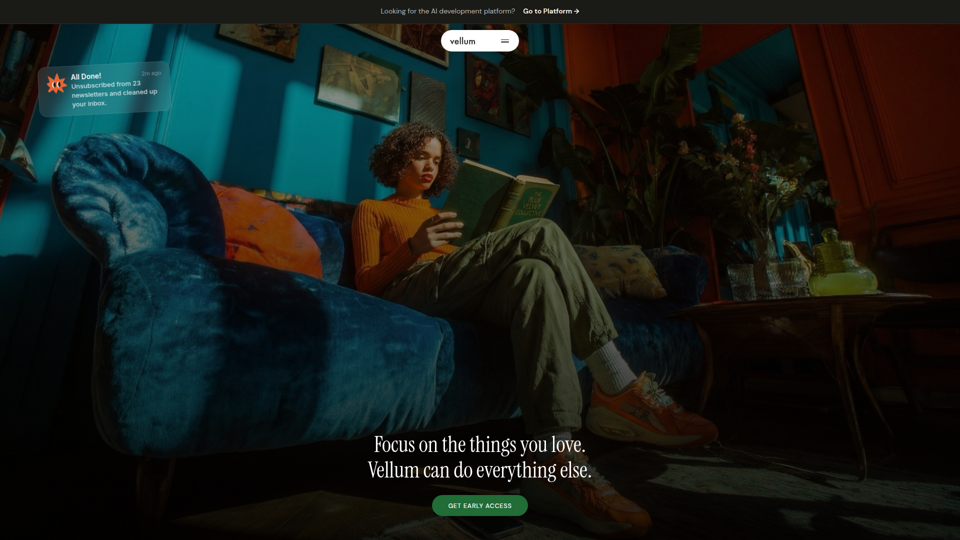
Vellum is a desktop personal AI assistant for macOS and iOS that connects to your apps, understands your context, and helps individuals manage email, scheduling, web tasks, coding, and other actions from a single conversation. For knowledge workers, founders, and developers, it can reduce repetitive app-switching and administrative work while keeping human approval in the loop for external actions.